Tuesday, 31 March 2026

Anatomical Concepts Renews Three Year Sponsorship for Adaptive Heavyweights Competition at Stirling

Ceangail CIC, the not‑for‑profit social enterprise behind Stirling Highland Games, is proud to announce Anatomical Concepts has renewed its sponsorship of the Adaptive Heavyweights Competition for a further three years. 

The competition benefits athletes at the Wounded Highlanders, who support serving personnel, veterans, and their families, and became associated members of the Royal Scottish Highland Games Association (RSHGA) in 2020.

Stirling Highland Games continues to champion inclusion in Scottish sport by integrating elite adaptive competition at the heart of its programme. As one of only two Highland Games in Scotland to offer high‑performance adaptive heavyweight events, where multiple world records have been set, the Games are helping redefine what participation and excellence look like.

Supporting this commitment is Anatomical Concepts (UK), a specialist rehabilitation technology company founded in 1995 by clinicians, engineers, and business innovators.

Focused on Functional Electrical Stimulation (FES) and advanced orthotic solutions, the company’s mission “Every Body Better” reflects its dedication to improving the lives of people with disabilities through cutting‑edge technology, expertise, and compassionate support.

Carolyn Jones, Director at Anatomical Concepts, told That's Health: "Renewing sponsorship for Stirling Highland Games and the Adaptive Heavyweights Competition was an easy decision. 

"The athletes competing at Stirling are achieving things that challenge assumptions about what people with disabilities can do, and that aligns closely with everything we stand for at Anatomical Concepts. 

"We're proud to support a competition where performance and inclusion sit side by side, and we hope our continued commitment helps give it the platform it deserves.”

Scottish Disability Sport Welcomes the Commitment with Gavin MacLeod, CEO of Scottish Disability Sport, added “SDS is delighted to hear of the inclusion of disabled athletes within the Highland Games programme at the Stirling Highland Games.

"Inclusive and innovative practice of this nature can open up opportunities for disabled participants to try something completely different in a fully inclusive environment. We congratulate everyone involved in this exciting initiative.”

A Call for Partners to Power the Games’ Future

Stirling Highland Games has developed into a full‑scale, modern event combining sport, culture, food, enterprise, and community engagement. With rising operational and infrastructure costs, Ceangail CIC is seeking investment partners who share its vision for advancing Scotland’s heritage while delivering measurable social impact.

Ceangail CIC is calling for increased investment to ensure the long‑term sustainability of one of Scotland’s most culturally significant annual events. The organisation requires to source up to £70,000 in annual sponsorship and partner funding to cover event delivery costs, costs that intentionally exclude salaries.

By securing these delivery costs through external support, Ceangail CIC can retain more social profit from ticket sales, which does cover future operational delivery, including staffing. This reinvestment is crucial to growing the organisation’s year‑round community impact ambitions.

Ceangail CIC Chair Matt McGrandles said: "Stirling Highland Games is our key fundraiser. Every pound of sponsorship that covers delivery costs allows Ceangail to reinvest more social profit back into our aims for the community. 

"I'm delighted Carolyn values the Stirling Highland Games competition that provides para-athletes with a great opportunity, and we look forward to building on this successful competition over the next few years.”

Matt concluded by saying: “We welcome conversations with organisations who believe in culture, inclusion, and meaningful social return.”

Sustaining an Event of National Importance

Investment will ensure that Stirling Highland Games continues strengthening the local visitor economy, supporting inclusive sport, fostering youth development, and celebrating Scotland’s cultural traditions.

Ceangail CIC now invites businesses, funders, and strategic partners to join in securing the long‑term future of this nationally significant event.

https://www.ceangail.org

Wednesday, 25 March 2026

Natracare’s Founding Company Enters New Era with Employee Ownership and CEO Appointment

Susie & Nina. Image (c) jessicabohin
Natracare, the pioneering brand behind the world’s first organic cotton tampon and compostable pads and panty liners, is entering a significant new chapter as its parent company (Bodywise UK Ltd) transitions to an Employee Ownership Trust (EOT).

This ownership structure strengthens and safeguards the company’s long‑term mission to care for people and the planet. Alongside this transition, Natracare is pleased to announce the appointment of Nina Davies as its new CEO.

What an EOT means for Natracare employees

As the founders begin to gradually step back from day-to-day leadership, choosing an Employee Ownership Trust over private equity was an ethical decision as much as a strategic one. They wanted Natracare’s future to stay true to the values on which it was built - prioritising environmental responsibility, integrity and care for its people.

EOT ownership keeps the company’s values in the hands of those who live them every day, rather than potential external investors driven by short‑term returns.

For Natracare employees, this means:

Collective Benefit: employees will collectively share in the company’s long‑term value and achievements.

Mission Continuity: the model strengthens Natracare’s purpose, ensuring decisions are grounded in long‑term benefits, not short‑term financial gains.

Empowered Culture: employee ownership strengthens the connection between each person’s work and the brand’s commitment to ethical, sustainable care.

“From the beginning, Natracare was built to show that the personal care industry could be better for our bodies, communities and the planet. Transitioning to an Employee Ownership Trust ensures that these values remain protected and championed by the people who live them every day," Susie Hewson MBE,  Natracare Founder told That's Health.

Nina Davies – Natracare CEO said “The transition to employee ownership is particularly meaningful. It signals the shift from founder-led to future-led. A future where responsibility, contribution and reward are more widely shared. It enables us to foster a unique culture built on trust and commitment to care - seeing this come to life to deliver tangible and meaningful value for everyone will be the first signs of success.”

Nina Davies is a purpose‑driven leader who believes business has a responsibility to help shape a better future. She joins Natracare at a pivotal moment, bringing a deep commitment to sustainability, community impact and values‑led growth.

With over 25 years of leadership experience, Nina has founded and scaled a brand strategy company, guided global brands, and built high‑performing teams. In recent years, her work has focused on the intersection of brand, culture and impact, creating campaigns and communities that inspire shared values and collective action.

She believes brands are forces for positive behaviour change and that sustainability and transparency must be embedded at the core of strategy, not a bolt-on marketing layer.

“I’m incredibly proud to be stepping into the role of CEO at such an important moment in the company’s journey.

This next chapter is about honouring the company’s founding values while building a business that grows responsibly and empowers people, both inside and outside the organisation, to be part of meaningful change. I believe that brands can play a critical role in shaping behaviour change and redefining a better future, and as the original pioneers of the organic period care category, Natracare is a shining example of this.

"I feel very privileged to be learning from two incredibly visionary founders, and to continue their campaign with such a strong and talented team. I’m thrilled to see the impact we can achieve together.”

Nina’s leadership approach combines commercial discipline with long-term investment, demonstrating that purpose and profitability are not mutually exclusive.

As CEO she will focus on strengthening capability and embedding a culture of ownership through the company’s Employee Ownership transition. Her ambition is to ensure the organisation remains commercially robust while continuing to lead in advancing product standards, challenging behaviours in the category and driving value for customers, employees and stakeholders alike.

To learn more about Natracare, visit Natracare.com.

Tuesday, 24 March 2026

Allendale Community Centre Announces Free Community Open Day for Wimborne and Surrounding Areas

The Allendale Community Centre in Wimbourne, Dorset, has announced a free Community Open Day designed to help people across Wimborne and the surrounding areas discover everything their local community has to offer, all under one welcoming roof.

Taking place on Sunday 17th May 2026, from 10am to 4pm, visitors are very welcome to pop in at any time during the day. The event will bring together up to 60 organisations, charities, voluntary groups and community services supporting residents across the wider East Dorset area. Entry is completely free.

As Wimborne and neighbouring communities continue to grow, with new homes and families settling across the BH21 area and beyond, it can sometimes be difficult to know what clubs, support networks and activities are available close to home. 

The Allendale Community Centre is stepping forward to bridge that gap, bringing together the people and organisations who quietly support our community every day.

Importantly, this is a no-pressure information event by exhibitors. There will be no selling and no fundraising on the day. The aim is simple: to ensure that everyone, whether they’ve lived locally for five weeks or fifty years, feels confident about what support, opportunities and connections are available to them.

What visitors can discover on the day:

• Local charities and support groups

• Community organisations and clubs

• Emergency services and community safety teams

• Family-friendly activities

• Volunteer opportunities

• Information and resources for carers and older residents

• Health, wellbeing and social groups

• The Allendale CafĂ© open all day

Carole Chedgy from the Allendale Community Centre told That's Health: “Wimborne and the surrounding villages are full of fantastic organisations, but community doesn’t just happen, we build it together. 

"Whether you're raising a family, settling into a new home, supporting an older relative, or simply curious about what’s happening locally, this day is for you. 

"We want to be absolutely clear: this is not a fundraising event. It’s a free opportunity to discover what’s here, meet people, and feel part of the community.”

Residents and neighbours across the wider area are encouraged to save the date: Sunday 17th May 2026.

Further details and a full list of attending organisations will be released in the coming weeks.

For more information, or if your ‘not for profit’ organisation would like to enquire about a free information stall and having information leaflets in our community goodie bag call 01202 887247 and ask for Jane or Brian or email info@theallendale.org

https://www.theallendale.org

Derby’s OperaBabes concert set to be First Steps ED’s biggest ever eating disorder fundraising event

Acclaimed classical duo to headline Derby Cathedral ‘You’ll Never Walk Alone’ concert in aid of local eating disorder charity.

First Steps ED, Derby's nationally recognised eating disorder charity, has announced its most ambitious fundraising event to date, a spectacular concert at Derby Cathedral featuring internationally acclaimed classical duo the OperaBabes’ on Friday 19th June.

The evening, which will form part of the OperaBabes' 25th anniversary celebrations, is expected to draw an audience of 500-600 people and will raise vital funds for the charity's early intervention and specialist support services.

For OperaBabe Karen England, who grew up in Derby, the concert carries a deeply personal significance. Her daughter lives with an eating disorder, giving Karen a first-hand understanding of the urgent need for accessible, specialist support.

"First Steps ED does extraordinary work," said Karen. "This is a cause very close to my heart and I'm proud that our anniversary tour can play a part in supporting it."

Founded in Derby in 2004, First Steps ED has grown from a locally rooted initiative into a charity supporting individuals and families across the UK. Eating disorders carry one of the highest mortality rates of any mental health condition, yet timely intervention can be life-changing – and lifesaving.

Daniel Magson, CEO at First Steps ED, told That's Health: "We are absolutely thrilled to be staging what will be the largest fundraising event in our charity's history. The OperaBabes bring real prestige to this occasion, and every ticket sold, every partnership secured, will directly help us support more people with eating disorders."

The concert programme will showcase an outstanding line-up of performers, including a professional string quartet led by internationally acclaimed violinist Dora Chatzigeorgiou, the mixed-voice choir A Choir’d Taste, the renowned Dalesmen Male Voice Choir, the OperaBabes’ daughters, and a special performance from a choir representing The Ecclesbourne School - the Derby school attended by Karen England. Musical accompaniment will be provided by Alexander Binns, Director of Music at Derby Cathedral, with the concert under the musical direction of Paul Marshall.

Tickets are on sale now here with all proceeds going directly to First Steps ED. 

https://www.eventbrite.co.uk/e/youll-never-walk-alone-operababes-charity-concert-tickets-1984775625324?aff=oddtdtcreator_

https://firststepsed.co.uk

Friday, 20 March 2026

Long Covid Can’t Be Ignored Anymore. Now Action Must Follow

During March which is Long Covid Awareness Month, the UK COVID-19 Inquiry has delivered a long-overdue reality check: COVID-19 spreads through the air, and the early responses got it wrong.

For many, this confirmation isn’t new. Patients, clinicians and researchers have been raising the alarm for years, particularly around how COVID-19 spreads through the air. 

Now, it’s official: initial guidance failed to properly recognise airborne transmission, potentially allowing avoidable infections, and long-term illness, to take hold.

The Inquiry also acknowledges something equally important: Long Covid is real, serious, and for some, life-changing. 

If you’re unfamiliar with the condition, understanding what is Long Covid and how does it affect the body is key to recognising its impact.

Millions across the UK have lived this reality. Many have faced delayed diagnoses, inconsistent care, or worse, not being believed at all. 

The report admits that why healthcare access varies across the UK remains a major issue, with patients experiencing a postcode lottery in treatment and support.

Research gaps continue to be a concern. While studies into the long-term effects of COVID-19 on health are ongoing, funding has been scaled back at a time when answers are urgently needed.

Perhaps most concerning is the impact on younger people. There is growing awareness around supporting children living with Long Covid, as the condition continues to disrupt education, development, and daily life at a critical stage.

This isn’t a problem that’s gone away. Long Covid is not a legacy issue, it’s ongoing, and remains a public health concern affecting individuals, families, and communities across the UK.

Every infection still carries risk. And every preventable infection risks long-term consequences. That’s why understanding symptoms of Long Covid explained can help people seek help earlier and avoid worsening health outcomes.

Advocates argue that recognising airborne transmission must now lead to meaningful change. If the virus spreads through the air, then prevention strategies must reflect that reality — especially in healthcare settings where vulnerable people are most at risk.

Right now, protections remain inconsistent. Patients continue to face challenges around support available for Long Covid patients in the UK, with gaps in services and long waiting times still common.

The message from campaigners is clear: recognition is not enough.

What’s needed now is action, including stronger airborne infection controls, better access to protective equipment, and renewed focus on how health policy affects patient outcomes.

There’s also a broader issue at stake. Many people are still learning about coping with chronic illness in everyday life, often without adequate guidance or support.

The Inquiry has taken an important step by acknowledging both airborne transmission and the reality of Long Covid.

But without decisive action, the same mistakes risk continuing.

Long Covid isn’t slowing down.

And neither should the response.

https://www.longcfoundation.org/long-covid-awareness-day-and-month

Wednesday, 18 March 2026

Music Accessibility for Dementia Care Moves Forward with Industry Collaboration

Efforts to make music more accessible for people living with dementia are gaining real momentum, as industry leaders come together to develop shared solutions that could transform care and quality of life.

The Music Made Easy Taskforce recently held its second industry roundtable at the BBC’s cutting-edge Blue Room at Broadcasting House in London. 

The event marked an important shift away from isolated projects towards a more unified, collaborative approach.

Why Music Matters in Dementia Care

Music is widely recognised as a powerful tool in dementia care. It can:

Trigger memories and emotional responses

Improve mood and reduce anxiety

Support communication when words become difficult

Strengthen connections between individuals and their carers

However, despite its benefits, access to music remains inconsistent, often limited by technology, design barriers, or lack of coordination across industries.

A Move Towards Shared Solutions

The roundtable, organised in collaboration with Music for Dementia and the University of Sheffield’s Muses, Mind, Machine (MMM) research centre, brought together 25 senior representatives from across sectors including:

Record labels

Broadcasters

Technology manufacturers

Accessibility specialists

Dementia care leaders

The goal was clear: move from fragmented efforts to scalable, long-term solutions.

Discussions focused on identifying existing tools, understanding barriers, and mapping out practical ways to improve access. A key outcome was the proposal to develop inclusive design principles for music accessibility, created in partnership with people living with dementia.

This co-production approach ensures that future products and services are shaped by real lived experience—not assumptions.

The Power of a Unified Industry Voice

One of the most important takeaways from the event was the need for the sector to speak with a single, coordinated voice.

By aligning messaging across technology providers, rights-holders, and policymakers, the taskforce aims to:

Influence product design at scale

Improve accessibility standards

Ensure dementia-friendly features become the norm, not the exception

Lived Experience at the Heart of Change

Crucially, the discussions were grounded in real-world experience. Contributors living with dementia, including Howard Gordon and Ronald Amanze, played a central role in shaping conversations.

Their insights highlighted the everyday challenges people face—and the profound difference accessible music can make.

There was also strong agreement on the need to involve more carers in future discussions, recognising their vital role in supporting access to music both at home and in care settings.

Looking Ahead

Amy Shackleton, Programme Lead at Music for Dementia, described the event as a turning point to That's Health: “Our discussion has moved beyond understanding the scale of the challenge to thinking about what role we can collectively play to overcome it.”

With growing collaboration and shared ambition, the taskforce is now focused on turning ideas into action over the coming year.

The next roundtable is scheduled for July, where further progress is expected.

A Health Issue Beyond Medicine

This initiative highlights an important shift in how we think about health and wellbeing. Supporting people with dementia isn’t just about clinical care—it’s about connection, dignity, and quality of life.

Making music accessible is a simple but powerful step towards achieving that.

https://www.musicfordementia.org.uk

Outdated Government Data Misclassifying M.E./C.F.S. as Mental Illness Sparks Concern

A serious flaw in Ministry of Justice (MoJ) data systems has come to light, and it’s raising major concerns for people living with M.E./C.F.S.

Research by Portsmouth-based Stripy Lightbulb CIC has revealed M.E./C.F.S., a neurological condition recognised by the World Health Organisation, is still being incorrectly classified as a mental health condition or learning difficulty across multiple UK government datasets.

Crucially, this isn’t a simple error.

Instead, it stems from a legacy decision made years ago, when broad categories of “vulnerability” were used in administrative systems. 

Those outdated labels have since been carried forward, despite significant advances in medical understanding.

Why This Matters

The impact of this misclassification is far-reaching:

Employment Tribunal data may be misleading employers, potentially influencing workplace policies and equality decisions

Courts and probation services could be relying on inaccurate information when assessing individuals’ needs

Researchers and policymakers may be working with flawed data

For those living with M.E./C.F.S., the consequences are even more personal. From facing unnecessary barriers to justice to having to repeatedly explain the biomedical nature of their condition, the system is adding pressure where support is needed most.

A Systemic Problem

Because MoJ datasets are linked and often inherit classifications from older systems, the issue has spread widely, creating a ripple effect across the justice system and beyond.

As Sally, founder of Stripy Lightbulb CIC, explained to That's Health: “This isn’t a glitch or a typo. It’s a legacy decision that has been baked into government systems for years, resulting in the structural misrepresentation of a neurological disease.”

No Timeline for Change

Although the MoJ has acknowledged the issue and confirmed internal discussions are underway, there is currently no clear plan or timeline for correcting the classification.

Stripy Lightbulb CIC is now calling for urgent action to bring data systems in line with modern medical standards.

A Fix Within Reach

The solution, campaigners argue, is straightforward: update classification systems to reflect current scientific understanding.

Until that happens, inaccurate data will continue to shape decisions across employment, justice, and policy—leaving people with M.E./C.F.S. at a disadvantage.

As Sally puts it: “People with ME/CFS deserve a justice system that recognises their illness for what it, not what it was once assumed to be.”

To learn more please visit http://www.stripylightbulb.com.

Tuesday, 17 March 2026

Home Care for Norovirus: A Practical Guide to Managing Symptoms Safely

Home care tips for norovirus: learn how to stay hydrated, manage symptoms, prevent spread, and recover safely from sickness and diarrhoea at home.

Norovirus is one of the most common causes of sickness and diarrhoea in the UK, particularly during the colder months. 

Often referred to as the “winter vomiting bug,” it spreads quickly and can leave sufferers feeling extremely unwell for several days.

While it’s usually self-limiting, knowing how to manage symptoms safely at home is essential, for both recovery and preventing it from spreading to others.

What is Norovirus?

Norovirus is a highly contagious virus that causes sudden onset vomiting, diarrhoea, stomach cramps, nausea, and sometimes fever or body aches. Symptoms typically appear 12–48 hours after exposure and can last for 1–3 days, though fatigue may linger longer.

Because it spreads through close contact, contaminated surfaces, and food, careful hygiene at home is critical.

Staying Hydrated is Your Top Priority

One of the biggest risks with norovirus is dehydration, especially in children, older adults, and those with underlying health conditions.

Tips for staying hydrated:

Take small, frequent sips of water rather than large amounts at once

Use oral rehydration solutions (available from pharmacies and health shops) 

Avoid alcohol, caffeine, and sugary drinks, which can worsen dehydration

Ice chips or diluted squash can be easier to tolerate if nausea is severe

If someone cannot keep fluids down for more than 24 hours, medical advice should be sought.

Rest and Recovery

Your body needs time and energy to fight the virus.

Stay at home and avoid work, school, or social activities

Aim for plenty of sleep and rest

Avoid rushing back to normal activities, even after symptoms ease

In the UK, guidance generally recommends staying off work or school until 48 hours after symptoms stop to reduce transmission.

Eating During Illness

Loss of appetite is common, and that’s okay in the short term.

When you feel ready to eat:

Start with bland foods such as toast, rice, crackers, or bananas

Avoid fatty, spicy, or dairy-heavy foods initially

Eat small portions and build up gradually

Don’t force food, hydration is far more important in the early stages.

Preventing the Spread at Home

Norovirus spreads incredibly easily, so protecting others in your household is vital.

Key hygiene steps:

Wash hands thoroughly with soap and water (hand sanitiser alone is less effective)

Clean surfaces regularly, especially in bathrooms and kitchens

Use separate towels, flannels, and, if possible, a separate toilet

Wash contaminated clothing and bedding at high temperatures

Bleach-based cleaners are particularly effective at killing the virus.

Managing Symptoms Safely

There’s no specific cure for norovirus, but you can manage symptoms:

Paracetamol can help with fever and aches

Avoid anti-diarrhoeal medication unless advised by a pharmacist or GP

Keep a bowl or bucket nearby if vomiting is frequent

Maintain ventilation in the room to improve comfort

Always check medication suitability, especially for children or those with existing conditions.

When to Seek Medical Help

Most cases can be managed at home, but you should seek medical advice if:

Signs of dehydration appear (dry mouth, dizziness, reduced urination)

Symptoms last longer than a few days

There is blood in vomit or stool

The person is elderly, very young, pregnant, or immunocompromised

In urgent situations, contact NHS 111 or seek emergency care, call 999 if necessary. 

Norovirus can be unpleasant and exhausting, but with the right home care approach—focusing on hydration, rest, and hygiene, most people make a full recovery within a few days.

Taking simple precautions not only supports recovery but also helps protect your family, workplace, and community from further spread.

Young Woman’s Third Fight: Raising Awareness of a Rare and Life-Threatening Illness

At That’s Health, we often share stories that highlight both the realities of serious illness and the extraordinary resilience of individuals facing them. 

Today’s story is one of courage, survival, and an urgent call for support.

A Childhood Marked by Courage

Trinity Peterson-Mayes is only 24 years old, yet her life has already been shaped by battles most people will never experience.

At just two months old, she was diagnosed with neuroblastoma, a rare and aggressive childhood cancer. Against all odds, she fought through treatment and survived.

Years later, at the age of 11, Trinity faced another devastating diagnosis, osteosarcoma, a form of bone cancer. 

Once again, she demonstrated incredible strength and resilience, overcoming the disease for a second time.

For her family, it felt as though the hardest chapters were finally behind them.

A Sudden and Terrifying Turn

Recently, however, Trinity’s life changed in a matter of days.

What began as difficulty swallowing and speaking quickly escalated into something far more serious. While in hospital, her condition deteriorated rapidly. She became unable to swallow even her own saliva, and her facial muscles weakened significantly.

Doctors were forced to place Trinity on a ventilator to protect her airway, a frightening and critical step.

After urgent consultations with specialists, Trinity was diagnosed with botulism, a rare but life-threatening neurological illness.

Understanding Botulism

Botulism is caused by a toxin that interferes with the body’s nerve signals, effectively blocking communication between nerves and muscles. This can lead to paralysis, affecting vital functions such as breathing, swallowing, and movement.

What makes Trinity’s case even more extraordinary is just how rare this condition is. Her medical team revealed that none of the neurologists treating her had ever encountered a case in person,  only studied it in textbooks.

The necessary antitoxin had to be sourced urgently and transported from another location to halt the progression of the illness.

The Road to Recovery

Thankfully, Trinity received the life-saving antitoxin in time.

However, this is only the beginning of her recovery journey.

Because botulism disrupts nerve function, the body must slowly rebuild those connections before muscle strength can return. This process is neither quick nor easy.

Recovery can take weeks or even months, often requiring intensive rehabilitation, including:

Physiotherapy

Speech and swallowing therapy

Ongoing medical monitoring

Despite everything, Trinity continues to fight with remarkable determination, just as she did as a child. Each day, she is working to regain abilities many of us take for granted, such as speaking, swallowing, and moving independently.

How You Can Help

As Trinity focuses on healing, she is unable to work, and the financial strain on her and her family is growing.

Support is being sought to help cover:

Medical bills and hospital care

Rent and essential living costs

Rehabilitation and therapy

Ongoing treatments

If you are in a position to help, any contribution can make a meaningful difference.

And if donating isn’t possible, simply sharing Trinity’s story can help raise awareness and extend support further.

A Story of Strength... and Hope

After surviving cancer twice as a child, Trinity is now facing yet another unimaginable challenge. Her story is a powerful reminder of both the fragility of health and the incredible strength of the human spirit.

With the right support, care, and time, there is hope that Trinity can once again overcome the odds.

From all of us at That’s Health, we send our best wishes, strength, and encouragement to Trinity and her family during this incredibly difficult time. 

We have made a donation and we are now inviting our readers to do the same:-

Here is Trinity's GoFundMe page link:-https://www.gofundme.com/f/24yo-survived-cancer-twice-now-she-needs-our-help-again

Wonder Legs Tablets: Do They Really Work?

I write this blogpost not as an advocate, paid or otherwise, but as someone who takes Wonder Legs tablets as a consumer.

In recent years, supplements aimed at improving circulation and relieving “heavy legs” have become increasingly popular.

One such product is Wonder Legs, a tablet sold in the UK and Europe and marketed as a natural solution for tired, swollen, or uncomfortable legs. But how effective are these tablets, and what does the evidence actually suggest?

What Are Wonder Legs Tablets?

Wonder Legs tablets are a dietary supplement designed to support healthy circulation and vein function in the legs. They are commonly taken by people who experience symptoms such as:

Tired or heavy legs

Mild swelling after standing or sitting for long periods

Aching or discomfort in the lower limbs

The tablets contain a combination of herbal extracts and nutrients, including:

French maritime pine bark extract (Pinus pinaster)

Red vine leaf extract (Vitis vinifera)

Vitamin C

Black pepper extract

These ingredients are intended to support blood vessel health and circulation, which may help reduce feelings of fatigue or heaviness in the legs.

How the Ingredients Are Supposed to Work

The concept behind Wonder Legs tablets is rooted in improving microcirculation and vein strength.

Red vine leaf extract has been traditionally used in Europe to help relieve symptoms of poor circulation, including heavy or aching legs. It contains plant compounds that may help strengthen blood vessel walls and reduce inflammation.

French maritime pine bark extract is rich in polyphenols and antioxidants. These compounds are believed to help maintain healthy blood vessels and improve circulation.

Vitamin C contributes to the formation of collagen, which plays a key role in maintaining strong blood vessels.

Together, these ingredients are intended to support normal venous function and reduce sensations of tired or heavy legs, particularly after long periods of standing or sitting.

What Does the Evidence Say?

While the ingredients used in Wonder Legs have some scientific background, it is important to understand dietary supplements are not medicines and are not required to demonstrate the same level of clinical effectiveness as pharmaceutical treatments.

Some studies suggest that compounds such as red vine leaf extract and pine bark extract may help relieve symptoms of mild chronic venous insufficiency, a condition where blood flow in the leg veins is impaired. However, research results are mixed and generally modest.

This means that while some people may experience relief from symptoms such as heaviness or mild swelling, the tablets do not treat underlying vein disease and should not replace medical advice.

Who Might Benefit?

Wonder Legs tablets may be useful for people who:

Spend long hours standing or sitting at work

Experience occasional heavy or tired legs

Are looking for a supplement to support circulation

They are commonly marketed to older adults, travellers, and workers who remain on their feet all day.

However, anyone experiencing persistent swelling, pain, or visible vein problems should seek advice from a GP, as these symptoms may indicate varicose veins or circulatory disorders.

The Bottom Line

Wonder Legs tablets contain ingredients that may support circulation and blood vessel health, and some users report improvements in the feeling of tired or heavy legs. However, the scientific evidence is limited and the product should be viewed as a wellness supplement rather than a medical treatment.

For best results, supplements should be combined with lifestyle measures such as:

Regular walking or exercise

Elevating the legs when resting

Staying well hydrated

Maintaining a healthy weight

Ultimately, improving circulation in the legs usually requires a combination of healthy habits, movement, and medical guidance where necessary.

Eight-year-old raises £7,410 for school playground

A primary school pupil in West London who raised a staggering £7,410 to fund new playground equipment for younger children has opened the climbing frame his fundraising made possible.

Eight-year-old James “JC” Connor, a pupil at Our Lady & St John’s Primary School in Brentford, raised the funds after hearing younger pupils say they hoped the school might one day have a better climbing frame.

JC first heard the idea while taking part in the school’s School Council, where pupils share suggestions about how to improve school life.

Rather than simply raising the issue with teachers, he decided he wanted to try to make it happen.

With encouragement from teachers and family, JC organised a school raffle, donated a Disney on Ice VIP box as the prize, and launched an online fundraising campaign. Friends, parents and members of the wider community all contributed to the effort.

Together the fundraising raised enough money to fund a brand-new climbing frame for younger pupils at the school.

The total funds raised came from three initiatives organised by JC:

• School raffle (Disney on Ice box): £1,570

• Online auction (32 Auctions): £168.86 net

• JustGiving fundraising page: £5,490.61 net

The climbing frame was officially opened on Monday 16 March, with JC invited to cut the ribbon as younger pupils used the equipment for the first time.

JC told That's Health: “When I joined the School Council I heard younger children saying they wished they had a better climbing frame, so I wanted to try to help make it happen.”

Mrs Kelliher, Headteacher at Our Lady & St John’s Primary School, told us that  JC’s initiative had been an inspiring example for the whole school community.

“JC’s fundraising is a wonderful example of how our pupils live out the values we teach in school. His kindness and determination show how even the youngest members of our community can make a real difference.”

JC’s parents, Stephen and Ha Smith, said they had been inspired by their son’s determination to help younger children at the school.

“What began as a simple idea raised in the School Council became something so much bigger. We are incredibly proud of JC for wanting to help younger pupils and for showing that even a small idea can make a real difference when a community comes together.”

Several of JC’s classmates also contributed ideas for the design of the climbing frame, while a parent from the school community volunteered to assist with surfacing work during installation.

The school has also recognised JC’s efforts during assembly with its ‘Disciple of Hope’ certificate, celebrating pupils who demonstrate kindness, leadership and service to others.

The project has become an example of how a school community can come together to support younger pupils and turn an idea raised through the School Council into something lasting.

For more information visit: https://www.ourladyandstjohns.org.uk

Sunday, 15 March 2026

Meningitis: The Warning Signs Everyone Should Know

Meningitis is a serious and potentially life-threatening illness that can develop quickly and affect people of all ages. 

Although it is relatively uncommon in the UK, it remains a major medical emergency because it can progress rapidly and cause permanent disability or death if not treated quickly. 

Understanding the risks, recognising the symptoms, and knowing how meningitis can be prevented are essential for protecting yourself and your family.

There have been reports of recent deaths from Meningitis which has encouraged us to write this blogpost.

What Is Meningitis?

Meningitis is an infection that causes inflammation of the meninges, the protective membranes surrounding the brain and spinal cord. 

The condition is most commonly caused by bacteria or viruses, although fungi and parasites can occasionally be responsible.

There are two main types:

Bacterial meningitis

This is the most dangerous form and requires immediate hospital treatment. It can lead to severe complications such as brain damage, hearing loss, limb loss due to blood poisoning (septicaemia), or death.

Viral meningitis

This form is generally less severe and many people recover without specific treatment, although symptoms can still be unpleasant and medical care may be required.

Who Is Most At Risk?

While meningitis can affect anyone, certain groups are more vulnerable.

Babies and young children are particularly at risk because their immune systems are still developing.

Teenagers and young adults also have higher rates of meningitis, especially those living in shared accommodation such as university halls.

Older adults, particularly those over 65, may have weakened immune systems that make infection more dangerous.

People with weakened immune systems, including those undergoing chemotherapy, living with certain chronic illnesses, or taking immune-suppressing medication, are also more vulnerable.

Symptoms to Watch For

Meningitis symptoms can appear suddenly and worsen quickly. Early recognition is vital.

Common warning signs include:

A high fever

Severe headache

Stiff neck

Sensitivity to light

Nausea or vomiting

Confusion or difficulty in concentrating

Cold hands and feet, limb pain, pale or mottled skin

A rash that does not fade when pressed can be a sign of meningococcal septicaemia, a dangerous complication often linked to meningitis.

In babies and young children, symptoms may also include:

A bulging soft spot on the head

High-pitched crying

Refusing feeds

Being unusually floppy or unresponsive

If meningitis is suspected, urgent medical attention is essential.

Prevention: Vaccines Save Lives

One of the most effective ways to prevent meningitis is through vaccination.

The UK’s NHS vaccination programme protects against several major causes of meningitis, including:

MenB vaccine for babies

MenACWY vaccine for teenagers and university students

Hib vaccine

Pneumococcal vaccine

These vaccines have dramatically reduced the number of meningitis cases in the UK over the past few decades.

Practising good hygiene, such as regular hand washing and covering coughs and sneezes, can also help reduce the spread of infections that may lead to meningitis.

Treatment and Recovery

Treatment depends on the cause of the infection.

Bacterial meningitis requires immediate hospital care, typically including:

Intravenous antibiotics

Fluids to prevent dehydration

Oxygen or breathing support in severe cases

Patients may also receive medication to reduce swelling around the brain.

Viral meningitis often improves with rest, fluids, and pain relief, although hospital monitoring may still be necessary.

Early treatment greatly improves outcomes, which is why recognising symptoms and seeking urgent help is so important.

A Medical Emergency That Requires Fast Action

Meningitis remains one of the most serious infections affecting the brain and nervous system. The key to survival and recovery is speed, recognising symptoms quickly and getting medical help immediately.

Vaccination programmes, improved awareness, and prompt treatment have saved many lives, but meningitis still poses a real risk.

Knowing the signs and understanding who is most vulnerable could make a life-saving difference.

If you suspect meningitis, seek urgent medical help immediately or call NHS 111. In a medical emergency, dial 999.

Saturday, 14 March 2026

Early Access to Dementia Day Care Helps People Stay Connected and Engaged

Early access to day care can significantly improve quality of life for people living with dementia, yet long waiting lists for formal diagnosis and assessment are delaying access to vital support.

Age Concern Hampshire, which runs Care & Wellbeing Centres across the county, highlights that families can access valuable support while awaiting a formal diagnosis. 

The charity offers activities that include Cognitive Stimulation Therapy (CST) and reminiscence sessions, interventions shown in research to support memory, communication, and cognitive function.

Early engagement with day care services also helps reduce isolation, supports emotional wellbeing, and encourages physical and social activity. Families frequently notice improvements in mood, confidence, and communication when support begins early.

“Very often, there can be long waits for formal assessments, leaving people without the structured support they need,” Hannah Park, Head of Operations at Age Concern Hampshire told That's Health.

“Accessing day care early ensures people can benefit from therapies and social engagement throughout the whole of their dementia journey.”

Age Concern Hampshire runs dedicated Care & Wellbeing Centres across the county, providing tailored day care services for people living with dementia. 

Free taster days are available at all Care & Wellbeing Centres, allowing families to experience the service before making any commitment. Call 01962 868545 or visit their website to find out more: https://www.ageconcernhampshire.org.uk/care-and-wellbeing-services-hampshire

Creativity for a cause: Charity art exhibition brings community together

The Chilterns Neuro Centre is celebrating the success of its vibrant Pop-Up Art Weekend, which welcomed over 1,000 visitors and raised over £23,000 to support people in the local community affected by MS, Parkinson’s and strokes.

Held in partnership with the Clare Foundation, the special weekend, which is celebrating its 21st year, brought together an inspiring collection of talented artists, art lovers, supporters and volunteers for a memorable community event filled with creativity and generosity.

Visitors had the chance to explore and purchase a wide range of artworks from an incredible group of artists who generously contributed at least a third of the sale from each piece of artwork sold to support the Centre’s vital services. 

The event created a lively and welcoming atmosphere while helping raise essential funds for the charity.

The Chilterns Neuro Centre would like to extend heartfelt thanks to the Clare Foundation for partnering on this much-loved event. Their support and collaboration played a key role in making the weekend such a success.

Special thanks also go to the many talented artists who shared their creativity, the dedicated volunteers who generously gave their time to help run the event and the hundreds of visitors whose enthusiasm and support made the weekend so special.

“We are absolutely delighted by the success of the Pop-Up Art Weekend,” Hannah Fleming, Community and Events Manager at the Chilterns Neuro Centre” told That's Health.


"To welcome more than 1,000 visitors and raise over £23,000 is an incredible achievement. Events like this not only raise vital funds for our services but also bring the community together in a truly uplifting way.”

“It was a pleasure to partner with the Chilterns Neuro Centre for this fantastic event,” said Robin Walker, Chair of Trustees at the Clare Foundation. 

“The Pop-Up Art Weekend showcased not only exceptional artistic talent but also the power of community collaboration. We are proud to support the Centre and the invaluable work they do for people living with neurological conditions.”

Funds raised from the weekend will help the Chilterns Neuro Centre continue providing a wide range of treatments and services to people in the community affected by MS, Parkinson’s and strokes, empowering them to live life to the full.

https://www.chilternsneurocentre.org

148 reasons to get your walking boots on this May

74 groups, 148 walks, one brilliant city.

Walk providers have stepped up for Bristol Walk Fest this year. 74 different providers, ranging from ramblers groups to community organisations, nature projects to walking sports, historians and social groups to walk enthusiasts have all signed up to offer walks during Bristol Walk Fest this May.

Between them, they are offering 148 unique walks, meaning from 1-31 May this year, every day has multiple options to choose from.

And that's before you count audiowalks you can do in your own time, and walks repeated more than once - add those in and there are more than 400 opportunities to get exploring the city on foot during National Walking Month in May.

More providers are still signing up - the recent deadline was to appear in the printed programme. 8,000 copies of the programme will be distributed to libraries, community centres and local organisations in the first week of April, giving local people plenty of time to pick up a copy, have a browse and choose the walks they’d like to join.

From mid-March, all walks will be available to search on the Bristol Walk Fest website too.

Walks are listed under the headings of Arts, Culture and History; Walking for Pleasure; Nature and Wildlife; Health and Wellbeing, and Walking Sports.

When choosing which walk to join, you’ll be able to search by accessibility criteria including level of difficulty, mobility scooter or wheelchair accessible, near public transport or public toilets, dog- or buggy-friendly, and more.

Bristol Walk Fest manager, Karen Lloyd, told That's Health: “We're delighted with the numbers and range of walks available this year: there really is something to suit every interest and ability. And we're particularly pleased to have hit our target of 80% of walks being free, which makes Bristol Walk Fest accessible to everyone.”

The full programme will be available at bristolwalkfest.com from mid-March.

Finding Your Feet opens Paisley charity hub to Glasgow businesses affected by Union Street fire

Finding Your Feet, Scotland's only nationwide charity supporting people and families affected by amputation or limb difference, is making available a number of rooms at its Paisley charity hub to small businesses displaced by the devastating Union Street fire in Glasgow.

The fire, which broke out on Sunday 8 March and tore through a B-listed building in Glasgow city centre, has left over 30 businesses without premises. 

Many lost everything, including equipment, stock and years of hard work.

Finding Your Feet has available workspace at its Paisley hub and wants to offer that space to affected businesses while they find their feet again.

"Our hearts go out to everyone who's lost their business in this fire. These are people who've put everything into what they've built, and watching it go up in smoke is devastating. We can't fix that, but we do have space at our Paisley hub and we want to offer it. If it helps even one business keep going while they find their feet again, that's enough for us." Cor Hutton, Founder, Finding Your Feet

The offer is open to any business affected by the fire. Finding Your Feet asks only that businesses get in touch to discuss what's available and whether it might work for them.

Businesses interested in making use of the available space can contact Finding Your Feet directly at info@findingyourfeet.net.

https://findingyourfeet.net

Friday, 13 March 2026

That's Green: Don’t Be a Sinner, Be a Binner!

That's Green: Don’t Be a Sinner, Be a Binner!: A campaign from That’s Green Litter is one of the simplest environmental problems to solve, yet it continues to spoil our streets, parks, a...

Symprove: A Vegan-Friendly Way to Support Your Gut Health

A look at Symprove, the vegan-friendly probiotic supplement designed to support gut health and help maintain a balanced microbiome.

In recent years, gut health has become one of the most talked-about topics in nutrition and wellbeing. 

Scientists increasingly recognise that the gut microbiome, the community of trillions of bacteria living in our digestive system, plays a vital role in digestion, immunity, and overall health.

For people following a plant-based lifestyle, finding supplements that support digestive health while remaining fully vegan can sometimes be difficult. One product gaining attention in the UK is Symprove, a liquid probiotic that is suitable for vegans and designed to help support a balanced gut microbiome.

What Is Symprove?

Symprove is a water-based probiotic supplement containing live beneficial bacteria. Unlike many probiotic capsules or dairy-based drinks, it comes as a liquid solution, which helps the bacteria remain alive and active as they travel through the digestive system.

The formula contains four strains of live bacteria commonly used to support gut health:

Lacticaseibacillus rhamnosus

Enterococcus faecium

Lactobacillus acidophilus

Lactobacillus plantarum

These strains are intended to help restore balance to the gut microbiome by introducing beneficial bacteria that may support digestive function.

Suitable for Vegans

One of the reasons Symprove has attracted interest is that it is suitable for vegan and plant-based diets. Many probiotic supplements contain dairy cultures or gelatine capsules, but Symprove avoids animal-derived ingredients entirely.

The product is:

Vegan and vegetarian friendly

Dairy-free and lactose-free

Gluten-free

Free from artificial colours and flavourings

This makes it accessible to people with dietary restrictions, food intolerances, or those choosing a plant-based lifestyle.

What’s in the Formula?

The ingredient list is relatively simple. Symprove contains:

Water

Extract of germinated barley (with gluten removed during processing)

Four strains of live bacteria

Vitamin C

Acidity regulators and preservative

Each daily serving provides billions of live bacteria, designed to help support the natural balance of microbes in the digestive system.

How Is It Taken?

Symprove is usually taken once a day in the morning on an empty stomach. Users typically drink a small daily measure (around 70 ml) and then wait about ten minutes before eating or drinking anything else.

This approach is intended to help the beneficial bacteria pass through the stomach and reach the intestines where they can become active.

Why Gut Health Matters

A healthy gut microbiome is increasingly linked to many aspects of wellbeing. Researchers continue to explore how gut bacteria may influence:

Digestion and nutrient absorption

Immune system function

Inflammation levels in the body

Energy levels and overall wellbeing

While probiotics are not a cure-all, maintaining a healthy balance of gut bacteria can be an important part of supporting digestive health.

Supporting Gut Health on a Vegan Diet

People following a plant-based diet often consume naturally fermented foods such as sauerkraut, kimchi, kombucha, and plant-based yoghurts, all of which can help introduce beneficial bacteria into the gut.

However, supplements like Symprove offer a convenient additional option for those looking to support their microbiome with a consistent daily probiotic.

As interest in plant-based nutrition continues to grow, vegan-friendly products such as Symprove are helping make gut health support more accessible for everyone.

Although not vegans we do have some Symprove in our fridge.

Thursday, 12 March 2026

Contento Social Homes Releases Impact Report at Birmingham Fundraising Dinner Supporting Women Survivors of Domestic Abuse

Contento Social Homes CIC hosted its Impact Report Release and Fundraising Dinner Ball 2026 in Birmingham, bringing together partners, supporters and community leaders committed to improving housing and support for women survivors of domestic abuse and their children.

The evening marked an important moment for the organisation as it shared its latest impact report and highlighted the growing need for safe accommodation and long-term housing solutions for survivors rebuilding their lives after abuse.

Guests heard from Caroline Phansi, CEO of Contento Social Homes, who presented the organisation’s impact report and outlined the continued challenges many survivors face when they try to move from emergency refuge spaces into stable, long-term housing.

“No woman should have to choose between safety and stability,” said Phansi during the presentation. “Our mission is to ensure women leaving abuse are supported not only at the point of crisis, but throughout their journey towards independence and long-term housing security.”

The event also featured contributions from Dr Vongai Nyahunzvi, Founder and Managing Partner of Equinexus Partners, who delivered the keynote address, and Phil Tulba, Associate Director for Community Wealth Building, who spoke about the role of social investment in supporting community housing initiatives.

The event was hosted by Nevel Tshuma and Tameena Zafar, who guided the evening’s programme and recognised the contributions of supporters and partners working alongside the organisation.

In addition to highlighting the organisation’s impact in the United Kingdom, the evening also celebrated international partnerships. 

The event raised over £2,000 in support of The Haven, a refuge partner organisation based in Zimbabwe, helping extend support to women and families affected by domestic abuse beyond the UK.

Contento Social Homes works with local authorities, partners and community organisations to provide safe accommodation and housing support for women survivors of domestic abuse and their children. Through initiatives such as the “A Home for Every Woman Survivor” campaign, the organisation aims to bridge the gap between emergency refuge accommodation and long-term housing stability.

The Impact Report Release and Fundraising Dinner Ball served not only as a celebration of progress but also as a call for continued collaboration and support to ensure that survivors can rebuild their lives with dignity, stability and hope.

The full Impact Report and event highlights can be viewed at:

https://contentosocialhomes.com/impact-2026

Contento Social Homes CIC is a UK-based organisation dedicated to supporting women survivors of domestic abuse and their children through safe accommodation, housing support and community partnerships. The organisation works with local authorities, housing providers and support services to help survivors transition from refuge accommodation to independent living.

https://contentosocialhomes.com

Wednesday, 11 March 2026

Conor Benn fronts National School Sports Week 2026 for a knockout Summer of Sport

Everlast and Sports Direct athlete, Conor Benn, has been announced as the ambassador for National School Sports Week 2026, Youth Sport Trust’s annual celebration of the power of PE, sport and play to build brighter futures for every child. Active from 6th – 12th July 2026, National School Sports Week champions inclusive movement in all its forms.

As the face of the campaign, Conor Benn will inspire pupils to get active, try new sports and discover the joy of movement. His energy and determination demonstrate a strong belief in the value of the fundamentals of sport: confidence, resilience, teamwork and fun. Benn’s involvement aims to motivate children, families and schools with a message that participation and personal growth are just as important as competition and career success.

Speaking about the importance of sport for young people, Benn told That's Health: “Not everyone wants a career in sport, but every young person deserves to access the many benefits sport offers. Sport teaches you how to handle pressure, stay disciplined and keep moving forward when things don’t go your way. 

"Those lessons stay with you whether you’re competing at the highest level or just having fun with your friends. As long as you enjoy it, it hasn’t always got to be a competition. It’s more important that you’re keeping active, staying fit and doing something you enjoy. National School Sports Week is about celebrating exactly that.”

Amid a major year of sport set to capture the nation’s attention, including Commonwealth Games, Men's Football World Cup, and Women's T20 Cricket World Cup, National School Sports Week invites schools, families and communities across the UK to harness the energy of a once-in-a-generation sporting summer and bring it into every playground. Powered by Sports Direct, with Everlast joining as a brand partner, the campaign encourages schools across the UK to tap into the excitement of headline sporting events and inspire children to get active.

With reports warning that children and young people are still facing high levels of inactivity and increasing mental health challenges, alongside growing concerns about screen time and reduced opportunities for play, National School Sports Week provides schools with practical resources and inspiration to prioritise movement throughout the day. Schools are supported to promote the UK Chief Medical Officers’ recommendation of at least 60 active minutes a day, helping children stay fighting fit in both body and mind.

Ali Oliver MBE, Youth Sport Trust CEO told us: “National School Sports Week is all about celebrating the fun, inclusive, educational and inspiring power of sport. With Conor Benn leading the way, and the support of Sports Direct and Everlast, National School Sports Week 2026 is set to deliver a knockout Summer of Sport, encouraging young people to get playing, have fun and feel part of a national sporting moment.

“Despite a decline in PE hours over the last decade, increasing screen time and digital distraction, and more sedentary lifestyles, we are seeing signs of hope. Sport England’s Active Lives Children and Young People Survey, which has tracked children’s activity since 2017–18, shows activity levels are at their highest ever recorded, and our Class of 2035 report found nearly two thirds of young people want to be more active. Too add to that, we have another incredible year of major sporting events ahead we hope are the inspiration for young people to find a sport they love.”

A Sports Direct spokesperson added, “At Sports Direct, we believe sport should be accessible to everyone. That’s why we’re proud to power National School Sports Week 2026 in partnership with Youth Sport Trust, Everlast, and Conor Benn, creating meaningful opportunities for young people to get active and build confidence. By providing equipment, inspiration and unforgettable experiences, we’re committed to helping the next generation feel empowered to move more and achieve more.”

Schools, families and organisations can find out more information and sign up for free here. Sign-ups will also be entered into a draw for the chance to win a range of prizes, including:

A free equipment pack for 500 schools

An inspirational athlete visit for schools, sports club and other organisations

£250 Sports Direct voucher for families

About Youth Sport Trust

Youth Sport Trust is the leading UK children’s charity for improving young people's health and wellbeing through sport and play. We empower young people and equip educators to build brighter futures through the power of physical activity. Founded in 1995, we work with around 20,000 schools and provides opportunities for over two million children every year. Our vision is to create a future where every child enjoys the life-changing benefits of play and sport.

youthsporttrust.org

Watch the official launch video here:- 

Three winners of the Mayor’s big ideas challenge named to tackle health inequalities

Following seven months of development and testing, three local businesses have today been announced as the winners of the Mayor’s big ideas challenge.

The challenge was launched by Mayor Tracy Brabin in February 2025 to accelerate innovative solutions, products or services to overcome health inequalities among communities in West Yorkshire.

In July 2025, 19 finalists of the Mayor’s big ideas challenge were selected and awarded £20,000 each as well as a package of support to accelerate the development of their solutions. Today, the three winning teams have each been awarded £100,000 to support the commercialisation of their products:

Asclepius MedTech Ltd developed Surgfit: a remote monitoring system to help hospitals deliver safer and more effective surgical care.

Harmonai Hub created an AI-powered wellbeing platform for carers, offering personalised support and empowering mental health, resilience and connection.

Mind Body Goals developed Luma³ Editions, that offers breathwork and mindfulness techniques, providing accessible, preventative mental wellbeing support.

West Yorkshire is a hotbed of innovation and is recognised for developing an open, inclusive, thriving ecosystem, where SMEs, budding entrepreneurs and individuals are inspired to innovate. For this reason, the challenge was aimed at SMEs across the region, empowering those closest to the issue to drive change.

Tracy Brabin, Mayor of West Yorkshire, told That's Health: “Our region is home to endless talent, creativity and ambition, and today I’m thrilled to announce the three winners of our Big Ideas Challenge.

“Each team will now receive £100,000 to accelerate the development of their lifechanging technologies, boosting health and wellbeing throughout West Yorkshire, and creating good skilled jobs in our region.

“By investing in innovation and backing the entrepreneurs who are determined to make a difference, we’re building a stronger, brighter West Yorkshire that works for all.”

By innovating to overcome regional health inequalities, the Mayor’s big ideas challenge is actively supporting the UK Government’s 10 Year Health Plan, which will see the NHS move from treatment to prevention to alleviate pressure on frontline services.

While all winners have developed different products, they share the common goal of combatting health inequalities across West Yorkshire.

Led by the West Yorkshire Combined Authority, funded by the UK Government through the UK Shared Prosperity Fund, the initiative has been delivered by global challenge expert, Challenge Works.

Kathy Nothstine, Director of Cities and Societies, Challenge Works, told us: “We received over 100 eligible entries, whittled these down to 19 incredible prospects, and today celebrate three winning solutions that have been designed with the community’s best interests at heart. 

"The diverse range of solutions highlights the incredible drive of regional SMEs to solve local challenges, and the extent of what is possible through innovation and ingenuity.

“They also illustrate the power of open innovation challenges. By levelling the playing field for innovators, through an open competition, seed funding and expert capacity building support, challenge prizes enable diverse approaches to a problem.

“These winning innovations have the power to change West Yorkshire’s trajectory, and demonstrate the power of SMEs to deliver a more accessible and resilient health ecosystem.”

With £21 spent per person on health innovation and research in the North, compared to a £62 average in the golden triangle of London, Oxford and Cambridge, health outcomes vary widely. Those living in the North of England are 20% more likely to die early; life expectancy in Yorkshire and the Humber stands at one year and ten months lower than the average in England; and 4.7% of working age people are economically inactive due to ill health – 0.6% above the average.

With the wider region trailing the UK’s productivity levels by 16.8% due in part to poor health, tackling health inequalities through the Mayor’s big ideas challenge is designed to have a ripple effect on the region, accelerating social and economic change, and supporting West Yorkshire to flourish.

The three winning solutions are those that demonstrated the most, and potential for, future impact. The other 16 solutions that reached finalist stage will continue to develop, thanks to the grant funding and package of support provided to the innovators in July 2025. These solutions ranged from an AI wellbeing companion designed by and for neurodivergent women, a digital training service for pharmacists to improve primary care, and a language platform to improve children’s speaking skills.

To find out more about the three winning solutions, visit: https://challengeworks.org/challenge-prizes/tackling-health-inequalities/

Monday, 9 March 2026

Mountbatten Hampshire teams up with Age Concern Hampshire for new social group in Southampton

Age Concern Hampshire and Mountbatten Hampshire have teamed up to run a friendly new social group, to boost companionship and activity for older people.

The free weekly drop-in sessions, run by Age Concern Hampshire in the heart of Southampton’s West End, at Mountbatten Hampshire’s Frances Sheldon Centre, aim to ensure a happier, healthier and stronger future for those who take part.

Whether you are a carer or receiving treatment, feeling isolated, or just looking to meet new people, anyone aged over 50 is welcome to attend for a chat, coffee and movement.

Jemma Saunders, Wellbeing Coordinator at Age Concern Hampshire, said: “We’re excited to be launching this new social group at Mountbatten Hampshire’s Frances Sheldon Centre. These sessions give older people a welcoming space to meet others, have a chat and take part in gentle, enjoyable activities. It’s always rewarding to see new connections forming and people growing in confidence week by week.”

Brogan Rehill, Head of Strategy, Partnerships & Community Impact at Age Concern Hampshire, added: “Partnership working is key to making groups like this possible, and we’re delighted to be working with Mountbatten Hampshire to reach more older people in the community. Continued support from partners and funders is vital to help us sustain and grow these important social opportunities across Hampshire.”

Mountbatten Hampshire CEO, Becky McGregor, said: “We are thrilled to be hosting this brand new social group, giving Hampshire residents an opportunity to meet together and take part in activities, in our welcoming Frances Sheldon Centre.”

Head of Rehabilitation and Enablement, Mary Banks, said: “These brilliant drop-in sessions are great for mental and physical health and you would be very welcome to join us. Meet new, like‑minded people, take part in regular physical activity and be stronger and healthier.”

How to be at the weekly drop-in sessions:

Sessions take place every Thursday, from 11am until 1pm.

Find us at the Frances Sheldon Centre, at Mountbatten Hampshire, Botley Road, West End, Southampton, SO30 3JB.

Sessions are free and you can drop-in, with no commitment.

https://www.ageconcernhampshire.org.uk

Thursday, 5 March 2026

National Napping Day: Why a Short Snooze Might Be the Smartest Part of Your Day

National Napping Day highlights the benefits of short daytime naps and why a quick power nap can boost mood, focus, and productivity after the clocks change. 

Every year, the day after the clocks move forward for British Summer Time brings a surprisingly welcome observance: National Napping Day. 

Falling on the Monday after the spring time change, this unofficial holiday recognises something most of us secretly crave, a little extra sleep.

While losing an hour when the clocks go forward can leave many people feeling groggy, National Napping Day encourages us to recharge with a short daytime rest. 

But this day is about more than simply catching up on missed sleep. It’s also an opportunity to recognise the real health and productivity benefits of a well-timed nap.

Why We Feel So Tired After the Clocks Change

When the clocks move forward in March, our internal body clock, known as the circadian rhythm, doesn’t immediately adjust. Even losing just one hour of sleep can leave people feeling sluggish, irritable, and unfocused.

Studies have shown that the days following the clock change often bring increases in:

Workplace fatigue

Reduced concentration

Lower productivity

Higher accident rates

National Napping Day was originally created to help people acknowledge this temporary disruption and encourage healthier rest habits.

The Science Behind Power Naps

Far from being a sign of laziness, a short nap can actually improve both mental and physical performance.

Research into “power naps” suggests that a nap lasting 10–20 minutes can provide several benefits:

Improved alertness

Better memory and learning

Enhanced mood

Reduced stress

Greater creativity

Recuperation from illnesses such as COVID, 'flu, etc

Many successful professionals, athletes, and even historical figures were known fans of daytime naps.

For example, Winston Churchill famously believed a midday nap helped him stay productive during the intense pressures of wartime leadership.

How to Take the Perfect Nap

If you’re tempted to celebrate National Napping Day properly, there is a bit of technique involved.

Sleep experts generally recommend:

Keep it short

Aim for 10–20 minutes. Longer naps can leave you feeling groggy.

Nap earlier in the day

Early afternoon is ideal, when the body naturally experiences a dip in energy.

Create a calm environment

A quiet, comfortable space makes a huge difference.

Set an alarm

It prevents a quick nap turning into a full sleep cycle.

Even closing your eyes and relaxing for a short time can have restorative effects.

A Gentle Reminder to Slow Down

In a culture that often glorifies constant productivity, National Napping Day offers a refreshing reminder that rest is not wasted time. In fact, it can be one of the simplest ways to improve wellbeing and maintain focus throughout a busy day.

Whether you sneak in a quick power nap, take a quiet break with a cup of tea, or simply go to bed a little earlier tonight, the message is clear: sometimes the most productive thing you can do is rest.

So if you find yourself yawning after the clocks change this spring, remember, you might just be celebrating National Napping Day exactly as intended.

Youth Sport Trust Conference Celebrates New Era for PE and School Sport as Government Extends Inclusion 2028 Grant

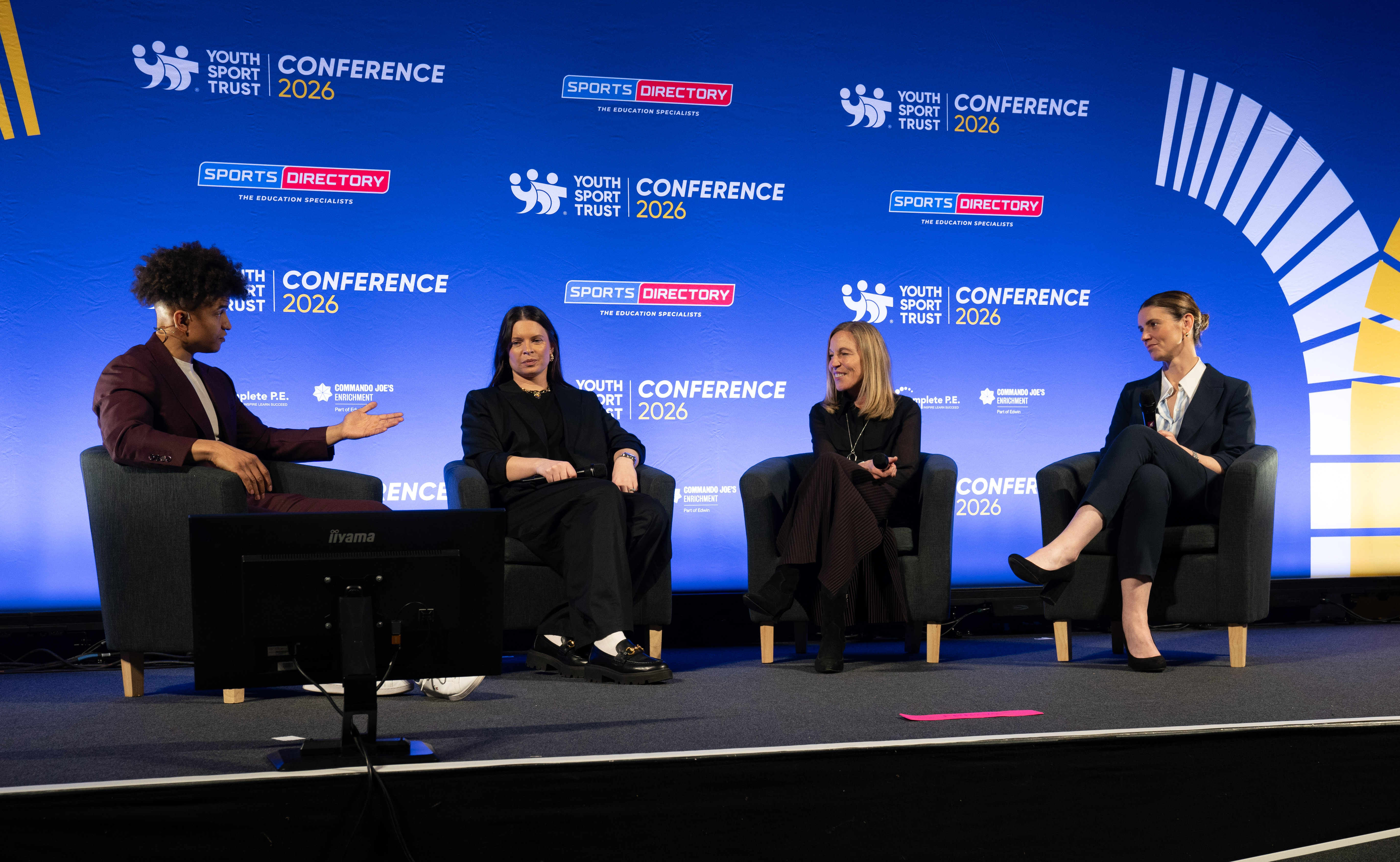
The Youth Sport Trust Conference 2026 brought together educators and partners from across the UK on 4th March 2026 at the Telford International Centre, Shropshire, for a key industry event exploring how physical education, sport and play can help young people be happy, healthy and thriving as we move into a new era for PE and School Sport.

During the event, School Standards Minister, Georgia Gould, addressed delegates via a recorded video message, announcing an extension of the Inclusion 2028 grant, reaffirming the Government’s commitment to improving access to inclusive sport and physical activity opportunities for young people across the country. 

The continuation of the Inclusion 2028 programme, led by Youth Sport Trust alongside a consortium of partners, will support more schools to embed inclusive practice through PE, sport and play.

An additional highlight of the event was the Youth Sport Trust Awards Dinner, held on the evening of 3rd March, hosted by TV presenter and Youth Sport Trust Early Years Champion, Radzi Chinyanganya. Schools, trusts and individuals were recognised for their commitment to creating positive change in the lives of young people through play, sport and physical activity. 

Red Roses legends Sarah Hunter and Abbie Ward and Managing Director of the recent Women’s Rugby World Cup, Sarah Massey, also joined the event for a fireside chat to reflect on their experience of the tournament, what it means for girls in the game, and the importance of school sport.

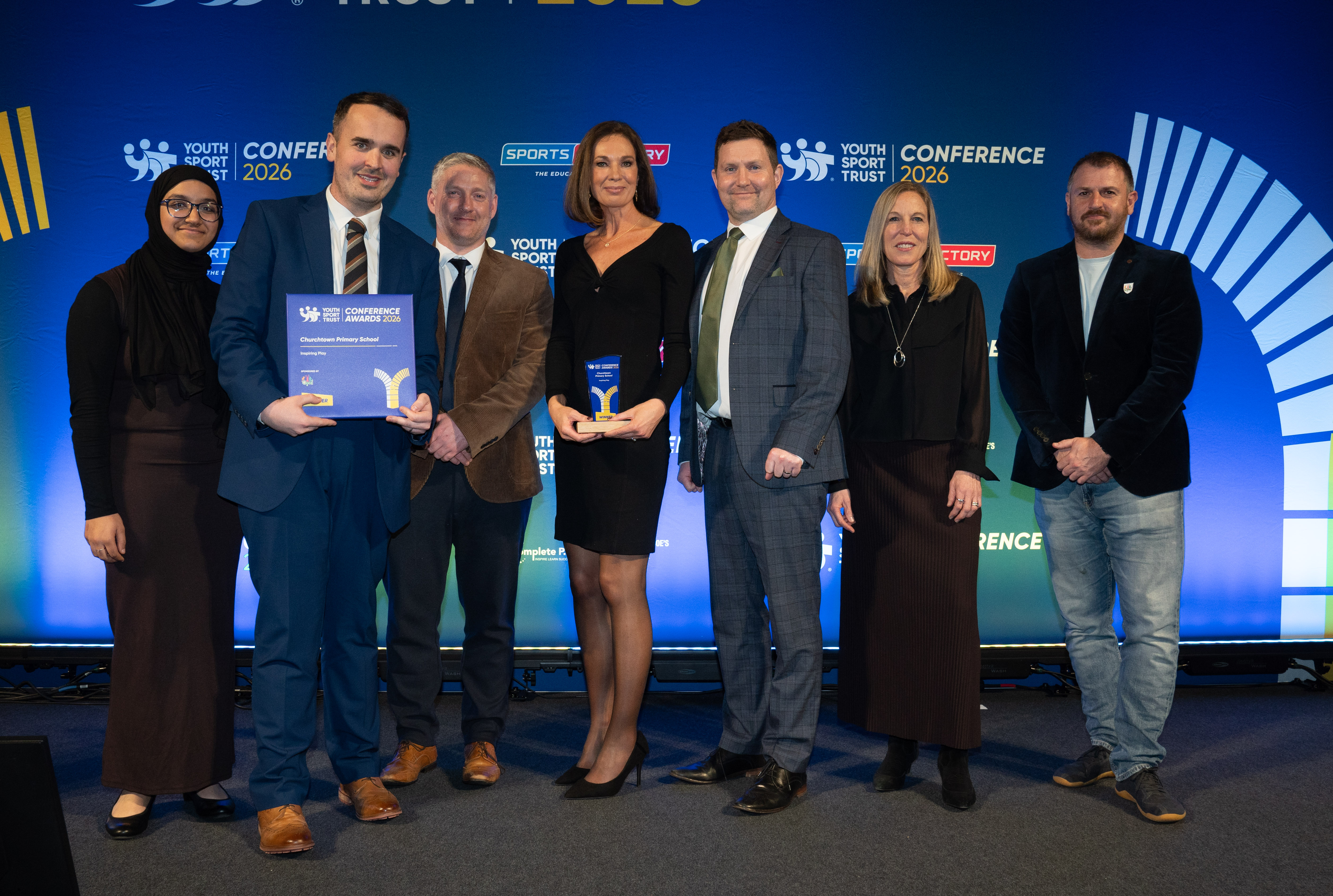
This year’s awards included a special accolade for Churchtown Primary School in Southport, Merseyside, which received recognition for an extraordinary community-led initiative centred around the healing and transformational power of play. 

Furthermore, pupils from Endeavour Learning Trust where also invited to open the event with a special performance, combining a powerful monologue with expressive dance, which honoured all of those impacted by the 2024 Southport attack.

Following the tragic loss of two much-loved pupils, Alice da Silva Aguiar and Bebe King, in July 2024, the school worked with pupils, families and the wider community to channel their collective grief into community action. 

Through a range of pupil-driven fundraising events, including danceathons, colour runs, and a multi-school relay, more than £380,000 was raised to fund an inclusive play space designed to honour the memory of Alice and Bebe and to provide future generations of children with opportunities for play and connection.

At the Conference, Churchtown’s work stood as a moving example of the way schools can harness the power of play to build stronger, more connected communities, even in the face of unimaginable adversity, and how sport and play can influence children’s emotional as well as physical wellbeing.

Ali Oliver MBE, Youth Sport Trust CEO, told That's Health: “Churchtown Primary School’s inspiring story brought to life the essential connection between a school and its community, and it illustrates so powerfully how shared responsibility for children’s physical social and emotional development can rebuild hope and light amidst sadness and pain. 

"It's also a wonderful example of therapeutic and restorative power of play with the school’s memorial playground providing a safe and happy place for children to enjoy being active, being together and being free. We are honoured to celebrate the efforts of the school and its local community as part of our 2026 conference awards.

“Additionally, we were incredibly pleased to hear through a conference message from the Minister of State, Georgia Gould MP, the Government has announcement the next years funding for the Department for Education Inclusion 2028 grant programme. Just days before the start of the Winter Paralympics, this reinforces a commitment to inclusive opportunities in PE and the call from the British Paralympic Association for ‘equal play’ for every child. 

"Together with our Inclusion 2028 consortium partners and Youth Sport Trust Lead Inclusion Network, we have seen the impact this programme has made since 2017, and this sustained investment helps educators transform curricular and extra-curricular opportunities so all children can experience the life-changing benefits of PE, sport and play.”

Conference keynote speakers included UK Chief Scout, Dwayne Fields and environmental activist, Rob Hopkins. Dwayne Fields explored resilience, trauma-informed practice and the life-changing role of early opportunities, while Rob Hopkins challenged attendees on the power of collective imagination to create the future we want to see for happier, healthier young people.

Elsewhere across the Conference, delegates took part in practical workshops and discussions designed to help schools translate wellbeing ambition into measurable action, building on the recent launch of the Well Check accreditation as part of the Youth Sport Trust Well Schools movement. 

Sessions focused on supporting educators to evidence and strengthen whole-school approaches aligned to the four pillars of the Well Schools framework - Well Culture, Lead Well, Move Well and Live Well - placing student and teacher wellbeing at the heart of school life and enabling schools to demonstrate sustained, holistic impact.

FACTFILE: Youth Sport Trust is the leading UK children’s charity for improving young people's health and wellbeing through sport and play. 

They empower young people and equip educators to build brighter futures through the power of physical activity. Founded in 1995, they work with around 20,000 schools and provides opportunities for over two million children every year. 

Their vision is to create a future where every child enjoys the life-changing benefits of play and sport.

Their Well Schools movement brings together schools who are prioritising wellbeing alongside academic achievement. Schools can demonstrate their commitment to a whole-school approach through the free-to-access Well Check.

To learn more visit them at https://www.youthsporttrust.org