Showing posts with label AML. Show all posts

Wednesday, 15 April 2026

AML World Awareness Day 2026: Why “Looking Up” Matters More Than Ever

On Tuesday 21 April 2026, communities across the globe will come together for AML World Awareness Day, a moment to pause, reflect, and stand beside those affected by acute myeloid leukaemia (AML). 

For many, AML is still not widely understood. Yet for patients and their families, it is life-changing, fast-moving, and deeply personal.

AML is a form of blood cancer that begins in the bone marrow, where blood cells are made. It often develops quickly and requires urgent medical attention. It is also the most common acute leukaemia in adults, with risk increasing as we age,making awareness all the more important.

This year’s global campaign, led by the Know AML initiative, carries a simple but powerful message: “Looking Up.”

It’s a phrase that holds real meaning. For patients and caregivers, it reflects the daily reality of facing uncertainty, treatment, and emotional strain.

But it also points to something equally important, hope. Hope driven by advances in medical science, improved treatments, and a growing network of support that no one should feel afraid to reach for.

At its heart, the campaign is about making sure people are not left navigating AML alone. It aims to:

Help people recognise early signs and understand diagnosis and treatment options

Offer practical and emotional support at every stage of the journey

Give a voice to patient experiences

Bring together a global community that cares

A key part of this year’s effort is an interactive online resource designed specifically for patients and caregivers. It offers clear, accessible information, real-life stories, and expert insights, all in one place. For many, simply having reliable information can make an overwhelming situation feel more manageable.

What stands out most about AML World Awareness Day is its emphasis on shared experience. Whether you are living with AML, supporting someone who is, or simply learning more, your role matters. Awareness leads to earlier diagnosis, better support, and stronger communities.

If you’d like to take part, consider sharing information, starting a conversation, or reflecting on your own experiences. Even small actions, a social post, a message of support, or reading up on the condition, help build understanding and compassion.

Because “Looking Up” isn’t just about optimism. It’s about connection, knowledge, and ensuring that no one facing AML feels invisible.

And that, in itself, is something worth standing behind.

https://lymphoblastic-hub.com

Wednesday, 25 February 2026

Dover mum’s fundraising helps launch major new childhood leukaemia research projects

A young Dover mum’s fundraising in memory of her 9-year-old son who died from leukaemia has helped leading cancer charities fund new research into the disease.

Josh Harber tragically died just two days after being diagnosed with acute myeloid leukaemia (AML) in 2019. 

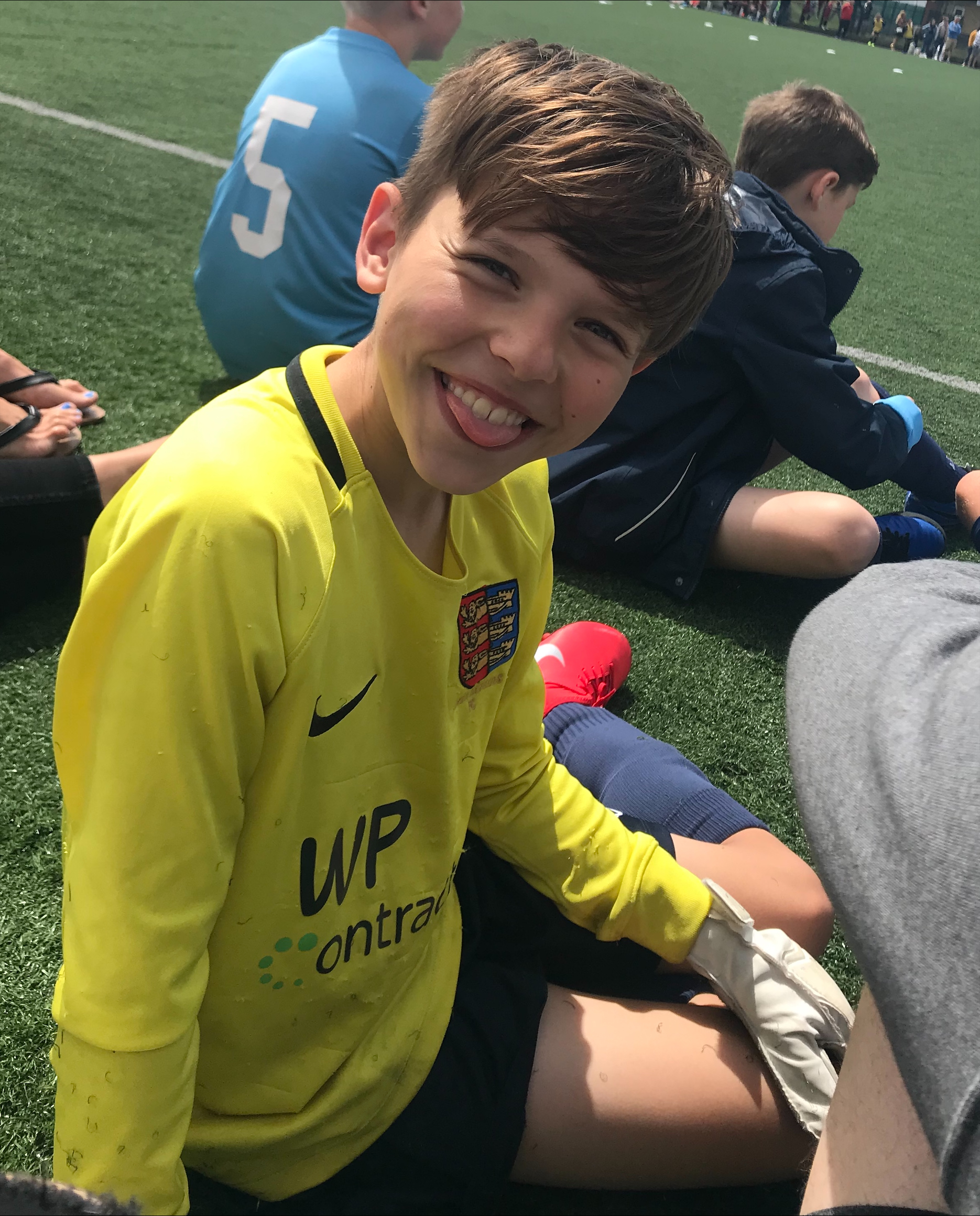
Shockingly, Josh had been an apparently healthy, active child only days before his diagnosis and loved playing football. 

Since losing their son, Josh’s family have raised over £30k for research through Josh’s Gold Star Fund, a Special Named Fund at CCLG: The Children & Young People’s Cancer Association.

Josh’s mum Danielle, told That' Health: “Josh was football-mad and lived and breathed the game, but what everyone remembers most is his smile – so constant that he was lovingly nicknamed ‘Smiler.’ He could light up a room just by walking into it.

“More than anything, he was an amazing son and brother, and he is missed beyond words.

“Josh’s experience with AML changed our family forever. The speed and severity of his illness opened our eyes to how vulnerable children with cancer are, and how desperately more research, funding, and support are needed. We chose to fundraise in Josh’s name to honour his life and to help create a future where other families don’t have to endure the same heartbreak.”

Now, alongside other CCLG Special Named Fund families, Danielle’s fundraising has contributed to a £600,000 research-funding collaboration between CCLG and Blood Cancer UK, launching two pioneering research projects.

The projects, based at the University of Edinburgh and the University of Glasgow, aim to tackle some of the biggest challenges in childhood blood cancer, developing safer and more effective treatments for babies with leukaemia and children with acute myeloid leukaemia (AML).

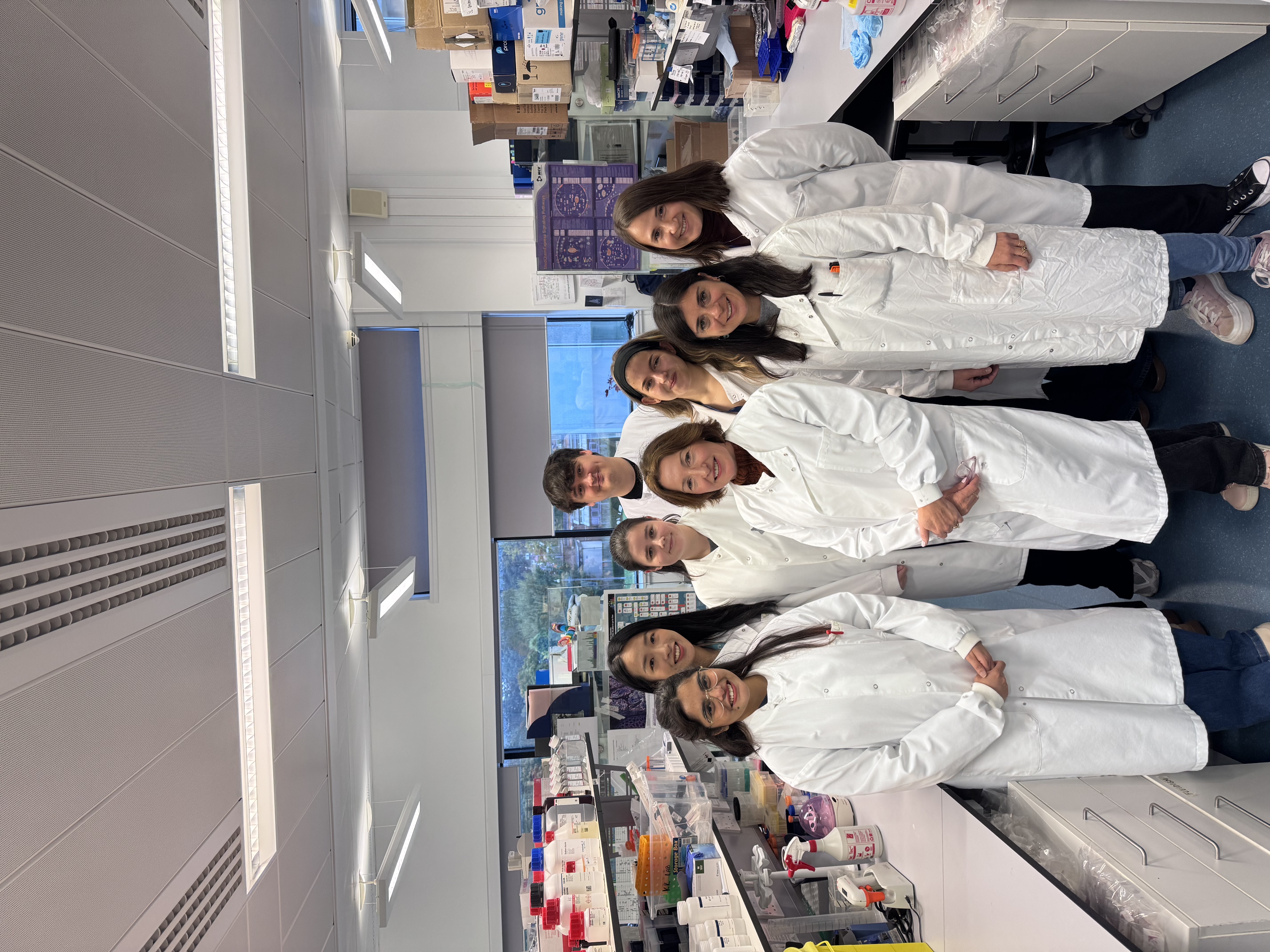
The joint funding from Blood Cancer UK and CCLG will allow Dr Karen Keeshan at the University of Glasgow, to lead a project focused on AML, an aggressive blood cancer affecting around 100 children and young people in the UK each year. Dr Keeshan’s research will investigate a protein found on the surface of AML cells that is linked to more aggressive disease and treatment resistance but is not present on healthy blood stem cells.

Dr Keeshan told us: “For many children with AML, current treatments are simply not good enough. This project is about taking a clear biological signal we see in aggressive disease and testing whether we can turn it into a more precise, less toxic way of treating children whose cancer doesn’t respond well to standard therapies.”

Meanwhile, Dr Samanta Mariani at the University of Edinburgh aims to better understand why leukaemia in babies under one year of age is so difficult to treat. This is rare but extremely aggressive, and sadly only around half of babies diagnosed before their first birthday are successfully treated.

Dr Mariani will study a type of immune cell called a macrophage, which recent adult studies suggest can be ‘reprogrammed’ by leukaemia cells to help the cancer survive and resist treatment. These so-called leukaemia-associated macrophages have never before been studied in babies with leukaemia.

Dr Mariani said: “Leukaemia in babies behaves very differently to the disease we see in older children and adults, but we still know surprisingly little about what’s driving it.

“By studying how immune cells interact with leukaemia in babies for the first time, we hope to uncover biological mechanisms that could be exploited to make existing treatments work better and reduce harm for these very young patients.”

Ashley Ball-Gamble, Chief Executive of CCLG, said: “These projects have only been made possible thanks to the determination and fundraising of families who know first-hand the devastation caused by childhood cancer. Our Special Named Funds are driving forward research that could change outcomes for children in the future.”

Dr Richard Francis, Deputy Director of Research at Blood Cancer UK, added: “Thanks to decades of research, survival from the most common form of childhood leukaemia has been transformed - from just one in ten children surviving in the 1960s to around nine in ten today. 

"But for babies and children with aggressive forms of the disease, those gains have not been shared equally. 

"Every child like Josh deserves the best possible chance of survival, and that’s why funding innovative research like this in Scotland is so vital. It’s only possible because of the determination of families and supporters who refuse to accept that current treatments are good enough.”

Josh’s mum Danielle told us: “For our family, funding these two research projects means that Josh’s story didn’t end with his passing. His fund is helping move research forward, and knowing that his name is attached to work that could one day save other children’s lives brings us comfort and purpose.

“Our hope is that these research projects lead to better, kinder treatments for children with AML and other childhood cancers - treatments that give families more time, more options, and better outcomes. If this research can spare even one family the pain we’ve experienced, it will mean everything.”

https://www.cclg.org.uk

Monday, 1 April 2024

Acute Myeloid Leukaemia (AML) World Awareness Day: Shedding Light on a Silent Threat

As the world turns its attention to health awareness, we observe a significant day in the medical calendar: Acute Myeloid Leukaemia (AML) World Awareness Day on 21st April. 

This day serves as a poignant reminder of the challenges posed by this often overlooked yet devastating disease.

In the United Kingdom, AML accounts for a significant portion of adult leukaemia cases. This aggressive form of blood cancer originates in the bone marrow, where rapid proliferation of abnormal myeloid cells occurs, crowding out healthy blood cells. The consequences are profound, affecting the body's ability to produce vital blood components, leading to life-threatening complications.

The journey of an AML patient is fraught with uncertainties and challenges. Symptoms may initially be vague and easily mistaken for common ailments, such as fatigue, fever, or bruising. However, as the disease progresses, these symptoms intensify, demanding urgent medical attention.

Early diagnosis is paramount in combating AML. However, this is often hindered by the subtlety of its symptoms and the lack of routine screening. Thus, raising awareness about AML becomes imperative, empowering individuals to recognise potential warning signs and seek timely medical intervention.

Moreover, on this Awareness Day, it is crucial to highlight the advancements in AML research and treatment. From conventional chemotherapy to innovative targeted therapies and stem cell transplantation, the landscape of AML management is evolving. Collaborative efforts between researchers, clinicians, and pharmaceutical companies have yielded promising results, offering hope to patients and their families.

Yet, amidst these strides, challenges persist. Access to optimal treatment remains unequal, with disparities existing across regions and demographics. Furthermore, the emotional toll of AML on patients and caregivers cannot be understated. Beyond physical symptoms, navigating the complexities of treatment, coping with uncertainty, and confronting mortality constitute formidable obstacles.

Therefore, beyond mere awareness, AML World Awareness Day serves as a call to action. It beckons policymakers, healthcare providers, and the public to unite in the fight against AML. Increased funding for research, enhanced healthcare infrastructure, and improved patient support systems are essential pillars in this endeavour.

As we commemorate AML World Awareness Day, let us honour the courage of those battling this relentless disease, remember those lost, and reaffirm our commitment to a future free from the shadows of AML. Together, through advocacy, education, and research, we can illuminate the path towards better outcomes and brighter tomorrows for all affected by Acute Myeloid Leukaemia.

To learn more please visit https://know-aml.com