Showing posts with label hearing. Show all posts

Sunday, 26 April 2026

Landmark military hearing loss claims judgment is a major win for UK Armed Forces veterans

A new High Court judgment is being welcomed as an important step forward for UK Armed Forces veterans living with hearing loss and tinnitus after service.

The case, Abbott and Others v Ministry of Defence [2026], looked at claims for noise-induced hearing loss (NIHL) brought by former members of His Majesty’s Armed Forces. 

For many veterans, this decision could be life-changing, as thousands of similar cases have been waiting for guidance from the courts.

Military life can expose service personnel to extreme levels of noise. Weapons fire, explosions, aircraft, armoured vehicles, engineering work and maintenance duties can all create long-term damage to hearing. 

While these risks are often accepted as part of service, the lasting impact can continue for decades after leaving the forces.

Hearing loss and tinnitus are often dismissed as minor problems, but for many veterans, they affect every part of daily life.

Something as simple as chatting with family at home, following a conversation in a busy pub, or hearing clearly in a restaurant can become frustrating, exhausting and, at times, impossible. Many veterans begin avoiding social situations altogether because they feel embarrassed, anxious or isolated.

Some also report knock-on effects reaching much further, including depression, loss of confidence, substance misuse and social withdrawal.

The High Court ruling recognised military hearing loss should not simply be assessed in the same way as industrial workplace hearing loss. The Court found the traditional CLB method, commonly used in factory and workplace claims, is not generally suitable for military cases.

Instead, the Court preferred a military-specific diagnostic approach known as rM-NIHL, which better reflects the unique noise exposure faced by service personnel.

The judgment also looked at how hearing loss should be measured, how military hearing tests should be treated, how tinnitus claims should be approached, and whether private hearing aid costs may be recoverable.

This clarity matters.

Veterans deserve fair assessment, proper support and recognition of the injuries they have sustained while serving their country. Hearing damage may not always be visible, but its effects can be deeply personal and long-lasting.

Alongside legal support, there is also growing recognition that recovery goes beyond compensation. The newly established Sentinel Foundation aims to support injured veterans with issues including PTSD, traumatic brain injury, addiction and homelessness, helping them access treatment and long-term rehabilitation.

Because for many veterans, the battle does not end when service does.

If someone has given years of their life in uniform, often at enormous personal cost, they deserve to know they will not be left to struggle alone.

Sometimes, being heard starts with recognising the silence hearing loss can create.

Sentinel Legal has welcomed the judgment. Sam Ward, Director of Sentinel Legal told That's Health: “Today’s judgment is a major moment for UK troops and veterans.

“For many former service personnel, hearing loss and tinnitus are not minor issues. They can affect conversations at home, family life, work, confidence and day to day independence."

“Sentinel Legal has spoken to hundreds of veterans who have described the devastating impact these injuries can have."

http://www.thesentinelfoundation.com

Wednesday, 15 April 2026

Keep Them Clear and Clean: Why Hearing Aid Care Matters More Than You Think

Whether you’re wearing standard NHS-issued devices or have invested in premium, bespoke hearing aids, one thing remains absolutely essential: regular cleaning and proper maintenance.

It’s easy to assume that once fitted, hearing aids will simply do their job day in, day out. 

In reality, these small but sophisticated devices sit in one of the most challenging environments in the body, your ears. 

That means they are constantly exposed to earwax, moisture, dust, and skin oils, all of which can impact performance over time.

Everyday Build-Up = Everyday Problems

Even a small amount of wax or debris can block microphones and receivers, leading to:

Reduced sound clarity

Intermittent or distorted audio

Whistling or feedback issues

Complete device failure in some cases

The frustrating part? These issues often develop gradually, so you may not immediately realise your hearing quality has declined.

Daily Care Makes a Big Difference

Looking after your hearing aids doesn’t require specialist training, just a bit of consistency.

Simple daily habits include:

Wiping devices with a soft, dry cloth

Using a small brush to remove wax from openings

Storing them in a clean, dry case overnight

Keeping them away from heat and moisture

If your devices use batteries, checking and replacing them regularly also helps avoid unnecessary disruptions.

Don’t Skip Professional Checks

No matter how diligent you are at home, routine visits to your audiologist are vital.

Audiologists can:

Perform deep cleaning that goes beyond at-home care

Replace worn components like filters or tubing

Reprogramme devices if your hearing changes

Spot early signs of faults before they become costly problems

If you’re using NHS hearing aids, these services are typically included as part of your ongoing care. For private users, regular servicing protects what can be a significant financial investment.

NHS or Private? The Same Rules Apply

It doesn’t matter whether your hearing aids were provided by the NHS or purchased privately, they all require the same level of care and attention.

Neglecting maintenance can shorten the lifespan of your devices and, more importantly, reduce your ability to hear clearly in everyday situations. That can impact everything from conversations with loved ones to confidence in social settings.

A Small Effort for a Big Reward

Hearing aids are life-enhancing tools, but only when they’re working at their best. A few minutes of care each day, combined with regular professional check-ups, ensures you continue to get the clarity and support you rely on.

If you’ve not had your hearing aids checked in a while, consider this your nudge. 

Also, seek out videos on YouTube that will take you through how to maintain and care for your own particular hearing aid models.

You can also buy very useful general hearing aid care kits on Amazon. You can buy them at this link here via our Amazon shop:- https://amzn.to/4tUpDnr

This video shows you the pros and cons of different types of hearing aid:-


And if you are unsure if you need hearing aids check out the British Society of Audiologists 
https://www.thebsa.org.uk

Sunday, 1 March 2026

World Hearing Day: Why Listening Matters More Than Ever

Every year on 3 March, World Hearing Day shines a spotlight on an issue many of us take for granted: our ability to hear. 

Led by the World Health Organization, the day aims to raise awareness about hearing loss, promote ear and hearing care, and encourage preventative action across all age groups.

In a world that rarely stops talking, true listening has never been more important.

The Scale of the Issue

Hearing loss is far more common than people might realise. It affects children, working-age adults and older people alike. Some cases are linked to ageing, others to noise exposure, infections, genetics, injury or untreated medical conditions.

In the UK, millions live with some degree of hearing loss. Yet many delay seeking help, often because the change happens gradually. Conversations become harder. Background noise feels overwhelming. Television volume creeps up. Social situations feel tiring rather than enjoyable.

Left unaddressed, hearing loss can impact:

Communication and relationships

Mental health and confidence

Work performance and career prospects

Cognitive health in later life

World Hearing Day reminds us that hearing care is not a luxury, it’s a core part of overall wellbeing.

Why Early Action Matters

One of the strongest messages behind World Hearing Day is prevention.

Many forms of hearing damage are avoidable. Simple steps can make a significant difference:

Lowering headphone volume and limiting listening time

Wearing ear protection in loud environments

Seeking prompt treatment for ear infections

Attending regular hearing checks, especially over 50

Early diagnosis allows for early intervention. Modern hearing aids are discreet, sophisticated and life-changing for many people. There is also increasing research linking untreated hearing loss with social isolation and cognitive decline, making early support even more important.

Breaking the Stigma

Despite advances in technology, stigma still surrounds hearing aids and hearing difficulties. Some people worry that wearing a hearing aid makes them “look old” or vulnerable.

World Hearing Day challenges that mindset.

Using glasses to correct vision is normal. Using technology to support hearing should be viewed in exactly the same way. 

Open conversations help dismantle embarrassment and encourage people to seek support sooner.

Protecting the Next Generation

Young people are increasingly exposed to high sound levels through music streaming, gaming headsets and live events. 

Personal audio devices, when used at unsafe volumes, can cause permanent damage.

Encouraging responsible listening habits from childhood onwards is vital. Schools, parents and workplaces all have a role to play in educating about safe sound levels.

Listening safely today protects quality of life tomorrow.

A Public Health Priority

World Hearing Day also highlights the need for accessible hearing care services. Globally, many people lack access to screening, treatment or affordable devices. 

Campaigns linked to this day encourage governments and healthcare systems to prioritise hearing health as part of universal health coverage.

Closer to home, it’s a reminder to make hearing tests as routine as eye tests, particularly as we age.

How You Can Support World Hearing Day

You don’t need to be a medical professional to take part. You can:

Book a hearing check for yourself or a loved one

Share awareness posts on social media

Talk openly about hearing challenges

Reduce your daily exposure to excessive noise

Sometimes the most powerful action is simply paying attention.

Listening Is Connection

Hearing is more than sound. It’s laughter across a dinner table. It’s birdsong on a spring morning. It’s music that stirs memories. It’s the voice of someone you love.

World Hearing Day is a reminder that protecting our hearing protects our connection to the world around us.

And that is something worth listening to.

https://www.who.int/campaigns/world-hearing-day/2026

Saturday, 7 February 2026

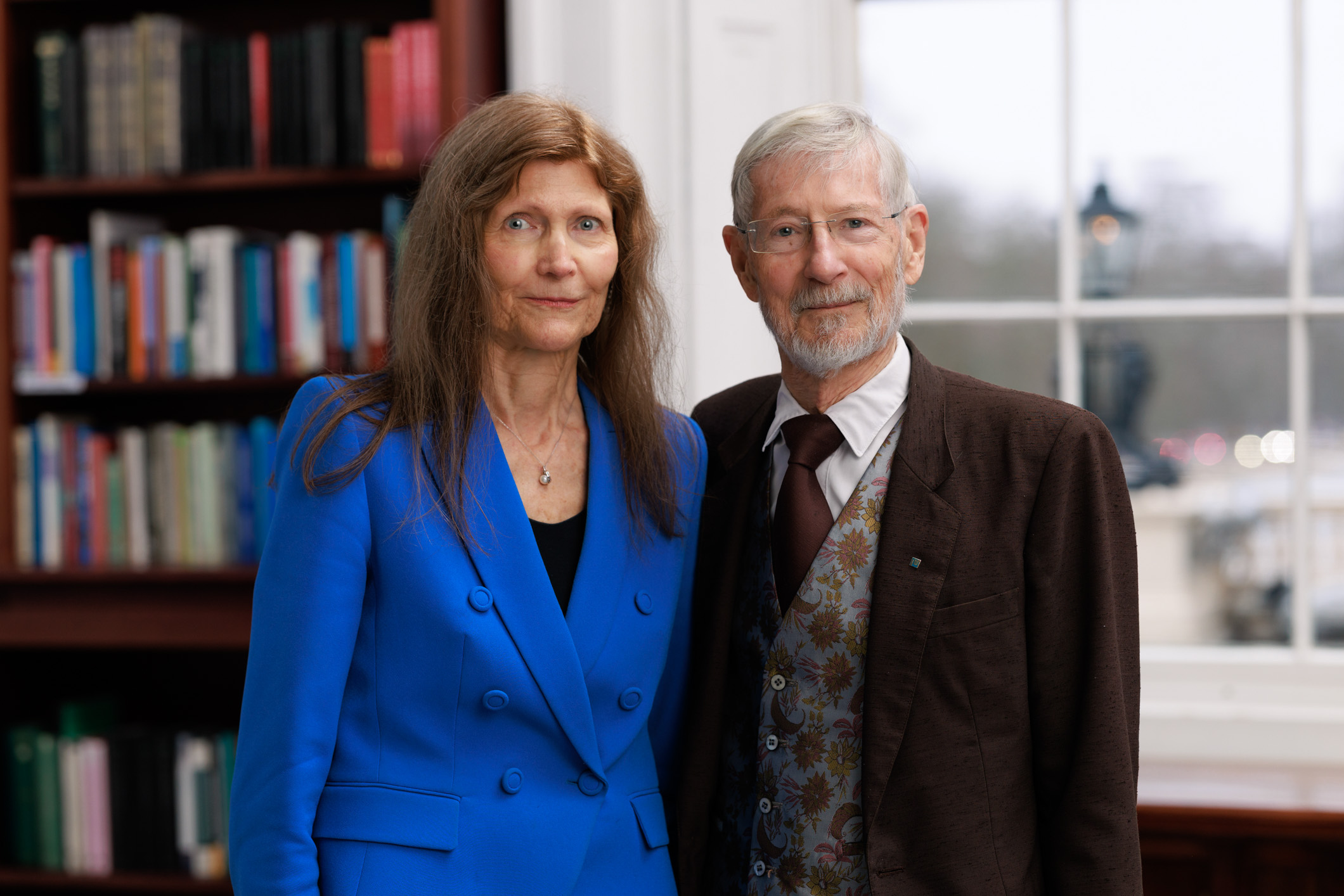
Cochlear Implant Pioneers and MED‑EL Founders Ingeborg and Erwin Hochmair Honoured with 2026 Queen Elizabeth Prize for Engineering

MED‑EL celebrates a historic milestone: its founders, Ingeborg and Erwin Hochmair, have been named, together with other outstanding personalities, as Laureates of the 2026 Queen Elizabeth Prize for Engineering—one of the world’s most prestigious honours for life‑changing technological innovation.

The 2026 Queen Elizabeth Prize for Engineering recognises the design and development of modern neural interfaces—technologies that restore lost human functions—and the visionary engineers behind them.

Ingeborg and Erwin Hochmair are honoured alongside Graeme Clark and Blake Wilson for their groundbreaking contributions to cochlear implants, a technology that converts sound into electrical signals to directly stimulate the auditory nerve, restoring hearing to hundreds of thousands of people worldwide over the past four decades.

Pioneering Cochlear Implants That Changed Hearing Care Forever

Beginning in 1975 at the Technical University of Vienna, Austria, Ingeborg and Erwin Hochmair launched pioneering cochlear implant research that led to the world’s first microelectronic cochlear implant in 1977, marking a turning point in hearing technology.

Their work drove critical advances in signal processing, implant miniaturisation, and long‑term biocompatibility, laying the foundation for today’s advanced cochlear implants.

By uniting rigorous engineering with deep clinical insight, the Hochmairs not only transformed hearing care but also paved the way for the founding of MED‑EL. Their vision continues to shape the company’s mission to deliver lifelong hearing solutions for people of all ages.

With recent advancements such as TICI (Totally Implantable Cochlear Implant), MED‑EL continues to advance neural interface engineering, delivering even more personalised and lifelike hearing experiences.

Engineering Guided by Compassion and Scientific Integrity

“This honour recognises not only a technological achievement, but a belief we have held from the very beginning—that engineering, guided by compassion and scientific integrity, can fundamentally change lives,” Ingeborg Hochmair, Co‑founder and CEO of MED‑EL told That's Health.

“Cochlear implants were once considered impossible by many. Today, they demonstrate what can be achieved when engineers, clinicians, and users work together with a shared purpose.”

Erwin Hochmair, Co‑founder of MED‑EL, adds: “From the earliest experiments, our goal was to create a neural interface that could work in harmony with the human auditory system over a lifetime. This recognition by the Queen Elizabeth Prize for Engineering affirms the importance of long‑term thinking, scientific persistence, and engineering solutions that truly serve people.”

Together with Ingeborg and Erwin Hochmair, the 2026 Queen Elizabeth Prize for Engineering (QEPrize) has been awarded to Graeme Clark, Blake Wilson, John Donoghue, Alim Louis Benabid, Pierre Pollak, Jocelyne Bloch, and Grégoire Courtine for the design and development of modern neural interfaces that restore human function.

The Laureates will share the £500,000 prize and collectively represent a new era in neuroengineering and neuroprosthetics, alongside parallel breakthroughs in brain‑computer interfaces, deep brain stimulation, and electronic spinal stimulation. Together, these innovations demonstrate the extraordinary potential of engineering to restore lost functions, independence, and dignity.

On Tuesday, 3 February, the 2026 Laureates were formally announced by Lord Vallance, Chair of the Queen Elizabeth Prize for Engineering Foundation, at the Science Museum in London.

Shaping the Future of Hearing Technology

For MED‑EL, this award is also a tribute to all hearing implant users worldwide whose experiences continue to inspire innovation, as well as the global community of engineers, researchers, clinicians, and partners advancing hearing technology.

“This recognition strengthens our resolve to keep pushing boundaries,” Ingeborg Hochmair states. “Our mission has always been to overcome hearing loss as a barrier to communication and quality of life. At MED‑EL, we will continue to invest in research, accessibility, and technologies that help people participate fully in life, wherever they are.”

Awarded annually, the Queen Elizabeth Prize for Engineering (QEPrize) champions bold, groundbreaking engineering innovation of global benefit to humanity. The prize celebrates engineering visionaries, inspiring young minds to consider engineering as a career and helping to solve the challenges of the future.

The Queen Elizabeth Prize for Engineering is open to:

Up to ten living individuals

Of any nationality

Who are personally responsible for a groundbreaking innovation in engineering of global benefit to humanity

Self‑nomination is not permitted.

The judges use the following criteria to select the winner or winners:

What groundbreaking innovation in engineering has been achieved?

In what way has this innovation been of global benefit to humanity?

Are there other individuals who may have played a pivotal role in this development?

To find out more about this year’s winning innovation, visit: www.qeprize.org/winners

MED‑EL Medical Electronics, a leader in implantable hearing solutions, is driven by a mission to overcome hearing loss as a barrier to communication and quality of life. The Austrian‑based, privately owned company was co‑founded by industry pioneers Ingeborg and Erwin Hochmair, whose groundbreaking research led to the development of the world’s first micro‑electronic multi‑channel cochlear implant, successfully implanted in 1977 and forming the basis of the modern cochlear implant.

This innovation laid the foundation for the company’s growth in 1990, when MED‑EL hired its first employees. Today, MED‑EL employs more than 3,100 people from around 90 nations across 30 locations worldwide.

MED‑EL offers the widest range of implantable and non‑implantable solutions to treat all types of hearing loss, enabling people in 140 countries to experience the gift of hearing. Its portfolio includes cochlear and middle ear implant systems, combined electric acoustic stimulation hearing implant systems, auditory brainstem implants, and surgical and non‑surgical bone conduction devices.

Website: www.medel.com/en-gb/

Wednesday, 17 September 2025

What to Do If You Think You Have Hearing Loss (or If Your Spouse Thinks You Do)

Hearing loss often creeps up gradually, which means you may not notice the changes right away. 

In fact, it’s often a partner, family member, or friend who first points out that you’re missing parts of conversations or turning up the TV a little too high.

 If you’ve started to wonder whether your hearing isn’t what it used to be—or your spouse has gently suggested the same—here’s what to do next.

Recognise the Signs

Common early signs of hearing loss include:

Struggling to follow conversations in busy places

Asking people to repeat themselves often

Feeling that others are mumbling

Turning the TV or radio up louder than those around you prefer

Finding phone calls more difficult to follow than before

If these sound familiar, it’s worth taking them seriously.

Talk About It Openly

If your spouse or family member has raised concerns, it can feel frustrating or even embarrassing. But remember, their perspective is valuable—they may be noticing things you don’t. 

Have an honest conversation without defensiveness. Hearing difficulties don’t just affect you; they affect those around you too.

Get a Hearing Check

The simplest way forward is to have your hearing tested. In the UK, you can:

See your GP – they may refer you for a hearing test with the NHS.

Book directly with an audiologist – many high street opticians and hearing centres offer free hearing checks.

Use online screening tools – these can give a rough indication, but they’re not a substitute for a professional test.

Don’t Delay

Hearing loss isn’t just about missing a few words. Left untreated, it can affect relationships, social confidence, and even mental health. 

The sooner you take action, the better your quality of life will be. Modern hearing aids are discreet, comfortable, and far more advanced than many people imagine.

Support Each Other

If it’s your spouse who’s struggling with hearing, patience and encouragement go a long way. Avoid nagging or shouting—stay calm, listen to their concerns, and offer to go with them to an appointment. Tackling the issue together can make the process less daunting.

The Bottom Line

Hearing changes are a natural part of life for many of us. Ignoring the signs won’t make them go away, but taking the first step towards a hearing test can open the door to clearer conversations and better connections.

If you think your hearing—or your partner’s—has declined, make that appointment today. It could transform not just your hearing, but your everyday life.

I have to admit that it took me a while to acknowledge that I was suffering from a mild hearing loss. The result of several years working as a technician in a foundry when I was very young. Even though I always wore hearing protectors.

Wednesday, 14 February 2024

Suicidal thoughts experienced by one in five tinnitus sufferers as new report from Tinnitus UK reveals lack of mental health support for the condition

Tinnitus has significant effects on medical health and wellbeing, resulting in emotional exhaustion, clinical anxiety, clinical depression, & insomnia.

Tinnitus UK, a leading independent charity dedicated to supporting individuals who are coping with tinnitus in the UK has unveiled groundbreaking research which underscores the critical need for enhanced healthcare support and services for those affected by this pervasive condition.

Startling statistics reveal the harsh reality of the tinnitus landscape, impacting 1 in 7 adults in the UK and severely diminishing the quality of life for 1 in 6 of those individuals.

In December 2023, Tinnitus UK conducted a study involving 478 people who are afflicted by tinnitus to delve into their experiences and the challenges they encounter in accessing healthcare support for the condition.

The findings are distressing:

Over one in five respondents experienced thoughts of suicide or self-harm in the last year.


In excess of 8 out of 10 reported low mood or anxiety, with 7 out of 10 feeling hopeless or helpless.

85.7% reported sleep disturbances.

The emotional toll is significant, with 68.4% reporting low self-esteem and 54.9% struggling to think rationally.

Tinnitus is also linked to social isolation, impacting relationships and daily life, with two-thirds of respondents avoiding contact with friends, minimising social activities, or facing difficulties at work.

Despite National Institute for Health and Care Excellence (NICE) guidelines introduced in March 2020, substantial challenges still persist in healthcare support for tinnitus sufferers.

Half of respondents secured GP appointments within a week, but 16% had to wait for over a month.

Referrals to secondary care decreased to 57.9%, with 11.7% not even offered a referral.

Waiting times for secondary care appointments have increased, with the number of people waiting over a year tripling from 2019 to 2023, to 1 in 6 facing waits of in excess of 12 months.

Limited mental health support is available, with a shockingly low 5% offered Psychological Interventions such as Cognitive Behavioural Therapy (CBT).

In response to these alarming findings, Tinnitus UK is calling for immediate action to be taken:

An evaluation of secondary care services and increased investment from commissioning bodies where necessary.

Implementation of a standardised national management model for tinnitus.

Increased tinnitus education for medical professionals.

Commenting on the urgent need for action, Tinnitus UK’s Head of Services, Maisie Carscadden, said: “There's been a noticeable increase in people reaching out to us who require support for the mental health struggles tinnitus has triggered. 

"Their situation is often complex, and people are facing barriers accessing the services they need. We provide guidance, reassurance, and support to help them cope, but a significant number of these people require specialised care from health professionals.

"Unfortunately, the necessary resources are often lacking. Of course, we're dedicated to doing our part, but there needs to be collective efforts to bridge this gap and ensure everyone gets the care they need and that they deservedeserve.”

James Jackson, Reader in Psychology at Leeds Trinity University, added: “While most people will eventually habituate to their tinnitus, it can be very distressing in the short-to-medium term, if not longer. 

"It has significant effects on medical health and wellbeing, resulting in emotional exhaustion, clinical anxiety, clinical depression, and insomnia. It's really vital people have access to timely interventions to ensure the impact on their quality of life is minimised.”

To learn more about Tinnitus UK you can visit http://www.tinnitus.org.uk

As a personal note, I suffer from Tinnitus and it can be an extremely distressing condition.  

Thursday, 19 October 2023

Oticon is First to Embrace the Revolutionary Audible Contrast Threshold (ACT™) Diagnostic Test to Take on the Number One Challenge with Hearing Loss

The combination of the new Audible Contrast Threshold diagnostic test, the Oticon Genie 2 fitting software, and Oticon hearing aids is the first hearing care solution to look beyond the audiogram and support hearing care professionals to provide a genuinely personalised prescription for hearing in noise, leading to better care and improved outcomes for hearing aid users.

Oticon is pleased to announce it will be the first hearing aid company to incorporate the new Audible Contrast Threshold (ACT™) diagnostic test, invented by Interacoustics Research Unit (IRU), into its Oticon Genie 2 fitting software. The move affirms Oticon’s commitment to supporting hearing care professionals to conduct more personalised and effective hearing aid fittings and ensuring better outcomes for hearing aid users.

The problem:

ACT has been developed to address the number one challenge with hearing loss experienced by 1 in 5 of the world’s population: Difficulty hearing speech in background noise. Going beyond the traditional audiogram, the ACT diagnostic test is a significant opportunity for the field of audiology. It will objectively quantify hearing in noise ability for people with or without hearing loss. ACT is a simple, evidence-based method to diagnose hearing in noise difficulties, a well-known challenge for hearing care professionals globally.

The solution:

Thanks to the introduction of ACT, hearing care professionals will have additional diagnostic information to provide a more personalised solution quickly and easily for specific hearing loss and to optimally fit a hearing aid the first time. Through diagnostic integration, the Oticon Genie 2 fitting software will automatically and immediately calculate the optimal amount of help a client needs in noise. 

Based on the language-independent ACT test which takes an average of 2 minutes to conduct, the software auto-generates personalised help-in-noise settings, providing the correct dose of ‘contrast’ to better separate speech from noise, based on a person’s ACT value. The prescription enables hearing care professionals to fully deploy the advanced capabilities of Oticon hearing aids (Oticon Real and onwards) in the most effective way. The integration is expected to be available in the next release of the Genie 2 fitting software in 2024.

Thomas Behrens, Vice President of Audiology, Oticon comments: “At Oticon, we have dedicated decades of research into BrainHearing™, and have demonstrated the considerable effort for hearing aid users to understand speech in complex noise environments. Hearing aids should support a user to tackle this important challenge optimally and with an ACT assessment, hearing care professionals can ensure our advanced hearing aids do that to the best of their ability. Embracing the new ACT diagnostic test, we are challenging the conventions to explore a new way of working with hearing care and improve the benefit of hearing aids for our users from the first fit. ACT redefines how we can compensate for hearing loss, and we are proud to be the first company to make the introduction and make strong contributions to making it a new industry standard.”

Oticon is renowned for its research into hearing aid technology that can support hearing aid users to thrive in complex listening environments. For the 7 years that ACT has been under development, Oticon has been supporting this research initiative, as well as taken the lead in developing an evidence-based prescription of Oticon hearing aids using ACT values. For the past 2 years, Oticon has worked alongside the IRU team and the Eriksholm Research Centre, also under the Demant umbrella, to clinically trial ACT, heading up the biggest clinical study Oticon has ever conducted, spanning several countries around the world. For more details on the trial, visit: https://www.oticon.global/act

EDITOR: As someone who suffers with difficulty with hearing speech in background noise, I'm really pleased to be able to share this wonderful news!

Sunday, 4 December 2011

35 million people cannot hear what's being said on TV

Can't clearly hear what's said on TV? Join the club. Because you and 35 million people are in the same boat, and cannot hear what's being said on TV.

The first study into speech intelligibility on TV has revealed that 71% of UK adults cannot always hear clearly what is being said. The research comprised two studies jointly planned and run in tandem. The first was co-funded by Danish hearing aid manufacturer Widex and Channel 4, and the second was undertaken by the BBC.

8,000 members of the BBC Pulse adult online panel, and 508 non-internet users aged over 65s took part in the study.

The Widex/C4 Study was the brainchild of a trio of retired BBC executives and research specialists. It was conducted to test the hypothesis – based on anecdotal evidence and complaints to the pressure group Voice of the Listener & Viewer - that intrusive background music was obscuring the speech of actors and presenters to the extent that it was impairing intelligibility and understanding.

In the study, 70% of the online adults surveyed recorded problems (59% occasionally, 11% always or often) hearing what was being said. For the over 65s age group this percentage rose to 76% (occasionally 59%, always/often 17%). “This is a worryingly large number of people whose enjoyment of TV programmes is being diminished by not being able to properly hear what is being said,” commented Widex hearing health expert Gary Holland.

However, the biggest surprise revealed by the Widex/C4 Study was that the issue of poor speech intelligibility had much more to do with technical issues during a programmes recording than with the subsequent overlaying of a soundtrack. Detailed analysis of 22 programmes identified as causing difficulties revealed that the majority of audibility problems resulted from the method by which speech is recorded. Adding background music made the audibility worse.

The BBC is so concerned at the findings that it has launched an industry-wide training initiative through the BBC Academy. A series of training modules based on the findings are being made available to the whole broadcasting industry. They will also be used in college courses including the National Film and TV School.

The Widex hearing health expert Gary Holland added: “Being able to hear clearly what people say is a pre-requisite of enjoying and sustaining social interaction. This includes being able to hear the spoken word on TV. Broadcasters and programme makers have got to get their act together to resolve a significant problem. The BBC should be congratulated for the speed with which it has taken on board the findings and the initiative it has launched.”

The full report is available from WidexUK

FACTFILE:

62% of over 65s from the Widex/Channel 4 survey describe the use of background music as reducing their enjoyment of a programme.

Of those over 65s with poor or very poor hearing 99% have difficulties hearing speech clearly on TV even though 61% use hearing aids.

Widex hearing health expert Gary Holland: “Speech intelligibility is one of the Widex keystones. The company strives to improve speech understanding for hearing aid wearers – investing heavily in technology that delivers just that through its hearing aids. But the effectiveness of that technology is seriously compromised if broadcasters are not transmitting speech at the appropriate sound levels. That’s why this project was so important.”
As many as 1 programme in 5 watched by those with poor/very poor hearing presented them with spoken word problems.

Acknowledgements:

The research was supported by Voice of the Listener & Viewer and undertaken with the support and assistance of the BBC and RNID (now called Action on Hearing Loss).

The project was initiated and directed by former BBC executives Dick Bates, Peter Menneer and David Walker.

The research company was GfK NOP.

Louise Willcox MIBS (Partner DWR Associates) also volunteered her services for the audio analysis of the programmes.

The over 65s diary-based study was funded by Danish hearing aid manufacturer Widex, Channel 4 and a private donor.

Monday, 25 July 2011

Tinnitus Myths: Sorting out the fact from the fiction

An expert debunks some myths about tinnitus: a condition which adversely affects the daily lives of 300,000 people in the UK.

Tinnitus – noise heard in the ears or the head - is far more common than most people think. During the 1950s a series of experiments put 80 people with normal hearing in a soundproofed room for five minutes; 94 per cent experienced hearing sounds such as humming, buzzing or ringing, although none had previously complained of tinnitus.

Over 60 years later and scientists are still struggling to understand this frustrating condition. No win no fee solicitors Claims Direct can help people who suffer tinnitus as a result of working conditions make a personal injury claim and receive the compensation they need and deserve.

Claims Direct can also help people with rehabilitation and put them in touch with support groups. But in terms of researching tinnitus, it is excellent organisations such as Deafness Research UK which are leading the fight to find out more about treating tinnitus.

Andrew Goodwin, an Outreach Advisor for Deafness Research, offers advice to people who want to know more about their hearing loss and assists people to find out what help exists. He is well aware of the myths surrounding tinnitus – myths which can hinder sufferers’ attempt to get better.

Myth 1: Only old people suffer from tinnitus

Andrew Goodwin: This perception is entirely wrong. You can suffer tinnitus at any age. There is no evidence that certain types of people get it more than any others. Tinnitus seems unrelated to age, gender or race.

Myth 2: If I get tinnitus I will realise it straight away

AG: Frustratingly, there are so many people out there who have Tinnitus and are not aware they have a recognised condition. People will have ringing in their ears and feel that they are the only one who has it as it is so rarely talked about in the media.

Myth 3: I don’t listen to loud music and don’t have a noisy job so I won’t get tinnitus

AG: It is true that one type of tinnitus is caused by exposure to loud noise over time, so occupations such as steelworker or anyone in the nightclub industry is at risk. However, another type of tinnitus seems to be activated by stress, so any stressful job, such as stockbroker, lawyer or teacher, could be a factor in causing tinnitus. At the moment, not enough is known about tinnitus to be able to say with absolute certainty what the causes are. What we do know for certain is that stress and noise are two key factors. The strong link between tinnitus and stress means that most treatments will start with relaxation treatments.

Myth 4: The papers say there is a cure so there is no need to worry

AG: There are NO cures for Tinnitus at the moment. You may have read of pills containing Ginkgo Biloba supposedly being a cure. We have funded research into this and have found, through double-blind testing, (where both the dispensers and the testers don’t know if they have received the Ginkgo Biloba or a placebo) that it has no discernible effect on the tinnitus.

Myth 5: I’ll cut out caffeine and the problem will be sorted!

AG: It used to be thought that reducing the caffeine in your diet would help, but again, proper research has proven that to be false. In fact, if you were to cut out caffeine too drastically, the caffeine withdrawal would make the tinnitus worse! Likewise, other research that has been completed recently has proved that changing your diet will have little impact on the tinnitus.

Myth 6: It is best to just do nothing about the tinnitus as it will probably just go away of its own accord

AG: The vast majority of people leave it and never even talk about it with friends or relations. It is only if it becomes a serious issue, affecting sleep patterns and the ability to communicate, do people then seek help from their doctor. In most cases, tinnitus seems to go away or is sporadic. However, in the cases where people seek help, it rarely goes away; it just becomes more manageable. However, as with any other medical condition, the sooner you seek help the better. We do hear of distressing cases where people have committed suicide because they were unaware of the help that is available.

Myth 7: If you have tinnitus, there is little hope of easing the symptoms

AG: There definitely are a few treatments that can have a positive effect, one is Tinnitus Retraining Therapy. In this instance, a box will be tuned with the sound of the patient’s specific tinnitus and it will be played to them for between five and ten minutes each day. The idea behind this is that the tinnitus excites the fight or flee response in us as it is a sound we cannot identify, so our brain doesn’t know if it is a threat or not. So, by playing this sound on a regular basis, the brain gets used to it and identifies it as an external source, becomes less threatened by it and so pays less attention to it. The tinnitus never goes away but it becomes far more manageable.

‘You’re not alone’

Andrew is keen to reassure tinnitus sufferers that there are positive steps they can take to cope with tinnitus.

He said: “Things have improved enormously over the last few years, thanks mainly to the huge amount of research that Deafness Research UK has funded. Nowadays, most GP’s will know that Tinnitus is not fictional and is a very real, very distressing condition. This is also reassuring as, if you start suffering symptoms associated with tinnitus, you should always visit a GP first. If needed, they can refer to you a Tinnitus Specialist for help.

The most important thing to realise is that there IS help out there. Download our factsheet to find out more, but there are lots of treatments that can help manage the condition. Remember most of all, you are not alone. There are Tinnitus Support groups up and down the country at which you can find out how different people have found ways of coping.”

Author: James Christie
Claims Direct - Advice on tinnitus and accident at work claims.
www.claimsdirect.co.uk

Claims Direct can also help people  with rehabilitation and put them in touch with support groups. But  in terms of researching tinnitus, it is excellent organisations such as Deafness Research UK which are leading the fight to find   out more about treating tinnitus.

Tuesday, 31 May 2011

Can poor hearing hurt a relationship?

Couples with good hearing are happier according to recent research, supporting the age-old notion that listening is the secret to a successful relationship.

In a Boots hearingcare study of 5,032 British adults who have been treated for hearing loss, one in five say they understand their partner better as a result, 18% claim they talk with their partner more often and 9% feel they argue less. Overall, more than a third (36%) believe that addressing their hearing loss has significantly improved their relationship with their partner – findings that have implications for millions of couples across the UK, particularly as research shows people with hearing loss wait 10 to 15 years on average before taking action.

It’s not just the relationship with the partner that appears to benefit from better hearing, with 36% claiming to be more sociable, almost a third (29%) more confident and 21% more talkative. While 89% say they were aware of their hearing loss, 43% did not realise the impact it was having on their loved ones. For almost half (43%) it was their partner that actually persuaded them to take action and 63% wish they had taken action earlier.

The research findings are released to launch Boots’ ‘Great Big Hearing Test’ campaign, which aims to make hearing tests more accessible, encouraging earlier diagnosis and treatment. The campaign will see Boots hearingcare making FREE, quick and easy to complete hearing tests available online - www.greatbighearingtest.com - and in its high-street stores, as well as providing support and advice to partners, families and friends of people with hearing loss.

Professor Adrian Davis OBE, from the Hearing and Communication Group at the Royal Free Hampstead NHS Trust, says: “I welcome this research as it shows the everyday benefits of hearing healthcare. Around the country there are the familiar cries of “I’m sure you HAVE got selective hearing” or “I have to repeat everything at least three times before you take any notice! ” which reverberate around households.

“Many people don’t realise that very often a hearing issue is at the root of these cries for help! People with hearing problems often become isolated and relationships end up in silence, because they adapt to hearing loss over time and don’t realise the impact it is having. This research demonstrates the positive impact of addressing hearing difficulties, how a simple check can be the first step to better hearing and communication with loved ones and an improvement in quality of family relationships.”

Hearing loss is increasing in prevalence, currently affecting nine million people in the UK including 42% of people over the age of 50 and 71% of people over 70. People often put up with hearing loss for many years before seeking treatment and statistics show that as many as two thirds of people with hearing loss have not taken action to address it. This means approximately six million people could stand to improve the relationship with their partner.

Boots hearingcare audiologist and customer care manager Karen Shepherd says: “We want to encourage people to recognise hearing loss at an earlier stage and not just ‘put up with’ hearing difficulties. Not only will this help avoid some of the problems associated with untreated hearing loss, including social withdrawal, it will also enable a more positive outcome as the longer you put off action, the harder it is to adjust.

“In some respects, it’s a case of use it or lose – the less out of practice your hearing nerves are, the easier it is to tune them back in to the hugely complicated signals we process without realising."

It’s not just relationships with partners that better hearing can improve – 30% now enjoy a better relationship with their children and 27% have experienced an improvement in their relationship with their grandchildren and wider circle of friends. In addition, 60% of those below 56 years of age have noticed an improvement in their relationship with their work colleagues, while 44% of this group found that better hearing has improved their performance at work.

The ‘Great Big Hearing Test’ campaign from Boots will:

• Make hearing checks more accessible than ever before, including the launch of an online hearing test (that takes 3 minutes to complete) and the availability of FREE hearing checks (that take 15 minutes to complete) on the high street via over 300 Boots stores
• Engage family members and partners of people with hearing loss to help them address the issue in a positive way
• Communicate the positive impact of better hearing through an education and awareness campaign
• See Boots staff being trained to recognise the signs of hearing loss so they can provide advice and, in some stores, hearing checks using hand-held devices
• Involve Boots working with healthcare professionals to ensure they are up-to-date with the latest information about hearing loss treatment

Nine out of ten people admit they used excuses because of their hearing difficulties before they took action to address it – 55% have told people they were talking too quietly, half have blamed distracting background noise and 38% have accused people of mumbling. In addition, 39% admit they used to bluff their way through conversations.

Relationship psychologist Dr Glenn Wilson says: “Our ability to communicate is central to our happiness and never more so than with our partner and loved ones. New research even suggested that good conversation and quality relationships can have a bigger impact on health than exercise and diet. Difficulties with communication can cause conflict in relationships, but also leave sufferers feeling isolated and withdrawn. This study reiterates the positive impact of regular communication within couples and the importance of people feeling their partner is listening.”

Visit www.greatbighearingtest.com for more information.

(EDITOR: I think this is something I'll have to address in my own life!)

Thursday, 14 April 2011

Study shows 6 million people in Britain have problems with hearing

A new study of 15,000 people in the UK shows that 6 million of us suffer from some form of hearing loss. And 3.4 million don't use a hearing aid - but could benefit greatly from doing so. Untreated hearing impairment can have serious consequences including isolation, withdrawal, problems at work, depression and low self-esteem.

The study - Eurotrak UK - is the most comprehensive survey undertaken in this field. People answered questions not only about their personal hearing, but also about their attitudes to and knowledge about hearing aids.

It also found the UK has the lowest rate of hearing tests in Europe. The message from this must be to get your hearing tested – and these days you can do this over the phone, online and even via an App – says The British Hearing Aid Manufacturers Association (BHAMA) publishers of the report. Other key findings include:-

- UK has the lowest hearing test rate (31% UK, 47% France, 55% Germany)
- 39% of people who consult their doctor about their hearing do not go any further to seek a solution
- 93% of hearing aid owners use them regularly
- 77% (82% of those with recent models supplied since 2007) of hearing aid users are satisfied with their instrument

Professor Adrian Davis, National Director for Newborn Hearing Screening Programme, and the leading epidemiologist of hearing impairment in the UK commented: “Probably over 3.4 million people in the UK need hearing aids and do not have them according to EuroTrak UK – similar to a figure estimated by the MRC studies and RNID.

"This represents a massive challenge to everyone involved with hearing healthcare, hearing aids and their dispensing. The negative impact on the lives of the undiagnosed hearing impaired cannot be underestimated.”

Lawrence Werth, BHAMA Chairman added: “It is imperative that we get our hearing tested regularly. If hearing loss is detected then a hearing aid can help. They have improved dramatically over the last five years – a fact confirmed by EuroTrak UK - and provide real benefits for the hearing impaired.”

Where can you get your hearing tested? You can be referred for an NHS hearing test by your doctor. Alternatively, visit a private hearing aid dispenser (many offer free tests but some may charge), complete a hearing test online (eg: www.hear-it.org, www.rnid.org.uk ) ring the RNID’s Hearing Check phoneline on 0844 800 3838 (calls from a BT landline cost up to 5p per minute. Other providers' charges may vary. Call set up charge may apply) or download the RNID Hearing Check App.

The EuroTrak UK study was conducted in 2010. The sample size was nearly 15,000 strong.