Showing posts with label honey. Show all posts

Monday, 29 December 2025

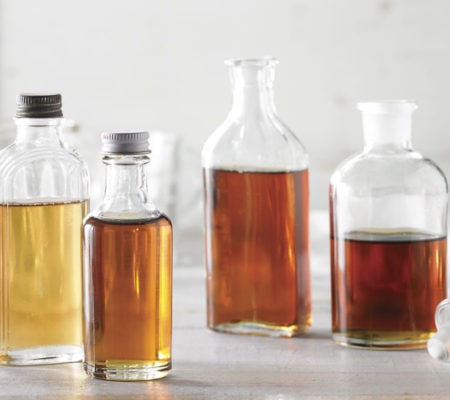
Maple Syrup for a Sore Throat: A Naturally Sweet Soother

When a sore throat strikes, many of us instinctively reach for honey and lemon.

 But there’s another cupboard staple that deserves a little more attention: maple syrup. 

Rich, soothing and entirely plant-based, maple syrup can be a surprisingly effective comfort remedy when your throat feels raw, scratchy, or inflamed. 

My wife has an allergy to bees and honey, so w are really pleased to find this alternative to honey.

This isn’t about miracle cures or medical claims, it’s about gentle relief, warmth, and using what you already have to feel a bit better.

Why Maple Syrup Can Help

Pure maple syrup isn’t just sweet. It has a few properties that make it useful when you’re feeling under the weather:

Thick and coating – It can gently coat the throat, helping to ease irritation in much the same way honey does.

Naturally antimicrobial – Maple syrup contains plant compounds that may help inhibit certain bacteria.

Anti-inflammatory compounds – These can help calm irritation, particularly when paired with warm liquids.

Vegan-friendly – Ideal if you avoid honey or animal products.

The key is to use pure maple syrup, not “maple-flavoured” pancake syrups, which are usually made from sugar syrup and flavourings.

Simple Ways to Use Maple Syrup for a Sore Throat

1. Straight from the Spoon

Sometimes the simplest approach works best.

Take one teaspoon of pure maple syrup

Let it slowly coat your throat before swallowing

Repeat every few hours as needed

This can be especially soothing first thing in the morning or before bed.

2. Maple, Lemon and Warm Water

A classic combination with a maple twist.

You’ll need:

Warm (not boiling) water

1 tablespoon maple syrup

A squeeze of fresh lemon juice

Stir well and sip slowly. The warmth relaxes the throat muscles, the lemon cuts through mucus, and the maple syrup adds soothing sweetness.

3. Maple and Ginger Tea

Perfect if your sore throat comes with a cold or congestion.

How to make it:

Steep fresh ginger slices or a ginger teabag in hot water

Stir in 1 tablespoon maple syrup

Optional: add lemon or a pinch of cinnamon

Ginger’s warming properties pair beautifully with maple syrup for comfort and flavour.

4. Maple Syrup Throat Drizzle

For particularly dry or scratchy throats:

Mix maple syrup with a few drops of lemon juice

Take small sips throughout the day

It’s gentle, easy, and less harsh than some over-the-counter lozenges.

When Maple Syrup Is (and Isn’t) Enough

Maple syrup is best for mild sore throats, dryness, or irritation caused by colds, talking too much, or dry indoor air. It’s not a replacement for medical treatment.

You should seek advice if:

A sore throat lasts more than a few days

You have a high fever

Swallowing becomes painful or difficult

You suspect a bacterial infection

A Sweet Alternative Worth Keeping in the Cupboard

Whether you’re vegan, out of honey, or just fancy something different, maple syrup is a comforting, natural option that feels indulgent while being practical. 

It’s also far more versatile than many people realise — equally at home in hot drinks, on breakfast tables, or as a gentle throat soother.

Sometimes, feeling better starts with something simple, warm, and reassuring, and maple syrup fits that role beautifully.

You can source maple syrup products here https://www.maplefromcanada.co.uk

Friday, 28 June 2024

Natural Remedies and Supplements for Folliculitis

Folliculitis, the inflammation of hair follicles, can be both uncomfortable and unsightly. It often presents as red, inflamed bumps that can be itchy or painful. 

While severe cases may require medical intervention, many find relief through natural remedies and supplements. Here, we explore some effective options that can help manage and soothe folliculitis.

1. Tea Tree Oil

Tea tree oil is a powerful natural antiseptic and anti-inflammatory. Its antibacterial properties help combat the infection causing folliculitis. To use, dilute a few drops of tea tree oil with a carrier oil, such as coconut or olive oil, and apply it to the affected area. Be cautious to avoid direct application of undiluted tea tree oil, as it can be irritating to the skin.

2. Aloe Vera

Aloe vera is renowned for its soothing and healing properties. Its anti-inflammatory effects can help reduce the redness and swelling associated with folliculitis. Apply fresh aloe vera gel directly from the plant or use a store-bought pure aloe vera gel on the inflamed areas. Repeat several times a day for best results.

3. Turmeric

Turmeric’s active compound, curcumin, has potent anti-inflammatory and antibacterial properties. Creating a paste with turmeric powder and water, then applying it to the affected area, can help reduce inflammation and fight infection. Additionally, incorporating turmeric into your diet can provide systemic anti-inflammatory benefits.

4. Apple Cider Vinegar

Apple cider vinegar (ACV) has natural antibacterial properties that can help in managing folliculitis. Dilute ACV with water (one part vinegar to two parts water) and use it as a toner on the affected skin. Alternatively, add a cup of ACV to your bathwater and soak for 15-20 minutes.

5. Coconut Oil

Coconut oil is both antimicrobial and anti-inflammatory, making it an excellent remedy for folliculitis. It can moisturise the skin while reducing bacteria and inflammation. Apply virgin coconut oil directly to the skin, allowing it to absorb completely.

6. Supplements

Vitamin E: Known for its skin-healing properties, vitamin E can help repair damaged skin and reduce inflammation. Applying vitamin E oil directly to the skin or taking vitamin E supplements can be beneficial.

Zinc: Zinc is crucial for skin health and immune function. A deficiency can contribute to skin issues like folliculitis. Taking zinc supplements or increasing zinc-rich foods (such as nuts, seeds, and whole grains) in your diet can support skin health.

Probiotics: Maintaining a healthy gut flora can improve overall skin health and reduce inflammation. Probiotic supplements or consuming probiotic-rich foods like yoghurt, kefir, and sauerkraut can be helpful.

7. Oatmeal Baths

Oatmeal is known for its soothing properties and can help alleviate the itchiness and discomfort of folliculitis. Adding colloidal oatmeal to a warm bath can provide relief. Soak for 20-30 minutes to enjoy its full benefits.

8. Green Tea

Green tea is rich in antioxidants and has anti-inflammatory properties. Applying cooled green tea bags to the affected areas can help reduce redness and swelling. Drinking green tea regularly can also provide systemic benefits.

9. Honey

Raw honey, particularly Manuka honey, has natural antibacterial and anti-inflammatory properties. Apply a thin layer of honey to the affected area and leave it on for 15-20 minutes before rinsing off. Honey can help soothe and heal the skin.

Conclusion

While these natural remedies and supplements can be highly effective, it is essential to remember that individual responses may vary. It is always a good idea to perform a patch test before applying any new remedy to a large skin area.

If your folliculitis persists or worsens, consult a healthcare professional for further advice and treatment. Embracing a holistic approach that includes good hygiene, a healthy diet, and the right natural remedies can help keep folliculitis under control and improve overall skin health.