Showing posts with label teeth. Show all posts

Thursday, 23 April 2026

Why Looking After Your Family’s Dental Health Should Never Be an Afterthought

It's remarkable how many people will happily service the car every year, insure the boiler, and replace a phone screen at the first crack, yet postpone a dental check-up for months, sometimes years.

Dental health is often treated as something we only think about when there is pain involved.

Unfortunately, by the time your tooth is throbbing at 2am, the problem is usually no longer small, simple, or cheap.

Good oral health is not just about having a bright smile for photographs. Your teeth and gums play a major role in your overall wellbeing. 

Gum disease has been linked to wider health concerns including heart disease, diabetes complications, and inflammation elsewhere in the body. Poor dental health can also affect confidence, speech, eating habits, and quality of life.

For children, building strong dental habits early is even more important. Teaching regular brushing, sensible sugar intake, and routine dental visits helps prevent bigger issues later in life. It also helps remove the fear factor that many adults still carry from childhood dental appointments.

The basics are not complicated. Brush twice a day with fluoride toothpaste, floss or use interdental brushes, cut back on sugary snacks and fizzy drinks, and do not ignore bleeding gums or sensitivity. These are warning signs, not minor inconveniences.

Regular check-ups matter because dentists often spot problems long before you feel them. A small filling is far easier, and far less expensive, than root canal treatment, crowns, or emergency extractions. Preventive care nearly always costs less than crisis management.

This is where dental insurance becomes worth considering.

Many people assume dental insurance is unnecessary until faced with an unexpected bill for urgent treatment. Private dental work in the UK can be expensive, particularly if NHS appointments are difficult to secure in your area. Emergency treatment, specialist work, orthodontics for children, or restorative work can quickly add up.

Dental insurance or dental payment plans can help spread costs and reduce the financial shock of sudden treatment. Some plans cover routine check-ups and hygienist visits, while others provide support for more advanced procedures. The key is understanding exactly what is included and what is not.

It is not about expecting disaster. It is about sensible planning.

Much like home insurance, you hope you will not need major intervention, but when you do, you are very glad the cover is there.

Ignoring dental health rarely saves money, it usually delays a bigger bill.

A healthy smile is not vanity. It is health, confidence, comfort, and prevention rolled into one. Looking after your family’s teeth should sit firmly alongside every other part of responsible healthcare—not somewhere at the bottom of the list, just below “sort out the garage.”

Because when toothache strikes, trust me, it shoots straight to the top.

I decided to write this post whilst waiting for my appointment for a couple of fillings at our BUPA dentist.

Friday, 13 February 2026

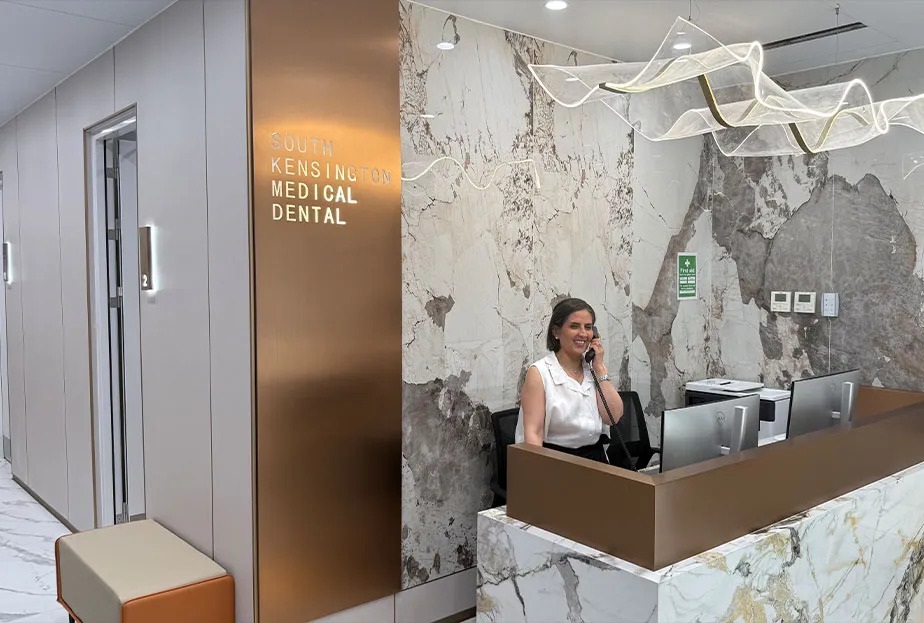
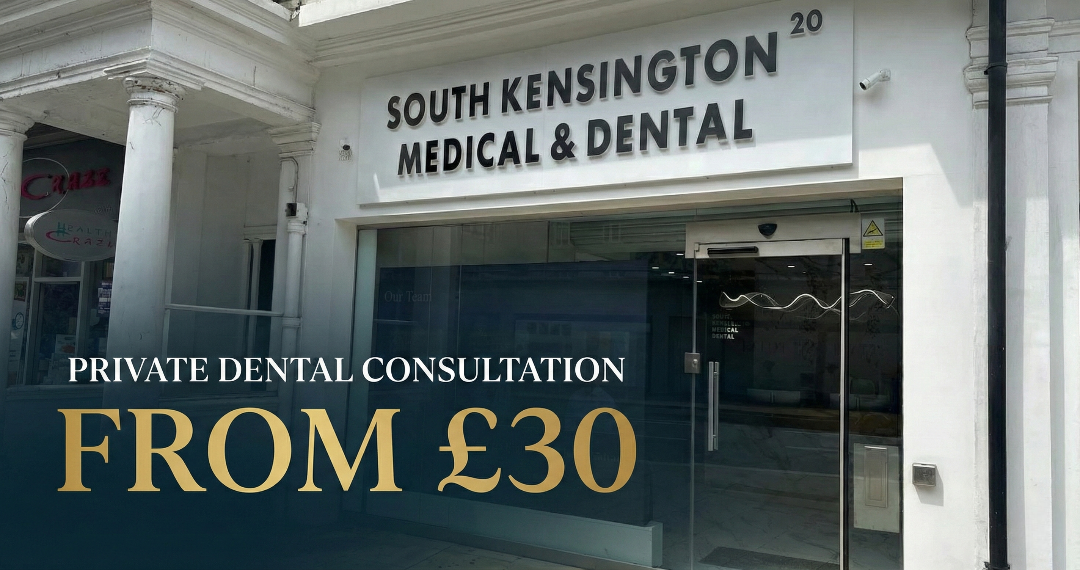
Great News For Readers of That's Health In London! South Kensington Medical & Dental Clinic Launches £30 Dentist Appointment for London Patients

South Kensington Medical & Dental Clinic has announced the introduction of a £30 dentist appointment for patients in London, providing a lower-cost entry point into private dental care alongside clear information on treatment options and pricing.

The appointment is intended to support patients seeking a professional dental assessment, particularly those who may have delayed care due to uncertainty around cost or availability. 

Dental professionals continue to emphasise the importance of early assessment in identifying oral health concerns and supporting preventive care.

The £30 appointment includes a clinical dental assessment and a discussion of symptoms or concerns. Where further investigation or treatment may be appropriate, patients are provided with clear explanations and transparent information regarding possible next steps and associated fees. 

No treatment is carried out without patient consent, and all care decisions are made following clinical assessment.

In addition to the entry-level appointment, the clinic offers an optional Dental Membership Plan priced at £20 per month. Membership provides 50% off dental treatments offered by the clinic, subject to clinical suitability and standard terms. The plan is designed to help patients spread costs and support regular attendance, rather than replacing the need for professional clinical judgement.

South Kensington Medical & Dental Clinic provides a range of dental services, including preventive dentistry, hygiene care, restorative dentistry, cosmetic treatments, orthodontics, and emergency dental care. 

All services are delivered by appropriately qualified dental professionals registered with the General Dental Council (GDC).

The clinic operates seven days a week, including weekends, supporting access for patients who may find weekday appointments difficult to attend. Flexible availability aims to reduce delays in assessment and encourage timely dental consultations.

Located at 20 Old Brompton Road, South Kensington, London, SW7 3DL, the clinic is centrally positioned and accessible from across London. 

The practice reports increasing demand for transparent pricing structures and clearer pathways into private dental care, particularly among patients seeking timely advice without extended waiting periods.

The introduction of a £30 dentist appointment reflects wider changes within UK private healthcare, where providers are responding to patient expectations around clarity, accessibility, and informed decision-making. 

Industry observers note that clearly defined consultation pricing can help patients engage with dental services earlier and make considered choices about their care.

The £30 dentist appointment and optional membership plan are now available to book.

Phone: 020 7183 2362

Email: southken@md.co.uk

Website: https://www.southkenmd.co.uk

Private Dentist Appointment: https://www.southkenmd.co.uk/dental/private-dentist-london

Booking Link: https://www.southkenmd.co.uk/book/dental

Join Their Membership: https://www.southkenmd.co.uk/membership

South Kensington Medical & Dental Clinic is a London-based private healthcare provider offering dental services in line with UK regulatory standards. 

The clinic operates seven days a week and delivers care through qualified professionals registered with relevant regulatory bodies. 

Services are provided following appropriate clinical assessment, patient consent, and transparent communication.

Wednesday, 4 February 2026

National Toothache Day: Why Dental Pain Should Never Be Ignored

National Toothache Day is a timely reminder that tooth pain isn’t just an inconvenience — it’s your body waving a red flag. 

Whether it’s a dull throb, a sharp jolt when you sip something cold, or an ache that keeps you awake at night, toothache usually means something needs attention.

What actually causes toothache?

Toothache can stem from a range of issues, including:

Tooth decay or cavities

Gum disease or infection

Cracked or broken teeth

Worn enamel causing sensitivity

Impacted wisdom teeth

Sinus problems that mimic dental pain

Ignoring it rarely makes it go away. In fact, it often gets worse.

The knock-on effects of dental pain

Ongoing toothache can affect far more than your mouth. Many people report:

Poor sleep and fatigue

Difficulty eating properly

Headaches and jaw pain

Reduced concentration and mood

Left untreated, infections in the mouth can spread, leading to more serious health complications.

What you can do right now

If you’re experiencing toothache:

Rinse gently with warm salt water

Avoid very hot, cold, or sugary foods

Use a toothpaste for sensitive teeth

Take appropriate pain relief if needed (as directed)

These steps may help ease discomfort — but they’re not a cure.

When to seek help

If pain lasts more than a day or two, is severe, or comes with swelling, fever, or a bad taste in the mouth, it’s time to seek professional advice. In the UK, your dentist should always be your first port of call, and urgent issues can be assessed via the NHS if needed.

Prevention really is better than cure

National Toothache Day is also a nudge to prioritise prevention:

Brush twice daily with fluoride toothpaste

Clean between teeth every day

Attend regular dental check-ups

Don’t put off minor problems

A healthy mouth supports overall health — and saves a lot of pain down the line.

Today’s takeaway: toothache is never “just one of those things”. Listen to it, act early, and give your smile the care it deserves.

Thursday, 9 October 2025

The Hidden Power of a Smile: Why Regular Dental Care Matters for Whole-Body Health

When we think of health, we often focus on diet, exercise, or mental wellbeing. 

Yet there’s one vital element that many people overlook: oral hygiene. 

Brushing, flossing, and visiting the dentist regularly do far more than keep your teeth bright, they play a crucial role in your overall health, often in ways that might surprise you.

Your Mouth: A Mirror of Your Health

Your mouth is a gateway to your body. It’s full of bacteria—mostly harmless, but some potentially harmful if allowed to thrive. 

Without regular cleaning, bacteria can cause gum disease, tooth decay, and infections. Worse still, they can enter your bloodstream and trigger inflammation throughout your body. 

This inflammation is now known to be linked to a range of serious conditions, from heart disease to dementia.

In short, good oral hygiene is about protecting far more than just your smile.

How Gum Health Affects the Heart

Research has shown a strong link between gum disease and cardiovascular problems. When gums are inflamed, bacteria and toxins can travel into the bloodstream, causing inflammation in blood vessels and increasing the risk of clots, heart attack, and stroke. 

People with gum disease are also more likely to suffer from high blood pressure and other circulatory issues.

Regular dental check-ups can therefore be an important part of protecting your heart health—something few people consider when reaching for their toothbrush.

The Dentist as a Health Detective

A good dentist does more than just check for cavities. They’re often the first to spot signs of other health conditions. Vitamin deficiencies, diabetes, anaemia, autoimmune disorders, and even oral cancers can all reveal early clues in the mouth. A simple dental visit can therefore provide an unexpected layer of early detection and prevention.

Digestion Begins in the Mouth

Healthy teeth and gums are vital for digestion. Chewing breaks food down into smaller pieces and mixes it with enzymes in saliva. 

If you have dental pain, missing teeth, or inflamed gums, you may not chew properly—putting extra strain on your digestive system. Over time, this can impact nutrient absorption and even lead to poor gut health.

Maintaining strong teeth and gums helps your body extract the full nutritional value from what you eat.

Mental Wellbeing and Confidence

The link between oral health and mental wellbeing shouldn’t be underestimated. Chronic dental pain, bad breath, or damaged teeth can lead to embarrassment, anxiety, and even social isolation. Conversely, having a clean, healthy smile boosts confidence and encourages positive social interactions.

A regular dental routine isn’t just about hygiene—it’s a small but powerful act of self-care that supports emotional health too.

Prevention is Easier (and Cheaper) Than Cure

Regular check-ups help catch problems early, before they require costly and invasive treatment. A small cavity today could become a root canal tomorrow. Preventive cleaning and early intervention save both pain and money in the long run.

Everything is Connected

Your oral health affects your heart, digestion, immune system, and mental wellbeing. It’s all connected. The next time you brush your teeth or book that dentist appointment, remember—you’re not just looking after your mouth, you’re taking care of your whole body.

Healthy mouth, healthy life—that’s the real reason to smile.

Tuesday, 30 September 2025

Toothbrush Design: Why Aren’t the Bristles Set at 45 Degrees?

At a recent dental hygiene appointment, I was reminded of a golden rule: “The best way to brush your teeth is to hold the bristles of the brush at a 45-degree angle.” 

This angle isn’t an arbitrary number—it allows the bristles to gently sweep plaque and debris from both the tooth surface and the gumline, where many dental problems begin.

But as I walked home, a thought struck me: if dentists and hygienists always recommend brushing at a 45-degree angle, why don’t manufacturers design toothbrushes so that the bristles are already mounted that way?

The Importance of the 45-Degree Angle

Brushing straight across your teeth can clean surfaces reasonably well, but it often misses the crucial area just under the gumline where bacteria gather. When held at 45 degrees, bristles reach slightly beneath the gum edge, helping to prevent gingivitis and gum disease.

It’s such a simple piece of advice, and yet it requires conscious effort every time we brush.

How Toothbrushes Are Designed Now

Most manual toothbrushes have flat, straight handles and either flat-cut or gently contoured bristles. Some premium designs use angled necks or criss-cross bristle patterns, but they still rely on the user to position the brush correctly. 

Electric brushes, with their oscillating or sonic action, make the job easier but still don’t guarantee that perfect 45-degree positioning.

In short, toothbrushes are designed to accommodate the 45-degree technique, but not to enforce it.

Why Don’t Manufacturers Mount Bristles at 45 Degrees?

There are a few likely reasons:

Flexibility of use – Not everyone’s teeth, gums, or brushing styles are the same. A permanently angled bristle head might help some users but feel awkward or ineffective for others.

Manufacturing and cost – Flat designs are cheaper and simpler to produce. Adding angled bristle mounts or complex shapes increases costs.

User control – Dental professionals prefer people to learn how to brush properly, rather than rely on a fixed design. After all, you need to be able to adjust your angle depending on whether you’re brushing front teeth, molars, or along the gumline.

Innovation already exists—but quietly – Some toothbrushes, particularly in specialist dental ranges, do feature angled heads or V-shaped bristle cuts. They’re not mainstream products, though, and often come at a higher price and limited availability. 

Could Toothbrush Design Evolve?

It’s a fair question: if the 45-degree angle is the gold standard, surely it’s only a matter of time before manufacturers take it more seriously. A toothbrush with a subtly tilted bristle head, combined with ergonomic handle design, might help everyday users achieve better results without having to think about their wrist angle.

We’ve already seen the market embrace bamboo handles, smart toothbrushes with pressure sensors, and bristles made from recycled materials. Perhaps the next big innovation will be toothbrushes that build the dentist’s advice into the very design.

Until then, the responsibility rests with us: keep your brush angled, be gentle at the gumline, and remember that the simplest habits can make the biggest difference to oral health.

Later on we'll talk about toothpastes and mouthwashes.

Friday, 26 September 2025

Teeth Cleaning and Teeth Care: Your Guide to a Healthier Smile

Good oral health is about more than just a bright smile—it’s central to your overall wellbeing. 

Gum disease has been linked to heart disease, diabetes, and even dementia, so taking care of your teeth is one of the best long-term investments you can make in your health. 

From choosing the right toothbrush to deciding whether mouthwash is worth it, here’s a complete guide to keeping your teeth and gums in top condition.

The Best Toothbrushes for Healthy Teeth

When it comes to toothbrushes, there are two main options: manual and electric. Both can do the job well if used correctly, but electric brushes often make things easier.

Electric toothbrushes: Dentists widely recommend oscillating-rotating models (like Oral-B) or sonic toothbrushes (such as Philips Sonicare). They provide consistent pressure, reach tricky spots more effectively, and many come with built-in timers to ensure you brush for the full two minutes.

Manual toothbrushes: If you prefer manual, choose one with soft or medium bristles (hard bristles can damage enamel and gums). A small to medium-sized head is usually better for reaching back teeth.

Tip: Replace your brush head (or toothbrush) every 3 months, or sooner if the bristles are frayed.

Cleaning Between Your Teeth

Brushing alone only cleans about 60% of tooth surfaces—the rest lies between your teeth. Neglecting these areas can lead to plaque build-up, gum disease, and cavities.

Dental floss: Ideal for tight spaces between teeth. Use a gentle sawing motion rather than forcing it down.

Interdental brushes: Small, bristled brushes (like TePe) that are excellent for larger gaps, crowns, or braces. They are often easier to handle than floss.

Water flossers: Devices like the Waterpik use a stream of water to flush out debris. They’re useful if you have braces, implants, or find traditional flossing difficult.

Tip: Clean between your teeth once a day, ideally in the evening before brushing.

Choosing the Right Toothpaste

Toothpaste is about more than flavour—it’s your frontline defence against decay and gum disease. Look for these key ingredients:

Fluoride: Essential for strengthening enamel and preventing cavities. In the UK, toothpaste should contain at least 1,350–1,500 ppm fluoride.

Sensitive teeth formulas: Brands like Sensodyne and Colgate Sensitive Pro-Relief can help reduce tooth sensitivity over time.

Whitening toothpastes: These remove surface stains but won’t drastically change tooth colour. For safe whitening, speak to your dentist.

Children’s toothpaste: Always check the fluoride content—kids under six often need lower fluoride levels, depending on age.

Are Mouthwashes Beneficial?

Mouthwash can be helpful, but it shouldn’t replace brushing and flossing. Think of it as an add-on, not a substitute.

Fluoride mouthwashes: Strengthen enamel and help protect against decay (e.g., Listerine Advanced Defence with Fluoride, Colgate FluoriGard).

Antibacterial mouthwashes: Useful if you have gum problems or after dental treatment. Chlorhexidine-based rinses (like Corsodyl) are effective but should only be used short-term, as they can stain teeth.

Alcohol-free mouthwashes: Kinder on your mouth if you have dryness, ulcers, or sensitive gums.

Tip: Use mouthwash at a different time from brushing (for example, after lunch) so it doesn’t wash away the concentrated fluoride from your toothpaste.

Daily Routine for Healthy Teeth

Brush twice daily for two minutes with a fluoride toothpaste.

Clean between teeth once a day using floss, interdental brushes, or a water flosser.

Use mouthwash wisely, but not as a substitute for brushing.

Limit sugary snacks and drinks, especially between meals.

Visit your dentist regularly, even if everything feels fine.

Final Toothy Thoughts

Caring for your teeth doesn’t need to be complicated, but it does need to be consistent. With the right tools—an effective toothbrush, a fluoride toothpaste, interdental cleaning, and possibly a supportive mouthwash—you’ll keep your smile healthy for years to come.

Friday, 23 February 2024

The Smile Secret: Unveiling the Importance of Dental Hygiene

In the pursuit of a healthier lifestyle, we often overlook a crucial aspect: our dental hygiene. Our teeth, often taken for granted, play a fundamental role not only in our physical health but also in our overall well-being and self-confidence. 

Let's delve into the importance of dental hygiene and why looking after our teeth should be a top priority.

1. Oral Health and Overall Well-being:

Our mouth serves as the gateway to our body, and poor dental hygiene can lead to a myriad of health issues beyond just tooth decay and gum disease. Research has linked oral health problems to serious conditions including heart disease, diabetes, and respiratory infections.

 Neglecting oral hygiene can allow harmful bacteria to thrive, causing inflammation and infection, which can then spread throughout the body. By maintaining proper dental care, we not only preserve our smile but also safeguard our overall health.

2. Prevention is Key:

Prevention is always better than cure, and this holds true for dental care as well. Regular brushing, flossing, and dental check-ups can help prevent the onset of cavities, gum disease, and other dental issues. By investing a few minutes each day in oral hygiene practices, we can save ourselves from the discomfort, pain, and expenses associated with dental treatments in the long run.

3. Confidence Booster:

A bright, healthy smile can work wonders for our self-esteem and confidence. It's often one of the first things people notice about us and can leave a lasting impression. However, stained, damaged, or missing teeth can have the opposite effect, leading to self-consciousness and reluctance to smile openly. By maintaining good oral hygiene and seeking timely dental care, we can ensure that our smile remains a source of pride, boosting our confidence in social and professional settings.

4. Longevity of Teeth:

Our natural teeth are irreplaceable, and preserving them should be a priority. With proper care, our teeth can last a lifetime. However, neglecting dental hygiene can lead to tooth loss, which not only affects our ability to eat and speak but also impacts our facial structure and overall oral health. By adopting good oral hygiene habits and seeking professional dental care when needed, we can prolong the life of our teeth and enjoy better oral health well into old age.

5. Setting a Good Example:

As adults, we have a responsibility to set a good example for the younger generation. Teaching children the importance of dental hygiene from a young age instills lifelong habits that contribute to their overall health and well-being. By demonstrating proper brushing, flossing, and regular dental check-ups, we equip them with the knowledge and tools they need to maintain a healthy smile for years to come.

In conclusion, dental hygiene is not just about maintaining a sparkling smile; it's about safeguarding our overall health, boosting our confidence, and preserving our natural teeth for a lifetime. By prioritising oral care and seeking regular dental check-ups, we can enjoy the countless benefits of a healthy smile and set a positive example for future generations. Remember, a little effort in dental hygiene today can lead to a lifetime of smiles tomorrow.

(Image courtesy of Martine from Pixabay)

Monday, 25 July 2011

Teenagers’ teeth problems: Some questions and answers

A qualified dentist fields some of the questions teenagers who are worried about their teeth are posting on Yahoo Answers.

If you have a dental query do you (a) phone a friend for advice, (b) research the answer yourself or (c) seek expert help from a dentist?

Well, according to new research many people experiencing dental pain are exploring a fourth option; turning to Twitter for advice.

Dental-related tweets cover issues including toothache, wisdom teeth and dental braces such as Invisalign and Inman Aligner. Pop singer Lily Allen recently used Twitter to update her followers on the day-to-day progress following a painful tooth extraction.

A study with the catchy title ‘Public Health Surveillance of Dental Pain via Twitter’ collected 4,859 tweets relating to dental pain over just seven days.

It was found that 22 per cent of these tweets were about action “taken or contemplated” and 14 per cent of these actively sought advice from the Twitter community.

The Yahoo Answers website offers even more direct answers about dental queries than Twitter does. The people posing the questions seem to mostly be teenagers – perhaps reflecting young people’s preference for using internet forums.

I asked London dentist Dr. Glafcos Tombolis, who runs Ethicare, to look at some of the questions posed by teenagers on Yahoo Answers.

Kathryn asked: “Will Invisalign clear braces work?” She is 17 and her main concern is that her front six teeth (top and bottom) are pretty crowded – one of the answers mentioned that Invisalign takes a little longer than normal braces.

Glafcos Tombolis: It’s not necessarily true that Invisalign can take longer to have an effect than more old-fashioned braces – sometimes Invisalign can obtain quicker results. The fact that they are clear braces makes them great for self-conscious younger patients. Kathryn should ask her dentist to take a look at the degree of crowding in her teeth and advise her further.

Totoro’s question has the title: “How many months of bulimia until tooth decay?” After 6 months of bulimia will she have tooth decay and will her dentist be able to tell? Is there a legal obligation to tell her parents (her age was not specified)?

GT: Bulimia involves regurgitating acid into the mouth - a harmful action which initially causes acid erosion rather than decay. The effect of this is rather like acid rain falling on rock; it damages the surface. In a tooth’s case this is the enamel. Damaged surface enamel can make tooth decay more likely and cause painful tooth sensitivity too. The dentist should be able to see the results of bulimia. If a patient is below the age of 16, then parents do have a right to know about matters like this.

Tod asks: If you brush AND floss, do you floss before or after you brush?

GT: I always advise that it is better to floss first.

Singergr’s question has the title: “Tooth changing colour after filling?” The Yahoo Answers member had a filling behind one of his front teeth and discovered to his horror that a tiny part of the tooth looks a blue-ish colour and isn’t smooth.

GT: This discolouration could result from a filling being the wrong shade. It could be that the tooth’s nerve is dying off, which often results in a grey stain appearing. Singergr really needs to see their dentist to find out more.

Alex is one of many teenagers with a wisdom tooth enquiry. At the age of 14 she had an X-Ray where her bottom wisdom teeth were clearly visible under the gum line. However, now 16, she has been told by her orthodontist that she “isn’t going to get wisdom teeth”. Will the wisdom teeth definitely come through?

GT: It’s very rare that you can safely predict that wisdom teeth won’t emerge and need attention. There is always potential for wisdom teeth to emerge, apart from in rare cases where the wisdom teeth are ‘buried’ deep in the jawbone, far away from the mouth.

Lindsey, who is 14-years-old asked: “How young is too young for teeth whitening?”

GT: UK guidelines say that anyone under the age of 14 shouldn’t have teeth-whitening treatment. The youngest patients I have given teeth whitening treatment to have been 17.

www.ethicaredental.co.uk

Sunday, 17 July 2011

OralSeven for healthier teeth and gums

Most people are aware moisturising the skin daily is a way of keeping it healthy and feeling comfortable. However, it may come as a surprise that similar benefits can be achieved by moisturising the mouth and gums using specially formulated products. After all it is not only teeth that need a little bit of TLC!

OralSeven is a new range of oral care products which include naturally occurring enzymes to give a mouth watering experience and ensure perfect oral hydration throughout day and night.

Saliva is vital because it not only keeps the mouth moist, but contains beneficial enzymes and bacteria which play an important role in the digestive process and a protective role for teeth and gums and helps prevent bad breath.

Changes in lifestyle and stress, combined with smoking and alcohol consumption, reduces the production of saliva that is necessary to keep the mouth moist. Increase in the use of medications such as antibiotics also hinders saliva production and the problem is made worse by the use of conventional dental ingredients containing harsh, drying ingredients such as alcohol and SLS

To keep and maintain a healthy flow of saliva and protect the delicate bio system of the mouth, use OralSeven as part of your daily regime. Brush each morning and night with OralSeven™ Toothpaste which is free of harsh drying or foaming detergent (SLS); Sloosh after brushing your teeth with alcohol free OralSeven™ Mouthwash; and if you want an extra boost use OralSeven™ Moisturising Mouth Gel at night which soothes, lubricates and protects the mouth and gums for up to 7 hours providing an extra benefit for those in need of additional oral hydration.

A Mouthwatering Experience All Day Every Day!

The OralSeven range is available through independent pharmacies (telephone: 0115 8419795 for stockists) and retails at: OralSeven Toothpaste (75ml) containing fluoride and calcium £6.50 ; Alcohol free OralSeven Mouthwash (250ml) £6.99, 500ml £9.99; OralSeven Gel (48ml) £10.49. All products are sweetened with Xylitol)