Care experts Unique Senior Care (USC) has today issued an alert regarding the “invisible” physical and career toll facing millions of unpaid carers in the UK.
Drawing on the latest 2024–2026 data from the Centre for Care and Carers UK, USC highlights a critical tipping point for the UK's Sandwich Generation, adults aged 45–64 balancing careers, children, and elderly parents.
The data shows 600 people are leaving the UK workforce every single day to take on unpaid caring responsibilities, often at a high cost to their own health and financial security.
Unique Senior Care’s review of current care trends identifies a worrying physical and emotional impact on those providing intensive support at home:
Physical strain: 42% of unpaid carers report their own physical health has worsened since they began caring, with 20% suffering a physical injury directly related to their responsibilities. Often because they have no training in lifting patients, etc.
Financial impact: Families in the “sandwich” group are losing an average of £6,268 per year in income due to reduced hours or leaving work.
Emotional burnout: 74% of family carers now report feeling significant levels of stress or anxiety.
“Most families don't see themselves as ‘Carers,’ they’re just daughters, sons, or partners doing what is necessary. But the transition from occasional help to full-time support often happens so gradually that the physical toll is ignored until a crisis occurs,” Helena Hitchcox, Director of Operations for Unique Senior Care, told That's Health.
To address this, USC has integrated a free Is It Time For Care? assessment into their 2026 Statistics Hub. This tool provides families with a Personalised Care Radar, designed to identify early warning signs of caregiver exhaustion and elderly isolation before they lead to injury or hospitalisation.
“Professional care is increasingly about supporting the entire family unit. By introducing support earlier, we can help protect the careers and health of family members, allowing them to focus on their relationship with their loved one rather than the physical demands of 24/7 care.”
Further insights are available on the Unique Senior Care Statistics Hub.
Unique Senior Care is a premier provider of fully managed hourly home care and live-in care services across the UK. Recognised for their "Outstanding" Care Quality Commission (CQC) ratings and relationship-led approach, they specialise in dementia support, Parkinson’s care, and palliative support at home.
The charity’s social groups provide friendly, inclusive spaces where older people can come together regularly to enjoy conversation, shared activities, and a sense of belonging.
People attend for many reasons, to meet new people, stay active, build confidence, or simply enjoy spending time with others in a relaxed and supportive environment.
These groups play an important role in helping older people feel connected to their communities and supported as they age. Regular social interaction has been shown to improve wellbeing, confidence, and overall quality of life.
“Social connection is vital for wellbeing at any stage of later life,” Kelly Holder, Chief Executive Officer of Age Concern Hampshire, told That's Health.
“Our social groups offer older people the opportunity to build friendships, enjoy positive shared experiences, and feel part of a community where they are welcomed and valued.”
Age Concern Hampshire continues to grow its programme of social groups across the county, working in partnership with local organisations and community venues to ensure older people can access support close to where they live. New groups are regularly being developed to respond to local need and increase opportunities for social connection.
Concerns about public toilets in Wimborne, including accessibility for older people and ambulant disabled residents, are increasingly being linked to wider issues of confidence, independence and loneliness across Dorset.
The January 2026 consultation, organised by the Allendale Community Centre, received over 280 responses.
Six in ten respondents were aged 65 or over. Dorset has a significantly higher proportion of older residents than the national average, making accessible facilities particularly important for towns like Wimborne.
The findings show:
45% say toilet concerns limit their ability to go out, attend events or socialise.
42% have avoided visiting Wimborne or cut visits short because of worries about availability, cleanliness or accessibility.
85% believe improving facilities would help reduce social isolation.
36% say they have health, mobility, continence or caring needs that make accessible toilets essential.
More than half rated Wimborne’s public toilet facilities as poor or very poor.
For many older residents, including ambulant disabled people who use walking sticks, walkers or other mobility aids, the issue is not convenience but confidence.
One respondent aged over 70 said: “At my age, you plan your day around toilets. If you’re not sure you’ll find one you can use, you simply stay at home.”
Another added: “I would like to take my mum out in her wheelchair and know she can access a toilet without feeling embarrassed.”
The survey suggests that when confidence in basic facilities drops, visits become shorter, events are skipped and social contact reduces, contributing over time to loneliness and withdrawal.
It also revealed that 9% of respondents were unaware the toilets at the Allendale Community Centre are open to the public seven days a week, even when not attending an activity.
A spokesperson for the Allendale told That's Health: “Something as simple as reliable toilet access can determine whether someone feels able to take part in community life. When confidence falls, people stay at home.”
The Centre is now using the findings to support funding applications to refurbish its facilities, focusing on accessibility, dignity and ease of use.
For many elderly residents in Wimborne, suitable public toilets are not a minor detail, they are the difference between staying connected and staying at home.
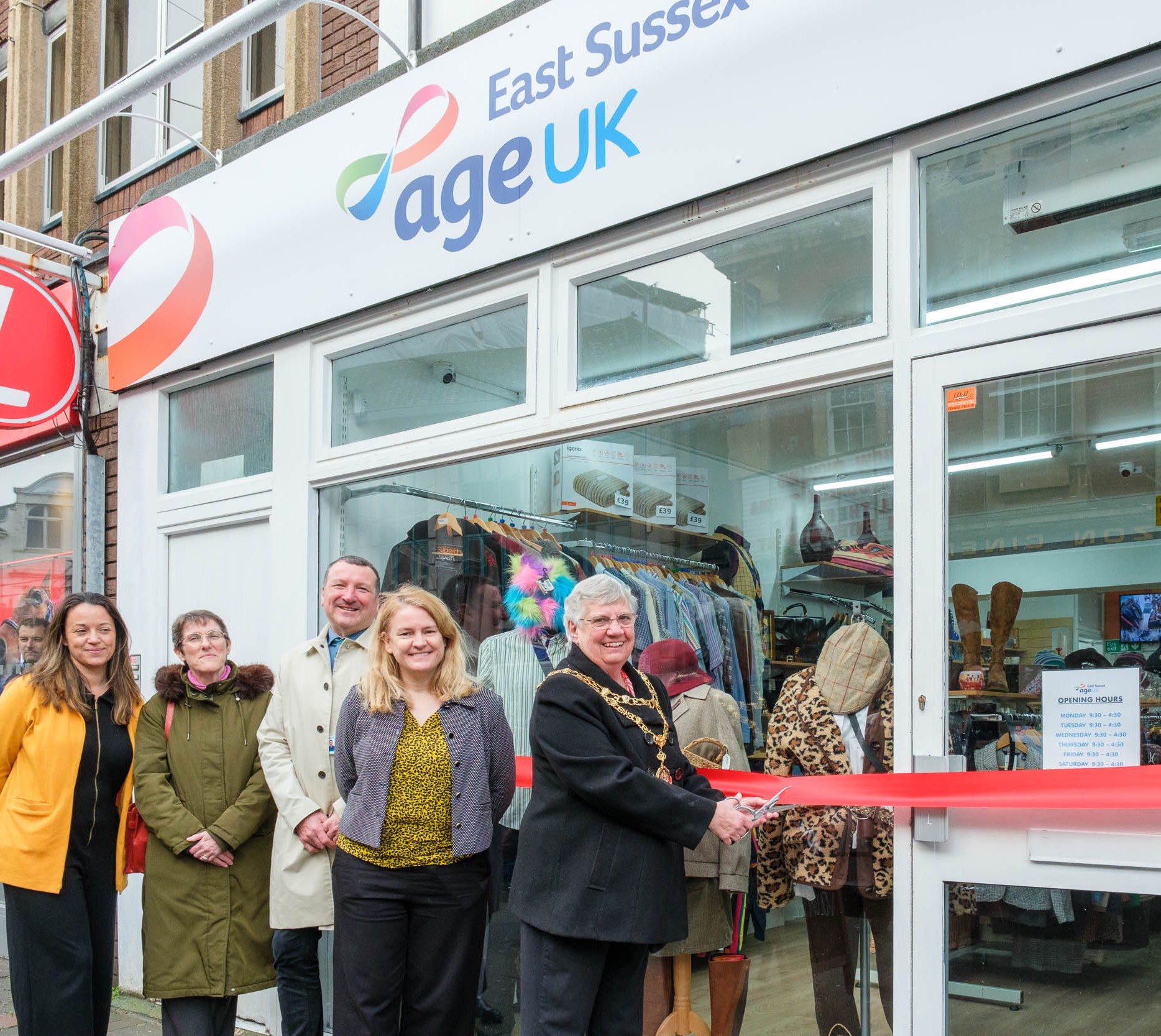
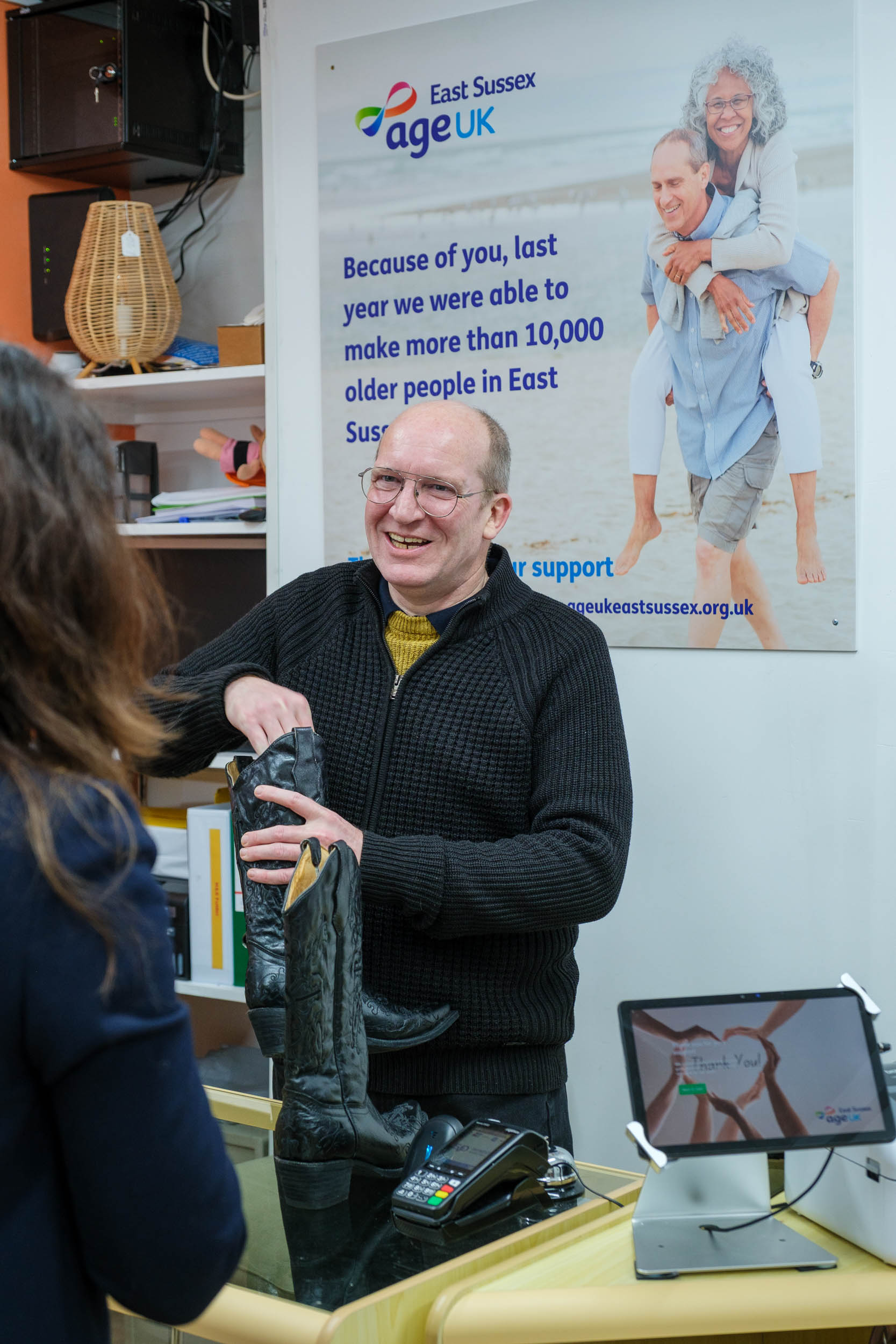
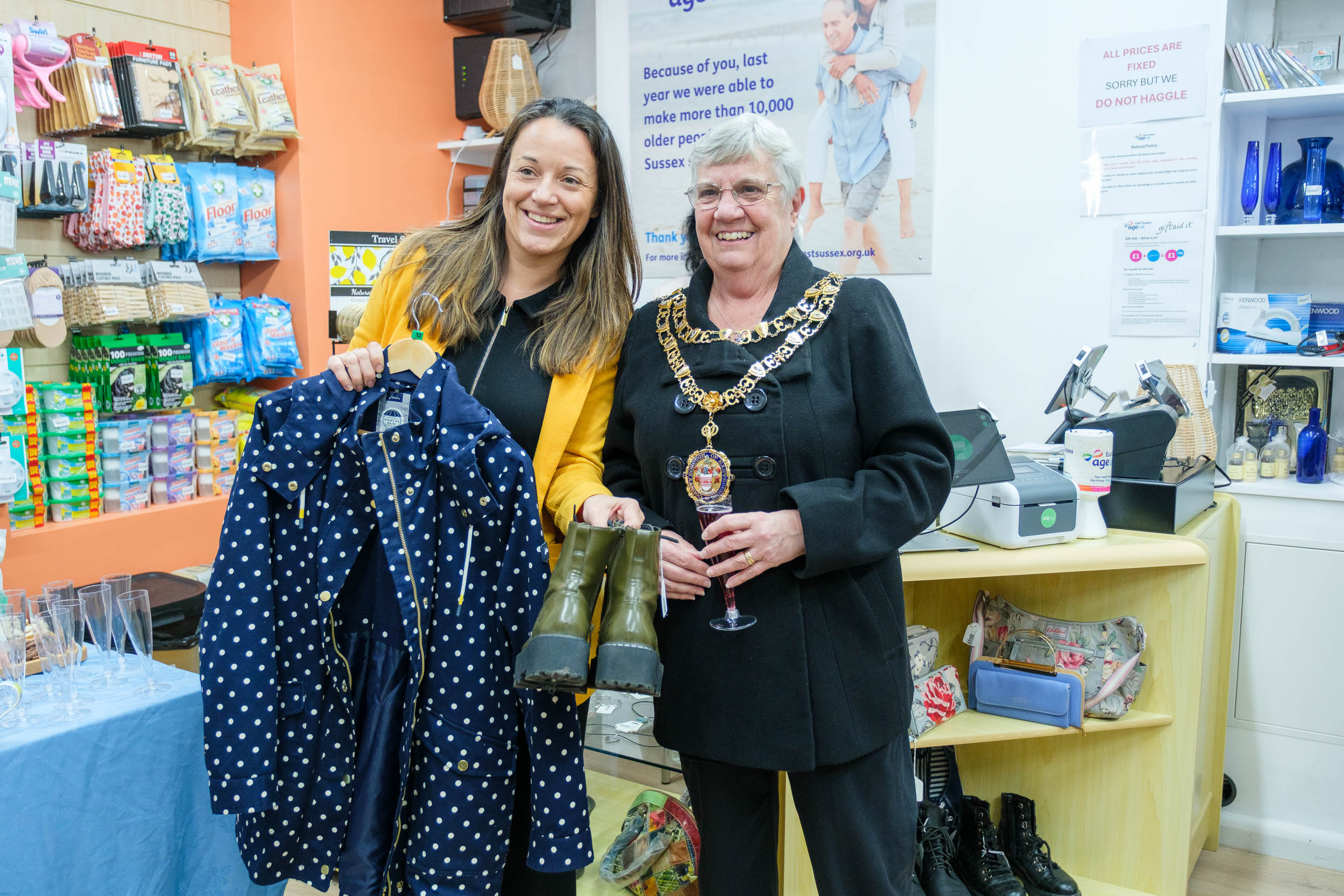
Age UK East Sussex has officially opened a new charity shop in Langney Road, providing a welcoming new space for the community to shop, donate and support older people across the county.
Located in Langney Road, the new shop offers a wide range of quality clothing, books, household goods and other pre-loved items, all raising vital funds to support the charity’s work with older people in East Sussex.
The opening was marked by a visit from the The Worshipful the Mayor of Eastbourne, Councillor Margaret Bannister, alongside representatives from Age UK East Sussex, volunteers and members of the local community.
“It’s wonderful to be here to help celebrate the opening of Age UK East Sussex’s new shop. This is a positive step for the charity and for the many older people across our community who will benefit from its work.”
Supporting older people across East Sussex
Age UK East Sussex is a local, independent charity that has been supporting older people in the community for over 75 years. With a dedicated team of staff and volunteers, the charity delivers services, activities and advice that make a real difference to people in later life.
The charity supports thousands of older people each year, helping to reduce loneliness, improve wellbeing and enable people to live independently for as long as possible.
A shop with a purpose
The new Eastbourne shop is one of five charity shops and two furniture stores across the county that are run by Age UK East Sussex. As well as offering great value items, the shop plays an important role in funding the charity’s frontline services and creating opportunities for volunteering in the local area.
“I was so happy when I saw that this new shop was looking for volunteers. I applied straight away as I’ve been out of work for a while and wanted to build my confidence again,” said one new volunteer. “So far it has been everything I hoped it would be. The team are lovely and the customers are friendly. It’s done so much for me already.”
Get involved – Volunteer with them!
Age UK East Sussex is inviting local people to get involved by volunteering at the new Eastbourne shop.
There are a variety of roles available to suit different interests and availability - from welcoming customers and serving on the shop floor, to sorting donations and preparing stock behind the scenes.
Whether someone can spare a few hours a week or more regular time, there is something for everyone.
Volunteering with Age UK East Sussex is a great way to meet new people, learn new skills and be part of a friendly team - all while helping to raise vital funds to support older people across East Sussex.
Anyone interested in volunteering can speak to the team in store, call 01273 476704, or email volunteers@ageukeastsussex.org.uk to find out more.
Age Concern Hampshire is dedicated to keeping day care affordable, ensuring older people and their families can continue to access vital support at a time when many family carers are under great pressure.
With half-day care available from £38.25, the charity’s Care & Wellbeing Centres provide a flexible and accessible option for family carers who are struggling to balance caring responsibilities with work, employment, and other family commitments, helping them to look after their own wellbeing, find time to rest, and stay supported while caring for their loved ones.
Operating from centres in Locks Heath, New Milton, Yateley and Dibden, Age Concern Hampshire offers a safe, welcoming environment where older people can enjoy companionship, stimulating activities and professional care.
For family carers, this support provides trusted respite and peace of mind, even for just a few hours.
Sessions include engaging social and therapeutic activities, optional nutritious meals and refreshments, and personalised support from trained and experienced staff, including assistance with personal care and medication where required. Transport can be arranged for those who need help getting to and from the centres.
Hannah Park, Head of Operations at Age Concern Hampshire, told That's Health: “Family carers are often under immense strain, juggling caring responsibilities with work and other family commitments, often while facing financial pressure.
"We are dedicated to ensuring our services remain affordable so family carers can access support before they reach crisis point.
"Our half-day care sessions, from £38.25, help families get high-quality care without the cost of full-day or residential alternatives.”
Age Concern Hampshire recognises the vital role family carers play in supporting older people and believes affordable, preventative support is key to sustaining both carers and those they care for.
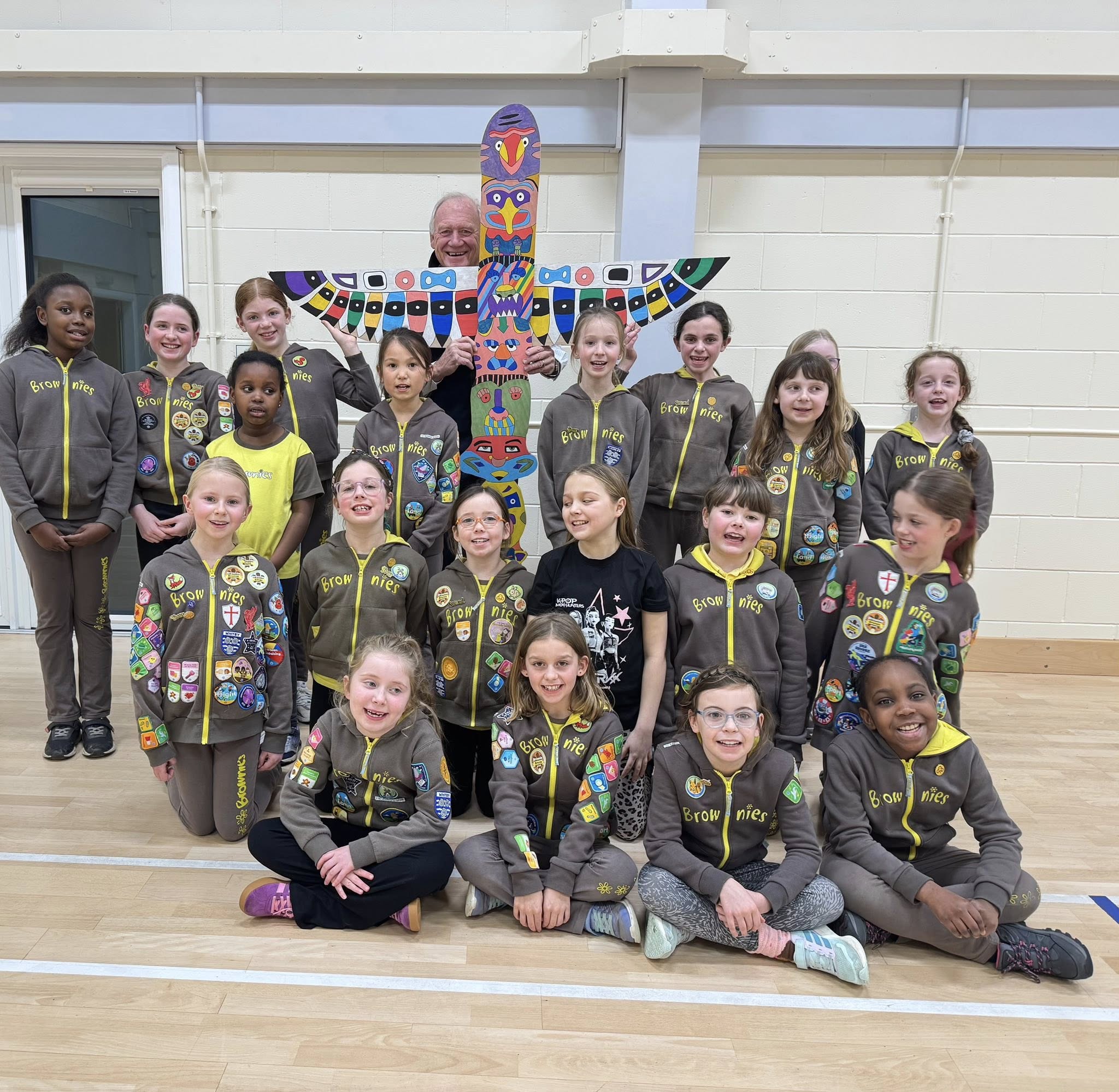
A group of kind-hearted Brownies from near Carlisle have raised thousands of pounds to help vulnerable older people stay warm in winter... and they aren’t quite finished yet!
Since 2013, 1st Wetheral Brownies have supported Cumbria Community Foundation’s annual Winter Warmth Appeal, which gives out vital grants to older people to keep them warm and well through the colder months.
The Brownies have held a sponsored sleepout every winter at chilly spots across Cumbria, including Naworth Castle, Netherby Hall, Wetheral Priory Gatehouse and even in tents, on the shores of Windermere.
So far they have raised over £12,000 – and this week they will be digging out their thermals and doing it all again.
Twenty Brownies and Young Leaders from 1st Wetheral will be joined by 10 Brownies and Guides from Hayton to spend the night in a tipi near Brampton. This year’s theme is a Native American Adventure, and the girls have been making dream catchers and totem poles in preparation.
Their leader Janice Brown, AKA Tawny Owl, explained to That's Health: “We've been learning about Native American culture in preparation for our sponsored sleepout this week.
"The girls have made dream catchers and lanterns, and we’ve been practising our campfire songs and tracking skills, which we will try out in the woods."
She explained why the Brownies support the Winter Warmth Appeal each year, which last winter gave out over £270,000 in grants, benefitting 1,570 vulnerable older people across the county.
“Sleeping out in the cold gives the Brownies a real understanding of what life must be like for older people who can’t afford to heat their homes in winter. So while we always have a lot of fun, the girls know the serious reason for the campaign and do their best to raise as much in sponsorship as possible. They love that the money helps older people in need right here in Cumbria.”
Andy Beeforth, Chief Executive of Cumbria Community Foundation, will be visiting the Brownies at their camp to thank them for their incredible fundraising efforts.
He said: “We have been running the Winter Warmth Appeal since 2010 and have raised in excess of £3m since then. I can honestly say there have been no more dedicated fundraisers in that time than our Brownie friends from Wetheral, and their wonderful volunteer leaders and helpers.
“Unfortunately, the need for the appeal is as great as ever. Every winter, as many as 500 older people in Cumbria die because they cannot afford to heat their homes and eat properly.
“Donations and fundraising by kind-hearted Cumbrians such as the Brownies mean older people won’t have to make the impossible choice of whether to heat their homes or put food on the table.”
The Winter Warmth Appeal is open for donations until March.
Donate by phone: Call 01900 825760 between 9am and 5pm, Monday to Friday.
Donate by post: Please make cheques payable to Cumbria Community Foundation, writing ‘Winter Warmth Fund’ on the back, and send to: Cumbria Community Foundation, Dovenby Hall, Dovenby, Cockermouth, CA13 0PN.
Thanks to Special Event Tipis, Shake, Waffle and Roll, Darren Morgan of Talkin Adventures and Border Group Ltd for supporting the Brownies’ sleepout.
While live-in care promotes longevity and continuity, there are very few instances where a carer resides in the home for a remarkable eight years.
For Mr John Beard and his late wife Jean, this was precisely the case. The bond they formed with their carer, Oyeyemi ‘Yemi’ Olaseinde, was undeniable.
“She used to call me dad,” said a smiling Mr Beard.
Yemi’s eight years of continuous care meant putting her life in London on hold, spending months at a time away from her two daughters. During the pandemic, and as Jean’s dementia worsened, Yemi stayed with the couple for six consecutive months.
This is the longest care placement Elder has facilitated, and perhaps one of the longest examples of “loving care” as Mr Beard describes it, in the country.
We travel to the sleepy but strikingly beautiful part of the UK, Great Longstone in the Peak District, where Mr Beard resides in the Bungalow built for Jean. It’s a home brimming with character and rich in memories.
Greeted at the door by the 90-something-year-old, Mr Beard ushers us over to a framed photo of the couple from their 1954 wedding, and a certificate from the Queen of England acknowledging their diamond anniversary.
As we’re seated in the living room, Mr Beard hands over his wife’s funeral programme and remarks on her picture.
“That was taken when I went into the RAF,” he said.
“We got married on July 10, 1954, and I was called up in October.
“I had it by my locker.”
Mr and Mrs Beard dated from the ages of 16 to 22; their bond solidified at a local church youth club. The couple’s first encounter, or rather Jean first laying eyes on John, was rather comical.
“She once saw me riding to school and thought my cycling was somewhat ungainly," he said, chuckling.
She said to a friend ‘Who’s that drip?’, and she put up with that drip for 71 years.
“She was a bit shy, she was interested in everything, she was straightforward.
“She was my all.”
After Mr Beard left the RAF in 1956, as part of his national service, the couple moved to Sheffield to raise a family. With the welcomed addition of their two children, Alastair and Fiona, the family moved several times before residing in Ashford In The Water, not five kilometres from their Dagenham bungalow.
Jean ran the home whilst devoting her time to her local community. She served as treasurer and a committee member for The Ashford Institute and The Women’s Institute, an organisation that provides a space for women to connect, learn new skills, and campaign on issues. She also volunteered for numerous years at the Bakewell Red Cross Store.
Mr Beard built himself a successful career as an accountant, joining what had been his grandfather’s firm in Sheffield. In retirement, he became heavily involved with the Freemasons. As a member of the charitable committee, he ultimately earned himself the title of Deputy Grand Master for Derbyshire.
Noticing the signs of dementia
Upon Jean’s dementia diagnosis in 2009, it became apparent to Mr Beard that their home of 32 years, a converted 200-year-old barn in Foolow, wasn’t adequate for his wife’s needs.
Relocating to their bungalow a year later, Mr Beard recalled the time both he and Jean realised her condition was worsening.
“She’d taken our grandson to swimming. She had come out (in her vehicle) and didn’t know which way to turn. She turned left instead of right. It was then that I realised that something was wrong.”
“Then we went through all the different stages they go through. They worry about curtains getting pulled, doors being locked.
“Then it gets to the stage where they don’t worry. So in a way it’s good, but it also means they’re at a lower stage.”
It wasn’t until a fall, in which Mrs Beard fractured her pelvis, that Mr Beard realised he needed help.
“At that stage I had to do something,” he said.
“Whilst I could help her during the day, I couldn’t do the night bit as well.”
More than just a carer
At first, the idea of having a carer in the home can be daunting for most, but the help from carer Yemi proved invaluable in so many ways.
Within a few weeks, Yemi and Mrs Beard bonded. Between the care duties, they watched television, shopped, and completed puzzles, a favourite hobby of Mrs Beard’s before her diagnosis.
Mr Beard recalls the smells of Nigerian cooking and how Yemi referred to him as “dad”.
“She was very capable at caring, and she looked after Jean very well,” he said.
For eight years, the Beards, John, Fiona and Alastair, entrusted Yemi to their loved ones’ care. Yemi became the foundation of Jean’s world, and in turn, the family rallied to see Yemi return home to London for breaks when she could.
Mr Beard would pay for Yemi’s train tickets where he could, and Alastair would drive her back to London.
Before going on break, Yemi made sure that John and Jean found the best respite carer.
“We always tried to get the same carers, and Yemi was insistent she got the right person,” Mr Beard said.
“Yemi and I used to look at carers and make our decisions together.
“She (Jean) would settle when Yemi was away, but she always knew her when she came back.”
Away from her two daughters, Yemi was embraced as a member of the family and cared for Mrs Beard until her peaceful passing in March this year.
The benefits of live-in care
There was no doubt in Mr Beard’s mind that home, as opposed to a care home, was where his wife needed to be. Continuity of care and a familiar environment were paramount to Jean’s health, safety, and peace of mind.
“The fact that she was here (home) and I was here, it made life much better for her, and much better for us,” he said.
“Home every time.”
With the bungalow just around the corner from their daughter's home, the couple could expect regular visits from their grandchildren. This, Mr Beard said, used to “pluck up” his wife, especially as her dementia worsened.
“You tried telling her that you loved her very much, but you weren’t sure she was getting it,” he said.
“Towards the end, there wasn’t much reaction, but one breakfast time, I went in and got the most dazzling smile. It was like a ray of sunshine.”
Carer becomes a family member
Yemi knows all too well the hardships faced regarding a dementia diagnosis.
Looking after her grandmother, who lived with dementia, inspired her to become a carer.
“I like being a companion,” she said.
“That’s what a lot of the elderly want. A companion, a friend.”
Yemi’s longest placement with John and Jean Beard was for six months during the pandemic. While it was difficult being away from her two daughters for such a lengthy period, she described the Beard family as “marvellous”.
“Mrs Beard was used to me,” she said.
“I knew all of the family, the grandchildren, everyone.
“When it came time for the placement to end, Mr Beard didn’t want me to go.”
Mr Beard and Yemi still stay connected via regular phone calls.
The importance of an early dementia diagnosis
Mr Beard stressed the importance of looking out for signs of dementia and seeking help and a diagnosis immediately.
“First of all, you’ve got to realise the symptoms and you’ve got to make sure you get them looked at by a psychiatrist, via a doctor, because the signs are always there,” he said.
“It needs to be diagnosed at an early stage, and I’m all for that.”
Elder’s Head of Clinical, Bianca Wardle, concurs.
“From a clinical standpoint, an early dementia diagnosis is fundamentally the most important step a family can take, as it reduces uncertainty and gives the person and their families a greater sense of control,” she said.
“An early diagnosis allows families to develop a personalised care plan, involve relevant professionals, and introduce supportive therapies while the person can fully participate.
“Most importantly, it gives families the time to make informed decisions about care and future planning before a crisis hits.
“Waiting until symptoms worsen can make planning more challenging, may lead to last-minute decisions that affect the person's dignity and well-being, and could contribute to a faster progression of their condition."
This has resulted in 85.5% of residents being able to remain in their home after a fall, instead of a potentially unnecessary trip to A&E.
An innovative healthcare partnership is celebrating its tenth anniversary and has increased the services it provides to mark the milestone.
Immedicare, a partnership between Airedale NHS Foundation Trust and Involve Visual Collaboration, provides digital services delivered by an NHS clinical team, enabling care home residents to receive clinical consultations at home, rather than travelling to hospital.
Recently, Immedicare enhanced its services to care homes, to include seven care elements which align with the Enhanced Health in Care Homes (EHCH) framework. In addition to the core online consultation service, which has received over 150,000 calls from care homes over a 4-year period, Immedicare can now offer support in the following areas:
Falls
Medicines Optimisation
Tissue Viability
Core Skills Training
Enhanced end-of-life care
Nutrition and Hydration
Care Connect
As one example, falls are the leading cause of attendance at hospital A&E departments for older people. In response to this, Immedicare has developed its falls service to provide remote assessments of residents who have fallen, and the development of a falls risk assessment and prevention plan can also be carried out remotely.
This has resulted in 85.5% of residents being able to remain in their home after a fall, instead of a potentially unnecessary trip to A&E. Immedicare has a Consultant Pharmacist as part of our multi-disciplinary team to support medicines optimisation and offer advice in complex cases.
To provide further value to care homes as part of its service development, Immedicare now offers a series of core skills training programmes that can be accessed by care home staff at all levels with over 1,200 care staff having completed our courses over the past year. The training consists of 15 core skills courses which have been specifically designed to upskill care home staff so they can provide the best possible outcomes for their residents.
As part of the new service package, Immedicare has launched a new brand identity, to highlight its enhanced services that care homes now have access to. The new branding will be seen across all of Immedicare’s digital marketing channels as well as having a presence within the Digital care Hub, based at Airedale NHS Foundation Trust.
Marie Buchan, Head of Digital Care Hub at Airedale NHS Foundation Trust commented; “We’re proud of our new branding and how it will be used to raise awareness of the enhanced clinical service offerings, knowing how the new care elements will improve the support Immedicare provides to staff and residents in care homes.”
Mick Roach, who is the Director of Digital Healthcare Alliances, Immedicare said: “We’re so proud to have reached this 10-year milestone and to launch our new brand identity, which reflects the significant development Immedicare has undergone over the past two years to further enhance the services it delivers to its users.
For more information on Immedicare’s services please email: enquiries@immedicare.co.uk or visit our website at www.immedicare.co.uk
Christine Crawford’s* (not her real name) 89-year-old mother is hard of hearing, registered blind and uses a Zimmerframe after breaking her hip and wrist a year ago. “Mum lives about 20 minutes from my house by car,” says Christine, “so I can’t get over there as much as I’d like to, and of course I worry about her constantly.”
So Christine was relieved when the care company contracted by her local authority made sure it sent a carer three times a day to stay with her mother for 30 minutes each time, and longer on a Saturday, her ‘bath day’.
However, when her mother told her that the carer only stayed for about 10-15 minutes each time, alarm bells started ringing.
“We had a meeting with the care company” says Christine. “And they assured us that the carer was staying the full 30-45 minutes each time she came. They even showed us her time-sheets, all filled in precisely to that effect. And they implied that my mother was ‘confused’ about the timings. They basically said she was wrong.”
But what the care company didn’t know, was that Christine had installed a telecare monitoring device, called SeNCit, a few months previously, to keep an electronic ‘eye’ on her mother, and this device could prove that the carer was the one who was lying.
“We weren’t deliberately checking up on the carer,” says Christine. “We had heard about this new device which you pop up on the wall of your elderly relative's house or flat, and it texts you if it doesn’t detect daily movement. So you programme in the hours you would expect to see movement in the home, say between 8am and 11am, when mum would normally use the bathroom, and if there is no movement in this time slot, you get a text – it’s as simple as that. So you know pretty quickly if your relative has had a fall or becomes incapacitated in any way.
“But one of the other functions of this device is that it alerts you when the front door opens – basically so you know when your relative leaves the house or comes back, as this can be a real issue for some elderly people with Alzheimer’s – and so I was able to see exactly when the carer turned up, and when she left.”
In this case, the care company accepted that they had been wrong, and now Christine is pleased to say that her mother gets the full amount of time with her carers each day.
“Without this device I wouldn’t have known though.” She says. “And the old person will always be accused of being confused and getting the times wrong. I think all houses should have these SeNCit devices fitted, so the care companies know that their carers are putting in the time they say they are.”
FACTILE: SeNCit contains a SIM card that can store up to five mobile or landline numbers and the PIR technology that can detect body heat up to 10 metres. Mounted on a wall in a room in the house that the resident has to regularly pass through, often the hall, the alarm will be programmed to detect movement at three key times throughout the day, for example, morning, lunchtime and evening.
What makes SeNCit unique:
The elderly/vulnerable individual does not have to raise the alarm or remember to wear a device;
It's multi-functional, compact and discreet, meaning the elderly/vulnerable individual feels safe but not stigmatised;
Its running costs can be as low as a few pence a month, so with many councils forced to make cutbacks in their social-care budgets, SeNCit is a cost-effective way of keeping an eye on the most vulnerable members of society;
It offers ultimate peace of mind for concerned relatives/friends and will, hopefully, help them to avoid late-night dashes to check on their elderly/vulnerable relative or friend.
It will alert the relative or friend if there is a mains power cut, and then again if the back-up battery is running low.
The service operates on pay as you go or contract, with text costing between 4p and 10p depending on the mobile phone service provider.
As well as detecting lack of movement, SeNCit and SeNCit+ which includes a wireless door sensor also has a number of other functions, including:
A thermometer that will detect if the house temperature has dropped below 18C;
The wireless door sensor device will alert relatives/friends of the vulnerable/elderly individual has wandered out of the house by sending a text message if they open the door;
The door sensor device can also alert relatives/friends of the vulnerable/elderly individual if a carer has not visited when they were expected to;
If there is a power cut, SeNCit will send a text message;
SeNCit can also act as a home-security device and be programmed to alert individuals to movement in a house when a house is unattended.
Also, if a relative is showing alarming habits – e.g. getting up to go to the toilet more in the night could mean a water infection, which could be serious.
The ExtraCare Charitable Trust offers older people the opportunity to enjoy a healthier and more independent lifestyle in a community which represents an alternative to the traditional care homes. The trust has announced its plans to create a new state-of-the –art retirement village in the heart of Coventry, just a short walk from the city centre.
The new complex will be Coventry’s first retirement village and will look to house around 350 senior citizens. Aiming to be finished by 2015, ExtraCare has earmarked Earlsdon Park as the most popular area which will play host to a food store, restaurant, theatre, hotel and cafe amongst other amenities.
The new village will feature a range of homes available for purchase or rent which will be offered to prospective residents aged 55 or over. As well as creating a vibrant and engaging hub for older people to build a new home, there are plans to build a library, well being centre, gym, IT suite and greenhouse for residents to pass their time and build a community around.
ExtraCare is committed to creating a more independent living experience for the residents, in a step away from the traditional care homes across the country. There will, however, be 24 hour support through the Well Being Centre for any residents requiring help.
Any families interested in discovering more about the ExtraCare communities and the holistic approach towards the new residential complexes are invited to register their interest via the website. Click here to navigate straight to the site and find out more.
Michael Kerstein had the best kind of motivation to start supplying assistive technology phones with additional telicare services. He went shopping for a new phone for his Dad!
“My dad is 89, on medication and lives 170 miles away. I visit him when I can, however the distance and being worried about his health means that the phone is a vital life line for us both. When I started looking for a phone that was easy for him to use I realised there were great products on the market but many offerings depended on having someone there for you to set it all up. If half of people over the age of 75 in the UK live on their own many people who need assistive technology phones don’t have that luxury.."
In May 2011, Michael set up www.easiphone.co.uk offering a selection of large button mobiles and telephones suitable for the elderly and disabled in the UK. In addition, Easiphone has unique telicare services which offer pre programming of friends and family and a daily reminder service which sends text or vocal messages to prompt people to remember appointments, when to take their medication, or simple things like birthdays. Customers can receive the phone pre programmed with important contacts and emergency numbers.
Research from Age UK highlights 55% of people over the age of 60 are deaf or hard of hearing, 28% of people over the age of 65 have problems with their eyesight and dementia affects 1 in 6 over the age of 80. Yet 17% have less than weekly contact with family, friends and neighbours.
According to charity Independent Age ‘loneliness is as threatening to health as smoking and obesity’. A big button phone which is hearing aid compatible, easy to read and use, with added features such as alarms, daily reminders, pre-programmed friends and family - is not only useful in emergencies but vital to keep elderly and disabled people feeling independent yet socially included and in touch with friends.
As Michael says: "At Easiphone all our products are easy to use, easy to hear and easy to see. Our telicare services can help the most vulnerable be better connected & offer peace of mind for family, friends and carers who cannot be there 24/7"
To celebrate National Carers Week Easiphone are offering free friends and family pre programming and 1 months daily reminders telicare package with every phone purchased between now and 30th June 2011.
'Community Crops' is a Bupa care homes initiative which promotes the health benefits associated with gardening and growing your own fruit and veg.
The project is being supported by young people involved with The Prince's Trust, who are working with Bupa homes, including nursing care homes, across the UK to help sow and grow the crops.
Residents have also been inviting local schools and community groups to lend a hand with planting and start their own vegetable plots.
Caroline Davy, Bupa's community affairs assistant, said: "This is a great way for our residents to appreciate the fresh air, stay active and get a real sense of achievement by tending to the crops and watching them grow.
"For our residents who were keen gardeners before they joined us, 'Community Crops' offers a great opportunity to get involved in gardening again, but it also helps minds as well as bodies.
Particularly for our residents receiving dementia care, sharing stories about 'dig for victory' and the tradition of growing your own are excellent memory triggers to aid connections with the past."
Helen Thurston, from The Prince's Trust added: "'The Community Crops' campaign is a fantastic project which provides our Prince's Trust XL club members with the opportunity to get involved with their local community. It enables young people to engage in a positive way with a different generation and learn about the importance of healthy eating."
Altogether, the Community Crops campaign has taken root in gardens and greenhouses in over 300 care homes across the UK.
FACTFILE:
Bupa Care Services runs 305 nursing and residential homes in the UK and cares for almost 18,500 people. Its homes are open to everyone - with over 70 percent of UK residents receiving state funding. It offers Alzheimer's Society-trained Dementia Champions in its UK specialist care homes and over 25% of its beds in the UK are registered for specialist dementia care. Bupa Care Services employs over 27,000 people and owns care homes in Spain, Australia, and New Zealand.
Bupa's purpose is to help people lead longer, healthier, happier lives. A leading international healthcare group, it offers personal and company health insurance, run care homes for older people and hospitals, and provide workplace health services, health assessments and chronic disease management services, including health coaching, and home healthcare.
With no shareholders, Bupa invests its profits to provide more and better healthcare. It is committed to making quality, patient-centred, affordable healthcare more accessible in the areas of wellness, chronic disease management and ageing.