Showing posts with label men. Show all posts

Monday, 13 April 2026

Scottish football unites to tackle most common cancer in young men

Scottish football is uniting this weekend to tackle the most common cancer affecting young men, as clubs across the country back a national awareness campaign encouraging men to check themselves and catch the disease early.

“Tackling Testicular Cancer”, led by Cahonas Scotland in partnership with PFA Scotland, is using the reach of the game to drive awareness of early detection and break down stigma around men’s health.

Testicular cancer is the most common cancer in men aged 15 to 45, with around 2,400 men diagnosed each year in the UK. When detected early, survival rates are above 95%. Despite this, many men still do not check themselves regularly or delay speaking to a doctor.

Clubs across Scotland, including Celtic, Dundee, Livingston, Dundee United and St Mirren, are taking part across the weekend, with further activity involving Falkirk and Rangers.

Players have been wearing campaign warm-up shirts, while Cahonas Scotland has delivered awareness sessions directly to professional squads, taking the message into dressing rooms and using football’s reach to connect with men across Scotland.

Celtic captain Callum McGregor told That's Health: “As a club, we’re proud to support the ‘Tackling Testicular Cancer’ campaign this weekend. It’s the most common cancer affecting young men, but when it’s identified early it is highly treatable.

Raising awareness is vital, and we would encourage everyone to take a moment to understand the signs and symptoms and to carry out regular self-checks.

Speaking after a session with Cahonas Scotland, Rangers midfielder Connor Barron told us: “It was really interesting having Cahonas in today. Hearing the stories and learning how to check yourself properly was important, and it helps take away some of the embarrassment around it.

It’s something we’ll all take away, because checking yourself only takes a couple of minutes and it could save your life.”

Paul McCaffery, Community Engagement Officer at Cahonas Scotland and a testicular cancer survivor, said: “I say Cahonas saved my life because I found my lump using their self-check guide. I didn’t know what to look for before that. I went through surgery and chemotherapy, and now I’m working with the charity to make sure other men don’t go through it alone.”

Ritchie Marshall, CEO of Cahonas Scotland, added: “Testicular cancer is the most common cancer in young men, yet too many are still not checking themselves. By taking this message into football, we can reach men who might never otherwise hear it, and that can save lives.”

Men are encouraged to check themselves monthly and speak to a doctor if they notice any changes.

https://www.cahonasscotland.org

Friday, 20 February 2026

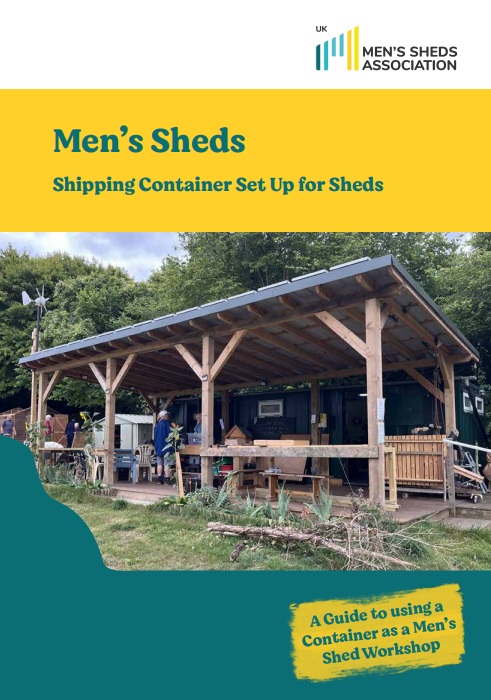
UK Men’s Sheds Association launches new guide to help communities set up Men’s Sheds in shipping containers

The UK Men’s Sheds Association (UKMSA) has launched a free practical guide to help communities across the UK establish Men’s Sheds using shipping containers - a flexible, affordable and increasingly popular solution for creating safe workshop and social spaces for men.

Men’s Sheds play a vital role in tackling loneliness and social isolation, particularly among older men and those experiencing life changes such as retirement, bereavement or poor health. 

By providing shared spaces where men can connect, learn skills and support one another, Sheds contribute positively to mental health, suicide prevention, alcohol moderation and community wellbeing.

With community premises hard to come by in many areas of the UK, the new publication, Shipping Container Set Up for Sheds, draws on real-world experience from Men’s Sheds currently operating in containers, including detailed case studies from Amersham and Wendover Men’s Sheds. 

As of December 2025, at least 27 Men’s Sheds across the UK are using shipping containers as their main workshop space.

“The container didn’t just solve our space issue - it gave our members a meaningful project. Refitting it ourselves created purpose, teamwork and real pride. The finished workshop represents not just a building, but the confidence and skills gained along the way,” John Latchford of Amersham Men’s Shed in Buckinghamshire, told That's Health.

Shipping containers offer a quick and cost-effective way for new and developing Sheds to get started, particularly where permanent buildings are not viable. They are secure, weather-resistant, portable, and can be adapted for workshops, social spaces, storage and off-grid use.

The guide covers every stage of the process, including:

Planning, access and foundations

Power, lighting and ventilation

Health and safety, insurance and regulatory considerations

Workshop layout and future expansion

Insulation, noise control and dust management

Real case studies and practical lessons learned

The guide also highlights how container-based Sheds can grow over time, with examples of modular expansion, outdoor covered workspaces and renewable energy solutions.

By sharing practical advice and honest insights from experienced Sheds, UKMSA aims to reduce barriers for communities looking to create welcoming spaces that support men’s health, wellbeing and social connection.

“Shipping containers have enabled many Sheds to get up and running quickly and safely, often in places where no other option existed,” Rachel Meadows, head of development at UKMSA, added. 

“This guide brings together the collective knowledge of Shedders who’ve already done it, helping others avoid common pitfalls and make informed decisions.”

The Shipping Container Set Up for Sheds guide is aimed at community groups, local authorities, funders and anyone interested in developing a Men’s Shed. It is available now at https://menssheds.org.uk/mens-sheds-resources/

For more information on starting up a Men’s Shed visit https://menssheds.org.uk/start-a-shed/

Tuesday, 2 December 2025

UKMSA welcomes London Assembly’s report into Men’s Mental Health in London, highlightings how partnership working helps people create more Sheds across London

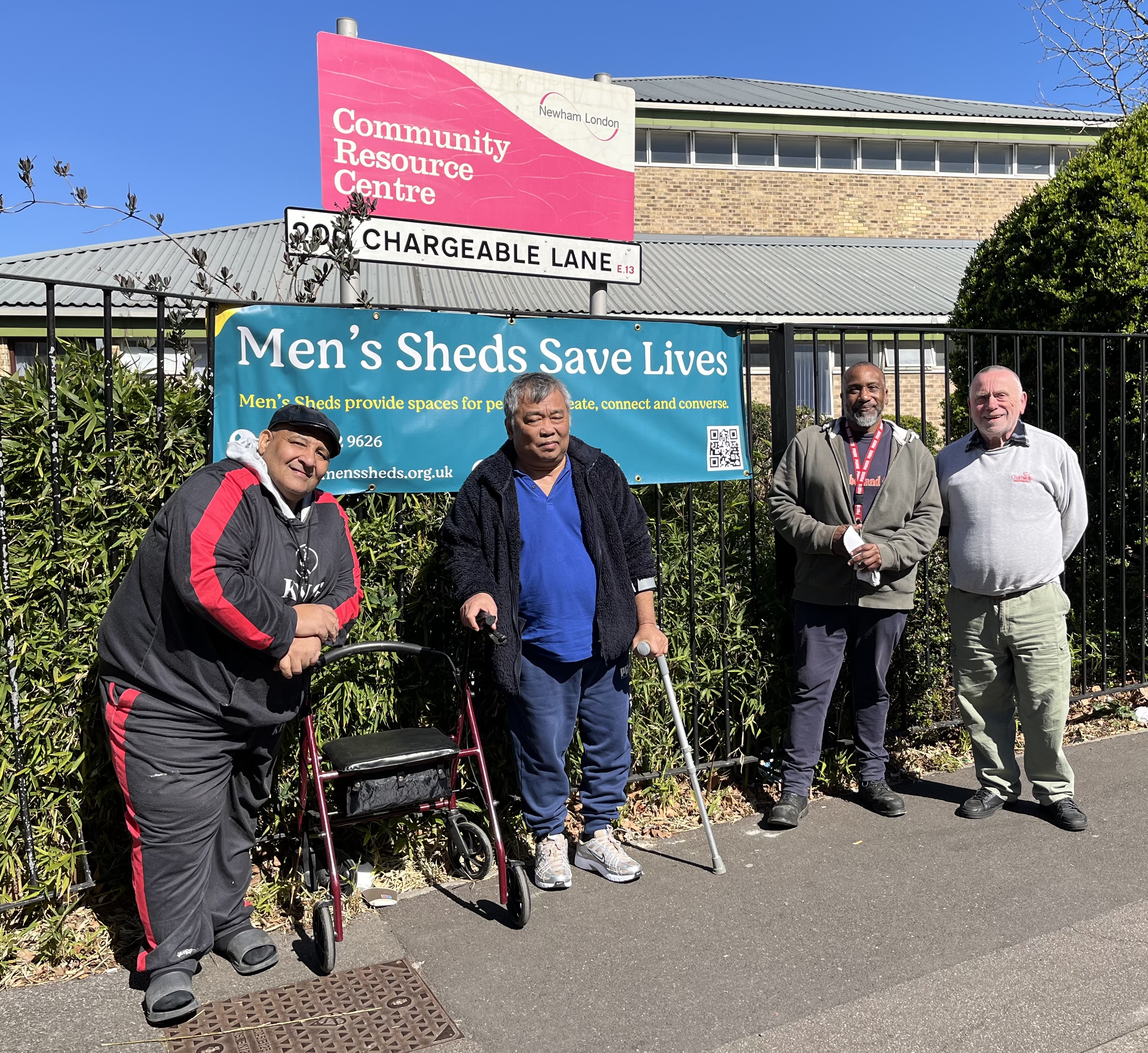
The UK Men’s Sheds Association welcomes the London Assembly’s report into Men’s Mental Health in London, which shines a much-needed light on the challenges many men face across the capital including loneliness, stress and a lack of accessible community spaces.

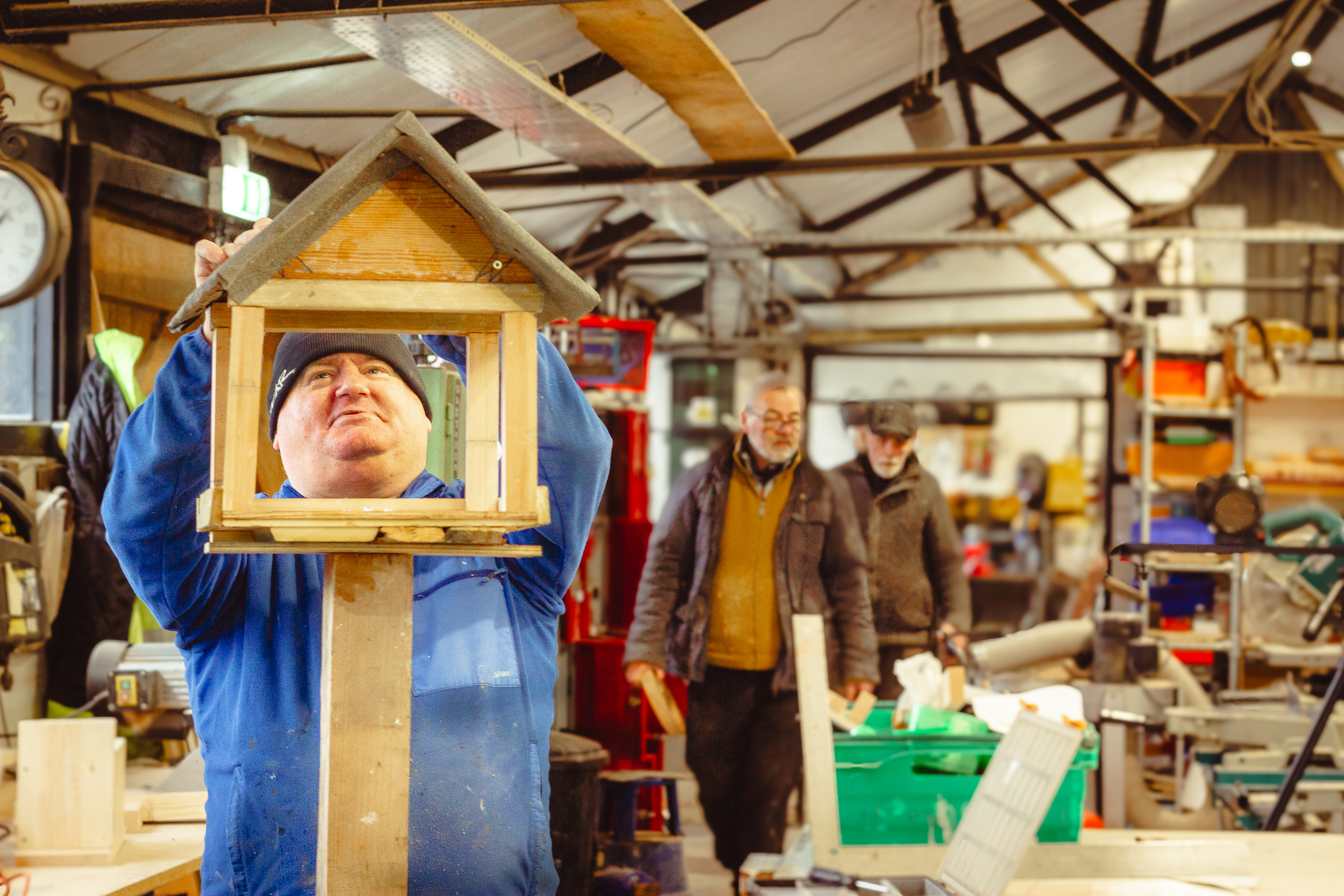
Men’s Sheds are mainly volunteer-led spaces, where men come together to make, mend and build friendships. 

They offer informal, practical spaces that support wellbeing simply by giving men a place to belong.

“Following the premature death of my daughter from a car crash, I fell off the rails. I felt that I did not want to do anything or mix with anybody. 

"After finding Men in Sheds, I have rebuilt my life, and I have found a group of new and diverse friends. It has also renewed my love of woodwork. The group talk about many subjects, and it feels like a safe place to discuss many difficult subjects,” said Dave, Shedder, 62.

However, many London boroughs still have no Sheds, and volunteers need access to affordable premises and local support to open more.

Caroline Ellis, CEO of UKMSA, said: “London can be a fantastic city, but it can also be a lonely one. Sheds offer men a place to turn up, get involved and feel part of something. We welcome the Mayor’s focus on men’s mental health and the recognition that community-led spaces must be part of the solution. With the right partnerships, we can support volunteers to open more Sheds across the capital.”

For Age UK Bexley, that is what Men in Sheds projects are all about: fostering supportive social networks whilst giving members the chance to be creative in the wood workshop. 

"In our last impact survey in September 2025, 100% of our members surveyed agreed with the statement “I have formed new social connections or friendships since joining the shed”. 

"We see new members join at moments of significant life change, including bereavement, and it’s inspiring to see how much joy, purpose, and camaraderie they find amongst their peers in the Shed," said Emily Willey, Service Manager, Age UK Bexley

https://menssheds.org.uk

Tuesday, 14 January 2025

The UK Talk Club: Promoting Mental Health Through Open Conversations

Mental health has become one of the most pressing issues of our time, with millions of people in the UK and beyond grappling with challenges like anxiety, depression, and stress. 

While awareness around mental health has grown significantly, finding effective ways to address these issues remains crucial. 

One such initiative making a real difference is the Talk Club, a UK-based mental health promotion scheme that’s empowering individuals to open up and support one another.

What Is Talk Club?

Talk Club is a talking and listening movement designed to improve mental fitness. Founded in 2019 by Ben Akers and Gavin Thorpe, the initiative aims to create safe spaces where men and women can share their feelings, connect with others, and support one another. At its core, Talk Club is about prevention—encouraging people to talk about their mental health before it reaches a crisis point.

How Talk Club Works

The structure of Talk Club is simple yet profoundly effective. Members meet in small groups, either in person or online, to discuss how they’re feeling. Each session begins with a simple question: “How are you out of 10?” This scoring system allows participants to reflect on their mental state and share their feelings in a structured way.

The sessions are guided by clear rules:

No judgment – Everyone’s feelings are valid, and no one is criticized or dismissed.

Confidentiality – What’s shared in the group stays in the group.

Equality – Every participant has an equal opportunity to speak and be heard.

Talk Club isn’t about offering solutions or professional therapy—it’s about creating a space for honest conversations and mutual support.

Why Talk Club Matters

Breaking the Stigma Around Mental Health

One of the biggest barriers to seeking help is the stigma associated with mental health issues. Talk Club normalizes conversations about mental well-being, helping individuals feel less alone and more understood.

Encouraging Preventative Action

By encouraging regular check-ins, Talk Club promotes early intervention. Talking about feelings and challenges can prevent small issues from escalating into larger problems.

Building a Supportive Community

Talk Club fosters a sense of belonging. Participants often form deep connections with others who share similar struggles, creating a support network that extends beyond the sessions.

Focusing on Mental Fitness

Talk Club takes a proactive approach by emphasizing mental fitness, much like physical fitness. This perspective encourages participants to regularly care for their mental health, rather than waiting until they’re in crisis.

Expanding Reach and Impact

While Talk Club started as a movement for men, it has since expanded to include women and specialized groups for different needs. The initiative has partnered with workplaces, schools, and community organisations to reach more people and promote mental health awareness.

In addition to regular sessions, Talk Club offers:

Online Resources – Tools and guides to help individuals reflect on and improve their mental well-being.

Fundraising Initiatives – Events like fitness challenges and charity runs to support mental health projects.

Corporate Programmes – Helping businesses foster a culture of openness and support for employees.

Real Stories, Real Impact

Talk Club has already made a significant difference in the lives of its members. Participants often report feeling lighter, more connected, and better equipped to handle life’s challenges after attending sessions. For many, Talk Club has been a lifeline, offering hope and support when they needed it most.

How to Get Involved

Joining Talk Club is simple. Visit their website to find a group near you or sign up for an online session. If there isn’t a group in your area, you can even start your own with the support of Talk Club’s resources and training.

Conclusion

The UK Talk Club is more than just a mental health scheme—it’s a movement that’s changing lives. By encouraging open conversations and fostering supportive communities, Talk Club is helping individuals build resilience and improve their mental fitness. In a world where mental health challenges are increasingly common, initiatives like Talk Club remind us of the power of connection and the importance of simply asking, “How are you?”

For anyone looking to take a step toward better mental health, Talk Club offers a simple yet powerful starting point. Because sometimes, the most profound change begins with a conversation.

https://talkclub.org.

Saturday, 14 April 2012

Helping Your Man Help Himself - New research and resources for Orchid Male Cancer Awareness Week

New research highlights overwhelming psychological impact of testicular cancer and need for specialist support.

Following new research released by Orchid, the male cancer charity, for Orchid Male Cancer Awareness Week (23-29 April 2012), highlighting the overwhelming psychological and emotional impact of testicular cancer, Orchid now offer further specialist support resources making it easier for men to take the first step to help themselves, seek quicker diagnosis and maximise the chance of successful treatment.

New research reveals that over two thirds of men (63%) are left so anxious and depressed following their testicular cancer diagnosis that they found it hard to socialise. Furthermore, 86% of men said their confidence and performance at work suffered as a result of their diagnosis and nearly 70% were worried about how their diagnosis would affect their relationship and sex life.

However, in spite of the overwhelming impact of this post-diagnosis anxiety and fear, nearly 40% of men delayed discussing how they were feeling with their partner and over a third (35%) waited at least a few weeks before going to see their GP, once they’d found a lump. This lack of communication and inability to seek help is potentially putting mens’ lives at risk.

In light of this new research, Orchid is launching a new testicular cancer booklet with support and input from patients and consultants to mark this years’ Orchid Male Cancer Awareness Week (23-29 April 2012). Written by a male cancer nurse specialist, the booklet provides men with comprehensive advice on testicular cancer and aims to increase awareness of testicular health in general as well as providing support for men who have been diagnosed and are being treated for testicular cancer.

Orchid also now offers a confidential listening and support service staffed by specialist nurses providing advice as well as psychological and emotional support to help sufferers take the first vital step towards seeking treatment as well as providing ongoing support throughout their cancer experience. Research has shown that an overwhelming 81% of sufferers would welcome such specialist support.

Every year over 37,400 men will be diagnosed with a male specific cancer. Testicular cancer is the most common cancer in younger men aged between 15 and 45, and the rate is increasing. The most likely way this cancer can initially be identified is by finding a lump or change in the testicle. In over 25% of cases, the cancer has already spread by the time of diagnosis but, if caught at an early stage, the probability of a successful cure is more than 98% .

Rebecca Porta, Chief Executive of Orchid comments: “Male cancer awareness is a significant problem in the UK today and it can still be a challenge to get men to take their health seriously. As this research shows, we all have a role to play in working together to fight male cancer whether it’s to encourage self-checks or to seek medical advice and information. We’re calling on all friends and team mates as well as close family and partners to be proactive in encouraging the man in their lives – their husband, father, son, brother – to be more male cancer aware.”

If you would like more information about Orchid and details about how you can fight male cancer or raise funds for research into male specific cancers, visit www.orchid-cancer.org.uk for more details.

Sunday, 15 January 2012

More men have eating disorders, says expert

An increasing number of men are seeking help for eating disorders, says men’s therapist Dr. Phil Tyson.

Dr. Tyson says that national statistics estimate that between 10 and 25 per cent of people experiencing eating disorders are men

Dr. Tyson says that his practice, based in Manchester, is reflecting this statistic.

“We are now seeing 17 and 18-year-old males exhibiting the similar cultural pressures that young girls and women have always had: to be ‘beautiful’.”

Dr. Tyson says that men are presenting themselves with a wide range of unhealthy body issues including an addiction to exercise and poor diet, sometimes also coupled with the taking of steroids, in order to try to achieve ‘male beauty’.

Other symptoms can include anorexia and bulimia or bigorexia (also known as reverse anorexia) where a man is showing compulsive obsessive behaviour to continually build his muscles.

“It’s quite evident that there is a lack of professional resources for men suffering from eating disorders in the UK. The exception is the charitable organisation ‘Men Get Eating Disorders Too’ which provides some guidance and signposting and is working hard to raise awareness.

“However, many professional counsellors and psychotherapists have not been trained to recognise the symptoms and are failing to notice and treat men with eating disorders.

“Equally, men find it difficult to accept diagnosis and treatment although there’s not much support available particularly in the NHS.”

Dr. Tyson, 44, works as a counsellor and psychotherapist, based in Manchester, and specialises in working with men and couples, particularly in the areas of depression, anxiety disorders, premature ejaculation, sex addiction, bereavement, terminal illness, and health anxiety.

He also writes a blog about men’s well-being and mental health, as well as essays on counselling and related themes.

He is regularly quoted in national magazines and talks on radio about men’s and relationship issues.

Last year, he published his first book “An Ethnographic Study of a Counsellor Training Programme: Person Centred Theory in Action.” about his experiences of training to be a psychotherapist 10 years ago.

He is an Accredited Member of the British Association for Counselling and Psychotherapy (BACP).

He has three degrees from the University of Manchester: a 1st class degree in Psychology, a Master of Philosophy in HIV Counselling and Support, and a Ph.D. in Counselling Theory and Counselling Practice.

Dr. Tyson is also a former lecturer in psychology at Manchester Metropolitan University.

Sunday, 8 January 2012

New Natural Device Improves Men’s Health and Sexual Wellbeing

Fine Treatment offersa  new natural device for prostate care that assists men to get rid of benign prostatic hypertrophy (BPH). Natural prostate gland wellbeing fundamentally comes from offering the prostate what it really requires naturally. New Thermobalancing Therapy enabled by this device gives to a man such internal security.

Men’s Health news of Fine Treatment that a prostate enlargement can be treated at home without going to hospitals and taking drugs makes the Thermobalancing Therapy an important part of their healthy living. No other current prostate enlargement treatments can do what this therapy does, that is why this natural treatment is essential. According to Men’s Health Network (MHN) benign prostatic hyperplasia is a progressive condition in which the prostate becomes enlarged and BPH is associated with decreased quality of life, worsened sex performance, reduced sexual drive and more frequent erectile dysfunction.

“This men’s health news is crucial matter as most men don’t know how to maintain prostate health,” says Dr. Allen. “The Thermobalancing Therapy is extremely effective BPH treatment that has proven successful in supporting men's health and sexual wellbeing.”

Contrary to all other of prostate treatments, Dr. Allen’s device for prostate care really helps suffers with prostate enlargement that is why it is great medical and social news for men’s health. Medical documents of a Fine Treatment’s patient were discussed by Oxford Innovation Centre in the video on this page. David explained how he shrank his hugely enlarged prostate so the open prostatectomy surgery was cancelled.

Fine Treatment is able to deliver Dr Allen’s device for prostate care all around the World. The device creates the ideal conditions for the body’s own natural defence mechanisms to rebuild the damaged tissues in the prostate and recover from BPH or prostatitis, relieving pain and other symptoms. The therapeutic device shrinks the prostate and takes off the symptoms restoring potency and increasing libido. That is why the exclusive prostate treatment is valuable news for every man’s health and sexual wellbeing. For more information please visit the Fine Treatment website: www.finetreatment.co.uk/natural-alternative/prostate-treatment.html

British men have serious body insecurities - New Report

New research shows that men have serious issues and that talking about your body is no longer confined to women.

A major national study examining British men’s attitudes to their appearance reveals that over four in five (80.7%) men regularly engage in conversation about one another’s body and that most are unhappy with their muscularity. The study found that men talk most about their unhappiness with their stomach, refered to most commonly as their beer belly.

The study, a collaboration between experts at the Centre for Appearance Research (CAR) at UWE Bristol, The Succeed Foundation and Central YMCA, also revealed that more than 35% of men would sacrifice a year of life to achieve their ideal body weight or shape. The majority of men surveyed were unhappy with their level of muscularity – most didn’t think their arms (62.8%) or chests (62.9%) were muscular enough.

Over half of men questioned (58.6%) said that body talk affects them personally, mostly in a negative way. This mirrors research in women which shows that listening to just five minutes of body talk can lower overall body confidence. Men revealed that body talk affected their self-esteem, made them more self-conscious and in some cases prevented them from going to the gym.

Nearly all men questioned (95.5%) said they see or hear body talk in the media and that nearly four in five (80.7%) gym members admitted to engaging in body talk in the gym. The most popular terms men use to describe another man’s appearance include commenting on his beer belly (74.5%); six pack (69.8%); or man boobs (moobs) (63%). Nearly half of men also used the terms chubby (46.1%) and ripped (42.4%) to describe another man’s appearance.

‘Body talk’ is the term used to describe conversation in which men reinforce and buy into the unrealistic male body image ‘beauty ideal’ which emphasises leanness and muscularity, for example, by commenting on, and comparing their appearance to, this ‘ideal’.

This desire for more muscle mass may explain why one in five (18.2%) men questioned is on high protein diet, and nearly one in three (32%) use protein supplements.

Dr Phillippa Diedrichs, who conducted the study at the Centre for Appearance Research at UWE Bristol, said, “This research really demonstrates that body image is an issue for everyone, and that we need to take a collaborative approach towards promoting an environment that values diversity in appearance and promotes healthy body image.”

Rosi Prescott, Chief Executive of Central YMCA which commissioned the research in partnership with The Succeed Foundation said, “Historically conversation about your body has been perceived as something women do, but it is clear from this research that men are also guilty of commenting on one another’s bodies; and in many cases this is having a damaging effect. The high levels of body talk that we have found in men are symptomatic of a growing obsession with appearance. The fact that one in three men would sacrifice a year of life to achieve their ideal weight and shape is a worrying sign and suggests that men are placing more value on their appearance than on other things, including life itself.”

Karine Berthou, founder of UK-based eating disorders charity The Succeed Foundation, who co-commissioned the survey, said, “Negative body image is a serious issue in our society and is a key risk factor in the development of eating disorders. 17.4% of men had a definite fear that they might gain weight every day and 31.9% of men reported that they had “exercised in a driven or compulsive way” as a means of controlling weight. This sort of disordered eating and exercise behavior is deeply concerning and highlights that men must be included in eating disorder and body image programmes. Succeed is committed to providing such programmes for everyone.”

Further statistics of note:

• 17.4% of men had a definite fear that they might gain weight every day

• 17.8% of men felt fat every day

• 4.1% of men reported making themselves sick as a mean of controlling their weight at least once

• 3.4% of men reported using laxatives as a means of controlling shape and weight at least once

• 31.9% of men reported that they had “exercised in a driven or compulsive way” as a means of controlling weight at least once

• 32.4% of straight men and 59.2% of gay men compare their appearance to people who are better looking than they are.

For more information about the research please go to: www.ymca.co.uk/bodyconfidence/bodytalk


FACTFILE:
The Centre for Appearance Research (CAR) is a multi-disciplinary research centre based at UWE Bristol. CAR acts as a focus and centre of excellence for psychological and interdisciplinary research in appearance, disfigurement, body image and related studies.

Central YMCA is a leading health and education charity and is working with young people in schools to raise awareness of body image issues and is part of the Government’s Expert Working Group on Body Image.

Central YMCA provides the secretariat to the All Party Parliamentary Group on Body Image which is currently conducting an Inquiry into the causes and consequences of body image anxiety. Further information on the group can be accessed here: www.ymca.co.uk/bodyconfidence/parliament

The Succeed Foundation – The Succeed Foundation is committed to supporting and developing innovative and evidence-based programmes and strategies to prevent and treat eating disorders and promote wellbeing. Founded in 2010 by Karine Berthou, The Foundation is focused on making available these strategies to men, women and children; young and old.

Together with individuals, carers, clinicians and researchers, The Succeed Foundation uses a holistic approach to work towards creating a world free from eating disorders. http://www.succeed-foundation.org