Thursday, 5 March 2026

National Napping Day: Why a Short Snooze Might Be the Smartest Part of Your Day

National Napping Day highlights the benefits of short daytime naps and why a quick power nap can boost mood, focus, and productivity after the clocks change. 

Every year, the day after the clocks move forward for British Summer Time brings a surprisingly welcome observance: National Napping Day. 

Falling on the Monday after the spring time change, this unofficial holiday recognises something most of us secretly crave, a little extra sleep.

While losing an hour when the clocks go forward can leave many people feeling groggy, National Napping Day encourages us to recharge with a short daytime rest. 

But this day is about more than simply catching up on missed sleep. It’s also an opportunity to recognise the real health and productivity benefits of a well-timed nap.

Why We Feel So Tired After the Clocks Change

When the clocks move forward in March, our internal body clock, known as the circadian rhythm, doesn’t immediately adjust. Even losing just one hour of sleep can leave people feeling sluggish, irritable, and unfocused.

Studies have shown that the days following the clock change often bring increases in:

Workplace fatigue

Reduced concentration

Lower productivity

Higher accident rates

National Napping Day was originally created to help people acknowledge this temporary disruption and encourage healthier rest habits.

The Science Behind Power Naps

Far from being a sign of laziness, a short nap can actually improve both mental and physical performance.

Research into “power naps” suggests that a nap lasting 10–20 minutes can provide several benefits:

Improved alertness

Better memory and learning

Enhanced mood

Reduced stress

Greater creativity

Recuperation from illnesses such as COVID, 'flu, etc

Many successful professionals, athletes, and even historical figures were known fans of daytime naps.

For example, Winston Churchill famously believed a midday nap helped him stay productive during the intense pressures of wartime leadership.

How to Take the Perfect Nap

If you’re tempted to celebrate National Napping Day properly, there is a bit of technique involved.

Sleep experts generally recommend:

Keep it short

Aim for 10–20 minutes. Longer naps can leave you feeling groggy.

Nap earlier in the day

Early afternoon is ideal, when the body naturally experiences a dip in energy.

Create a calm environment

A quiet, comfortable space makes a huge difference.

Set an alarm

It prevents a quick nap turning into a full sleep cycle.

Even closing your eyes and relaxing for a short time can have restorative effects.

A Gentle Reminder to Slow Down

In a culture that often glorifies constant productivity, National Napping Day offers a refreshing reminder that rest is not wasted time. In fact, it can be one of the simplest ways to improve wellbeing and maintain focus throughout a busy day.

Whether you sneak in a quick power nap, take a quiet break with a cup of tea, or simply go to bed a little earlier tonight, the message is clear: sometimes the most productive thing you can do is rest.

So if you find yourself yawning after the clocks change this spring, remember, you might just be celebrating National Napping Day exactly as intended.

Youth Sport Trust Conference Celebrates New Era for PE and School Sport as Government Extends Inclusion 2028 Grant

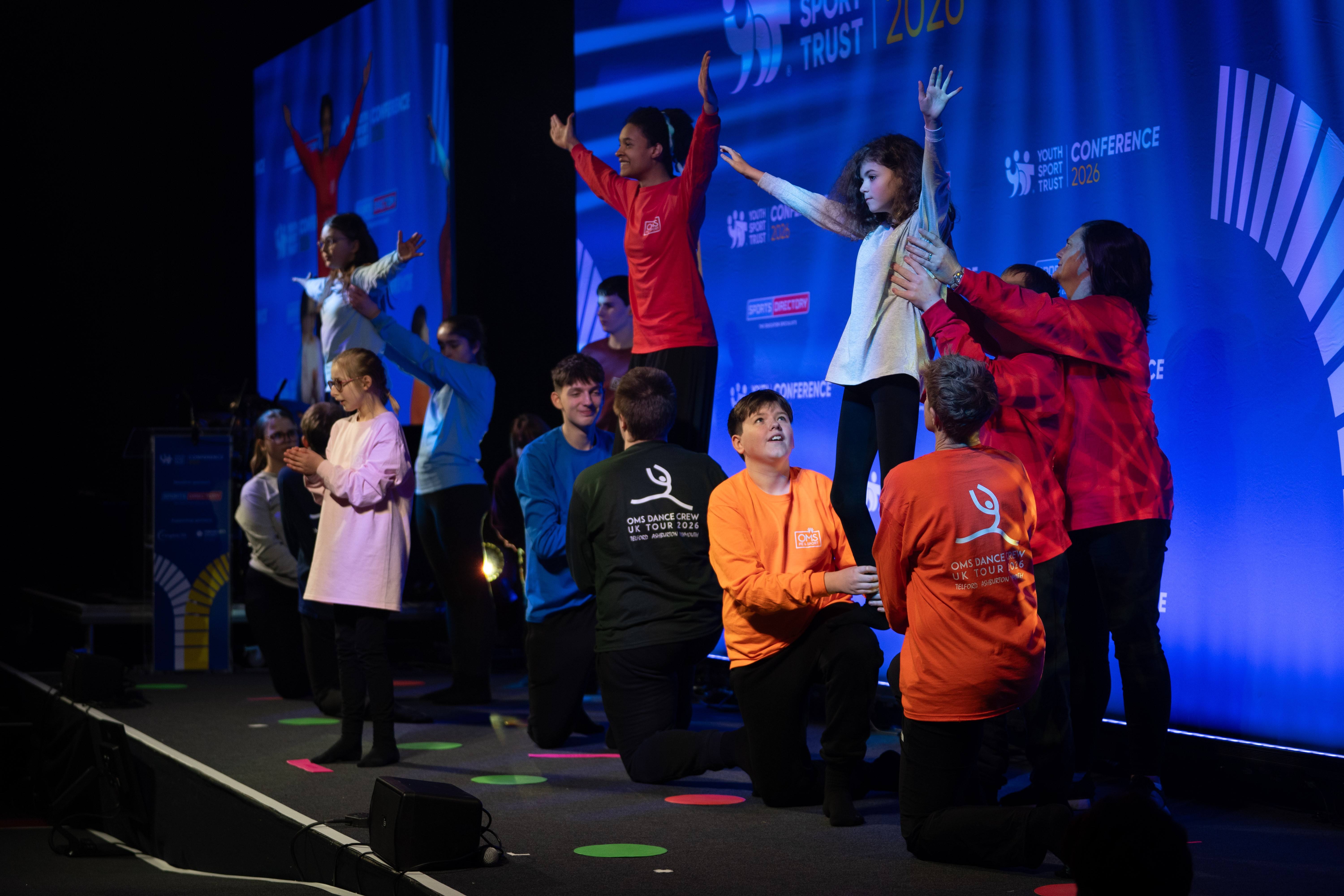
The Youth Sport Trust Conference 2026 brought together educators and partners from across the UK on 4th March 2026 at the Telford International Centre, Shropshire, for a key industry event exploring how physical education, sport and play can help young people be happy, healthy and thriving as we move into a new era for PE and School Sport.

During the event, School Standards Minister, Georgia Gould, addressed delegates via a recorded video message, announcing an extension of the Inclusion 2028 grant, reaffirming the Government’s commitment to improving access to inclusive sport and physical activity opportunities for young people across the country. 

The continuation of the Inclusion 2028 programme, led by Youth Sport Trust alongside a consortium of partners, will support more schools to embed inclusive practice through PE, sport and play.

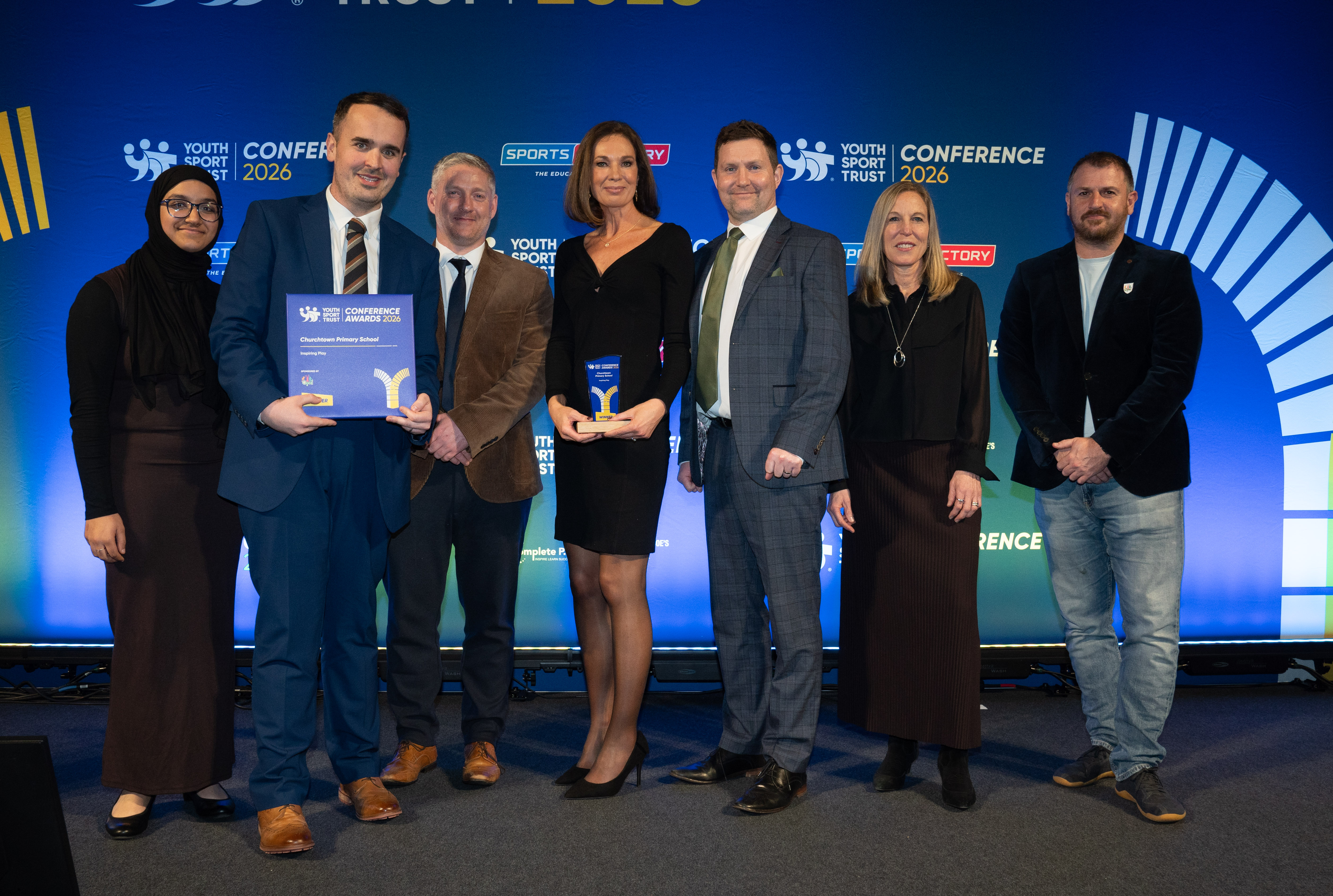
An additional highlight of the event was the Youth Sport Trust Awards Dinner, held on the evening of 3rd March, hosted by TV presenter and Youth Sport Trust Early Years Champion, Radzi Chinyanganya. Schools, trusts and individuals were recognised for their commitment to creating positive change in the lives of young people through play, sport and physical activity. 

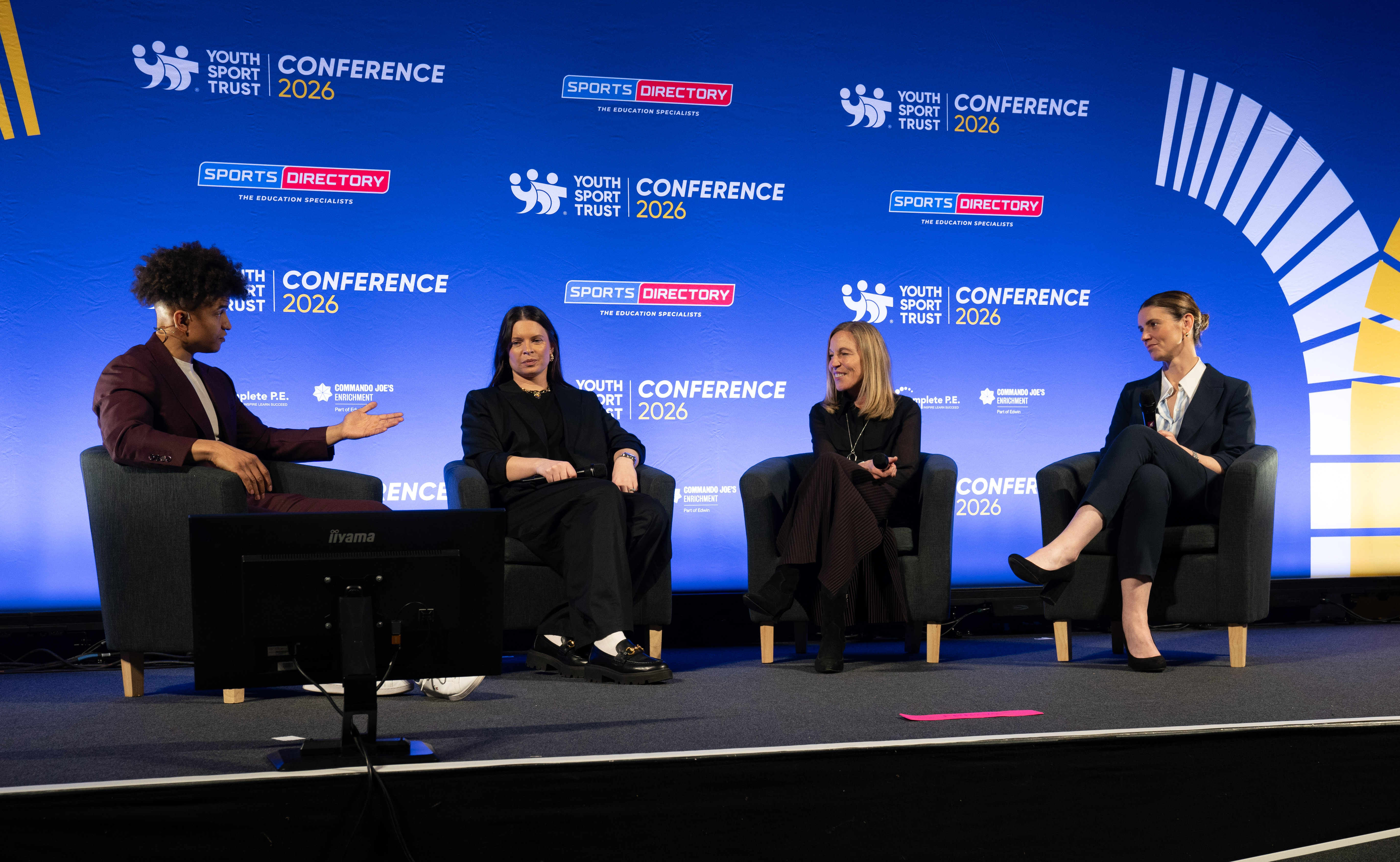
Red Roses legends Sarah Hunter and Abbie Ward and Managing Director of the recent Women’s Rugby World Cup, Sarah Massey, also joined the event for a fireside chat to reflect on their experience of the tournament, what it means for girls in the game, and the importance of school sport.

This year’s awards included a special accolade for Churchtown Primary School in Southport, Merseyside, which received recognition for an extraordinary community-led initiative centred around the healing and transformational power of play. 

Furthermore, pupils from Endeavour Learning Trust where also invited to open the event with a special performance, combining a powerful monologue with expressive dance, which honoured all of those impacted by the 2024 Southport attack.

Following the tragic loss of two much-loved pupils, Alice da Silva Aguiar and Bebe King, in July 2024, the school worked with pupils, families and the wider community to channel their collective grief into community action. 

Through a range of pupil-driven fundraising events, including danceathons, colour runs, and a multi-school relay, more than £380,000 was raised to fund an inclusive play space designed to honour the memory of Alice and Bebe and to provide future generations of children with opportunities for play and connection.

At the Conference, Churchtown’s work stood as a moving example of the way schools can harness the power of play to build stronger, more connected communities, even in the face of unimaginable adversity, and how sport and play can influence children’s emotional as well as physical wellbeing.

Ali Oliver MBE, Youth Sport Trust CEO, told That's Health: “Churchtown Primary School’s inspiring story brought to life the essential connection between a school and its community, and it illustrates so powerfully how shared responsibility for children’s physical social and emotional development can rebuild hope and light amidst sadness and pain. 

"It's also a wonderful example of therapeutic and restorative power of play with the school’s memorial playground providing a safe and happy place for children to enjoy being active, being together and being free. We are honoured to celebrate the efforts of the school and its local community as part of our 2026 conference awards.

“Additionally, we were incredibly pleased to hear through a conference message from the Minister of State, Georgia Gould MP, the Government has announcement the next years funding for the Department for Education Inclusion 2028 grant programme. Just days before the start of the Winter Paralympics, this reinforces a commitment to inclusive opportunities in PE and the call from the British Paralympic Association for ‘equal play’ for every child. 

"Together with our Inclusion 2028 consortium partners and Youth Sport Trust Lead Inclusion Network, we have seen the impact this programme has made since 2017, and this sustained investment helps educators transform curricular and extra-curricular opportunities so all children can experience the life-changing benefits of PE, sport and play.”

Conference keynote speakers included UK Chief Scout, Dwayne Fields and environmental activist, Rob Hopkins. Dwayne Fields explored resilience, trauma-informed practice and the life-changing role of early opportunities, while Rob Hopkins challenged attendees on the power of collective imagination to create the future we want to see for happier, healthier young people.

Elsewhere across the Conference, delegates took part in practical workshops and discussions designed to help schools translate wellbeing ambition into measurable action, building on the recent launch of the Well Check accreditation as part of the Youth Sport Trust Well Schools movement. 

Sessions focused on supporting educators to evidence and strengthen whole-school approaches aligned to the four pillars of the Well Schools framework - Well Culture, Lead Well, Move Well and Live Well - placing student and teacher wellbeing at the heart of school life and enabling schools to demonstrate sustained, holistic impact.

FACTFILE: Youth Sport Trust is the leading UK children’s charity for improving young people's health and wellbeing through sport and play. 

They empower young people and equip educators to build brighter futures through the power of physical activity. Founded in 1995, they work with around 20,000 schools and provides opportunities for over two million children every year. 

Their vision is to create a future where every child enjoys the life-changing benefits of play and sport.

Their Well Schools movement brings together schools who are prioritising wellbeing alongside academic achievement. Schools can demonstrate their commitment to a whole-school approach through the free-to-access Well Check.

To learn more visit them at https://www.youthsporttrust.org

Wednesday, 4 March 2026

The future of group exercise is in your hands. Instructors asked for their opinions

Act now, national survey open until 15th March,  have your voice heard!

Calling all group exercise instructors in the UK: the largest and most significant national survey for group exercise instructors is now underway and you’re invited to take part!

Better support for instructors

Participation in the online survey is free and gives you, as a professional, an important chance to have your say. Commissioned by EMD UK, the National Governing Body for group exercise, in partnership with the Sport + Recreation Alliance, the survey is designed to help create better understanding of the group exercise workforce, leading to improved support for everyone working in the sector.

CEO of EMD UK, Dan Rees, told That's Health: “Group exercise instructors are at the heart of everything we do at EMD UK. 

"The Group Exercise Instructor Survey 2026 is the most comprehensive workforce assessment we’ve ever undertaken, and it gives instructors a powerful opportunity to shape the future of our sector. By sharing their experiences, challenges and ambitions, instructors will help us build stronger support, better representation and a more sustainable future for group exercise.”

Instructors do an incredible job

Yoga, Pilates, dance fitness, group PT, Spin, HYROX, aqua… instructors from every group discipline are invited to take part. It only takes 10-15 minutes to complete and everyone who does so will have the chance of being entered into a draw to win top prizes including a 3-night stay in Lanzarote and Sweaty Betty gift cards. You don’t have to be an EMD UK member to take part.

Research carried out last year by EMD UK revealed that group exercise contributes more than £5.3 billion in social value and saves the NHS over £511 million per year. This shows what an incredible job instructors are doing to inspire the nation to start and keep moving.

Dan added: “We know what a huge impact group exercise has on people’s physical and mental health and how it brings individuals and communities together. 

Through this survey, we want to know how we can best support instructors to grow their participation, and achieve the highest standards, better working conditions and job satisfaction, to thrive in their profession. But we can only do this effectively if instructors get involved to share their valued opinions.”

To fill out the survey, have your say and be in with a chance of winning one of the top prizes on offer, visit EMD UK Group Exercise Instructor Survey 2026. Survey closes 15th March.

You can find the survey here: https://www.research.net/r/GA17

Avocados Are Good For Women's Health

Yor D. Andonova
Ahead of International Women’s Day, the World Avocado Organisation (WAO)  is spotlighting the importance of nutrition in supporting women’s health at every stage of life, from fertility and hormonal balance to menopause and healthy ageing. 

Across Europe, millions of women navigate significant hormonal transitions throughout their lives. In Spain alone, nearly four million women are currently navigating the transition toward menopause, a natural biological stage that typically begins around 51 years of age, a time marked by significant hormonal changes.

Meanwhile, infertility affects approximately one in six couples in the UK, and one in four women in England experiencing a serious reproductive health issue, the need for informed conversation has never been greater. These figures highlight the importance of informed, evidence-based conversations around women’s health and lifestyle factors

In this context, nutrition and lifestyle play a fundamental role in supporting hormonal balance throughout the different stages of a woman’s life. For this reason, the World Avocado Organisation (WAO) has partnered with Yor D. Andonova, an integrative dietitian and psychoneuroimmunology specialist focused on digestive imbalances, microbiota and fertility, to explain how avocado can form part of a nutritional strategy that supports hormonal wellbeing and women’s health during key stages.

Inflammation, Stress and Women’s Health

Emerging scientific research increasingly highlights the role of chronic low-grade inflammation and oxidative stress in women’s health, particularly during periods of hormonal fluctuation such as fertility, perimenopause and menopause. As oestrogen levels shift, inflammatory responses and metabolic changes may become more pronounced, influencing long-term wellbeing.

“From a psychoneuroimmunology perspective, we know that chronic inflammation plays a key role in overall health. When insulin resistance, stress, poor gut health and/or a diet high in ultra-processed foods are present, the body responds with increased systemic inflammation.” explains the specialist.  “For this reason, during our reproductive years and throughout menopause, it is especially important to take care of our nutrition, manage stress effectively, prioritise restorative sleep, support gut and liver health, and engage in regular physical activity, particularly strength training.”

Avocados contain a wide range of bioactive compounds that show antioxidant and anti-inflammatory activities, including flavonoids, phenolic acids and other phytochemicals naturally present in the fruit. Together with their naturally high content of monounsaturated fats, particularly oleic acid, avocados align closely with dietary patterns associated with improved lipid profiles and reduced inflammatory markers.

Diet Quality, Fertility and Reproductive Outcomes

While fertility challenges are complex and influenced by multiple factors, emerging research suggests that overall diet quality plays a meaningful supportive role in reproductive health.

Studies indicate that replacing trans fats with monounsaturated fats is associated with improved ovulatory function in women, a key determinant of fertility. This is particularly relevant as avocados are naturally rich in monounsaturated fats and align closely with dietary patterns associated with reproductive wellbeing.

Further evidence from research examining women undergoing IVF treatment found that higher intake of monounsaturated fats was associated with improved embryo quality and higher pregnancy rates compared to diets higher in saturated or trans fats. 

Additionally, findings from the long-running Nurses’ Health Study suggest that women who followed a dietary pattern rich in plant-based foods, whole foods and healthy fats had a significantly lower risk of ovulatory infertility.

Beyond fat quality, fibre intake also plays an important role in reproductive and hormonal health. Dietary fibre supports gut microbiome balance and contributes to the regulation and elimination of circulating hormones, including oestrogen. 

Avocados contain approximately 6.7 g of dietary fibre per 100 g, making them a valuable contributor to daily fibre intake compared with many commonly consumed fruits and vegetables.

Taken together, this body of evidence reinforces the importance of nutrient-dense, anti-inflammatory dietary patterns and overall lifestyle factors in supporting reproductive wellbeing.

Yor told That's Health: “nutrition is one of the most powerful tools we have to navigate these transitions, as the degree of inflammation and hormonal sensitivity largely depends on what we eat. During the reproductive years.

It's vital to ensure an adequate intake of high-quality proteins, which are necessary for hormone production and ovulation; iron-rich foods, zinc sources and B vitamins, all of which play a key role in energy metabolism and reproductive health; healthy fats to support hormone synthesis; Omega-3 fatty acids to help modulate inflammation and fibre to promote microbiome balance and support oestrogen elimination.”

Ultimately, she stressed that “what truly makes the difference is following a healthy dietary pattern, similar to the Mediterranean diet, based on real foods, plenty of vegetables and fruit, high-quality proteins, good nutritional density and healthy fats.”

Menopause, Metabolic Health and Long-Term Wellbeing 

Perimenopause and menopause represent not only the transition and end of reproductive years, but a significant metabolic shift in a woman’s life. During perimenopause, hormonal fluctuations begin to affect the body, and as oestrogen levels progressively decline through menopause, women may experience changes in fat distribution, lipid metabolism and insulin sensitivity, all of which can influence long-term cardiovascular and metabolic health.

These metabolic changes are reflected in the increasing prevalence of cardiometabolic conditions, such as Type 2 diabetes, which often occurs during midlife. This highlights the importance of adopting dietary patterns that support metabolic health. Additionally, cardiovascular disease is the leading cause of death among women across Europe, especially after menopause. This emphasises the relevance of nutrition and lifestyle choices during this stage of life.

Avocados provide a unique combination of nutrients that align closely with these needs. Unlike most fruits, they are naturally rich in monounsaturated fats, particularly oleic acid, which can contribute to dietary patterns associated with improved lipid profiles and hormone production. Healthy fats play a structural role in cell membranes and are involved in hormone synthesis, both of which become especially relevant during periods of hormonal fluctuation.

As Yor explained “avocado fits very well within a dietary pattern aimed at supporting hormonal balance.” She highlights that “its nutritional profile combines monounsaturated fats, fibre, potassium, folate and antioxidant compounds. This combination promotes satiety, helps stabilise blood glucose levels, supports cardiovascular health and contributes to inflammatory balance,” she notes, aspects that are particularly relevant both during the reproductive years and throughout menopause.

Together, this nutritional profile positions avocado as a valuable component of anti-inflammatory and heart-healthy dietary patterns that support women’s wellbeing through menopause and beyond. Avocados provide significant satiety, especially during hormonal fluctuations when cravings for sweets may be heightened.

Supporting Women Through Knowledge, Not Pressure

This International Women’s Day, the World Avocado Organisation encourages open, evidence-based conversations around women’s health, from fertility and hormonal balance to perimenopause and menopause to healthy ageing.

Women’s well-being is shaped by many factors, and while no single food is a solution on its own, dietary patterns rich in whole foods, healthy fats, and anti-inflammatory nutrients can play a meaningful supportive role throughout life’s transitions. Avocado, with its unique combination of monounsaturated fats, fibre, folate and antioxidant bioactives, represents a simple, accessible way to align everyday meals with these principles.

WAO advocates for informed, sustainable choices that empower women to support their health at every stage of life. To make those choices a little easier (and a lot more delicious), WAO has created three nourishing, feel-good recipes designed to support and celebrate women everywhere.

You can find the recipes and more information here: http://www.worldavocadoorganisation.com

Two in three patients hide weight loss treatment from friends and family, new UK study finds

Simple Online Pharmacy publishes the UK’s largest study into GLP-1 stigma, revealing secrecy, judgement and a stark generational divide.

Two in three patients (66%) hide their GLP-1 treatment from some or all friends and family

Nearly 80% have been accused of taking the “easy way out”, and 68% were told to eat less and move more

1 in 5 patients (21%) say GLP-1 stigma directly influenced their decision to pursue treatment

Younger adults face the highest stigma yet are the most open to treatment

Two in three people using GLP-1 weight loss treatments are hiding their treatment from friends or family, according to new research from Simple Online Pharmacy, released on World Obesity Day. 

These findings demonstrate social judgement and stigma continue to shape how treatment is perceived, highlighting risks that threaten adoption, adherence and, therefore eficacy.

The study, based on over 3,000 GLP-1 patients alongside a nationally representative survey of 2,000 UK adults, reveals secrecy is a defining feature of the treatment experience. 

While these medications are increasingly visible in headlines and on social media, many patients are choosing to stay quiet in real life.

Chief Clinical Officer, Abdal Alvi told That's Health: “People living with obesity are often told their weight is simply about willpower, yet when they seek medical support, they’re criticised for ‘cheating’ or taking the ‘easy way out’. 

"This leaves people judged both for having a chronic disease and for treating it. If we want to help people live healthier lives, we need to recognise obesity as a chronic medical condition and reduce the stigma that still surrounds treatment.”

Obesity remains one of the UKs most pressing public health challenges, with rising prevalence linked to increased rates of chronic disease, reduced quality of life and growing pressure on healthcare systems. 

At the same time, the emergence of GLP-1 treatments has marked a significant clinical shift, with patient data showing substantial improvements in overall health, mobility, confidence and the ability to sustain healthier lifestyle habits.

This research found a greater barrier to achieving the national benefits of obesity treatment is perception rather than clinical efficacy. 

Public understanding and attitudes towards GLP-1 treatment have not kept up with the pace of clinical progress. 

Social stigma fuels secrecy, shaping behaviour as patients who feel judged report delaying care, conceal treatment or manage it in isolation, affecting adherence and outcomes. 

Without evidence-led public narratives and consistent regulatory messaging, the UK risks limiting the benefits of treatment, reinforcing health inequalities and sustaining long-term pressure on the health system.

Stigma drives secrecy

66% of patients have hidden their treatment from some or all friends and family, and over a third (38%) say they experienced judgement for using GLP-1 treatments. 

Among those who faced criticism, nearly eight in ten (79%) report being accused of taking the “easy way out”, 68% were told to “just eat less and move more” and over quarters (79%) were told at least once that they’d “just put the weight back on”.

“I just haven't told anyone, not because of how I feel but the sentiments other people seem to have and share, I’ve had conversations with people at work, they say it’s the easy way out or cheating” Existing GLP-1 patient (female, age 37)

For many, stigma is a real barrier to care. One in five patients (21%) say social stigma was one of their top concerns when considering whether to pursue treatment at all, highlighting how social attitudes can shape healthcare choices.

The data also shows stigma is highly social and uneven. Younger adults are the most likely to hide treatment, with concealment peaking at 74% for Gen Z, compared with 60% among Boomers and 43% among Silent Generation patients.

 Women are also significantly more likely to conceal treatment than men (69% vs 53%), reinforcing the gendered nature of weight-related judgement. Whilst exposure to stigma or judgement via social media is even across age groups, women are around 20% more likely to face it via social platforms than men.

A generational shift in attitudes

The research points to a clear generational divide. Half of Gen Z respondents say they would consider or are already using GLP-1 treatments, compared with 20% of Boomers and 10% of Silent Generation respondents. Younger adults are also more likely to recognise that obesity is a chronic medical condition, rather than simply a lifestyle choice, while older groups believe more strongly that managing weight is just simply about lifestyle.

This creates a contradiction: the groups most open to treatment, and most understanding of obesity as a chronic disease, not just a lifestyle choice, are also the most likely to hide their treatment journey from friends and family.

“Framing obesity purely as a lifestyle issue often fuels the perception that treatment is the ‘easy way out’, which can discourage people from seeking support. The language used in media, healthcare and everyday conversations matters – judgemental or triggering messaging can reinforce stigma, while supportive, respectful communication helps patients feel safe, understood and more able to engage with treatment,” said Laura Perez, Clinical Nutrition Lead at Simple Online Pharmacy.

Real lives vs public narratives

Despite public perception of GLP-1 treatment as a short-term fix, a shortcut and an “easy way out”, an overwhelming 92% of patients report improvements in their overall health, alongside gains in energy, mobility and confidence. Many also describe long-term lifestyle changes, with 88% saying treatment has helped them sustain healthier eating and activity habits rather than replace them.

This research also shows patients try an average of four different weight loss methods before starting GLP-1 medication, suggesting medical support often follows years of effort, rather than replacing it.

With 62% of consumers still saying they would never consider GLP-1 treatment, the research highlights a growing gap between perception and lived experience. While outcomes are improving, public discourse remains heavily shaped by stigma, outdated narratives about willpower, and the idea that medical weight management is “too easy.”

Effective pharmacological interventions are now well established, yet the challenge that remains is one of alignment. Bridging the gap between public perception and clinical reality will be critical to supporting appropriate uptake, sustained adherence and the more effective use of health system resources.

The full report can be found at www.simpleonlinepharmacy.co.uk/research/stigma-survey.

Tuesday, 3 March 2026

Hestia aims to reach 5,000 Safe Spaces by end of year – as someone seeks refuge in a bank or pharmacy every day

Crisis support charity, Hestia has today called for more community-based organisations to join its Safe Spaces scheme to reach 5,000 locations by the end of the year, as the charity and TSB find over two thirds (68%) of polling respondents are unaware of domestic abuse help available on the high street.

Currently, there are 4,283 Safe Spaces across the UK, with pharmacies accounting for 60% of the network and banks 40%.

Safe Spaces provide secure and discreet refuge for those seeking to escape an abuser and access support and signposting. 

Locations across the UK are in addition to Safe Spaces online, which ensure people can find services discreetly if they are unable to visit a physical location.

Hestia data shows someone accessed a Safe Space in a pharmacy or bank every day last year. Accompanying polling by Hestia and TSB polling shows almost a third (28%) of respondents know someone who has sought help related to domestic abuse. 

A quarter of women (25%) and almost a fifth (19%) of men reported having experienced domestic or economic abuse. Official figures from the ONS reveal that approximately one in four (25.8%) people experience domestic abuse in their lifetime,

During No More Week, Hestia, backed by participating pharmacies and banks is raising awareness of this vital schem, as the charity and TSB finds over nine in 10 (92%) are unaware that some banks offer Safe Spaces, and almost four fifths (79%) are unaware that some pharmacies offer the scheme. And almost six in 10 (57%) had not heard of Safe Spaces at all.

Domestic abuse can lead to serious physical and mental harm, and in the worst cases, loss of life.

Of those (22%) who had experienced abuse – three quarters (76%) said it had impacted them financially. Debt (52%), Lacking money confidence (36%), Poverty (33%), and Credit rating, (31%) were the most common issues faced.

The banks and pharmacies offering the scheme have specially trained colleagues able to provide victim-survivors with access to private spaces where they can make confidential phone calls to helplines, or friends and family members.

Patrick Ryan, Chief Executive, Hestia, told That's Health: "Safe Spaces is a powerful example of what can be achieved when the charity and business sector come together to find innovative solutions for societal problems. 

"We launched Safe Spaces during the pandemic, and it continues to grow and be used every day by people experiencing domestic abuse.

“The impact is life-changing, and in some cases lifesaving. We are hugely grateful to our many partners including TSB who are the backbone of this vital support on the high street, and we urge other community-based organisations to come forward and join the scheme to ensure we can reach everyone who needs us.”

Kate Osiadacz, Head of Responsible Business, TSB, said: “We’ve seen first-hand the life-changing impact that Safe Spaces in branch, and online can have, in helping people escape an abusive and dangerous situation.

“With an alarming rate of domestic and economic abuse across the UK, we would encourage all relevant businesses to use their resources to provide what can be vital refuge and routes to safety.”

https://www.hestia.org

Monday, 2 March 2026

Age Concern Hampshire launches five-year ‘Living Well in Later Life’ project with National Lottery support

Age Concern Hampshire is proud to announce the launch of Living Well in Later Life, a new five-year programme made possible thanks to funding from The National Lottery Community Fund. 

The project will support older people across Hampshire to stay active, connected and confident as they age.

Living Well in Later Life will offer free physical activities and wellbeing sessions delivered through Age Concern Hampshire’s Care & Wellbeing Centres and local community venues. 

The sessions are designed especially for older people who may feel isolated, inactive or unsure about joining mainstream activities, offering a gentle, friendly way to move more, meet others and feel part of their community.

Sessions will focus on strength, balance, mobility and confidence, while also creating space for conversation, laughter and connection. Everything is shaped around what older people tell us they want and need.

The project is expected to make a real difference, with ambitions for:

70% of participants to become more physically active

65% to improve their balance, strength or mobility

75% to feel better in themselves and less isolated

80% to feel more connected to their local community

Alongside the benefits for older people, Living Well in Later Life will invest in staff and volunteer development, with specialist training to support safe, inclusive activity for older adults. This will help embed prevention, wellbeing and physical activity at the heart of Age Concern Hampshire’s services for years to come.

Volunteers are a vital part of this project, and Age Concern Hampshire is now keen to hear from people interested in supporting groups in the Basingstoke and Southampton areas. V

olunteers don’t need to be fitness experts, just friendly, reliable and keen to help older people feel welcome and supported. Training and ongoing support will be provided.

The project also encourages people to think about wellbeing in a wider sense, helping older adults feel connected not only to their communities, but to the world around them, including the importance of sustainability and looking after our environment aart of healthy ageing.

For more information about Living Well in Later Life, volunteering opportunities, or other Age Concern Hampshire services, visit www.ageconcernhampshire.org.uk or call 01962 868545.

Public Toilet Access in Wimborne Linked to Growing Isolation Among Older Residents

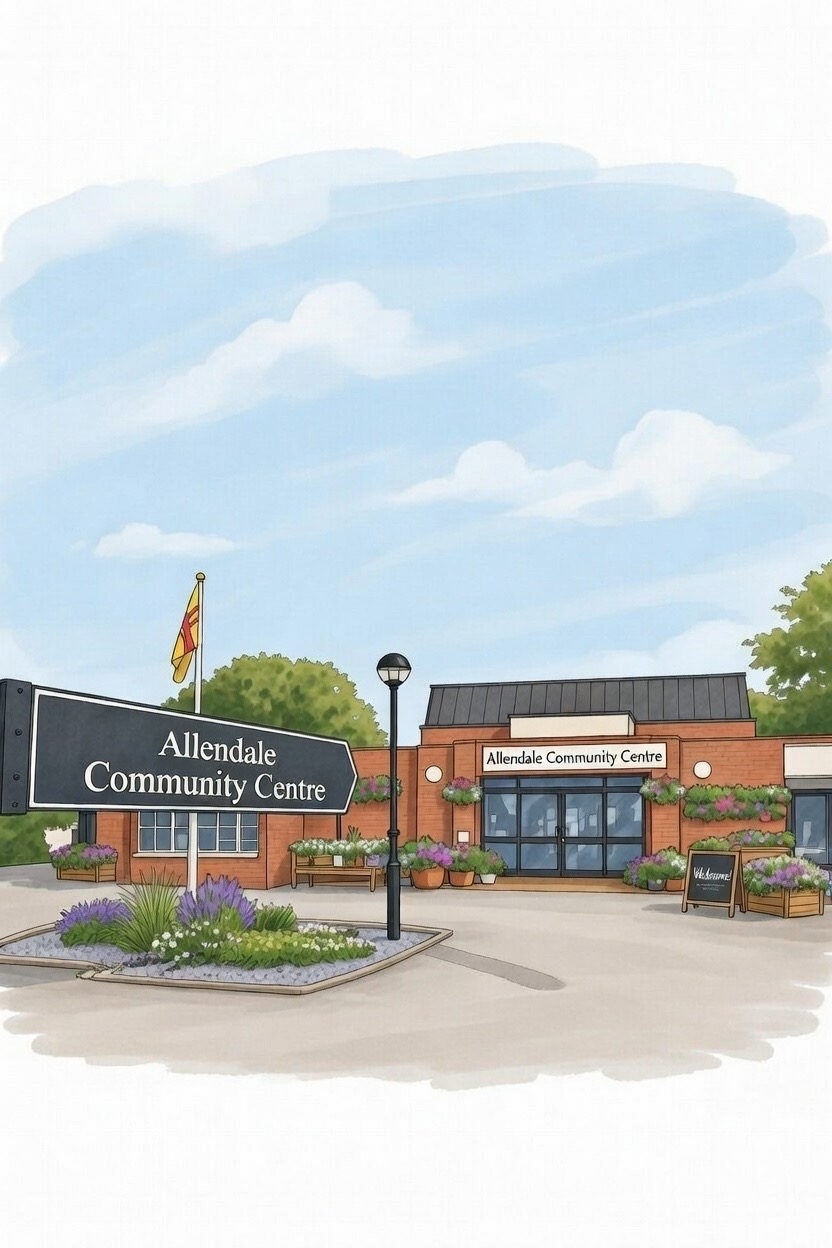
Concerns about public toilets in Wimborne, including accessibility for older people and ambulant disabled residents, are increasingly being linked to wider issues of confidence, independence and loneliness across Dorset.

The January 2026 consultation, organised by the Allendale Community Centre, received over 280 responses. 

Six in ten respondents were aged 65 or over. Dorset has a significantly higher proportion of older residents than the national average, making accessible facilities particularly important for towns like Wimborne.

The findings show:

45% say toilet concerns limit their ability to go out, attend events or socialise.

42% have avoided visiting Wimborne or cut visits short because of worries about availability, cleanliness or accessibility.

85% believe improving facilities would help reduce social isolation.

36% say they have health, mobility, continence or caring needs that make accessible toilets essential.

More than half rated Wimborne’s public toilet facilities as poor or very poor.

For many older residents, including ambulant disabled people who use walking sticks, walkers or other mobility aids, the issue is not convenience but confidence.

One respondent aged over 70 said: “At my age, you plan your day around toilets. If you’re not sure you’ll find one you can use, you simply stay at home.”

Another added: “I would like to take my mum out in her wheelchair and know she can access a toilet without feeling embarrassed.”

The survey suggests that when confidence in basic facilities drops, visits become shorter, events are skipped and social contact reduces, contributing over time to loneliness and withdrawal.

It also revealed that 9% of respondents were unaware the toilets at the Allendale Community Centre are open to the public seven days a week, even when not attending an activity.

A spokesperson for the Allendale told That's Health: “Something as simple as reliable toilet access can determine whether someone feels able to take part in community life. When confidence falls, people stay at home.”

The Centre is now using the findings to support funding applications to refurbish its facilities, focusing on accessibility, dignity and ease of use.

For many elderly residents in Wimborne, suitable public toilets are not a minor detail, they are the difference between staying connected and staying at home.

http://www.theallendale.org

GrĂ¼nenthal takes full ownership of GrĂ¼nenthal Meds, the joint venture established with Kyowa Kirin for its established medicines brands

GrĂ¼nenthal today announced it has acquired Kyowa Kirin International’s 49% stake in ‘GrĂ¼nenthal Meds’, taking full ownership of the company formed via a joint venture and its portfolio of established medicines.

‘GrĂ¼nenthal Meds’ was created in 2023 as a joint venture between GrĂ¼nenthal (51%) and Kyowa Kirin International (49%), the EMEA business of the Japanese-based global specialty pharmaceutical company. 

Over the past three years, the joint venture operated as a separate entity with eight affiliates, managing a growing €170 million portfolio of 12 established brands across six therapeutic areas and more than 60 markets. 

Key products included Abstral® and PecFent® (Fentanyl) for breakthrough cancer pain, Moventig® (Naloxegol) for opioid-induced constipation and Adcal-D3® (calcium and vitamin D3) for osteoporosis.

“Thanks to the outstanding expertise and commitment of our teams in GrĂ¼nenthal and GrĂ¼nenthal Meds, we were able to manage this complex portfolio across regions, generate growth, and create synergies with our infrastructure – all while executing a staggered integration approach,” said Gabriel Baertschi, CEO of GrĂ¼nenthal told That's Health.

“The integration of ‘GrĂ¼nenthal Meds’ confirms our leading capabilities in deal execution and integration and successfully concludes one of the most complex undertakings of our M&A journey, which stretched far beyond a merger or asset deal.”

The ongoing integration of ‘GrĂ¼nenthal Meds’ includes the transfer of over 200 marketing authorisations, approximately 150 product-country combinations, and several tech transfers in close alignment with a broad landscape of partners and contract manufacturing organisations. 

GrĂ¼nenthal expects to complete the integration by June 2026. At this point, GrĂ¼nenthal will commercialise the ‘GrĂ¼nenthal Meds’ portfolio through GrĂ¼nenthal affiliates in major European markets and via international partners in additional territories.

The acquisition of ‘GrĂ¼nenthal Meds’ is based on an option agreed with Kyowa Kirin International at the beginning of the joint venture collaboration. The transaction supports GrĂ¼nenthal’s long-term growth strategy. Since 2017, GrĂ¼nenthal has closed successful acquisitions with a total expected deal value of more than €2.3 billion, strengthening and diversifying its portfolio while leveraging synergies across manufacturing, supply chain, logistics, and commercial operations.

GrĂ¼nenthal is a global leader in pain management and related diseases. As a science-based, fully integrated pharmaceutical company, they have a long track record of bringing innovative treatments and state-of-the-art technologies to patients worldwide. Their purpose is to change lives for the better – and innovation is their passion. They focus their activities and efforts on working towards their vision of a World Free of Pain.

GrĂ¼nenthal is headquartered in Aachen, Germany, and has affiliates in 28 countries across Europe, Latin America, and the U.S. Their products are available in  some 100 countries. 

In 2024, GrĂ¼nenthal employed around 4,300 people and achieved revenues of €1.8 billion.

More information: www.grunenthal.com

Sunday, 1 March 2026

Denim Day for Dementia: Turning Everyday Style into Meaningful Support

There is something wonderfully democratic about denim. Nearly all of us own a pair of jeans or a favourite jacket, worn soft with time and memory. 

On Denim Day for Dementia, that everyday wardrobe staple becomes a visible show of solidarity with the millions of people and families living with dementia.

For a health-focused community like ours, this awareness day is about far more than clothing. It is about conversation, compassion and practical support.

Why Dementia Awareness Still Matters

Dementia is not a single disease. It is an umbrella term for conditions that affect memory, thinking and behaviour. The most common form is Alzheimer's disease, but there are others, including vascular dementia, Lewy body dementia and frontotemporal dementia.

In the UK alone, hundreds of thousands of people are living with dementia, and many more act as unpaid carers. The impact is emotional, physical and financial. Early signs can include:

Increasing forgetfulness

Difficulty finding words

Confusion with time or place

Changes in mood or personality

The earlier dementia is recognised, the sooner support can be accessed. Awareness days such as this encourage people to seek advice rather than dismiss symptoms as “just ageing”.

What Is Denim Day for Dementia?

Denim Day for Dementia is a simple but powerful fundraising and awareness initiative. Individuals, workplaces, schools and community groups are encouraged to wear denim for the day and donate to dementia support services.

The beauty lies in its accessibility. No special kit. No complicated logistics. Just jeans, a conversation starter, and a shared purpose.

For businesses and organisations, it is also an opportunity to:

Host a small fundraiser (raffle, bake sale, sponsored walk)

Share educational resources

Highlight employee wellbeing and caring responsibilities

Support colleagues affected by dementia in their families

The Health Impact: More Than Memory Loss

Dementia affects far more than memory. It can influence:

Mobility and coordination

Sleep patterns

Appetite and nutrition

Emotional regulation

Communication

Carers often experience high levels of stress, fatigue and isolation. From a public health perspective, supporting dementia care means supporting whole families.

Lifestyle factors may reduce risk in some cases. Evidence suggests that maintaining cardiovascular health, staying socially active, exercising regularly and managing conditions such as high blood pressure can all contribute to brain health. 

While no lifestyle choice guarantees prevention, protecting overall wellbeing remains vital.

How You Can Get Involved

If you would like to support Denim Day for Dementia, here are practical steps:

1. Wear denim and donate

Even a small contribution can help fund helplines, research and community programmes.

2. Start a conversation

Share facts about dementia on social media or in the workplace. Breaking stigma begins with open discussion.

3. Support carers

If someone you know is caring for a loved one with dementia, practical help, even a hot meal or a few hours of respite, can make a significant difference.

4. Promote brain health

Use the day as a reminder to prioritise sleep, exercise and social connection in your own life.

A Small Gesture, A Big Message

There is something symbolic about denim. It is durable. It softens with age. It carries history. In many ways, it mirrors the human experience.

Denim Day for Dementia reminds us that behind every diagnosis is a person with memories, relationships and stories that matter. By taking part, we are not only raising funds; we are signalling that those living with dementia, and those caring for them, are not alone.

At That’s Health, we believe awareness is the first step towards compassion. Sometimes, that step begins with something as simple as pulling on a pair of jeans.

https://www.alzheimers.org.uk/sites/default/files/2021-04/denim_for_dementia_guide_2021.pdf

World Obesity Day: Understanding Causes, Risks and Sustainable Health

World Obesity Day highlights the causes, risks and stigma surrounding obesity while promoting sustainable, compassionate health solutions in the UK.

Every year on 4 March, World Obesity Day brings global attention to one of the most complex health challenges of our time. 

Coordinated by the World Obesity Federation and supported by the World Health Organization, the day focuses not on blame, but on understanding, prevention and long-term support.

For readers of That’s Health, this is not about quick fixes or shame-driven messaging. It’s about evidence, compassion and realistic lifestyle change.

Understanding Obesity Beyond the Headlines

Obesity is defined medically as an excessive accumulation of body fat that presents a risk to health. In the UK, rates have risen steadily over the past decades, influenced by:

Highly processed, calorie-dense foods

Sedentary work and screen-based leisure

Socioeconomic factors

Mental health pressures

Genetics and hormonal influences

It is not simply a matter of “willpower”. Research consistently shows that biology, environment and psychology all play major roles.

The Health Risks: And Why Early Action Matters

Carrying excess weight is associated with an increased risk of:

Type 2 diabetes

Cardiovascular disease

High blood pressure

Certain cancers

Joint problems

Sleep apnoea

Reduced mental wellbeing

However, even modest, sustainable weight loss can significantly reduce these risks. A 5–10% reduction in body weight can improve blood pressure, blood sugar levels and cholesterol.

The Stigma Problem

One of the most damaging aspects of obesity is stigma. Weight bias can lead to:

Delayed medical care

Anxiety and depression

Disordered eating patterns

Social isolation

World Obesity Day actively challenges stigma and promotes respectful, person-first healthcare.

Health should be about support, not judgement.

What Sustainable Change Really Looks Like

Forget extreme diets or punishing workout plans. Sustainable change often includes:

1. Small Nutritional Improvements

Increasing fibre (vegetables, pulses, wholegrains)

Reducing sugary drinks

Watching portion sizes

Cooking more meals at home

2. Realistic Physical Activity

30 minutes of brisk walking most days

Light strength work twice weekly

Reducing prolonged sitting

You don’t need a gym membership. Consistency matters more than intensity.

3. Mental Health Support

Emotional eating is common. Accessing counselling, peer support or mindfulness techniques can be transformative.

4. Medical Support When Needed

GPs may discuss weight-management programmes, behavioural support or, in some cases, medication. For some individuals with severe obesity, bariatric surgery may be considered.

This is healthcare. It's not failure.

A UK Perspective

In Britain, public health campaigns increasingly focus on prevention and early intervention. However, cost-of-living pressures make healthy food choices harder for many households. 

Frozen vegetables, tinned pulses and supermarket own-brand staples remain affordable ways to improve diet quality without overspending.

The Bigger Picture

Obesity is not solely an individual issue, it is also shaped by:

Urban design

Food marketing

Workplace culture

School food standards

Socioeconomic inequality

World Obesity Day encourages governments, businesses and communities to create environments where healthier choices are easier choices.

World Obesity Day is not about body shaming or unrealistic ideals. It is about:

Better education

Accessible healthcare

Compassion

Long-term, evidence-based solutions

Health is not defined by a single number on a scale. It is shaped by habits, mental wellbeing, support networks and access to care.

If this topic affects you personally, consider speaking to your GP or a registered dietitian for tailored advice.

https://www.worldobesity.org

World Hearing Day: Why Listening Matters More Than Ever

Every year on 3 March, World Hearing Day shines a spotlight on an issue many of us take for granted: our ability to hear. 

Led by the World Health Organization, the day aims to raise awareness about hearing loss, promote ear and hearing care, and encourage preventative action across all age groups.

In a world that rarely stops talking, true listening has never been more important.

The Scale of the Issue

Hearing loss is far more common than people might realise. It affects children, working-age adults and older people alike. Some cases are linked to ageing, others to noise exposure, infections, genetics, injury or untreated medical conditions.

In the UK, millions live with some degree of hearing loss. Yet many delay seeking help, often because the change happens gradually. Conversations become harder. Background noise feels overwhelming. Television volume creeps up. Social situations feel tiring rather than enjoyable.

Left unaddressed, hearing loss can impact:

Communication and relationships

Mental health and confidence

Work performance and career prospects

Cognitive health in later life

World Hearing Day reminds us that hearing care is not a luxury, it’s a core part of overall wellbeing.

Why Early Action Matters

One of the strongest messages behind World Hearing Day is prevention.

Many forms of hearing damage are avoidable. Simple steps can make a significant difference:

Lowering headphone volume and limiting listening time

Wearing ear protection in loud environments

Seeking prompt treatment for ear infections

Attending regular hearing checks, especially over 50

Early diagnosis allows for early intervention. Modern hearing aids are discreet, sophisticated and life-changing for many people. There is also increasing research linking untreated hearing loss with social isolation and cognitive decline, making early support even more important.

Breaking the Stigma

Despite advances in technology, stigma still surrounds hearing aids and hearing difficulties. Some people worry that wearing a hearing aid makes them “look old” or vulnerable.

World Hearing Day challenges that mindset.

Using glasses to correct vision is normal. Using technology to support hearing should be viewed in exactly the same way. 

Open conversations help dismantle embarrassment and encourage people to seek support sooner.

Protecting the Next Generation

Young people are increasingly exposed to high sound levels through music streaming, gaming headsets and live events. 

Personal audio devices, when used at unsafe volumes, can cause permanent damage.

Encouraging responsible listening habits from childhood onwards is vital. Schools, parents and workplaces all have a role to play in educating about safe sound levels.

Listening safely today protects quality of life tomorrow.

A Public Health Priority

World Hearing Day also highlights the need for accessible hearing care services. Globally, many people lack access to screening, treatment or affordable devices. 

Campaigns linked to this day encourage governments and healthcare systems to prioritise hearing health as part of universal health coverage.

Closer to home, it’s a reminder to make hearing tests as routine as eye tests, particularly as we age.

How You Can Support World Hearing Day

You don’t need to be a medical professional to take part. You can:

Book a hearing check for yourself or a loved one

Share awareness posts on social media

Talk openly about hearing challenges

Reduce your daily exposure to excessive noise

Sometimes the most powerful action is simply paying attention.

Listening Is Connection

Hearing is more than sound. It’s laughter across a dinner table. It’s birdsong on a spring morning. It’s music that stirs memories. It’s the voice of someone you love.

World Hearing Day is a reminder that protecting our hearing protects our connection to the world around us.

And that is something worth listening to.

https://www.who.int/campaigns/world-hearing-day/2026

World Baby Sleep Day: Why Rest Matters More Than You Might Think

Every year, World Baby Sleep Day on March 1st shines a spotlight on something every parent quickly realises is precious: sleep. 

Whether you are navigating night feeds, early wake-ups, or the mystery of the 20-minute nap, this awareness day encourages families to understand how vital healthy sleep is for babies’ development – and for parental wellbeing too.

While it may feel like an endless cycle of feeds, cuddles and yawns, the science behind infant sleep is both fascinating and reassuring.

Why Sleep Is So Important for Babies

During sleep, babies are doing far more than simply resting. Quality sleep supports:

Brain development – neural connections form rapidly in the first year of life.

Growth – growth hormone is primarily released during deep sleep.

Emotional regulation – rested babies are generally calmer and more able to cope with stimulation.

Immune function – sleep strengthens the body’s natural defences.

In the early months, babies spend a significant amount of time in REM sleep, which is linked to brain development. That’s why newborns may appear restless or twitchy while sleeping – it is completely normal.

How Much Sleep Do Babies Need?

Sleep needs vary, but as a general guide:

Newborns (0–3 months): 14–17 hours across 24 hours

Infants (4–11 months): 12–15 hours

Toddlers (1–2 years): 11–14 hours

Remember, these are averages. Some babies sleep a little more, others slightly less. Consistency and quality matter more than rigid schedules.

Creating Healthy Sleep Habits

World Baby Sleep Day also highlights practical ways to support better sleep:

1. Establish a Gentle Routine

A predictable bedtime routine, bath, feed, story, cuddle, helps signal that sleep is coming.

2. Create a Calm Sleep Environment

A darkened room, comfortable temperature, and minimal stimulation can make a significant difference.

3. Encourage Self-Soothing (When Developmentally Appropriate)

As babies grow, giving them a few moments to settle can help them learn to drift off independently.

4. Follow Safe Sleep Guidance

In the UK, organisations such as The Lullaby Trust provide clear advice on safe sleep positions and room sharing during the early months.

https://www.lullabytrust.org.uk

Supporting Parents Matters Too

One of the often overlooked aspects of baby sleep is parental exhaustion. Interrupted nights can impact mental health, relationships, and daily functioning.

World Baby Sleep Day is not about perfection. It is about reassurance. It's about recognising that:

Sleep challenges are common.

Every baby is different.

Seeking support is a strength, not a failure.

Health visitors, GP services, and community parenting groups across the UK can offer tailored advice if sleep struggles become overwhelming.

The Bigger Picture

In the first years of life, sleep lays the foundation for long-term health and wellbeing. By raising awareness, World Baby Sleep Day encourages families to prioritise rest, not as a luxury, but as a necessity.

If you are currently in the thick of broken nights, take heart. Sleep evolves. Patterns change. And one day, those midnight cuddles will become cherished memories.

Because sometimes, the quietest moments of the night are the ones that matter most.

Friday, 27 February 2026

Children's Health Scotland Says: "The time for promises has passed - the time for action is now"

“We know what it feels like to wait too long for help, to feel invisible, and to fight for the care we need. Promises are not enough. Action is everything.” 

Young Health Rights Defender, speaking on the launch of Scotland’s new children’s health manifesto

Scotland is failing too many of its children. Long waits, inconsistent care, and overstretched systems mean thousands of young people are not receiving the support they need to stay healthy, safe and well. Scotland is now at a crucial moment for children’s health. 

Scotland’s new Manifesto for Every Child’s Right to Health has been developed by young people, for young people. Launched by leading children’s health rights charity Children’s Health Scotland, the manifesto places the voices, experiences and priorities of Young Health Rights Defenders at its core, making it one of the strongest youth‑led calls for change in children’s health in Scotland today. 

Guided directly by their lived experiences of long waits, inconsistent care and overstretched systems, the Young Health Rights Defenders have shaped the principles, priorities and demands set out in the manifesto.

Commenting on the Manifesto, Helen Forrest, Chief Executive of Children’s Health Scotland, told That's Health: “This manifesto belongs to the children and young people who helped create it. Our role has simply been to listen, support and amplify their voices. They are calling for urgent, meaningful action — and Scotland must respond.”

Grounded in national evidence and the truth of young people’s experiences, the Manifesto sets out clear, practical steps to ensure every child in Scotland receives the dignity, care and understanding they deserve.

The Manifesto call for FIVE key actions

The Manifesto asks leaders across Scotland to commit to:

Timely, equitable, rights‑based care that prevents crisis rather than responds to it.

Trauma‑informed services, especially for children facing poverty, adversity or disability.

Robust data and workforce planning to avoid future shortages and build sustainable capacity.

Meaningful participation of children, young people and families in shaping policy and practice.

Long‑term investment in third sector organisations providing essential, early and preventative support.

Healthcare is under pressure and children are feeling the impact

The manifesto presents a picture of services under significant strain:

Over 42,000 children were waiting for a neurodevelopmental assessment as of March 2025, with rises of more than 500% in some areas since 2020.

4,674 children and young people were on CAMHS waiting lists at the end of March 2025.

Nearly 49% of children waited more than 12 weeks to see a paediatrician.

81% of social care organisations reported recruitment challenges, making it harder to provide stable and consistent care.

Behind every statistic is a child who simply needs the right help at the right time. Long waits often increase the complexity of children’s needs, meaning they may require more intensive interventions later. This is happening against a backdrop of reduced paediatric workforce capacity, fewer staffed paediatric beds, and specialist mental health services struggling to keep pace with demand.

These pressures create a cycle that is difficult for families and services alike, but it is also a cycle that Scotland can break.

The Human Stories Behind the Statistics

Children’s experiences of health are never just medical they are emotional, social and practical too. Many children in Scotland are managing challenges that shape their daily lives:

189,000 children live with a chronic or long‑standing health condition.

240,000 children nearly 1 in 4 live in poverty, one of the strongest predictors of poor health, missed opportunities, and barriers to accessing care.

For many families, financial hardship and long-term conditions go hand-in-hand. Missed school, disrupted routines, increased caring responsibilities, and the stress of navigating complex systems all take a toll. There are 12,800 children in kinship families across Scotland, with over 66% in informal arrangements managing health needs without consistent support can feel particularly overwhelming.

Within this wider landscape, children’s oral health has become a clear marker of system pressures. Dental care is often a child’s most regular point of contact with health services, so when access breaks down, the effects ripple through daily life:

Over 80,000 children registered with NHS dentists have not seen one in five years.

Waiting times for treatment can stretch beyond a year.

Extractions under general anaesthetic remain the most common elective reason for hospital admission among children.

These issues are most severe in areas of highest deprivation, reinforcing the connection between poverty, delayed care, and poorer health outcomes. Oral health is not separate from children’s wellbeing — it is part of the same pattern of unmet need affecting their comfort, confidence and learning.

As one 13‑year‑old Health Rights Defender said: “Sometimes it feels like you have to wait until things get really bad before anyone helps you. That’s not fair.”

Young people told us repeatedly that delays affect their friendships, school life and sense of belonging. They want services that feel joined‑up, compassionate and centred around their rights.

Care‑Experienced Children Face Deep and Persistent Inequalities

The manifesto also highlights the challenges facing children in kinship, foster or residential care: 72% of children in care have Additional Support Needs more than double the general population. They are twice as likely to have developmental concerns and more likely to require early, trauma‑informed support.

Yet too often, their needs are addressed only at crisis points. As one young person shared: “Sometimes there’s no one who really understands what’s going on with you, you just get passed around.”

A Moment for Leadership an Opportunity for Change

As Scotland marks the 20th year of GIRFEC, this is a moment not just to revisit its principles, but to fulfil its promise. GIRFEC was designed to ensure every child grows up loved, safe and respected and to give them every opportunity to realise their potential. That should be our expectation, not our aspiration.

Early support doesn’t just transform childhoods — it leads to healthier adulthoods, stronger families and more resilient communities. Acting now helps children thrive today and strengthens Scotland’s future.

As Michelle Wilson, Head of Children’s Services for Children’s Health Scotland, explains: “Every day a child waits, they lose more than time. They lose opportunities, confidence, and sometimes hope. But we also know that when children get the right support early, when services join up, listen and respond, their lives can change incredibly quickly. Scotland has the talent, the compassion and the commitment to make that happen. 

If we start acting now, we can build a system that not only treats illness but truly nurtures every child’s potential. 

Article 24 of the UNCRC sets out every child’s right to the highest attainable standard of health and with the right focus and investment, Scotland can turn that right into something every child genuinely experiences.

"That’s the Scotland our children deserve, and it’s within reach.”

The Health Rights Defenders are ready to meet with policymakers, sector leaders and national bodies to ensure children’s voices guide Scotland’s decisions.

The full manifesto is available at:

https://www.childrenshealthscotland.org/every-childs-right-to-health-chs-launches-manifesto-for-change

Physical copies can also be requested.

Thursday, 26 February 2026

20 Yrs and 10,000 bikes for Children with Cancer. BBC “The One Show” Honours Charity Founder with One Big Thank you.

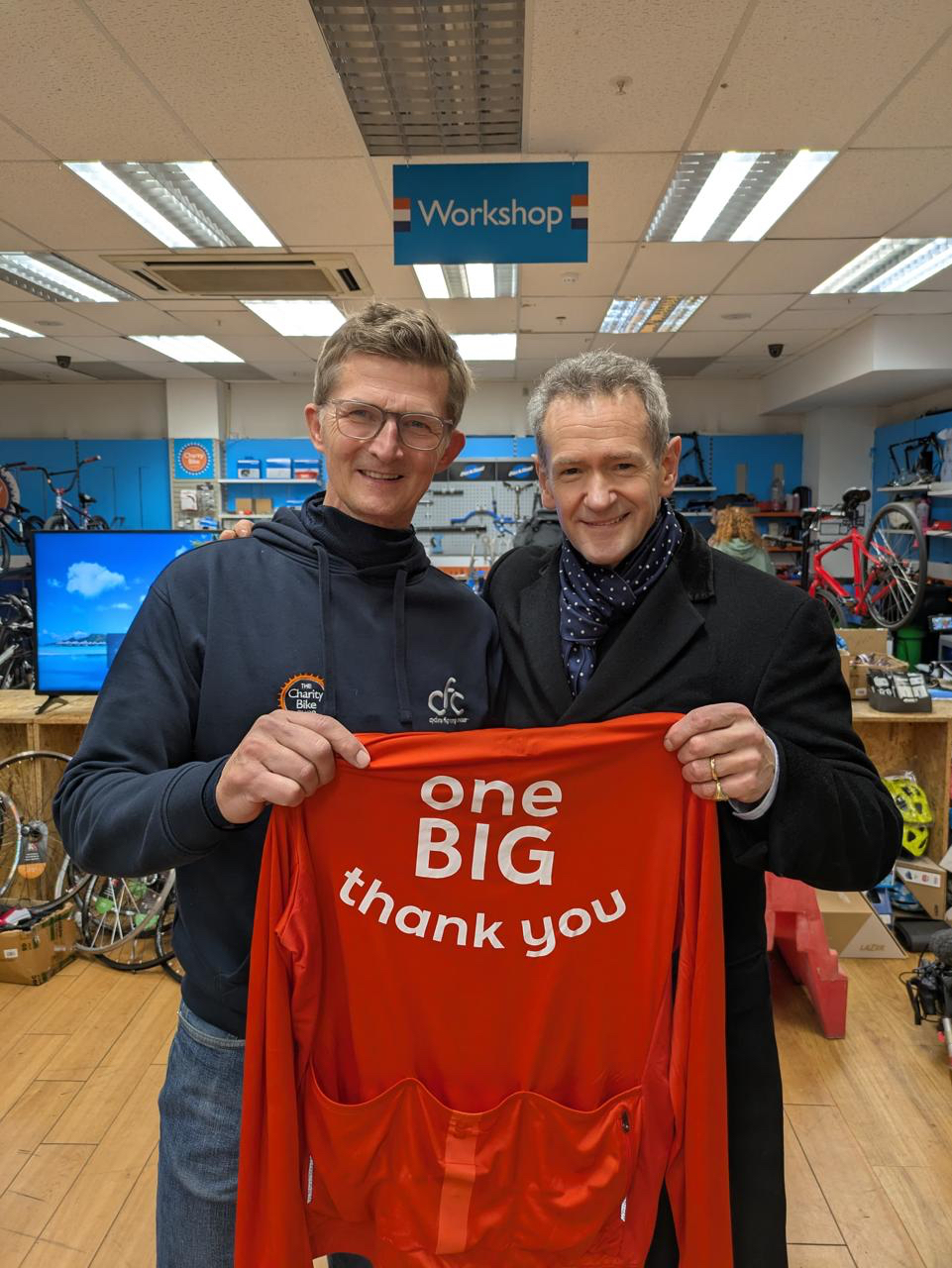
Last Thursday (19th Feb), The BBC One Show, along with some help from celebrities such as Alexander Armstrong and Sir Chris Hoy himself, pulled off a surprise “One Big Thank-you” for Mike Grisenthwaite, founder of the Nationwide Children’s Cancer Charity Cyclists Fighting Cancer.

Launched from his kitchen table 20yrs ago, CFC has grown hugely, and today has 4 Charity Bike shops in Cheltenham, London, Manchester and their HQ in Stratford-upon-Avon. 

The shops take donated bikes and parts as well as selling new accessories and servicing all types of bikes.

All proceeds from the shops and other fundraisers go towards providing more bikes and specially adapted trikes for children living with and beyond cancer in the UK. These bikes help them get outside and active, and have huge benefits for both their physical and mental wellbeing.

Since starting, the team at CFC have gifted over 10,000 bikes and trikes to children all over the country, as well as delivering exercise equipment to many Children’s Hospitals to introduce children to exercise during lengthy hospital stays.

All of this after Mike was inspired to “give back” having used exercise, and specifically Cycling, to get through his own arduous cancer treatment.

During the amazing piece which can be found on BBC iPlayer here (from 14:50min) https://www.bbc.co.uk/iplayer/episode/m002rkcm/the-one-show-19022026

Mike was fooled into thinking Alexander needed a puncture repair, before revealing the surprise. He then received heart felt messages from children and families his charity has helped as well as recognition of his huge achievements from Sir Chris Hoy, Family, Friends and Colleagues.

An emotional Mike had a rare speechless moment and was “blown away” by the recognition.

For more info on the charity and their activities go to www.cyclistsfc.org.uk

Polar Explorer Craig Mathieson Awarded Prestigious Polar Medal – Exclusive Interview Reveals Impact of His Youth Charity

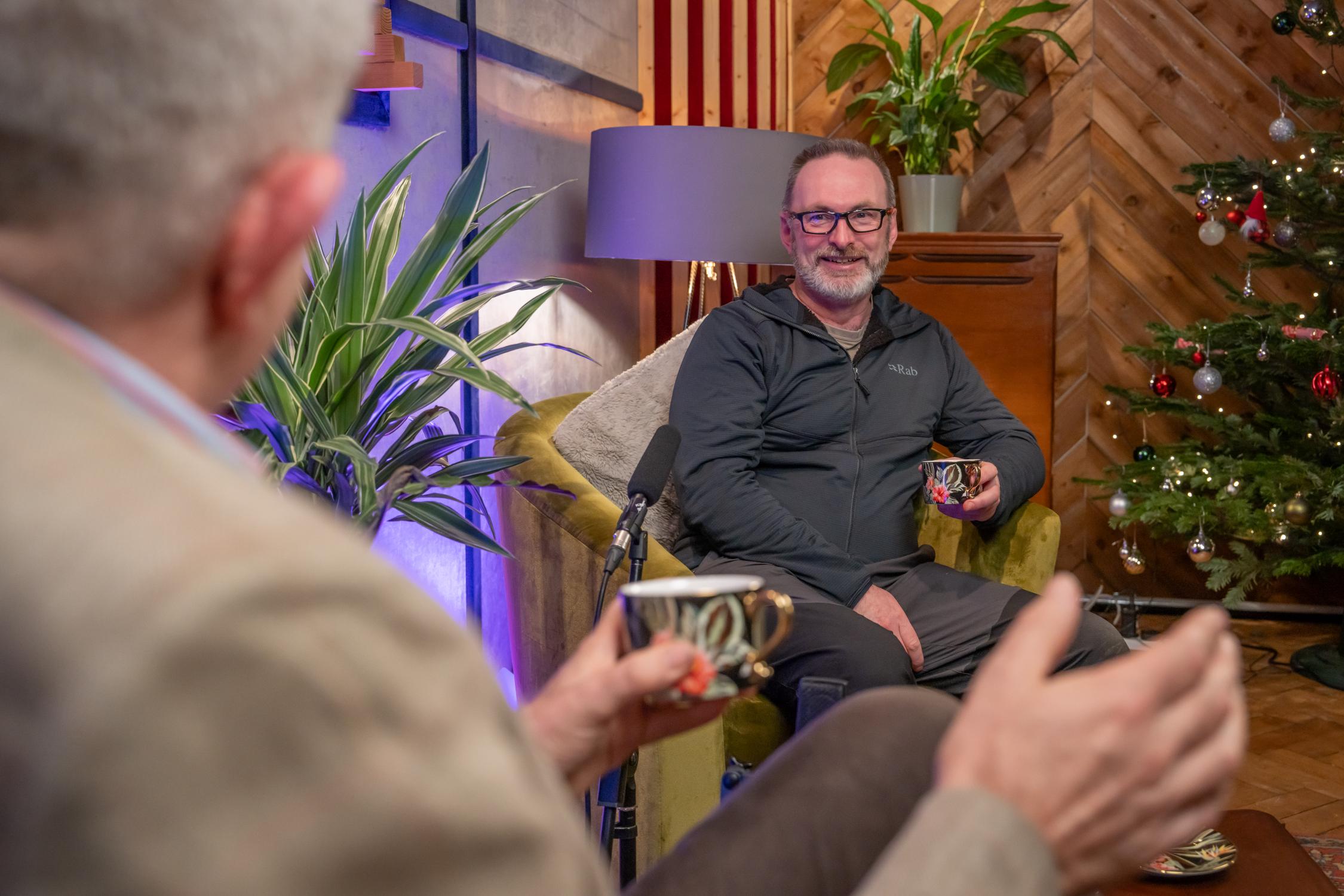
Craig Mathieson & Neil Jurd in conversation
Scottish polar explorer and founder of The Polar Academy, Craig Mathieson, has been honoured with the Polar Medal in the King's New Year's Honours List 2026, recognising his outstanding contributions to polar exploration and youth development.

The medal, one of the UK's highest awards for polar service, celebrates Mathieson's decades of expeditions, including man-hauling to the South Pole in 2004, reaching the Geographical North Pole in 2006, and leading sea-kayaking missions along Greenland's east coast, alongside his groundbreaking work with The Polar Academy, the charity he established in 2013.

The Academy selects and trains overlooked young people (aged 13-17) facing trauma or invisibility in education, taking them on rigorous Arctic expeditions to Greenland. 

Through physical challenges, trust-building, and 24/7 support, it unlocks confidence, resilience, and aspiration, transforming participants into teachers, scientists, Royal Marines, and community leaders. 

Over 270 young people have taken part, with many now mentoring others and raising awareness.

In an exclusive video interview released on 29 December 2025, leadership coach and former British Army officer Neil Jurd OBE speaks with Mathieson about the Academy's origins, selection process, and why it succeeds where traditional systems often fail. 

Mathieson shares how compassion, belief in human potential, and deliberate challenges in extreme conditions build lasting change—drawing parallels to his own military and mountaineering background.

Watch the full interview here:  https://leader-connect.co.uk/videos/interview-with-craig-mathieson-of-the-polar-academy

"Seeing these kids step into their potential—despite everything—is the real purpose of the expedition," Mathieson says in the discussion.

Mathieson, also 'Explorer-in-Residence' at the Royal Scottish Geographical Society and recipient of an Honorary Doctorate from Abertay University, continues to lead the charity alongside his family team.

thepolaracademy.org

https://leader-connect.co.uk

World Teen Mental Wellness Day: Listening, Supporting, Acting

World Teen Mental Wellness Day shines a much-needed light on the emotional and psychological wellbeing of young people. 

The teenage years are a period of rapid change, socially, physically and academically, and while they can be exciting, they can also feel overwhelming.

In the UK, conversations around youth mental health have become more open in recent years, yet many teenagers still struggle in silence. 

A dedicated awareness day provides a chance to pause, listen and take meaningful action.

Why Teen Mental Wellness Matters

Adolescence is when identity, confidence and coping skills are being formed. Pressures can come from many directions:

Academic expectations

Social media comparison

Friendship dynamics

Body image concerns

Family challenges

Uncertainty about the future

According to NHS guidance, anxiety, low mood and emotional distress are increasingly common among young people. Early support makes a significant difference. 

When teens are equipped with healthy coping tools and trusted adults to talk to, long-term outcomes improve dramatically.

The Hidden Pressures of Modern Teen Life

Today’s teenagers navigate a digital landscape that previous generations did not. Social platforms can provide connection and creativity, but they can also amplify comparison and unrealistic expectations.

Organisations such as YoungMinds regularly highlight how exam stress, online bullying and social pressures can affect confidence and self-esteem.

For many teens, the challenge is not just dealing with stress, it’s knowing that what they are feeling is valid and that help is available.

Signs a Teen Might Be Struggling

Every young person is different, but some common indicators include:

Withdrawal from friends or activities

Changes in sleep or appetite

Irritability or sudden mood shifts

Drop in school performance

Loss of interest in hobbies

Talking negatively about themselves

None of these automatically signal a serious condition, but they do suggest a need for gentle conversation and support.

Practical Ways to Support Teen Mental Wellness

World Teen Mental Wellness Day is not only about awareness, it’s about action. Here are meaningful steps parents, carers and communities can take:

1. Create Safe Conversations

Ask open questions. Listen without judgement. Avoid rushing to solutions.

2. Encourage Healthy Routines

Regular sleep, balanced meals, physical activity and time outdoors support emotional resilience.

3. Limit Digital Overload

Encourage breaks from screens and promote positive online habits.

4. Promote Emotional Literacy

Help teens name and understand their feelings. Journalling and creative expression can help.

5. Seek Professional Support When Needed

If concerns persist, speak to a GP or access school counselling services. Early intervention is key.

Resources for UK Teens and Families

Support is available. Trusted organisations include:

YoungMinds – advice and a parents’ helpline https://www.youngminds.org.uk

Childline – confidential support for under 19s https://www.childline.org.uk

Samaritans – 24/7 emotional support https://www.samaritans.org

No young person should feel they have to cope alone.

A Community Responsibility

Teen mental wellness is not solely a family issue, it is a community one. Schools, youth groups, sports clubs and online spaces all play a role in shaping a teenager’s sense of belonging and self-worth.

World Teen Mental Wellness Day reminds us that checking in, listening properly and modelling healthy emotional behaviour can change a young person’s life trajectory.

A simple question  “How are you really feeling?” can open a door that might otherwise stay closed.

If you are marking the day, consider starting a conversation, sharing trusted resources or simply making time to listen. Small actions, consistently applied, create lasting impact.

World Music Therapy Day: The Healing Power of Sound

Every year, World Music Therapy Day shines a spotlight on something many of us instinctively understand: music changes how we feel. 

A single song can lift our mood, unlock a memory, calm anxiety, or help us process emotion. 

But music therapy goes far beyond simply listening to a favourite playlist. 

It is a structured, evidence-based clinical practice delivered by trained professionals.

In the UK, music therapy is provided by qualified practitioners registered with the Health and Care Professions Council and supported by organisations such as British Association for Music Therapy and NHS services.

So what exactly is music therapy... and why does it matter?

What Is Music Therapy?

Music therapy is a therapeutic approach that uses music intentionally to support mental, emotional, physical and social wellbeing. Sessions may involve:

Playing instruments

Singing

Songwriting

Listening and discussing music

Improvisation

Movement to music

No musical ability is required. The focus is not performance or talent. It is about expression, communication and connection.

A trained music therapist tailors sessions to the individual’s needs, whether that involves trauma recovery, neurological rehabilitation, dementia care, or support for children with additional needs.

The Health Benefits

1. Supporting Mental Health

Music therapy is widely used for anxiety, depression and trauma. Structured sessions can help people regulate emotions, reduce stress hormones and develop coping strategies.

For individuals who struggle to verbalise feelings, music provides a safe alternative language.

2. Dementia and Memory

Music has a powerful link to memory. Familiar songs can help people living with dementia reconnect with personal history and identity. Even when verbal communication declines, musical memory often remains intact.

3. Neurological Rehabilitation

Following stroke or brain injury, rhythm and melody can support speech recovery and motor function. Techniques such as rhythmic auditory stimulation help improve coordination and movement.

4. Children and Young People

Music therapy can support children with autism, ADHD or communication difficulties. It helps build confidence, social interaction and emotional awareness.

5. Pain and Stress Reduction

Listening to calming music can lower heart rate, reduce blood pressure and ease perception of pain. Hospitals increasingly integrate music therapy into palliative and cancer care settings.

Music Therapy vs. Listening to Music

It is important to distinguish between therapeutic music use and clinical music therapy.

Listening to music at home can certainly improve mood and relaxation.

Music therapy, however, involves structured goals, assessment and professional guidance.

Both have value – but clinical music therapy is a recognised healthcare intervention.

How You Can Mark World Music Therapy Day

You do not need to book a session to honour the day (though exploring local services is a worthwhile step). Here are simple, health-focused ways to participate:

Create a “wellbeing playlist” that lifts your mood

Spend 10 minutes listening to instrumental music mindfully

Try gentle drumming or rhythmic tapping as a stress release

Sing along to songs linked to positive memories

Explore local music therapy services in your area

The Science Behind the Sound

Research continues to show measurable benefits. Brain imaging studies reveal that music activates multiple regions at once – emotional centres, motor areas, memory circuits and even reward pathways.

Music increases dopamine (associated with pleasure and motivation) and can reduce cortisol (the stress hormone). It literally changes brain chemistry.

That is not mystical. It is neurological.

In a world that often feels noisy and overwhelming, music therapy reminds us that sound can also soothe, connect and heal.

Whether it is a choir in a community hall, a quiet piano session in a hospital ward, or a one-to-one therapeutic space, music remains one of the most accessible and powerful tools for wellbeing.

On World Music Therapy Day, take a moment to notice what music does for you. It may be doing more than you realise.

British Association of Musical Theraphy https://www.bamt.org/music-therapy/what-is-music-therapy

British Liver Trust launches campaign to tackle late diagnosis of rare liver conditions

The British Liver Trust has launched a new campaign ahead of Rare Disease Day to tackle the late diagnosis of rare liver conditions, after new analysis of patient survey data revealed that many people experienced symptoms before diagnosis. 

Yet around a quarter of symptomatic patients had their concerns dismissed or were sent home without further investigation.

Liver disease is often associated with alcohol or lifestyle factors. But many rare liver conditions are autoimmune or genetic, affecting people of all ages, including babies, children and young adults. 

This misconception can contribute to delays in diagnosis and prevent people from seeking timely support.

Analysis of responses from more than 1,000 people living with rare liver conditions across the UK found that around one in five patients who experienced symptoms were diagnosed “very late”, when their disease had already progressed and treatment options were limited.

In response, the British Liver Trust has launched No One Left Behind, a new campaign aimed at shining a spotlight on rarer liver conditions that are too often under-recognised and misunderstood.

The campaign calls for greater awareness of early warning signs among healthcare professionals and the public, improved information and support at diagnosis, and greater investment in research.

Persistent itching, nausea, abdominal pain and jaundice were among the most commonly reported early warning signs across rarer liver conditions, including Primary Biliary Cholangitis (PBC), Autoimmune Hepatitis (AIH) and Primary Sclerosing Cholangitis (PSC). These are chronic, progressive diseases that often require lifelong specialist care. In some cases, delayed diagnosis can lead to cirrhosis, liver failure or the need for transplantation.

According to the British Liver Trust, tens of thousands of people in the UK are living with rare liver diseases, many of which can take years to diagnose due to a lack of awareness and limited research.

Emma was diagnosed with autoimmune hepatitis more than two decades ago, aged just 17, after developing severe itching and jaundice and spending weeks in hospital undergoing tests. At the time, she had never heard of the condition and did not recognise that her symptoms were signs of serious liver disease.

Emma told That's Health: “So many people don’t realise liver disease doesn’t just affect people who drink alcohol. Conditions like mine are called ‘rare’, but they affect thousands of people.”

Rare Disease Day is marked globally each year on 28 February and aims to raise awareness of rare diseases and improve access to diagnosis, treatment and care for those affected.

Pamela Healy OBE, Chief Executive of the British Liver Trust, added: “Rare liver diseases may be less common, but for the thousands of people affected across the UK, their impact is life-changing. Too often, a lack of awareness leads to delayed diagnosis and unequal access to specialist care. 

"We need greater understanding, earlier diagnosis and sustained investment in research to ensure no one living with a rare liver condition is left behind.”

The British Liver Trust is the UK’s leading liver health charity and provides information, support and advocacy for everyone affected by liver disease. This includes people living with rare liver conditions such as autoimmune hepatitis, primary biliary cholangitis (PBC), primary sclerosing cholangitis (PSC), Alagille syndrome and biliary atresia.

For more information, visit www.britishlivertrust.org.uk.

Wednesday, 25 February 2026

Extreme cold increases risk of cardiac arrest by almost 20%, new study finds

Temperatures below -9°C increase the risk of cardiac arrest by 18.9% for over two weeks, new research from Corvinus University of Budapest has revealed.

Alongside Semmelweis University, Budapest University of Technology and Economics, the University of Pannonia, and the National Ambulance Service, researchers analysed temperature data with over 116,000 out-of-hospital cardiac arrest cases over a five-year period.

The lowest risk for cardiac arrest was observed at 19°C, with the number of cases increasing as the temperature grew hotter or colder. 

While there was notable risk above 27°C, the largest rise in risk was linked to cold spells (-9°C and below) lasting at least two days. This impact did not differ between men and women.

The researchers also identified an important difference in how heat and cold affect the body. Heat acts quickly and only up to a week, while cold spells place a longer-term strain on the body, with effects appearing after three days and increasing the risk of cardiac arrest for over two weeks after the cold period has ended.

“Although the effect of the weather is weak, it affects us all. In recent decades, climate change has made our weather more variable, and our bodies must adapt to this. This is particularly challenging for those who are unwell. While we have learned to pay attention to heatwaves, research shows that we must also consider the effects of cold weather,” Brigitta SzilĂ¡gyi, Associate Professor at Corvinus University and co-author told That's Health.

The researchers offer practical implications; during heatwaves, healthcare services need to respond rapidly, while cold periods require heightened readiness over longer periods. 

By incorporating these findings into regional warning systems, healthcare practices could also provide greater support, emphasising hydration during heat, and blood pressure management and appropriate clothing during cold periods.

These findings were first published in the journal Resuscitation Plus. The full paper is open access here 

https://www.sciencedirect.com/science/article/pii/S2666520425003315?via%3Dihub