Wednesday, 31 December 2025
That's Christmas 365: Even If You’ve Had the Flu Jab: A Winter Warning A...
That's Christmas 365: Even If You’ve Had the Flu Jab: A Winter Warning A...: For many of us, having the flu vaccination feels like ticking an important winter health box. You do the sensible thing, protect yourself a...

Monday, 29 December 2025
New UK-Built Pain Reset Planner Helps People With Chronic Back and Nerve Pain Regain Control Without Guesswork

Designed for individuals who are dealing with conditions likes disc bulges, sciatica, and persistent nerve pain, the planner takes a different approach from conventional pain solutions.
Rather than offering isolated exercises, medications, or one-size-fits-all routines, it focuses on identifying pain patterns over time, tracking flare triggers, movement tolerance, inflammation load, sleep quality, and recovery signals.
The system is bundled with an Anti-Inflammatory Lifestyle Blueprint, addressing often-overlooked contributors to chronic pain such as stress, poor sleep timing, inconsistent habits, and recovery debt.
“Most people aren’t failing at recovery,” the creator of the Pain Reset Planner told That's Health. “They’re just guessing. Pain doesn’t exist in isolation, it’s actually shaped by patterns. When people finally see those patterns clearly, everything changes.”
The planner was created after observing a recurring theme among chronic pain sufferers: repeated misdiagnoses, short-term relief from medication, and fragmented advice that never connected the dots. By providing daily and weekly structure, the tool helps users move from reactive pain management to proactive self-management.
Unlike many pain products, the Pain Reset Planner makes no promises of instant cures. Instead, it positions itself as a long-term companion—one that evolves with the user and adapts to their real-life limitations.
Early users report improved confidence, better understanding of their flare triggers, and reduced fear around movement, often within days of consistent use.
The Personalised Pain Reset Planner and Anti-Inflammatory Lifestyle Blueprint are now available online, with an introductory launch price available for a limited time.
Maple Syrup for a Sore Throat: A Naturally Sweet Soother

But there’s another cupboard staple that deserves a little more attention: maple syrup.
Rich, soothing and entirely plant-based, maple syrup can be a surprisingly effective comfort remedy when your throat feels raw, scratchy, or inflamed.
My wife has an allergy to bees and honey, so w are really pleased to find this alternative to honey.
This isn’t about miracle cures or medical claims, it’s about gentle relief, warmth, and using what you already have to feel a bit better.
Why Maple Syrup Can Help
Pure maple syrup isn’t just sweet. It has a few properties that make it useful when you’re feeling under the weather:
Thick and coating – It can gently coat the throat, helping to ease irritation in much the same way honey does.
Naturally antimicrobial – Maple syrup contains plant compounds that may help inhibit certain bacteria.
Anti-inflammatory compounds – These can help calm irritation, particularly when paired with warm liquids.
Vegan-friendly – Ideal if you avoid honey or animal products.
The key is to use pure maple syrup, not “maple-flavoured” pancake syrups, which are usually made from sugar syrup and flavourings.
Simple Ways to Use Maple Syrup for a Sore Throat
1. Straight from the Spoon
Sometimes the simplest approach works best.
Take one teaspoon of pure maple syrup
Let it slowly coat your throat before swallowing
Repeat every few hours as needed
This can be especially soothing first thing in the morning or before bed.
2. Maple, Lemon and Warm Water
A classic combination with a maple twist.
You’ll need:
Warm (not boiling) water
1 tablespoon maple syrup
A squeeze of fresh lemon juice
Stir well and sip slowly. The warmth relaxes the throat muscles, the lemon cuts through mucus, and the maple syrup adds soothing sweetness.
3. Maple and Ginger Tea
Perfect if your sore throat comes with a cold or congestion.
How to make it:
Steep fresh ginger slices or a ginger teabag in hot water
Stir in 1 tablespoon maple syrup
Optional: add lemon or a pinch of cinnamon
Ginger’s warming properties pair beautifully with maple syrup for comfort and flavour.
4. Maple Syrup Throat Drizzle
For particularly dry or scratchy throats:
Mix maple syrup with a few drops of lemon juice
Take small sips throughout the day
It’s gentle, easy, and less harsh than some over-the-counter lozenges.
When Maple Syrup Is (and Isn’t) Enough
Maple syrup is best for mild sore throats, dryness, or irritation caused by colds, talking too much, or dry indoor air. It’s not a replacement for medical treatment.
You should seek advice if:
A sore throat lasts more than a few days
You have a high fever
Swallowing becomes painful or difficult
You suspect a bacterial infection
A Sweet Alternative Worth Keeping in the Cupboard
Whether you’re vegan, out of honey, or just fancy something different, maple syrup is a comforting, natural option that feels indulgent while being practical.
It’s also far more versatile than many people realise — equally at home in hot drinks, on breakfast tables, or as a gentle throat soother.
Sometimes, feeling better starts with something simple, warm, and reassuring, and maple syrup fits that role beautifully.
You can source maple syrup products here https://www.maplefromcanada.co.uk
Saturday, 27 December 2025
Global Pandemic Preparedness and Response report identifies critical need to expand pharmacy’s role in health emergency response

The report has been developed by the Commonwealth Pharmacists Association - the international body of the national pharmacy associations of Commonwealth of Nations member states - and utilises case studies from the COVID-19 pandemic to call upon governments to recognise pharmacy’s importance in safeguarding national and international health security as they seek to minimise the risk of future pandemics and tackle them as they arise.
Examining pharmacists’ role in tackling COVID-19 in countries in seven countries in North America, the Caribbean, Europe, Africa, and Southeast Asia*, the report concludes that, although pharmacists in each of these countries contributed significantly to pandemic response, they are also a largely untapped resource capable of strengthening health systems and preventing pandemic-related deaths with better representation in national emergency frameworks and decision-making processes.
The Report identifies four key systemic barriers preventing the potential of the pharmacy workforce in pandemic preparedness from being realised:
the exclusion of pharmacists from the policymaking level of emergency preparedness and response;
a lack of formal recognition of the roles they play in this field;
insufficient training and professional development opportunities for pharmacists in areas such as vaccine delivery, infection prevention and control, and disaster management;
structural deficiencies that prevent pharmacists from maintaining continuity of care during crises.
The report emphasises a need to advocate for stronger integration of pharmacists at all levels of pandemic preparedness and response alongside policy reform to consolidate this, as well as financial investment in pharmacy-specific training programmes and advanced digital health infrastructure.
Grace Grange, Research Officer at the Commonwealth Pharmacists Association and principal author of the Pandemic Preparedness and Response report, told That's Health: “Pharmacists were essential to the COVID-19 response, yet they are too often excluded from emergency planning. If we are serious about strengthening pandemic preparedness, pharmacists must be embedded in health emergency frameworks.
"This report presents clear evidence of their vital contributions from the COVID-19 pandemic and sets out practical recommendations that recognise integrating pharmacists as essential to future health emergencies.”
Dr Amy Chan, Senior Research Advisor at the Commonwealth Pharmacists Association and co-author of the Pandemic Preparedness and Response report, added: “Pharmacists are the first line of defence in pandemic preparedness. As the health professional who is most accessible to our communities, they bring trusted health and medicines expertise in times of crisis to foster real-world resilience. This report highlights the important roles that pharmacists can play, and includes learnings from the pandemic to shape further growth of this role to improve the health of our nations."
Kwabena Asante Offei, Vice-President of the Commonwealth Pharmacists Association and contributor to the Pandemic Preparedness and Response report, said: "Pharmacists are highly trained health professionals who are within reach of community members and work within systems with the agility needed to mobilise and respond to emergencies.
"Their integration into preparedness and response planning is essential if we are to reach more people, in more places, when emergencies occur. The COVID-19 pandemic demonstrated clearly that pharmacists are not peripheral to emergency response — they are essential. This report captures those lived experiences and underscores why strengthening the role of pharmacists protects communities and builds resilient health systems that can respond effectively to future crises."
Tuesday, 23 December 2025
That's Christmas 365: Wanting to Be Left Alone at Christmas Doesn’t Make...
That's Christmas 365: Wanting to Be Left Alone at Christmas Doesn’t Make...: Christmas is often presented as a season of constant togetherness. Packed diaries, busy houses, loud gatherings, long conversations, and an ...
Friday, 19 December 2025
That's Christmas 365: Christmastime Loneliness Is Rising Globally, New R...
That's Christmas 365: Christmastime Loneliness Is Rising Globally, New R...: As the Christmas season kicks into full swing, global reports show that loneliness is on the rise despite the festiveness. Clinicians expla...
Wednesday, 17 December 2025
That's Business: Why Are So Many UK Pharmacies Filthy? A Business a...
That's Business: Why Are So Many UK Pharmacies Filthy? A Business a...: Dirty pharmacies damage trust, risk regulation breaches, and drive customers away. Why hygiene failures are becoming a serious business pro...
That's Christmas 365: Christmas Isn’t Always Merry For Everyone: Why Rea...
That's Christmas 365: Christmas Isn’t Always Merry For Everyone: Why Rea...: A gentle reminder to reach out to friends and family who may be struggling with physical or mental health issues over Christmas, and why sma...
Monday, 15 December 2025
This winter Great Western Air Ambulance Charity will be called to help a child every day on average

Last winter GWAAC’s specially trained crew were called to 131 babies, children and teenagers and the charity is on track for helping similar numbers this year.
Sadly, every number is a family who will be facing the unthinkable this winter but with your support, GWAAC’s crew can be there to help more children like Albie.
Donations to Great Western Air Ambulance Charity helped save Baby Albie.
In January 2024, at just three days old, Albie suddenly stopped breathing at home. Thanks to immediate CPR from the midwife, treatment from paramedics and advanced care from GWAAC’s specialist crew, Albie made it to hospital to receive ongoing care. He is now about to enjoy his second Christmas making memories with the family who love him.
Albie’s mum Victoria told That's Health: “When Albie was in hospital and we were told he might not survive, we made ourselves a promise: never to complain about sleepless nights again.
"We haven’t always managed to keep it, but every night we get to hear Albie’s laughter or cries, we’re reminded what a gift that is, a gift we only have because people like you cared enough to donate to Great Western Air Ambulance Charity.”
Every call GWAAC receives is different: from a premature newborn to a 19-year-old or from a sudden seizure or breathing difficulty to an accident on the road, at home or while playing, each call represents a family’s worry, a parent’s fear.
The fast, expert help and equipment GWAAC’s crew can bring will often make the difference between life and death. They can be there in the moments no one can plan for, providing emergency, on-scene care to children whose condition is so serious that they need the specialist skills of GWAAC’s team right there, at the scene of the incident.
Every call counts — and you can help
A child in need could be someone you know; it could be your family.
Being ready to help children in emergencies requires training, the right skills and the right equipment, and it takes the support of people like you. Because although GWAAC is part of the regional 999 response system and works closely with NHS hospitals, it’s a charity funded by people in the communities it serves.
GWAAC is asking local people to donate today to its Winter Appeal. Your kindness could help save a child’s life: gwaac.com/appeal.
That's Christmas 365: Looking After Your Physical Health at Christmastime
That's Christmas 365: Looking After Your Physical Health at Christmastime: Especially if You Live with a Chronic Medical Condition Christmas is often busy, indulgent and tiring. For people living with chronic medic...
That's Christmas 365: Mental Health at Christmas: It’s OK If You’re Not ...
That's Christmas 365: Mental Health at Christmas: It’s OK If You’re Not ...: Christmas is often presented as a season of joy, togetherness and goodwill. Adverts glow with perfect families, overflowing tables and endl...
That's Christmas 365: Had Your Flu Jab but Still Feel Ill? Why Flu-Like ...
That's Christmas 365: Had Your Flu Jab but Still Feel Ill? Why Flu-Like ...: Had the flu vaccine but still feel unwell weeks later? Here’s why flu-like symptoms can happen at Christmas, and what to do next. Had Your F...
That's Food and Drink: Box Office Now Open for the Allergy & Free From Sh...
That's Food and Drink: Box Office Now Open for the Allergy & Free From Sh...: The Allergy & Free From Show is thrilled to announce the official opening of its box office for its landmark 2026 edition, taking place ...
Friday, 12 December 2025
That's Christmas 365: Christmas Period Arguably The Most Important Time ...
That's Christmas 365: Christmas Period Arguably The Most Important Time ...: The Christmas period is a time filled with mixed emotions for people struggling with addiction, explains community group Help4Addiction, led...
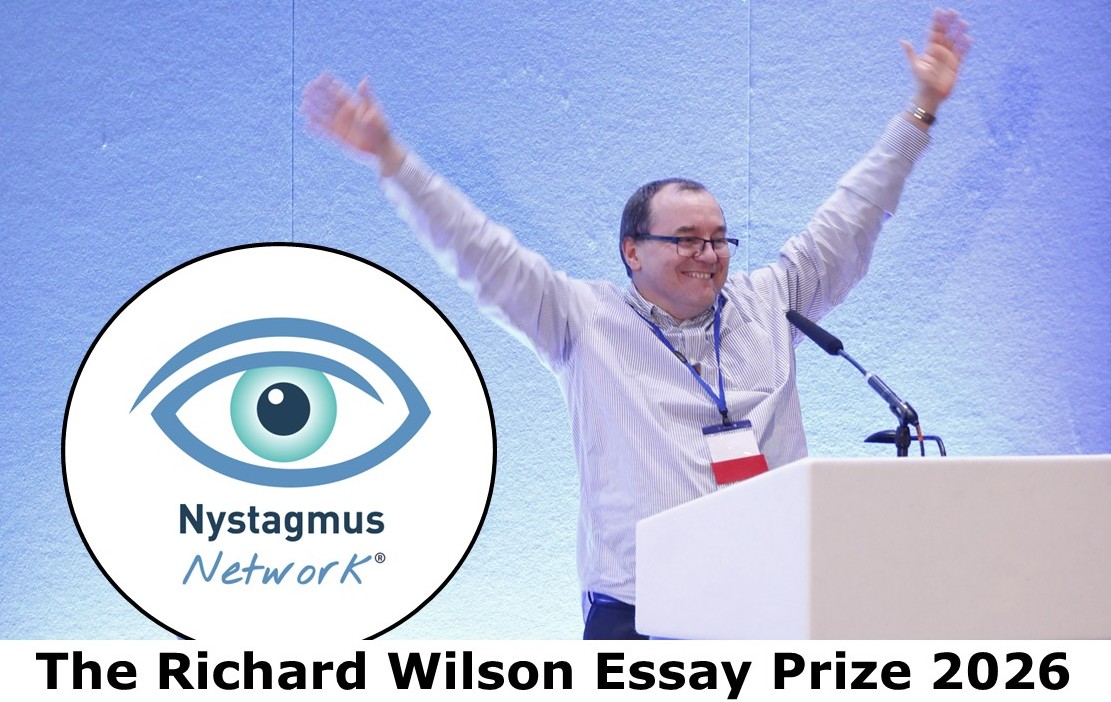
Nystagmus Network launches essay competition 2026

In memory of Richard
Richard Wilson OBE served as Chair of Trustees of the Nystagmus Network from 2010 to 2019. During that time he introduced the very first Nystagmus Awareness Day, saw the charity’s investment in nystagmus research top £1,000 per week, established an annual UK nystagmus research workshop and hosted the charity’s first ever clinical training event.
Richard received his OBE from Her Majesty the Queen in the New Year’s Honours of 2018. He sadly passed away in 2023 and is fondly remembered by everyone.
Who can take part?
The competition is open to students of all levels, from undergraduate to post-doctorate, in the fields of Ophthalmology, Optometry, Orthoptics or a visual related science, currently studying or working at UK institutions.
Prizes
First prize: £500 and the opportunity to speak at the Nystagmus Network International Nystagmus Symposium 2026. Your cheque will be presented at a Nystagmus Network event.
Second Prize: £200
Third Prize: £100
Judges
The 2026 panel includes
Dr Onyeka Amiebenomo, Senior Lecturer in Optometry, University of the West of England Bristol
Mr Daniel Osborne, Research Orthoptist and NIHR Pre-Doctoral Fellow at University Hospital Southampton NHS FT
They will be supported in their decision making by Nystagmus Network trustees.
Essay Question for 2026
 |
| Richard Wilson, OBE |
Judging criteria
For entries to be considered they must:
demonstrate a significant level of understanding of current clinical practice for nystagmus in the UK
pinpoint any key areas for development which AI could support
identify how AI assisted research can expand clinical knowledge of nystagmus
Format
Essays to be a maximum of 3000 words in length (excluding any diagrams, graphs, references, bibliography).
Timeline
Applications open in December 2025. The deadline for submission is 30 June 2026.
Submission
Completed essays should be emailed to research@nystagmusnet.org clearly marked ‘Richard Wilson Essay Prize’ in the subject line. Entries must include the full name of the candidate, the UK institution where they are registered, their current level of study and their highest academic qualification to date.
What is Nystagmus?
Nystagmus is a condition that affects the eyes, causing them to move involuntarily and repetitively. These movements can be side-to-side (horizontal), up and down (vertical), or in a circular pattern (rotary).
The motion is usually rhythmic and can vary in speed and intensity. For people living with nystagmus, the constant eye movement can affect vision, depth perception, and balance, although the impact differs greatly from person to person.
There are two main categories of nystagmus: congenital (or infantile) and acquired. Congenital nystagmus typically develops within the first few months of life and is often linked to conditions affecting visual development, such as albinism, optic nerve hypoplasia, or congenital cataracts. In many cases, no single underlying cause is identified.
Acquired nystagmus, on the other hand, develops later in life and may be associated with neurological conditions, inner ear disorders, head injury, stroke, multiple sclerosis, or the use of certain medications.
Thursday, 11 December 2025
That's Christmas 365: Why Staying Home With the Super Flu Is a Moral Dut...
That's Christmas 365: Why Staying Home With the Super Flu Is a Moral Dut...: Protect loved ones this festive season by staying home when ill with a super flu virus. Discover why it’s a moral duty that helps keep Chris...
Tuesday, 9 December 2025
Public Urged to Join #SCCForME Campaign to End Harmful Reassessments

The S.C.C. is designed to protect people who have lifelong, disabling conditions from having to go through repeated benefit reassessments.
Yet despite overwhelming scientific and medical evidence that recovery from M.E./C.F.S. is rare, the Department for Work and Pensions (DWP) does not automatically recognise M.E./C.F.S. under S.C.C.
People with M.E./C.F.S. are currently forced into repeated reassessments to prove they remain disabled, even after being awarded Limited Capability for Work and Work-Related Activity (LCWRA). These reassessments are:
Harmful – triggering post-exertional malaise and worsening symptoms.
Exhausting – draining for people already living with profound fatigue and cognitive dysfunction.
Wasteful – taxpayer money is being spent on reassessing people with a condition that scientific and medical evidence shows is lifelong.
This campaign is not about expanding benefits or increasing eligibility. It is about efficiency, fairness, and compassion: stopping unnecessary reassessments for people with M.E./C.F.S. whose condition is permanent.
The #SCCforME campaign calls for:
Automatic recognition of M.E./C.F.S. as a lifelong condition under the S.C.C.
Clearer guidance to assessors that fluctuations do not equal recovery.
An end to repeated reassessments for people with M.E./C.F.S. who have already been awarded LCWRA.
They are asking members of the public to join the M.E./C.F.S. community in taking part in this one-day campaign by:
Sending a pre-written email to the DWP or their MP.
Posting campaign messages on social media using #SCCforME
Sharing campaign graphics to amplify visibility.
A surge of emails and posts on one day creates urgency and impact, making it harder for decision-makers to ignore.
Learn More
Full details, template emails, social media posts, and shareable graphics are available in the latest blog on stripylightbulb.org.
Sally Callow (pictured) Managing Director, Stripy Lightbulb CIC. told That's Health: “This isn't about getting more people onto benefits. It's about stopping the waste of taxpayer money and ending harmful reassessments for people with M.E./C.F.S.
"Recovery is rare, in the absence of approved treatments or a cure, and reassessments only cause harm. The system must shift its focus from functionality to permanency.”
AI therapy works best when you feel emotionally close to your chatbot, study reveals

With more than one in three UK residents now using AI to support their mental health, a new study highlights the key to effective chatbot therapy and the psychological risks of ‘synthetic intimacy’.
Analysis of feedback from 4,000 users of a market-leading mental health app found that therapy was more successful when users developed emotional intimacy with their AI therapist.
However, the study also raises fresh questions about the growing phenomenon of synthetic intimacy - where people develop social, emotional or intimate bonds with artificial intelligence.
University of Sussex Assistant Professor Dr Runyu Shi told That's Health: “Forming an emotional bond with an AI sparks the healing process of self-disclosure. Extraordinary numbers of people say this works for them, but synthetic intimacy is not without its problems. People can get stuck in a self-fulfilling loop, with the chatbot failing to challenge dangerous perceptions, and vulnerable individuals end up no closer to clinical intervention.”
Reports of people around the globe in relationships or even marriages with artificial intelligence have put synthetic intimacy in the spotlight. The researchers say this is the extreme end of a common phenomenon and have pinpointed the stages by which intimacy with AI is generated.
The process is described as a loop, where users take part in intimate behaviour by disclosing personal information, then they have an emotional response, with feelings of gratitude, safety and freedom from judgement. This can lead to positive changes in thinking and wellbeing, such as self-confidence and higher energy levels. Over time this loop creates an intimate relationship, with human-like roles attributed to the app.
Published in Social Science and Medicine, today’s paper was based on feedback from users of Wysa, a popular mental health app prescribed under the NHS Talking Therapies programme. NHS Trusts are using the app to aid self-referral and support patients on waiting lists. The study reports that users commonly referred to the app as a friend, companion, therapist and even occasionally partner.
University of Sussex Professor Dimitra Petrakaki said: “Synthetic intimacy is a fact of modern life now. Policymakers and app designers would be wise to accept this reality and consider how to ensure cases are escalated when an AI witnesses users in serious need of clinical intervention.”
With chatbots increasingly filling the gaps left by overstretched services charities like Mental Health UK are calling for urgent safeguards to make sure people receive safe and appropriate information.
That's Christmas 365: Winter Wellness: Foods and Supplements to Keep You...
That's Christmas 365: Winter Wellness: Foods and Supplements to Keep You...: Everyone needs vitamins! Stay healthy this festive season with immune-boosting foods and smart supplements. Discover what to eat in the run-...
That's Christmas 365: Why Every Family Should Get Their Flu Jab Before C...
That's Christmas 365: Why Every Family Should Get Their Flu Jab Before C...: As we slip into the sparkle and bustle of December, most of us are busy planning festive menus, booking travel, wrapping presents, and check...
Friday, 5 December 2025
That's Christmas 365: How to Look After Your Hearing Aids in Preparation...
That's Christmas 365: How to Look After Your Hearing Aids in Preparation...: I wrote this blogpost because, this morning, my right hearing aid started bleeping at me. A quick trip to Google, search the symptoms (I was...
Thursday, 4 December 2025
Age UK East Sussex Launches Appeal to Support Digitally-Excluded Older People

Imagine your mum, grandad, or a neighbour you care about needing essential support, but the only way to get this is via an online form and they have no internet.
Or perhaps they’re hard of hearing and stuck with a voice-recognition phone system that can’t understand them. Or partially sighted and expected to complete an essential medical form on a tiny phone screen.
For many older people in East Sussex, this isn’t a future worry. It’s happening right now.
As local councils and services shift to online-only applications for vital benefits such as Attendance Allowance and the Blue Badge, Age UK East Sussex is experiencing a surge in older people urgently needing help.
Without digital access, or systems designed for accessibility, or just the confidence to face a barrage of passwords and automations, many are facing overwhelming barriers to the support they need to stay independent.
As a result Age UK East Sussex has launched its new appeal, “Ensuring No One Is Left Behind,” running from now until the end of January, to raise £25,000 to meet this growing need.
Older people are being left behind - and demand for help is soaring
The charity’s Information & Advice service is receiving more requests than ever from people who simply cannot navigate online-only systems. What should be routine applications can feel stressful, frightening, and often impossible for those without digital skills, smart devices, or access to the internet.
This sharp rise in demand follows changes to application processes across the county - leaving many older people unable to apply for the benefits they are eligible for without specialist support.
The dedicated I&A team is now working against a three-month waiting list, and staff fear that with such a long wait, more older people will continue to go without the support they need.
Why Age UK East Sussex is asking for support
Funds raised through this appeal will go directly towards:
Recruiting and training additional advisors and volunteers
Providing more one-to-one appointment slots
Covering essential running costs of the Information & Advice service
(including telephone support, outreach visits, and in-person appointments)
These additional resources will help ensure older people get the help to apply for what they need - safely, confidently, and without long delays.
Steve Hare, CEO, Age UK East Sussex told That's Health: “We hear from people every day who are desperate and worn down by systems they simply can’t access. These aren’t luxuries - they’re essential services that help people stay cared for and independent.
"No one should be left without support because they don’t have a laptop or can’t use a smart phone. With the backing of our community, we can reach people sooner, reduce waiting times, and make sure every older person in East Sussex can apply for the support they need.”
How you can help
Age UK East Sussex is calling on local residents, businesses, and community groups to come together to support the appeal.
Please visit https://www.ageuk.org.uk/eastsussex /staying human for more information
Even a small donation can help an older person begin their journey to accessing the benefits and support they need.
That's Christmas 365: Is Your Family’s First Aid and Emergency Kit Ready...
That's Christmas 365: Is Your Family’s First Aid and Emergency Kit Ready...: Ensure your home is prepared for the festive season with a fully stocked first aid and emergency kit. Practical Christmas and New Year safe...
That's Christmas 365: How to Make Sure Your Christmas Turkey Isn’t Rotte...
That's Christmas 365: How to Make Sure Your Christmas Turkey Isn’t Rotte...: Learn how to choose, store and defrost your Christmas turkey safely, avoid spoiled birds, and spot warning signs, including a real-life caut...
A man’s guide to the menopause

o how can men know what to do, or what to say, if their wife, partner or work colleague is struggling with troublesome symptoms at this time of life?
In the Autumn 2025 issue of The Menopause Exchange newsletter, Mr Mike Savvas, consultant gynaecologist, provides men with reliable, trustworthy information about the menopause.
He covers the main symptoms caused by hormonal changes, possible treatments and other management approaches, and how the menopause can impact on relationships at home and at work.
“Most men want to support the menopausal women in their life – whether this is a relative, friend or work colleague, but it can be difficult to know where to begin,” Norma Goldman, founder and director of The Menopause Exchange told That's Health.
“Understanding the menopause is the first step towards providing that support.”
The Menopause Exchange’s subscribers include women, men, healthcare professionals, complementary therapists, workplace managers, employees and journalists.
Other articles in the Autumn 2025 issue of The Menopause Exchange quarterly newsletter include non-hormonal treatments for sweats and flushes, nutrition at the post-menopause, and HRT prescriptions, as well as news,
Ask the Experts Q&As and information about Norma Goldman’s webinars, talks and workshops.
The Menopause Exchange, which was established in 1999, is unbiased and independent and isn’t sponsored by any companies or organisations.
Their free quarterly newsletter contains articles written by top UK medical experts, including menopause consultants, GPs, specialist menopause nurses, pharmacists, dietitians, complementary practitioners, a menopause counsellor and a pelvic health physiotherapist.
To join The Menopause Exchange, anyone can sign up for free on our website, http://www.menopause-exchange.co.uk. You can also find them on Facebook and Twitter (@MenopauseExch).
Menopause webinars: Our readers may be interested in attending or organising an online webinar presented by Norma, who has been giving presentations for over 26 years.
These are suitable for women at or approaching the menopause, women who have had premature ovarian insufficiency (before age 40), an early menopause or a hysterectomy, or anyone with an interest in women’s midlife health.
Her indepth knowledge has helped thousands of women enjoy a more comfortable perimenopause and menopause. Norma is now presenting online ‘Understanding the Menopause’ webinars to men. Knowing about the menopause can help men to better support their wife or partner, employees and/or work colleagues.
Norma also presents an ‘Understanding the Menopause’ webinar, geared towards workplaces, which they host, and a separate workplace webinar to line managers, HR teams, occupational health personnel, menopause champions and others responsible in the workplace (companies and organisations) for the wellbeing of employees.
In all webinars, attendees will be able to ask questions and will receive a factsheet.
To attend an ‘Understanding the Menopause’ webinar, organise one for your workplace or for more information email norma@menopause-exchange.co.uk or call 020 8420 7245.
Tuesday, 2 December 2025
UKMSA welcomes London Assembly’s report into Men’s Mental Health in London, highlightings how partnership working helps people create more Sheds across London

Men’s Sheds are mainly volunteer-led spaces, where men come together to make, mend and build friendships.
They offer informal, practical spaces that support wellbeing simply by giving men a place to belong.
“Following the premature death of my daughter from a car crash, I fell off the rails. I felt that I did not want to do anything or mix with anybody.
"After finding Men in Sheds, I have rebuilt my life, and I have found a group of new and diverse friends. It has also renewed my love of woodwork. The group talk about many subjects, and it feels like a safe place to discuss many difficult subjects,” said Dave, Shedder, 62.
However, many London boroughs still have no Sheds, and volunteers need access to affordable premises and local support to open more.
Caroline Ellis, CEO of UKMSA, said: “London can be a fantastic city, but it can also be a lonely one. Sheds offer men a place to turn up, get involved and feel part of something. We welcome the Mayor’s focus on men’s mental health and the recognition that community-led spaces must be part of the solution. With the right partnerships, we can support volunteers to open more Sheds across the capital.”
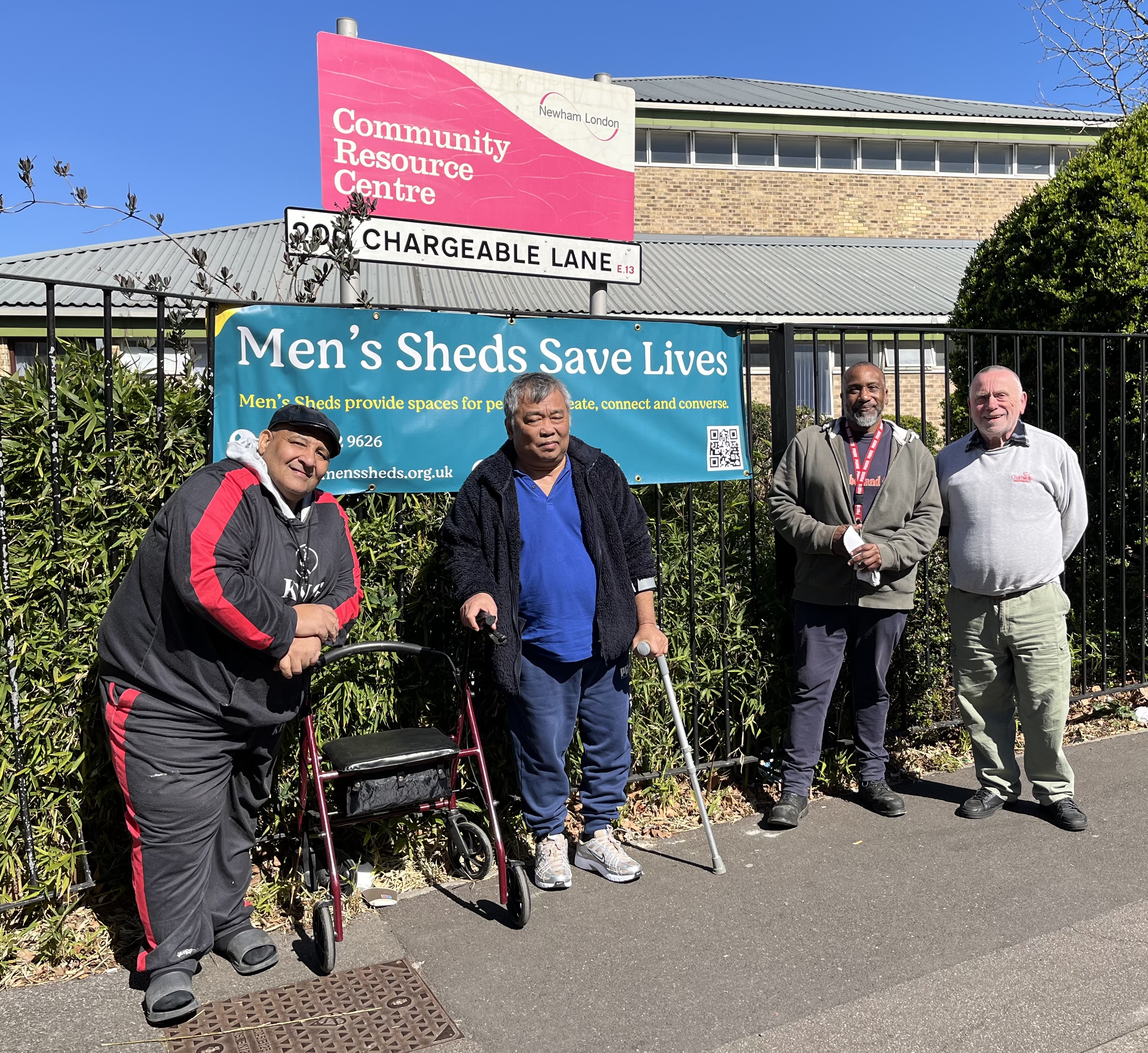
"In our last impact survey in September 2025, 100% of our members surveyed agreed with the statement “I have formed new social connections or friendships since joining the shed”.
"We see new members join at moments of significant life change, including bereavement, and it’s inspiring to see how much joy, purpose, and camaraderie they find amongst their peers in the Shed," said Emily Willey, Service Manager, Age UK Bexley
Is There a Link Between Dyslexia and Migraine Attacks?

For years, people have reported experiencing both dyslexia and migraines, leading to the natural question: are the two conditions connected?
While scientists haven’t found a direct cause-and-effect relationship, research does suggest that some people with dyslexia are more likely to experience migraines than the general population.
Here’s what we currently know, and why understanding the overlap can make day-to-day life a little easier.
Understanding Dyslexia and Migraine: Two Conditions With Brain-Based Origins
Dyslexia is a lifelong neurodevelopmental difference that affects the way the brain processes written and spoken language. Migraine, meanwhile, is a complex neurological condition involving sensory hypersensitivity, changes in the brain’s pain pathways, and, sometimes, aura symptoms such as flashing lights, zig-zag patterns, or temporary visual loss.
Although the two conditions are very different, both involve variations in brain networks that handle sensory and cognitive processing. This shared neurological basis is one reason researchers believe they may appear together more often than chance alone would predict.
What the Research Suggests
1. Higher Rates of Migraine in People With Dyslexia
Some studies have found that people with dyslexia report migraines at a slightly higher rate than the general population. This doesn’t mean dyslexia causes migraines. Rather, both conditions may stem from certain shared patterns in brain function, particularly in the visual and language-processing regions.
2. Visual Stress May Play a Role
Visual stress, sometimes referred to as visual discomfort or Irlen-type symptoms, is more common in some people with dyslexia. This can include sensitivity to:
Striped or high-contrast patterns
Flickering lights
Harsh brightness
Text that seems to “move” on the page
Interestingly, these same sensory triggers can provoke or intensify migraine attacks. When a person has both dyslexia and migraines, these visual sensitivities can stack up, making reading or screen work more likely to trigger symptoms.
3. Cognitive Fatigue Can Increase Migraine Risk
People with dyslexia may need to use more effort or energy to read for long periods, especially when dealing with dense text, unfamiliar vocabulary, or prolonged screen time.
Cognitive fatigue is a known migraine trigger, meaning that sustained concentration can sometimes contribute to an attack.
What’s Not Yet Proven
Despite promising insights, researchers still emphasise that:
Dyslexia does not cause migraines.
Migraines do not cause dyslexia.
Many people experience one condition without the other.
Any link is likely due to overlapping neurological traits rather than a direct connection.
Practical Ways to Reduce Migraine Triggers When You Have Dyslexia
If you or someone you know experiences both conditions, a few small adjustments can make daily tasks far more comfortable.
Adjust Your Visual Environment
Reduce screen brightness and increase text size.
Use warmer or softer screen tones rather than stark white backgrounds.
Try tinted overlays or reading rulers if visual stress is an issue.
Consider gentle lighting rather than bright overhead bulbs.
Manage Your Screen and Reading Time
Take short visual breaks, 20 seconds every 20 minutes can help.
Break reading tasks into manageable chunks.
Use audiobooks and text-to-speech tools to reduce strain.
Keep an Eye on General Migraine Triggers
Good management of lifestyle factors can reduce attack frequency:
Maintain steady hydration.
Keep a consistent sleep pattern.
Avoid skipping meals.
Manage stress with relaxation techniques or gentle movement.
When to Seek Support
If migraines are frequent, severe, or getting worse, speaking to a GP is important. They can help rule out other causes and offer treatments ranging from preventative medications to non-drug therapies.
If reading is becoming increasingly difficult or visually uncomfortable, an eye specialist or dyslexia-informed assessor can offer additional strategies.
While there’s no definitive, direct link between dyslexia and migraine attacks, the two conditions can overlap in meaningful ways, particularly through visual sensitivity and cognitive fatigue.
Understanding these connections can empower people to create more comfortable, migraine-friendly reading environments and reduce unnecessary pain.
Subscribe to:
Comments (Atom)