Sunday, 22 February 2026

Rare Disease Day: Why Awareness Matters More Than Ever

Every year on 28 February (or 29 February in leap years), the world marks Rare Disease Day, a global campaign dedicated to raising awareness of conditions that individually affect small numbers of people, but collectively impact millions worldwide.

In the UK alone, it's estimated around 3.5 million people live with a rare disease. Globally, that figure rises to overmore than 300 million. 

Despite the numbers, many patients still face delayed diagnosis, limited treatment options and ongoing misunderstanding.

For That’s Health, this day is about shining a light on stories that are too often overlooked.

What Is a Rare Disease?

A disease is considered rare in the UK if it affects fewer than 1 in 2,000 people. However, there are more than 7,000 known rare conditions. 

Around 72% are genetic, and many begin in childhood, though others emerge later in life.

Examples include:

Huntington's disease

https://www.hda.org.uk/information-and-support/huntingtons-disease/what-is-huntingtons-disease

Cystic fibrosis

https://www.cysticfibrosis.org.uk

Ehlers-Danlos syndrome

https://www.ehlers-danlos.com/what-is-eds

Duchenne muscular dystrophy

https://www.duchenneuk.org/what-is-duchenne

Some are life-limiting. Others are chronic and complex, affecting multiple body systems and requiring specialist care.

The Challenge of Diagnosis

One of the biggest hurdles facing people with rare diseases is simply getting a diagnosis.

It can take years, sometimes decades, for patients to receive clarity. Symptoms may be misattributed, dismissed, or misunderstood. Families often describe a long and exhausting search for answers, moving from specialist to specialist.

Earlier diagnosis matters. It can:

Improve treatment outcomes

Allow families to plan and access support

Connect patients with specialist communities

Reduce mental health strain caused by uncertainty

Living With a Rare Condition

Rare diseases do not just affect physical health. They impact education, employment, finances and relationships.

People may feel isolated, especially if there are very few others locally with the same condition. Support groups, online communities and charities play a vital role in providing connection and practical advice.

In the UK, organisations such as Genetic Alliance UK and Rare Disease UK campaign for improved services, research funding and better policy support.

https://geneticalliance.org.uk

https://rd-research.org.uk

Why Awareness Still Matters

Awareness days are sometimes criticised as symbolic gestures. But for rare disease patients, visibility can lead to real change.

Awareness can:

Encourage earlier referrals and recognition by healthcare professionals

Support funding for research and innovative therapies

Influence government health strategies

Reduce stigma and misunderstanding

The UK has developed rare disease frameworks to improve coordination of care, but continued momentum is essential.

Research and Hope

Scientific advances, particularly in genetics and personalised medicine, are transforming the landscape of rare disease treatment. Gene therapies, targeted biologics and improved diagnostic tools are offering new hope.

However, research into rare diseases often receives less funding due to smaller patient populations. Advocacy remains crucial to ensure progress continues.

How You Can Support Rare Disease Day

You do not need to be directly affected to make a difference. You can:

Share information on social media

Support rare disease charities

Learn about conditions affecting people in your community

Encourage compassionate conversations

Even a small action can reduce isolation for someone living with a rare diagnosis.

Rare diseases may be individually uncommon, but collectively they represent a significant public health issue. Behind every statistic is a person navigating uncertainty, resilience and strength.

Rare Disease Day reminds us that awareness is not just about facts and figures, it is about empathy, research, and ensuring that no one feels invisible.

For more health awareness features and UK-focused wellbeing content, keep following That’s Health.

Friday, 20 February 2026

Rebuilding After “Superflu”: Restoring Stamina, Strength and Well-Being

A tough bout of flu, or something more serious such as some strains of COVID-19, can leave you feeling drained long after the fever fades. 

Fatigue, weakness and breathlessness are common. The key to recovery is gradual progress, good nutrition and sensible exercise.

Start Slowly

Before structured workouts, begin with:

Gentle stretching

Short walks around the house

Light mobility work

Slow, steady breathing exercises

If symptoms worsen the next day, ease back. Recovery should feel progressive, not punishing.

Using a Home Treadmill Wisely

A treadmill offers controlled, weather-proof exercise, ideal for rebuilding stamina steadily.

Weeks 1–2

5–15 minutes walking

Flat incline

Comfortable, conversational pace

Weeks 3–4 (if symptom-free)

Extend to 20 minutes

Add short brisk intervals

Avoid rushing into running

Monitor breathlessness and next-day fatigue. Consistency matters more than intensity.

Rebuild Basic Strength

Illness reduces muscle mass quickly. Start small:

Bodyweight squats

Wall push-ups

Resistance band exercises

Two short sessions weekly is enough at first. Rest between sessions.

Nutrition for Recovery

Focus on:

Protein (eggs, fish, beans)

Wholegrains for energy

Healthy fats such as olive oil

Hydration

Small, regular meals can help if appetite is low.

Supplements: Keep It Sensible

Some people consider:

Vitamin D (especially in the UK winter)

Vitamin C and zinc

Magnesium

Omega-3

Avoid high doses and check with a GP or pharmacist if unsure.

Don’t Neglect Sleep

Quality sleep supports immune repair and muscle recovery. Keep a regular bedtime and limit late-night screen use.

When to Seek Advice

Consult a professional if you experience:

Ongoing chest pain

Severe breathlessness

Heart palpitations

Extreme fatigue lasting months

Final Thoughts

Recovery from “superflu” isn’t about pushing hard, it’s about rebuilding steadily. Gentle treadmill walking, basic strength work, balanced meals and sensible supplementation can help you regain stamina safely.

Progress may be gradual, but it will come.

New Age UK East Sussex charity shop opens in the heart of Eastbourne

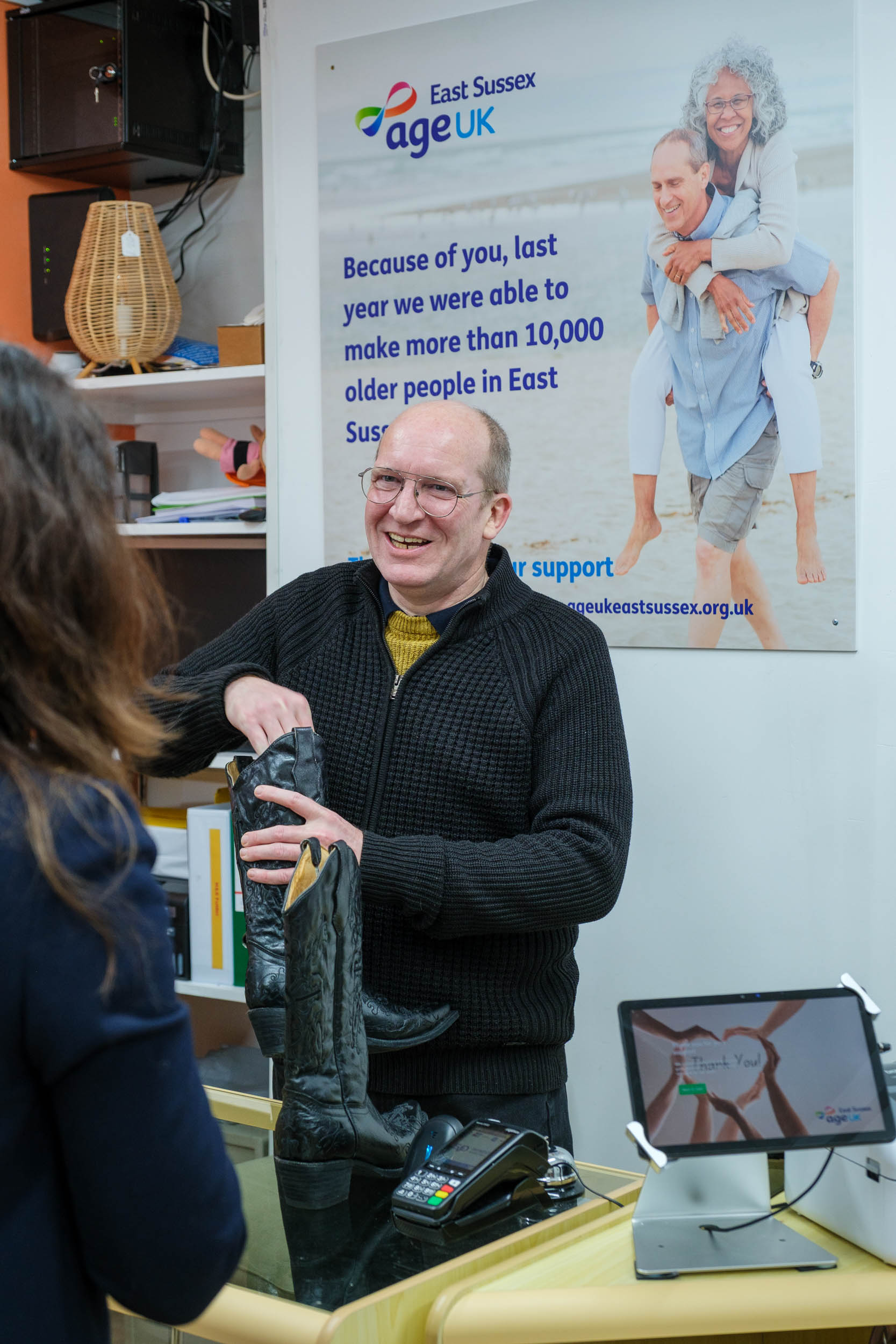
Age UK East Sussex has officially opened a new charity shop in Langney Road, providing a welcoming new space for the community to shop, donate and support older people across the county.

Located in Langney Road, the new shop offers a wide range of quality clothing, books, household goods and other pre-loved items, all raising vital funds to support the charity’s work with older people in East Sussex.

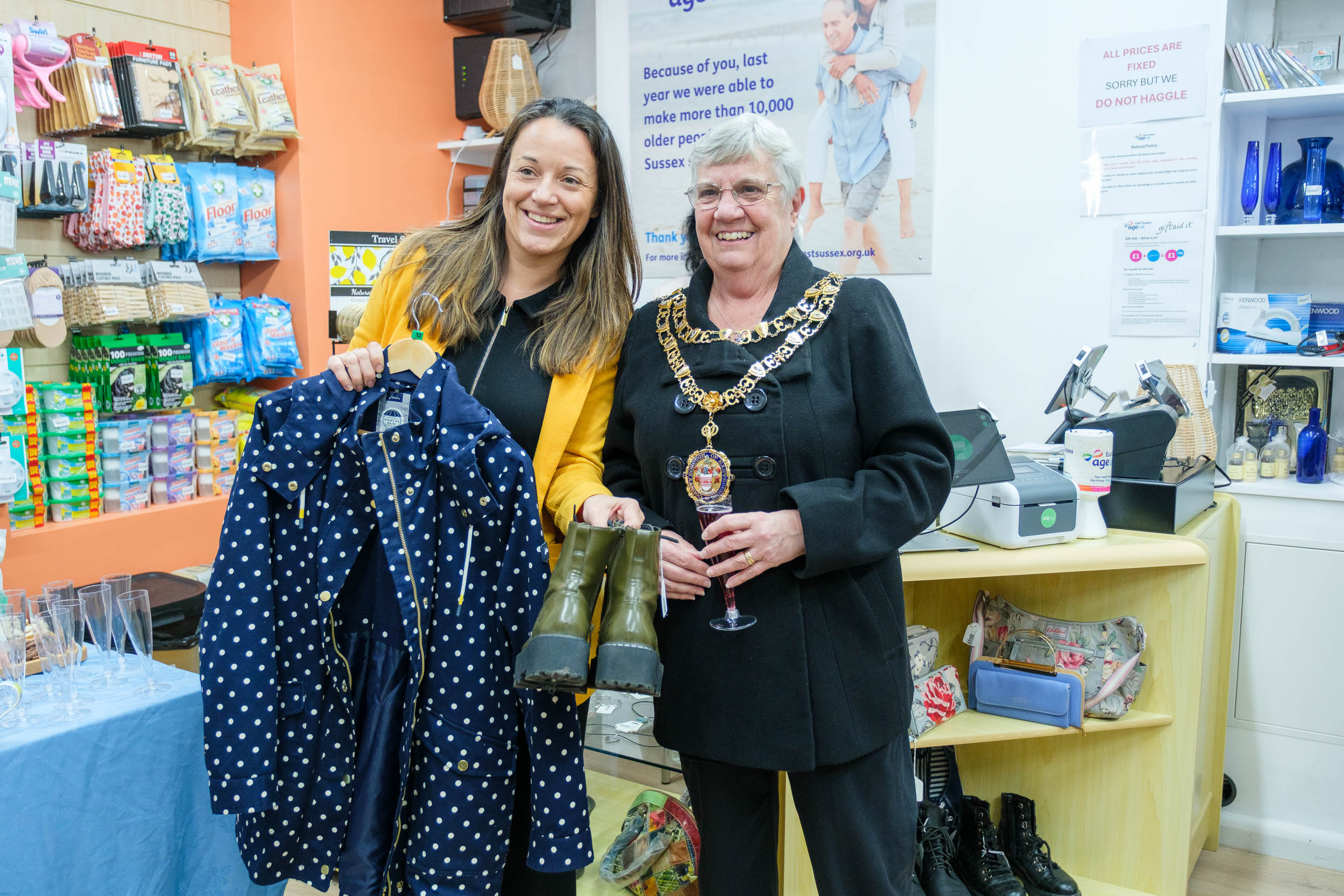
The opening was marked by a visit from the The Worshipful the Mayor of Eastbourne, Councillor Margaret Bannister, alongside representatives from Age UK East Sussex, volunteers and members of the local community.

“It’s wonderful to be here to help celebrate the opening of Age UK East Sussex’s new shop. This is a positive step for the charity and for the many older people across our community who will benefit from its work.”

Supporting older people across East Sussex

Age UK East Sussex is a local, independent charity that has been supporting older people in the community for over 75 years. With a dedicated team of staff and volunteers, the charity delivers services, activities and advice that make a real difference to people in later life.

The charity supports thousands of older people each year, helping to reduce loneliness, improve wellbeing and enable people to live independently for as long as possible.

A shop with a purpose

The new Eastbourne shop is one of five charity shops and two furniture stores across the county that are run by Age UK East Sussex. As well as offering great value items, the shop plays an important role in funding the charity’s frontline services and creating opportunities for volunteering in the local area.

“I was so happy when I saw that this new shop was looking for volunteers. I applied straight away as I’ve been out of work for a while and wanted to build my confidence again,” said one new volunteer. “So far it has been everything I hoped it would be. The team are lovely and the customers are friendly. It’s done so much for me already.”

Get involved – Volunteer with them!

Age UK East Sussex is inviting local people to get involved by volunteering at the new Eastbourne shop.

There are a variety of roles available to suit different interests and availability - from welcoming customers and serving on the shop floor, to sorting donations and preparing stock behind the scenes. 

Whether someone can spare a few hours a week or more regular time, there is something for everyone.

Volunteering with Age UK East Sussex is a great way to meet new people, learn new skills and be part of a friendly team - all while helping to raise vital funds to support older people across East Sussex.

Anyone interested in volunteering can speak to the team in store, call 01273 476704, or email volunteers@ageukeastsussex.org.uk to find out more.

https://www.ageuk.org.uk/eastsussex

Grünenthal’s proprietary NaV 1.8 inhibitor enters clinical development

Grünenthal has announced that the first healthy volunteers have been enrolled in a Phase I trial of its voltage-gated sodium channel (NaV) 1.8 inhibitor. 

The orally administered investigational medicine aims to provide a non-opioid therapy option across a range of acute and chronic pain conditions. Full results of the trial are expected in the second half of this year, 2026.

The Phase I trial will involve 70 healthy volunteers and comprises a Single Ascending Dose and a Multiple Ascending Dose part. It aims to assess the safety and tolerability profile and the pharmacokinetic characteristics of the investigational medicine. In addition, the trial will generate initial insights into the compound’s pharmacology through a cold-pressor test.

“Inhibition of NaV 1.8 offers an exciting opportunity to provide patients with urgently needed non-opioid pain therapies,” Uli Brödl, Chief Scientific Officer, Grünenthal, told That's Health.

 “While we have seen the first medicine targeting NaV 1.8 receive FDA approval last year, we are committed to driving further innovation in this field where advanced assets may provide enhanced patient outcomes by blocking NaV 1.8 more comprehensively.”

About voltage-gated sodium channels (NaV)

There are a total of nine different NaV channels in the human body. The NaV 1.8 channel is a clinically and genetically validated pain target, as the channel plays a significant role in triggering excitatory signals in nociceptive neurons, which the human brain perceives as pain. Blocking the NaV 1.8 channel to suppress or prevent its excitatory signalling will provide a significant analgesic effect across a range of chronic and acute pain conditions.

FACTFILE:

Grünenthal is a global leader in pain management and related diseases. As a science-based, fully integrated pharmaceutical company, they have a long track record of bringing innovative treatments and state-of-the-art technologies to patients worldwide. Their purpose is to change lives for the better – and innovation is their passion. They focus all  their activities and efforts on working towards our vision of a World Free of Pain.

Grünenthal is headquartered in Aachen, Germany, and has affiliates in 28 countries across Europe, Latin America, and the U.S. 

Their products are available in approx. 100 countries. In 2024, Grünenthal employed around 4,300 people and achieved revenues of €1.8 billion.

For more information visit: https://www.grunenthal.com.

UK Men’s Sheds Association launches new guide to help communities set up Men’s Sheds in shipping containers

The UK Men’s Sheds Association (UKMSA) has launched a free practical guide to help communities across the UK establish Men’s Sheds using shipping containers - a flexible, affordable and increasingly popular solution for creating safe workshop and social spaces for men.

Men’s Sheds play a vital role in tackling loneliness and social isolation, particularly among older men and those experiencing life changes such as retirement, bereavement or poor health. 

By providing shared spaces where men can connect, learn skills and support one another, Sheds contribute positively to mental health, suicide prevention, alcohol moderation and community wellbeing.

With community premises hard to come by in many areas of the UK, the new publication, Shipping Container Set Up for Sheds, draws on real-world experience from Men’s Sheds currently operating in containers, including detailed case studies from Amersham and Wendover Men’s Sheds. 

As of December 2025, at least 27 Men’s Sheds across the UK are using shipping containers as their main workshop space.

“The container didn’t just solve our space issue - it gave our members a meaningful project. Refitting it ourselves created purpose, teamwork and real pride. The finished workshop represents not just a building, but the confidence and skills gained along the way,” John Latchford of Amersham Men’s Shed in Buckinghamshire, told That's Health.

Shipping containers offer a quick and cost-effective way for new and developing Sheds to get started, particularly where permanent buildings are not viable. They are secure, weather-resistant, portable, and can be adapted for workshops, social spaces, storage and off-grid use.

The guide covers every stage of the process, including:

Planning, access and foundations

Power, lighting and ventilation

Health and safety, insurance and regulatory considerations

Workshop layout and future expansion

Insulation, noise control and dust management

Real case studies and practical lessons learned

The guide also highlights how container-based Sheds can grow over time, with examples of modular expansion, outdoor covered workspaces and renewable energy solutions.

By sharing practical advice and honest insights from experienced Sheds, UKMSA aims to reduce barriers for communities looking to create welcoming spaces that support men’s health, wellbeing and social connection.

“Shipping containers have enabled many Sheds to get up and running quickly and safely, often in places where no other option existed,” Rachel Meadows, head of development at UKMSA, added. 

“This guide brings together the collective knowledge of Shedders who’ve already done it, helping others avoid common pitfalls and make informed decisions.”

The Shipping Container Set Up for Sheds guide is aimed at community groups, local authorities, funders and anyone interested in developing a Men’s Shed. It is available now at https://menssheds.org.uk/mens-sheds-resources/

For more information on starting up a Men’s Shed visit https://menssheds.org.uk/start-a-shed/

Extraordinary Conceptions Announces US/UK Hybrid Surrogacy Programme

Extraordinary Conceptions, a global leader in surrogacy and egg donation with over two decades of experience, today announced the continued expansion of its U.S./UK Hybrid Surrogacy Programme, an international model that has successfully supported UK families for over five years.

Developed in response to long surrogate matching delays in the UK due to somewhat outdated surrogacy legislation, the Hybrid Programme enables intended parents to create embryos locally with their trusted UK fertility specialists, while moving their journey forward quickly through matching with thoroughly vetted U.S.-based surrogates. 

This approach provides families with access to enforceable legal contracts, pre-birth orders, and comprehensive medical and insurance protections available in the United States.

Through this established model, Extraordinary Conceptions has already supported numerous successful international surrogacy journeys, offering UK families a reliable, secure, and efficient alternative to domestic-only programs.

How the Hybrid Model Works

The program is structured around a seamless two-country journey, combining the best of both healthcare systems:

• IVF & Embryo Creation in the UK

Intended parents complete fertility treatment and embryo creation with their chosen UK specialists, maintaining continuity of care with physicians they know and trust.

• Surrogate Travel for Embryo Transfer

Once embryos are created, Extraordinary Conceptions matches families with a qualified U.S. surrogate—often within a significantly shorter timeframe than in the UK. The surrogate travels to the UK for the embryo transfer, which is managed under the guidance of the intended parents’ IVF clinic. Following the procedure, the surrogate returns to her home state to continue the pregnancy.

• U.S.-Managed Pregnancy & Delivery

The pregnancy, legal process, insurance coverage, and delivery are managed in the United States, including the establishment of parental rights through pre-birth orders and coordinated care at leading hospitals and fertility clinics.

• End-to-End Agency Support

Extraordinary Conceptions works closely with UK fertility clinics to coordinate every aspect of the journey—from matching and legal services to travel logistics, case management, and emotional support—ensuring a seamless experience.

“Our mission has always been to make surrogacy accessible, ethical, and transparent for families around the world. The Hybrid Program was built with UK families in mind — so they never have to choose between the doctors they trust and the legal security they deserve. Parents can have both," Hilary Smith, Head of International Development, Extraordinary Conceptions, told That's Health.

Transparent, Competitive Pricing

The Hybrid Surrogacy Programme is offered at an estimated total cost of USD $130,000 to $150,000, depending on individual medical circumstances. This comprehensive fee typically covers:

Full agency coordination, from initial consultation through surrogate matching

Surrogate compensation, wellness support, and living expense allowance

U.S.-based legal services, including surrogacy agreements and parental rights establishment

Surrogate medical insurance for the duration of the pregnancy

Round-trip travel and accommodation for the surrogate's UK embryo transfer

As demand for international fertility solutions continues to rise, the Hybrid Program represents a new benchmark for safe, ethical, and family-centered surrogacy care.

www.extraconceptions.com

Tuesday, 17 February 2026

Know GvHD marks GvHD Day on February 17, 2026, with “Together through GvHD” campaign

Image courtesy gvhdhub.com

Know GvHD will mark GvHD Day on Tuesday February 17, 2026, uniting patients, caregivers, ambassadors, societies, and the wider community to raise awareness of graft-versus-host disease (GvHD) and the long-term impact it can have on those affected.

GvHD Day aims to shine a light on the ongoing physical and psychological effects of GvHD and its treatment, as well as the continuing need for education, support, and connection. 

Many people remain unaware of the long-term biological, physical, and emotional challenges associated with GvHD, the supportive care options available, and where patients, caregivers, and families can find trusted information and practical guidance. GvHD Day 2026 seeks to address these gaps by making easily-accessible, patient-focused resources available to the entire GvHD community.

Together through GvHD

This year’s campaign – Together through GvHD – is rooted in connection, understanding, and hope. It is a reminder to every patient and caregiver affected by GvHD that they are not alone and that support, information, and community are within reach.

Connect. Share. Feel supported.

As part of the campaign, Know GvHD is bringing together a range of supportive resources and peer networks for people affected by GvHD. This includes a new Support Groups section on the website, featuring links to trusted organizations and communities where patients and caregivers can find help, connection, and shared experiences.

The campaign also includes a dedicated WhatsApp support group, hosted by Know GvHD patient ambassadors. This supportive and welcoming space allows people living with GvHD to connect with others who understand, share experiences, ask questions, and find reassurance from peers navigating similar challenges.

Be part of GvHD Day

To help drive awareness and visibility on February 17, Know GvHD is inviting supporters to take part in a simple but meaningful activity:

Download a Know GvHD poster from the website or order printed copies

Take a photo with the poster

Share the photo on social media and tag Know GvHD

This collective action reflects the spirit of Together through GvHD, highlighting the importance of connection, visibility, and community for everyone affected by GvHD.

Helping patients at every step of their journey

Know GvHD is also introducing Know GvHD business cards, designed to raise awareness of the website as a trusted hub where patients and caregivers can:

Access clear, reliable education

Connect with others who understand GvHD

Find ongoing support and reassurance

Posters and business cards will be distributed across blood and marrow transplantation centers, hospitals, and relevant societies, helping ensure that patients encounter Know GvHD at key moments in their journey. Information on how to order business cards is available on the website here: https://know-gvhd.com/gvhd-day/

Help spread the word

Please share and disseminate Know GvHD resources, including:

Patient stories

Patient interviews

WhatsApp invite link

Downloadable poster and business cards

Know GvHD website link

When sharing on social media, please use these official hashtags:

#GvHDDay #GVHDAlliance #GvHDConnect4Hope

Together, the community can raise awareness, strengthen connections, and help build a more supportive future for everyone affected by GvHD.

Together through GvHD, because no one should face GvHD alone.

For more information on GvHD Day, please visit:

https://know-gvhd.com/gvhd-day

https://scientificeducationsupport.com

https://gvhdhub.com

Improved Pregnancy Outcomes for Women With Thyroid Conditions? BTF Has it Wrapped!

The Wrapped Brand Agency has been appointed by the British Thyroid Foundation (BTF) to develop a new nationwide awareness and education campaign aimed at improving conception and pregnancy outcomes for women who are affected by thyroid conditions.

The partnership will focus on translating new UK clinical guidance into clear, accessible resources for women and healthcare professionals, helping ensure thyroid conditions are identified and managed effectively before, during and after pregnancy.

Thyroid conditions affect around one in 20 people in the UK and disproportionately impact women. Poorly managed thyroid levels can make it harder to conceive and increase the risk of miscarriage and complications during pregnancy. 

Yet many women struggle to access clear, trusted information at a time when reassurance and practical guidance matter most.

Working closely with the BTF and women with lived experience, Wrapped will help develop patient-friendly resources and bite-sized educational content designed to build confidence, reduce anxiety and encourage early action, including speaking with a doctor, monitoring thyroid levels and following appropriate treatment plans. The campaign will also support GPs and midwives with simple, credible materials to help them confidently signpost patients and deliver guideline-led care.

The work aligns with newly published national clinical guidance from the Royal College of Obstetricians and Gynaecologists on managing thyroid disorders in pregnancy, creating an opportunity to reach women earlier and improve outcomes for both mothers and babies.

Mark Robinson, Chief Commercial Officer at Wrapped, told That's Health: “This project is about turning complex clinical guidance into something human, reassuring and genuinely useful. 

"Too many women are left feeling anxious, confused or unsupported when managing thyroid health alongside pregnancy. 

"We believe our role is to help bridge that gap, creating clear, accessible resources that empower women to take control of their thyroid health and support healthcare professionals to have confident, informed conversations.

“This partnership is also very personal for us at Wrapped. My daughter lives with an underactive thyroid, so we understand first-hand how important timely information and support can be. 

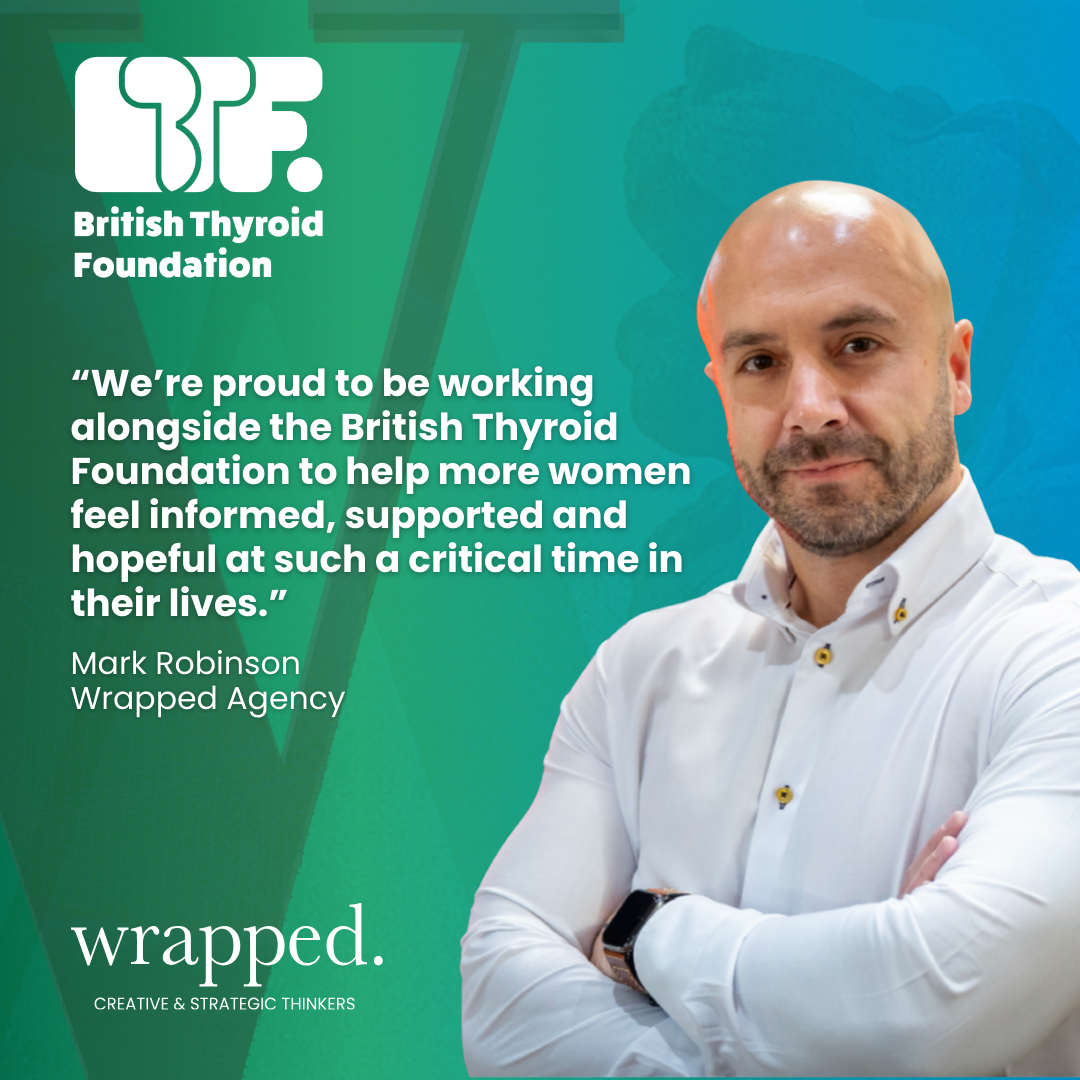
"We’re proud to be working alongside the BTF to help more women feel informed, supported and hopeful at such a critical time in their lives.”

Anna Woollven, Communications and Fundraising Manager at the British Thyroid Foundation, told us: “Every week we hear from women who have experienced difficulties conceiving or during pregnancy because their thyroid condition wasn’t managed as well as it could have been. Many tell us they struggled to find clear, trustworthy information when they needed it most.

“By working with Wrapped, we’re creating resources that reflect real patient needs and make it easier for women to understand what steps to take, while also helping healthcare professionals share consistent, evidence-based guidance. Our goal is simple: to help women access the right care at the right time, feel more in control of their condition, and improve pregnancy outcomes across the UK.”

The campaign will combine patient insight, clinical evidence and lived experience to deliver a joined-up programme of digital and printed resources, supported by targeted awareness activity. It aims to increase understanding of thyroid health in pregnancy, encourage earlier conversations with healthcare professionals and reduce the risk of avoidable complications through better monitoring and management.

https://www.btf-thyroid.org

https://wrappedagency.co.uk

Monday, 16 February 2026

Boots health and beauty bargain box opening


My wife and I have the Boots app on our phones and we received a notification of a bargain flash sale of a beauty box.

We bought one each and these are the contents of the boxes.

You can learn about Boots flash sales and the Boots app at www.boots.com.

Saturday, 14 February 2026

Singles Awareness Day: Celebrating Independence, Self-Worth and Living Life Your Way

While the world is awash with roses, heart-shaped chocolates and candlelit dinners in mid-February, 15th February quietly marks something a little different: Singles Awareness Day.

Far from being a gloomy afterthought to Valentine’s Day, it has grown into a celebration of independence, friendship, resilience and self-love. Whether you are single by choice, circumstance, or simply focusing on other priorities, this day offers a chance to reframe the narrative.

What Is Singles Awareness Day?

Singles Awareness Day (often shortened to SAD — though thankfully in an ironic way!) takes place on 15th February. Originally seen as a tongue-in-cheek response to Valentine’s Day, it has evolved into a positive celebration of:

Personal growth

Independence

Friendship

Self-care

Freedom from social pressure

It’s not about being anti-relationship. It’s about recognising that being single is not a “waiting room” for life.

Why It Matters

Society can sometimes place heavy emphasis on romantic partnership as a marker of success or fulfilment. From films to advertising campaigns, the message can be subtle but persistent: happiness equals coupledom.

But in reality, single life can offer:

Greater flexibility and autonomy

More time to invest in career or creative pursuits

Stronger friendships and community ties

Financial independence

Personal development opportunities

Being single is not a gap in your story — it is part of your story.

Healthy Ways to Celebrate Singles Awareness Day

1. Invest in Yourself

Book that course. Start that fitness goal. Launch that side project. Use the day as a personal reset button.

2. Celebrate Friendship

Gather friends for dinner, a film night or even a pub quiz. Platonic love deserves just as much celebration.

3. Practice Intentional Self-Care

This might mean:

A long countryside walk

A favourite takeaway

Switching off social media for the day

Finally reading that book on your bedside table

4. Reflect on What You Truly Want

Singles Awareness Day can be a useful moment to assess your values. If you do want a relationship, what does a healthy one look like for you? If you are content as you are, what makes that fulfilling?

There is power in clarity.

Reframing the Narrative

Instead of viewing singlehood as “alone”, try reframing it as:

Self-directed

Unrestricted

Independent

Whole

Your value is not defined by your relationship status. Confidence grows when your sense of identity comes from within rather than external validation.

The Business and Cultural Shift

Interestingly, retailers and hospitality venues are increasingly recognising that not everyone is celebrating Valentine’s Day as a couple. Promotions aimed at “treat yourself” experiences, solo travel packages, and friendship-focused events have become more common.

It reflects a broader cultural understanding: modern life is diverse, and so are relationships.

A Final Single Thought

Whether you are happily single, newly single, or somewhere in between, Singles Awareness Day is an invitation to celebrate yourself — not in defiance of romance, but in recognition of your inherent worth.

Love is important. But so is self-respect, independence and joy in your own company.

And those are worth celebrating every day of the year.

International Childhood Cancer Day UK: Awareness, Support and Hope for Families

Every year on 15 February, International Childhood Cancer Day shines a light on one of the most challenging diagnoses a family can face. 

It's a day of awareness, but also one of courage, resilience and collective responsibility.

For readers of That’s Health, this is an opportunity not only to understand childhood cancer more clearly, but to consider how we, as communities across the UK, can offer meaningful support.

Understanding Childhood Cancer

Childhood cancers are different from adult cancers. They are rarely linked to lifestyle factors and often develop without warning. The most common types include:

Leukaemia

Brain and central nervous system tumours

Lymphomas

Neuroblastoma

Wilms’ tumour (a kidney cancer affecting children)

Thanks to advances in medical research and specialist care, survival rates in high-income countries such as the UK have improved significantly over the past few decades. However, treatment can be intensive, lengthy and emotionally draining for both children and their families.

The Reality for Families

A diagnosis does not just affect a child. It affects siblings, parents, grandparents and friendship circles. Many families face:

Long hospital stays

Time off work and financial strain

Emotional trauma and anxiety

Educational disruption

Long-term health effects from treatment

Paediatric oncology teams across the NHS provide extraordinary care, but families often rely heavily on charities for additional emotional, practical and financial support.

UK Charities Offering Support

Several organisations provide invaluable help to families navigating childhood cancer:

Young Lives vs Cancer/CLIC Sargent– Offers specialist social workers and financial guidance. 

https://www.younglivesvscancer.org.uk

Children with Cancer UK – Funds research and supports affected families.

https://www.childrenwithcancer.org.uk

The Brain Tumour Charity – Provides tailored support for children and young people with brain tumours.

https://www.thebraintumourcharity.org

Supporting these organisations, even in small ways, helps extend care beyond hospital walls.

The Importance of Early Awareness

While childhood cancer is rare, knowing potential warning signs can help prompt earlier medical attention. These may include:

Persistent unexplained pain

Unusual lumps or swelling

Ongoing fatigue or pallor

Frequent unexplained bruising

Persistent headaches or vomiting

Sudden vision or balance changes

These symptoms are usually caused by less serious conditions, but persistent concerns should always be checked by a GP.

Life After Treatment

Survival is not always the end of the journey. Many children who complete treatment experience long-term effects, including:

Learning difficulties

Hormonal issues

Heart or organ complications

Emotional and psychological challenges

Long-term follow-up care is essential, and awareness days like this remind policymakers and healthcare providers of the need for sustained investment in survivorship programmes.

How You Can Mark the Day

You do not need to organise a major fundraiser to make a difference. Simple actions include:

Wearing a gold ribbon

Sharing accurate information on social media

Donating to a UK childhood cancer charity

Supporting families in your local community

Encouraging open conversations about serious childhood illness

Small gestures of solidarity matter deeply to families who often feel isolated.

A Message of Hope

Medical research continues to improve outcomes year on year. Scientists are developing more targeted therapies designed to reduce harsh side effects and improve long-term quality of life.

International Childhood Cancer Day reminds us that behind every statistic is a child with dreams, hobbies, favourite foods and a family who simply want them to thrive.

Awareness brings understanding. Understanding builds compassion. And compassion, when turned into action, can help ensure that every child facing cancer receives the best possible chance at a healthy future.

Friday, 13 February 2026

Asbestos still present in 83% of state schools in England, experts warn

Image Courtesy BOHS
Occupational health experts are warning that asbestos exposure in schools continues to put teachers, pupils and staff at risk of fatal disease, after the Government’s latest school estates strategy failed to meaningfully address the hazard.

Asbestos remains present in 83% of state schools in England, with official UK statistics indicating around 15 school workers die each year from asbestos-related disease caused by past exposure. US research also suggests that up to 135 pupils may be fatally exposed each year.

Despite this, the Government’s Schools Rebuilding Programme and Education Estates Strategy make no substantive reference to asbestos, relying instead on the Condition Data Collection (CDC) process, which explicitly states that it “does not report on hazardous materials (principally asbestos).”

The Faculty of Asbestos Assessment and Management (FAAM), the professional body for those managing asbestos risks, and the British Occupational Hygiene Society (BOHS) are concerned that this approach risks leaving schools ill-equipped to manage one of the most widespread and dangerous legacy hazards in the education estate.

National oversight of asbestos in schools has effectively ceased following the discontinuation of the Government’s Asbestos Management Assurance Programme (AMAP). The programme was intended to provide accurate national data on asbestos risks across the school estate, but its removal has left policymakers without a clear picture of the scale or condition of asbestos in schools.

Last year, inspectors from the Health and Safety Executive (HSE) served improvement or enforcement notices to one in every 15 of the 421 schools inspected over asbestos management failures. While the regulator has emphasised this does not necessarily mean staff or pupils were in immediate danger, experts say it highlights the significant pressures on head teachers trying to manage a hidden and technically complex risk.

Under current policy, asbestos is generally considered safer to leave in place than remove. However, under the Schools Rebuilding Programme, the presence of asbestos is only treated as an “exceptional factor” if it has already caused an exposure risk or would pose a direct risk to health unless parts of a school were closed. As a result, relatively few of the 3,000 CLASP schools, widely recognised as posing the highest asbestos risk, are included in rebuilding plans.

Jonathan Grant, Registrar of the Faculty of Asbestos Assessment and Management (FAAM), told That's Health: “Asbestos management requires specialist knowledge, detailed risk assessment and constant vigilance. The loss of national oversight has left schools without the support and consistency they need. Expecting head teachers and school staff to manage this risk alone is unrealistic and unsafe.”

Research by the Government in 2019 showed while three quarters of head teachers had read official asbestos guidance, this dropped to 40% of caretakers and facilities managers, and fewer than one in five governors. 

Fewer than 2% of maintenance workers in schools who may disturb asbestos had appropriate training, while 13% had not even received asbestos awareness training.

Schools are also not required to inform parents or pupils about the presence of asbestos, meaning school communities may be entirely unaware of potential risks.

Kevin Bampton, Chief Executive of BOHS, told That's Health: “Prevention is the future of occupational health, yet asbestos – a known cancer-causing substance – is being systematically ignored in national school policy. This is not about expensive solutions; it is about transparency, competence and putting health protection at the heart of safeguarding.”

FAAM and BOHS are calling for immediate, low-cost and cost-free action to bring schools in line with normal asbestos management principles, including:

publishing asbestos management plans on school websites;

establishing a clear right to know for teachers, parents and pupils;

providing governors with accessible guidance on overseeing asbestos risk;

offering centralised specialist support for head teachers and facilities managers;

making asbestos management a core part of school safeguarding inspections; and

setting enforceable training targets for school workers likely to encounter asbestos. 

https://www.bohs.org

Age Concern Hampshire Announces New Foot Clinics to Boost Confidence and Mobility for Older People

Age Concern Hampshire is set to open new foot care clinics in Kingsclere, Farnborough, Lymington, and Bordon, helping older people stay confident, active, and mobile.

Healthy feet are key to balance and independence, yet many older adults struggle to reach their toes due to arthritis, impaired eyesight, or reduced mobility. 

Age Concern Hampshire’s clinics, run by qualified foot health practitioners, provide toenail cutting and basic foot health checks, helping prevent discomfort, falls, and injuries.

Michele Ralph, Foot Care Coordinator at Age Concern Hampshire, told That's Health: "Our Foot Clinics are about more than just foot care, they help older people feel confident on their feet and maintain their independence. We’re committed to making this vital service accessible to everyone who needs it."

Clinics are available across Hampshire, including Alton, Andover, Basingstoke, Dibden/Hythe, Havant, Hedge End, Locks Heath, New Milton, Odiham, Overton, Petersfield, Ringwood, Tadley, Winchester, and Yateley. The new clinics in Kingsclere, Farnborough, Lymington, and Bordon will open soon.

To book an appointment, call 01962 868545 or visit their website for more information: https://www.ageconcernhampshire.org.uk/our-services-hampshire/footcare

Great News For Readers of That's Health In London! South Kensington Medical & Dental Clinic Launches £30 Dentist Appointment for London Patients

South Kensington Medical & Dental Clinic has announced the introduction of a £30 dentist appointment for patients in London, providing a lower-cost entry point into private dental care alongside clear information on treatment options and pricing.

The appointment is intended to support patients seeking a professional dental assessment, particularly those who may have delayed care due to uncertainty around cost or availability. 

Dental professionals continue to emphasise the importance of early assessment in identifying oral health concerns and supporting preventive care.

The £30 appointment includes a clinical dental assessment and a discussion of symptoms or concerns. Where further investigation or treatment may be appropriate, patients are provided with clear explanations and transparent information regarding possible next steps and associated fees. 

No treatment is carried out without patient consent, and all care decisions are made following clinical assessment.

In addition to the entry-level appointment, the clinic offers an optional Dental Membership Plan priced at £20 per month. Membership provides 50% off dental treatments offered by the clinic, subject to clinical suitability and standard terms. The plan is designed to help patients spread costs and support regular attendance, rather than replacing the need for professional clinical judgement.

South Kensington Medical & Dental Clinic provides a range of dental services, including preventive dentistry, hygiene care, restorative dentistry, cosmetic treatments, orthodontics, and emergency dental care. 

All services are delivered by appropriately qualified dental professionals registered with the General Dental Council (GDC).

The clinic operates seven days a week, including weekends, supporting access for patients who may find weekday appointments difficult to attend. Flexible availability aims to reduce delays in assessment and encourage timely dental consultations.

Located at 20 Old Brompton Road, South Kensington, London, SW7 3DL, the clinic is centrally positioned and accessible from across London. 

The practice reports increasing demand for transparent pricing structures and clearer pathways into private dental care, particularly among patients seeking timely advice without extended waiting periods.

The introduction of a £30 dentist appointment reflects wider changes within UK private healthcare, where providers are responding to patient expectations around clarity, accessibility, and informed decision-making. 

Industry observers note that clearly defined consultation pricing can help patients engage with dental services earlier and make considered choices about their care.

The £30 dentist appointment and optional membership plan are now available to book.

Phone: 020 7183 2362

Email: southken@md.co.uk

Website: https://www.southkenmd.co.uk

Private Dentist Appointment: https://www.southkenmd.co.uk/dental/private-dentist-london

Booking Link: https://www.southkenmd.co.uk/book/dental

Join Their Membership: https://www.southkenmd.co.uk/membership

South Kensington Medical & Dental Clinic is a London-based private healthcare provider offering dental services in line with UK regulatory standards. 

The clinic operates seven days a week and delivers care through qualified professionals registered with relevant regulatory bodies. 

Services are provided following appropriate clinical assessment, patient consent, and transparent communication.

Thursday, 12 February 2026

A lifeline for rural amputees: UK charity STAND opens a major prosthetics centre in The Gambia


UK prosthetics charity STAND has renovated and opened a new rehabilitation centre in The Gambia, West Africa, marking a major step forward in providing prosthetic legs to rural amputees.

STAND supplies refurbished prosthetic legs to The Gambia, donated from across the globe. 

Locating this new centre in the heart of the country gives rural amputees direct access to these precious prosthetic limbs, as well as more responsive follow-up care and more reliable rehabilitation services.

The project has been driven by STAND, working in close partnership with The Gambia’s Ministry of Health, with financial support coming from STAND’s key supporters like The British School of Paris. The collaboration reflects a global commitment to strengthening and improving prosthetic care for amputees.

Before the centre, amputees travelled hundreds of miles to be fitted with a leg, as the main rehabilitation centre is located in the capital. STAND and its partners also funded outreach programmes which visited rural towns by car. While these visits were essential, it clearly was not an efficient or sustainable model.

STAND’s Trustee Lucy Gates, The Gambia’s Director of the Department of Social Welfare Allaye Barra, the Gambian press, STAND’s Gambian staff, and the community attended the opening.

Tom Williams OBE, founder of STAND told That's Health: “This centre brings prosthetic and rehabilitation services within reach of people who have been excluded for too long. Distance should never determine who gets to walk again. 

"When mobility is restored, the barriers that once limited amputees begin to disappear, opening the door to walking, working, and truly thriving.”

Giles Bates, Head of Community and Service at The British School of Paris added: “A prosthetic limb can give a child an education, friends and a future filled with hope. We hope that the BSP's contribution towards STAND's new rehabilitation centre in Bansang in The Gambia will help make this a reality for the local community.”

https://www.stand.ngo

Monday, 9 February 2026

Attomarker initiates Acceleration Round to scale immunology diagnostics

Attomarker, a UK-based diagnostics company, has commenced an Acceleration Round to support the next phase of commercial and clinical development of its immunology diagnostics platform.

Attomarker develops multiplex immune diagnostics that deliver clinically relevant immune profiling from a single, small blood sample within a matter of minutes. 

Its tests are specially designed for use in real clinical settings and are already being used by clinicians.

The company’s current focus is immune profiling in patients with Long Covid, estimated to affect more than 65 million people worldwide. 

Attomarker’s COVID Antibody Spectrum Test enables immune classification of patients into one of three distinct endotypes, supporting treatment decision-making and monitoring of disease recovery. Two additional Long Covid companion tests are also in development.

Attomarker recently signed a strategic co-development agreement with EpitogenX to combine next-generation antigen technology with Attomarker’s diagnostics platform, with the aim of extending immune profiling into other immune-mediated conditions that are currently underserved by diagnostic options. Initial target areas include Lyme disease and Hashimoto’s disease.

The company holds a strong intellectual property position, with eight granted patents and a further patent pending, covering its core diagnostics technology and system architecture.

Attomarker’s diagnostics currently operate on a CE-marked benchtop device that is approved and in clinical use. A handheld device is also in development as an additional deployment option.

The Acceleration Round is intended to support commercial rollout, regulatory progress, further clinical validation, and expansion of Attomarker’s immune profiling portfolio within Long Covid.

Retail investor participation is being conducted through Crowdcube, which is authorised and regulated by the Financial Conduct Authority. All eligibility checks, approvals, and investment activity take place on the Crowdcube platform.

https://www.crowdcube.com/early-access/attomarker

Information for non-retail investors is available via a separate information page.

https://attomarker.com/investors

Affordable Care Centres Offer Vital Break for Family Carers Across Hampshire

Age Concern Hampshire is dedicated to keeping day care affordable, ensuring older people and their families can continue to access vital support at a time when many family carers are under great pressure.

With half-day care available from £38.25, the charity’s Care & Wellbeing Centres provide a flexible and accessible option for family carers who are struggling to balance caring responsibilities with work, employment, and other family commitments, helping them to look after their own wellbeing, find time to rest, and stay supported while caring for their loved ones.

Operating from centres in Locks Heath, New Milton, Yateley and Dibden, Age Concern Hampshire offers a safe, welcoming environment where older people can enjoy companionship, stimulating activities and professional care. 

For family carers, this support provides trusted respite and peace of mind, even for just a few hours.

Sessions include engaging social and therapeutic activities, optional nutritious meals and refreshments, and personalised support from trained and experienced staff, including assistance with personal care and medication where required. Transport can be arranged for those who need help getting to and from the centres.

Hannah Park, Head of Operations at Age Concern Hampshire, told That's Health: “Family carers are often under immense strain, juggling caring responsibilities with work and other family commitments, often while facing financial pressure. 

"We are dedicated to ensuring our services remain affordable so family carers can access support before they reach crisis point. 

"Our half-day care sessions, from £38.25, help families get high-quality care without the cost of full-day or residential alternatives.”

Age Concern Hampshire recognises the vital role family carers play in supporting older people and believes affordable, preventative support is key to sustaining both carers and those they care for.

Free taster days are available at all Care & Wellbeing Centres, allowing families to experience the service before making any commitment. Call 01962 868545 or visit their website to find out more: https://www.ageconcernhampshire.org.uk/care-and-wellbeing-services-hampshire.

BWY and Parkinson’s UK partner to bring accessible yoga to people with Parkinson’s

The British Wheel of Yoga (BWY), the UK’s largest yoga charity and National Governing Body for yoga in England and Wales, has partnered with Parkinson’s UK to make yoga more accessible for people living with Parkinson’s, their families and carers.

On Friday 10 April, to mark World Parkinson’s Day (11 April), the organisations will host a free 45-minute online chair yoga class designed specifically for people with Parkinson’s, those who support them, and yoga teachers keen to adapt their classes for this community.

Led by Special Yoga Teacher and BWY Tutor Richard Kravetz, the session will share safe, practical movements and breathing techniques that can be done seated, with or without additional support.

Recent figures from Parkinson’s UK estimate that around 166,000 people in the UK are currently living with a Parkinson’s diagnosis, with figures expected to rise due to an ageing population. Parkinson’s is a progressive neurological condition that affects movement, causing symptoms such as tremor, stiffness and slowness.

A recent study of the effects of yoga on people with Parkinson’s disease found that yoga improved motor function, balance, functional mobility, anxiety, depression and quality of life in people with Parkinson’s.

BWY Chair, Diana O’Reilly told That's Heealth: "Yoga can be hugely beneficial for people with Parkinson’s. 

"Gentle chair-based practices can be adapted for almost everyone, which means people can participate safely whether they are newly diagnosed or have been living with Parkinson’s for many years. 

"Through this partnership, we want to give more teachers the tools they need to welcome people with Parkinson’s into their classes and to make sure no one feels that yoga ‘isn’t for them’.’

Jed Parsons, Physical Activity Delivery Manager for Parkinsons UK, commented: "I’m really excited about our partnership with the British Wheel of Yoga because it has the potential to make a genuine, lasting difference for people living with Parkinson’s. Yoga can be a powerful way to support strength, balance, mobility and wellbeing, but too often people feel that classes aren’t accessible or suitable for them.

"By working together, we can give yoga teachers the confidence, skills and understanding to adapt their practice, create welcoming environments and ensure that people with Parkinson’s feel included from the very first session. 

This partnership is about removing barriers, challenging perceptions, and making it clear that yoga is for everyone, whether someone is newly diagnosed or has been living with Parkinson’s for many years.’

For full event details and to book your place, visit the event page: https://portal.bwy.org.uk/user/events/1122. Please note, you will need to create a free account on the BWY website or log in to your existing account to complete your booking.

BWY is committed to sharing yoga’s transformative power and rich heritage through events and education. Guided by yoga’s principles and traditions, BWY’s mission is to enrich lives through yoga, increasing accessibility and inclusivity. 

Established as a registered charity in 1965 and recognised as the National Governing Body for Yoga by Sport England and Sport Wales, BWY serves more than 5,000 members and is supported by a 100-strong local volunteer network and a small central team.

https://www.bwy.org.uk

Parkinson’s UK is the leading charity for people affected by Parkinson’s, here to support every Parkinson’s journey, every step of the way. The charity campaigns for better health and care, funds groundbreaking research into new treatments and runs life-changing support services, uniting a powerful community with one mission: improving life with Parkinson’s. 

Physical activity is a key part of this, helping people manage symptoms, stay mobile, build confidence and support their mental wellbeing. Parkinson’s UK works to make sure people with Parkinson’s have safe, inclusive and meaningful opportunities to move, stay active and remain independent for as long as possible.

https://www.parkinsons.org.uk

Saturday, 7 February 2026

International pharmacy body, national associations win backing from governments to develop new African College of Pharmacists


The Commonwealth Pharmacists Association (CPA) and the National Pharmacy Associations (NPA) of six African countries celebrated last Thursday evening after Ministers attending the 76th Health Ministers Conference of the East, Central and Southern African Health Community (ECSA-HC) formally adopted a resolution that promises to pave the way for the creation of an ECSA-HC College of Pharmacists.

Representatives of CPA and the NPAs of Tanzania, Uganda, Zimbabwe, Malawi, Kenya and host country Eswatini – all members of the CPA – presented a proposal to Health Ministers from the nine ECSA-HC member states who gathered in Eswatini, seeking their backing to draw up a detailed proposal for the formation of a postgraduate training centre for pharmacists working in the region. Ministers subsequently adopted a resolution which includes authorisation for ECSA-HC’s Secretariat to work with CPA and other key stakeholders on the development of a comprehensive proposal for how the College could be formed and supported.

The creation of such a College would represent a significant advance in workforce training in the nine ECSA countries. Although similar colleges already exist to serve the postgraduate training needs of nurses and surgeons among others, no such provision exists for pharmacists, who across Africa play a unique and vital role in healthcare systems as the first point of contact for many patients – particularly those on low incomes or in hard to reach communities.

It would also bring the ECSA-HC region into alignment with its neighbours. Across West Africa, nearly 600 professionals have benefited from advanced training by the WAHO West African Postgraduate College of Pharmacists since its creation in 1997. WAHO has also been able to use its College to support the development of new schools of pharmacy for undergraduates in countries like Sierra Leone, strengthening workforces and creating skilled employment opportunities for young health professionals.

If successfully established, the ECSA-HC College of Pharmacists would provide work-based advanced training opportunities to train pharmacists in advanced skills. Initially, the College will focus on training pharmacists in advanced leadership and practice skills needed to champion effective antimicrobial stewardship (AMS) – measures that can be taken to tackle antibiotic resistance, a health crisis that threatens to take millions of lives across Africa by 2050 without urgent intervention. International collaboration between ECSA-HC member states will be an essential ingredient of the College’s working model, taking advantage of each country’s strengths and being mindful of each nation’s challenges.

The initial offering will draw upon CPA’s expertise as a globally recognised training provider for pharmacists that has also led multiple high impact AMS training programmes across eight African countries since 2019, training almost 30,000 healthcare workers on the ground and providing digital resources for over 100,000 users with the backing of the UK’s Fleming Fund. Tackling antibiotic resistance is an area where pharmacist leadership – as clinicians who are experts in the safe, effective and sustainable use of medicines – has been shown to be critical.

Similar Fellowship offerings by CPA as part of these programmes have already had a significant impact. At one hospital in Kenya, a CPA pharmacy leadership trainee increased adherence to antibiotic best practice in pre-surgical treatment from just 20% of patients to almost 90%. In Uganda, CPA interventions saw over 80% of patients benefit from targeted therapy, helping cut order times for certain life saving emergency antibiotics from every two weeks to every two months. CPA hopes that an ESCA-HC College of Pharmacists will be able to drive similar pharmacist-led improvements across the region in a sustainable and cost-effective way.

After the resolution was formally adopted by Ministers, CPA and its national partners gathered in Ezulwini for a ceremonial counter-signing of the ministerial resolution, affirming their commitment to carrying through the project and working in partnership to make the College a reality.

Beth Ward, CPA’s Strategic lead for Workforce Capability Building, told That's Health: “We are thrilled and grateful that ECSA Health Ministers have recognised the impact that a College of Pharmacists would have on the region. Pharmacists have an absolutely critical role to play in tackling public health threats like antibiotic resistance and in managing many of the non-communicable diseases that increasingly challenge ECSA communities, but have limited access to the kind of advanced training opportunities available to doctors and nurses despite being on the frontline of patient care. The College would bring training opportunities in leadership, advanced skills and clinical expertise in line with other professions, driving improvement across health systems and strengthening the safe, effective, and sustainable use of life-saving medicines.”

Gift Chakera, President of the Pharmaceutical Society of Zimbabwe, said: “The 76th ECSA-HC Health Ministers Conference represents a huge milestone moment for our profession. CPA’s successful advocacy efforts to secure endorsement for the establishment of a Regional College of Pharmacists will harmonise training and recognition across ESCA countries, ensuring consistent competencies for AMR management, and will facilitate cross-border collaboration in surveillance and regulation. We congratulate CPA on their advocacy efforts and offer our sincere gratitude to the ECSA-HC Health Ministers and all supporting partners.”

William Mpute, President of the Pharmaceutical Society of Malawi, said: “A specialised pharmacy workforce will play an integral role in delivering optimal pharmaceutical care to Malawians and contribute to the efforts of the Malawi government in achieving Universal Health Coverage. An ESCA-HC School of Pharmacists offers an effective means to address the current and future needs in the pharmaceutical sector and the health sector at large.”

With Ministerial backing for the idea secured, the next step for the proposal’s champions is to develop a concrete framework for the College’s structure, educational offering and funding mechanisms, working in partnership with the ECSA-HC Secretariat to do so.

https://commonwealthpharmacy.org

Cochlear Implant Pioneers and MED‑EL Founders Ingeborg and Erwin Hochmair Honoured with 2026 Queen Elizabeth Prize for Engineering

MED‑EL celebrates a historic milestone: its founders, Ingeborg and Erwin Hochmair, have been named, together with other outstanding personalities, as Laureates of the 2026 Queen Elizabeth Prize for Engineering—one of the world’s most prestigious honours for life‑changing technological innovation.

The 2026 Queen Elizabeth Prize for Engineering recognises the design and development of modern neural interfaces—technologies that restore lost human functions—and the visionary engineers behind them.

Ingeborg and Erwin Hochmair are honoured alongside Graeme Clark and Blake Wilson for their groundbreaking contributions to cochlear implants, a technology that converts sound into electrical signals to directly stimulate the auditory nerve, restoring hearing to hundreds of thousands of people worldwide over the past four decades.

Pioneering Cochlear Implants That Changed Hearing Care Forever

Beginning in 1975 at the Technical University of Vienna, Austria, Ingeborg and Erwin Hochmair launched pioneering cochlear implant research that led to the world’s first microelectronic cochlear implant in 1977, marking a turning point in hearing technology.

Their work drove critical advances in signal processing, implant miniaturisation, and long‑term biocompatibility, laying the foundation for today’s advanced cochlear implants.

By uniting rigorous engineering with deep clinical insight, the Hochmairs not only transformed hearing care but also paved the way for the founding of MED‑EL. Their vision continues to shape the company’s mission to deliver lifelong hearing solutions for people of all ages.

With recent advancements such as TICI (Totally Implantable Cochlear Implant), MED‑EL continues to advance neural interface engineering, delivering even more personalised and lifelike hearing experiences.

Engineering Guided by Compassion and Scientific Integrity

“This honour recognises not only a technological achievement, but a belief we have held from the very beginning—that engineering, guided by compassion and scientific integrity, can fundamentally change lives,” Ingeborg Hochmair, Co‑founder and CEO of MED‑EL told That's Health.

“Cochlear implants were once considered impossible by many. Today, they demonstrate what can be achieved when engineers, clinicians, and users work together with a shared purpose.”

Erwin Hochmair, Co‑founder of MED‑EL, adds: “From the earliest experiments, our goal was to create a neural interface that could work in harmony with the human auditory system over a lifetime. This recognition by the Queen Elizabeth Prize for Engineering affirms the importance of long‑term thinking, scientific persistence, and engineering solutions that truly serve people.”

Together with Ingeborg and Erwin Hochmair, the 2026 Queen Elizabeth Prize for Engineering (QEPrize) has been awarded to Graeme Clark, Blake Wilson, John Donoghue, Alim Louis Benabid, Pierre Pollak, Jocelyne Bloch, and Grégoire Courtine for the design and development of modern neural interfaces that restore human function.

The Laureates will share the £500,000 prize and collectively represent a new era in neuroengineering and neuroprosthetics, alongside parallel breakthroughs in brain‑computer interfaces, deep brain stimulation, and electronic spinal stimulation. Together, these innovations demonstrate the extraordinary potential of engineering to restore lost functions, independence, and dignity.

On Tuesday, 3 February, the 2026 Laureates were formally announced by Lord Vallance, Chair of the Queen Elizabeth Prize for Engineering Foundation, at the Science Museum in London.

Shaping the Future of Hearing Technology

For MED‑EL, this award is also a tribute to all hearing implant users worldwide whose experiences continue to inspire innovation, as well as the global community of engineers, researchers, clinicians, and partners advancing hearing technology.

“This recognition strengthens our resolve to keep pushing boundaries,” Ingeborg Hochmair states. “Our mission has always been to overcome hearing loss as a barrier to communication and quality of life. At MED‑EL, we will continue to invest in research, accessibility, and technologies that help people participate fully in life, wherever they are.”

Awarded annually, the Queen Elizabeth Prize for Engineering (QEPrize) champions bold, groundbreaking engineering innovation of global benefit to humanity. The prize celebrates engineering visionaries, inspiring young minds to consider engineering as a career and helping to solve the challenges of the future.

The Queen Elizabeth Prize for Engineering is open to:

Up to ten living individuals

Of any nationality

Who are personally responsible for a groundbreaking innovation in engineering of global benefit to humanity

Self‑nomination is not permitted.

The judges use the following criteria to select the winner or winners:

What groundbreaking innovation in engineering has been achieved?

In what way has this innovation been of global benefit to humanity?

Are there other individuals who may have played a pivotal role in this development?

To find out more about this year’s winning innovation, visit: www.qeprize.org/winners

MED‑EL Medical Electronics, a leader in implantable hearing solutions, is driven by a mission to overcome hearing loss as a barrier to communication and quality of life. The Austrian‑based, privately owned company was co‑founded by industry pioneers Ingeborg and Erwin Hochmair, whose groundbreaking research led to the development of the world’s first micro‑electronic multi‑channel cochlear implant, successfully implanted in 1977 and forming the basis of the modern cochlear implant.

This innovation laid the foundation for the company’s growth in 1990, when MED‑EL hired its first employees. Today, MED‑EL employs more than 3,100 people from around 90 nations across 30 locations worldwide.

MED‑EL offers the widest range of implantable and non‑implantable solutions to treat all types of hearing loss, enabling people in 140 countries to experience the gift of hearing. Its portfolio includes cochlear and middle ear implant systems, combined electric acoustic stimulation hearing implant systems, auditory brainstem implants, and surgical and non‑surgical bone conduction devices.

Website: www.medel.com/en-gb/

“My handstand challenge for best mate whose life was turned upside down.”

When illness turned Ellis Healy’s life upside down, his best mate Harry turned upside down too - by committing to doing a handstand every day in 2026 to raise money for charity.

Harry Clesham, who lives in southwest London, has already raised over £2,000 for The Brain Tumour Charity via social media and his fundraising page – and his technique has improved to the stage where he can walk a few steps on his hands too.

He posts daily videos of his activities on Instagram, and carries out his feats in locations as varied as pubs, pavements, gyms, holiday hotspots and hotel rooms.

Harry and Ellis first met when they were students at university in Leicester in 2011. They lived in the same halls of residence, hung out together during Freshers’ Week and both joined the rugby team.

Ellis, 33, who had intended to become a butcher like his dad, then worked in London for a year, as did Harry. They sat their finals in Leicester and then both moved back to London to work at tech companies. Harry was also a groomsman and the Master of Ceremonies when Ellis married his wife Hannah in 2024.

But Ellis has had health struggles since he was diagnosed with Crohn’s disease when he was 11. Treatment included immunosuppressant medication which stopped working when he was 27.

While waiting to have scheduled keyhole surgery, he was rushed to hospital with a blockage in his intestine. This was found to be tumour, and to his shock, he was diagnosed with non-Hodgkin lymphoma. Fortunately, it had been caught early and he was treated with six rounds of R-CHOP chemotherapy – a combination of four drugs and a steroid.

That's where his good fortune ended. A PET scan to check he had the all-clear found no uptake of the contrast dye on the right side of his brain. A follow up scan identified a brain tumour.

Ellis told That's Health: “I was due to have keyhole surgery to treat my Crohn’s but ended up having four lots of surgery and two bouts of sepsis which triggered a cardiac arrest.

“I was discharged with a wearable defibrillator vest and was one of the first patients in the UK to use one. I had to wear it for 24 hours a day, including at work and at the gym which was awkward.”

Once his infection had gone, brain tumour treatment was due to start. But first he needed to have a permanent defibrillator implanted. Then, last March, Ellis had three seizures back-to-back.

Ellis continued: “I had my first seizure while I was asleep. It woke my wife who called an ambulance which arrived within 10 minutes. They gave me a sedative which stopped the seizure, but I had another one a short while later and another one in the ambulance.”

Six months after the seizures and the ICD Implant, Ellis had an awake craniotomy to remove a grade 2 to 3 astrocytoma, from which he’s now recuperating.

Throughout everything, Harry has supported Ellis as best he can – taking the mickey out of his fashion sense when he was wearing the defibrillator vest, and when he was well enough, going camping on the Dorset coast. That’s when the idea to raise awareness and funds came about.

Harry said: “Ellis has been an exceptional friend and we’ve been close pals ever since we met. His strength, humour and resilience throughout have been nothing short of inspiring - I truly haven’t met anyone like him. He’s one of a kind.

“The challenge was born after Ellis and I spent two days walking together along the Jurassic Coast. We talked about what he was going through, how he was feeling and what I could do to support him in a meaningful way. During those conversations, Ellis said that if I were to raise money for a cause, he would want it to be for The Brain Tumour Charity.”

Ellis added: “I mentioned The Brain Tumour Charity because their website and leaflets provide all the information you need to know - not just about living with the illness but also how to prepare for what’s next and how to overcome some of the challenges you’re going to face.

“It's just a really good single point of reference so I’ve used it a lot and it’s been very helpful for my family to understand it as well, in their own time.”

You can support Harry’s fundraising efforts here: https://www.justgiving.com/page/officialhandstandharry – and watch his daily handstand videos on Instagram @officialhandstandharry.

Harry said: “The rule is simple: no matter what the day brings, there is always time to show up for this cause. This challenge is about more than handstands. It is about standing alongside a friend as he recovers from brain tumour surgery, raising awareness of the impact brain tumours have on individuals and their families, and supporting the research, care and services provided by The Brain Tumour Charity. 

"I will keep going, one day, one handstand and one donation at a time, for Ellis and for everyone affected by brain tumours.”

Friday, 6 February 2026

Red Light Therapy for Nasal Passages: Does It Work?

Red light therapy (also called photobiomodulation) uses specific wavelengths of red or near-infrared light to influence cellular activity. 

It’s often promoted for skin health and pain relief, but can it help blocked or irritated nasal passages?

The ideas behind it

Supporters claim that red light may:

reduce inflammation in the nasal lining

improve local circulation

ease congestion and sinus pressure

help allergy-related nasal symptoms

Some devices are used externally around the nose, while others place a small light just inside the nostrils.

What does the evidence say?

The science is limited and mixed. A few small studies suggest possible symptom relief—particularly for allergic rhinitis, but results aren’t consistent, and study sizes are small. 

There’s no strong evidence that red light therapy can treat sinus infections or structural issues.

In short: it’s not a miracle cure, but some people do report mild improvement in comfort and airflow.

What it may help with

Mild nasal inflammation

Hay fever or allergy-related congestion

Post-cold irritation

What it’s unlikely to fix

Sinus infections with fever or facial pain

Deviated septum or nasal polyps

Severe or chronic sinusitis

Is it safe?

Generally low-risk when used correctly, but intranasal devices can cause irritation or dryness. Hygiene is important, and anyone prone to nosebleeds should be cautious.

The bottom line

Red light therapy may offer modest relief for some people with mild nasal inflammation, but it shouldn’t replace proven treatments like saline sprays, steroid nasal sprays, or medical advice. Think of it as a supportive option, not a primary solution.

If symptoms are persistent, one-sided, or worsening, it’s best to speak to a GP.

I use a red light therapy device which I have owned for several years and I have noticed improvements in my nasal passages after use.

They are available from Amazon at around £30 https://amzn.to/4rAl00m

Thursday, 5 February 2026

Gastroparesis Awareness: A Hidden Digestive Condition

Gastroparesis is a long-term digestive condition that is still widely misunderstood, yet it can have a major impact on physical health, mental wellbeing, and day-to-day life.

Raising awareness helps people recognise symptoms earlier, seek appropriate support, and feel less alone.

What Is Gastroparesis?

Gastroparesis means delayed stomach emptying. Food moves from the stomach to the small intestine more slowly than normal, even though there is no physical blockage. 

The condition is usually linked to damage or dysfunction of the nerves and muscles that control digestion, particularly the vagus nerve.

Symptoms to Be Aware Of

Symptoms can vary in severity and may come and go, which often makes diagnosis difficult. Common symptoms include:

Ongoing nausea or vomiting

Feeling full after only a few mouthfuls

Bloating and abdominal discomfort

Acid reflux or heartburn

Unintentional weight loss

Poor blood sugar control (especially in people with diabetes)

Because these symptoms overlap with other gastrointestinal conditions, people can wait years for a clear diagnosis.

Causes and Risk Factors

In the UK, gastroparesis is most often associated with:

Diabetes (Type 1 and Type 2)

Nerve damage following surgery

Certain viral infections

Side effects of some medications

Idiopathic gastroparesis, where no clear cause is found

Managing Life With Gastroparesis

There is currently no cure, but symptoms can often be managed with medical guidance and lifestyle adjustments. Common approaches include:

Eating small, frequent meals

Reducing high-fat and high-fibre foods

Choosing soft or blended meals

Medication to improve stomach motility or reduce nausea

Nutritional support where needed

Living with gastroparesis can be physically draining and emotionally challenging. Anxiety, frustration, and low mood are common — making holistic healthcare essential.

Why Gastroparesis Awareness Matters

Greater awareness can lead to:

Faster diagnosis and treatment

Better understanding from employers and loved ones

Improved access to specialist care

Reduced stigma around invisible chronic illness

Being listened to and believed is often one of the biggest hurdles for people with gastroparesis.

UK Support and Help

If you’re affected by gastroparesis, these UK-based organisations offer reliable information and support:

NHS https://www.nhs.uk

Your GP is the first step for referrals, investigations, and access to gastroenterology services.

Guts UK https://gutscharity.org.uk

Provides clear, patient-friendly resources on gastroparesis and other digestive conditions. Previously known as the Digestive Disorders Foundation

Offers educational materials and awareness campaigns focused on digestive health.

PINNT https://pinnt.com/Home.aspx

Supports people who need enteral or parenteral nutrition, including those with severe gastroparesis.

If symptoms are affecting your quality of life, speak to your GP and ask about further investigation or specialist referral.

Gastric electric pacemakers are also a treatment option 

https://www.nuffieldhealth.com/treatments/gastric-electrical-stimulation-for-gastroparesis

That’s Health Takeaway

Gastroparesis is often invisible, but its impact is very real. Awareness, education, and access to the right UK support services can make a meaningful difference — not just medically, but emotionally too.

Incidentally, El Dyson, a friend of this blog who introduced us to the existence of Gastroparesis has a GoFundMe campaign to raise money to have a gastric pacemaker fitted. 

You can visit her appeal fund here: https://gofund.me/b6f40683

Wednesday, 4 February 2026

National Toothache Day: Why Dental Pain Should Never Be Ignored

National Toothache Day is a timely reminder that tooth pain isn’t just an inconvenience — it’s your body waving a red flag. 

Whether it’s a dull throb, a sharp jolt when you sip something cold, or an ache that keeps you awake at night, toothache usually means something needs attention.

What actually causes toothache?

Toothache can stem from a range of issues, including:

Tooth decay or cavities

Gum disease or infection

Cracked or broken teeth

Worn enamel causing sensitivity

Impacted wisdom teeth

Sinus problems that mimic dental pain

Ignoring it rarely makes it go away. In fact, it often gets worse.

The knock-on effects of dental pain

Ongoing toothache can affect far more than your mouth. Many people report:

Poor sleep and fatigue

Difficulty eating properly

Headaches and jaw pain

Reduced concentration and mood

Left untreated, infections in the mouth can spread, leading to more serious health complications.

What you can do right now

If you’re experiencing toothache:

Rinse gently with warm salt water

Avoid very hot, cold, or sugary foods

Use a toothpaste for sensitive teeth

Take appropriate pain relief if needed (as directed)

These steps may help ease discomfort — but they’re not a cure.

When to seek help

If pain lasts more than a day or two, is severe, or comes with swelling, fever, or a bad taste in the mouth, it’s time to seek professional advice. In the UK, your dentist should always be your first port of call, and urgent issues can be assessed via the NHS if needed.

Prevention really is better than cure

National Toothache Day is also a nudge to prioritise prevention:

Brush twice daily with fluoride toothpaste

Clean between teeth every day

Attend regular dental check-ups

Don’t put off minor problems

A healthy mouth supports overall health — and saves a lot of pain down the line.

Today’s takeaway: toothache is never “just one of those things”. Listen to it, act early, and give your smile the care it deserves.

PPRX strengthens access to Mounjaro and Wegovy as demand surges

PPRX, a fully registered UK pharmacy, has confirmed expanded national access to prescription weight-loss injections Mounjaro and Wegovy, responding to unprecedented demand from patients seeking clinically supported weight management outside the NHS.

As NHS access to GLP-1 weight-loss treatments remains limited due to strict eligibility criteria and long waiting lists, increasing numbers of patients are turning to regulated private pharmacies for faster, medically supervised care. 

PPRX offers a fully compliant alternative, providing access to Mounjaro (tirzepatide) and Wegovy (semaglutide) through a secure online consultation process, with next-day delivery across the UK and Northern Ireland.

Mounjaro and Wegovy are prescription-only injectable treatments that work by regulating appetite and improving metabolic control. Clinical studies show both treatments are effective for long-term weight management when prescribed and monitored appropriately.

PPRX operates as a legitimate UK pharmacy and is registered with the General Pharmaceutical Council (GPhC). Patients and partners can independently verify the pharmacy’s registration on the official GPhC register:

https://www.pharmacyregulation.org/registers/pharmacy/9012740

“Our priority is patient safety, transparency, and proper medical oversight,” a spokesperson for PPRX told That's Health.

“We're seeing strong demand from patients who are informed, motivated, and seeking responsible access to treatment. Every prescription is issued following a clinical assessment by a UK-registered prescriber, with ongoing pharmacist support.”

Through its digital consultation pathway, PPRX enables patients to access treatment without needing a GP appointment, yet still maintaining full regulatory compliance. 

Each order includes a genuine manufacturer pen, needles, swabs, sharps disposal, pharmacist guidance, and temperature-controlled next-day delivery.

PPRX provides detailed educational resources to ensure patients understand their treatment, including safety information, dosing guidance, and injection support.

Mounjaro information:

https://www.pprx.co.uk/mounjaro

Mounjaro product page:

https://www.pprx.co.uk/product/mounjaro/

Mounjaro prices:

https://www.pprx.co.uk/mounjaro-prices

Wegovy information:

https://www.pprx.co.uk/wegovy

Wegovy product page:

https://www.pprx.co.uk/product/wegovy/

Wegovy prices:

https://www.pprx.co.uk/wegovy-prices

The pharmacy delivers nationwide, including major cities such as London, Manchester, Birmingham, Leeds, Liverpool, Bristol, Cardiff, Edinburgh, Glasgow, Belfast, and surrounding regions across England, Scotland, Wales, and Northern Ireland.

Industry analysts note that private pharmacies are increasingly filling a gap created by rising obesity rates and constrained NHS capacity. 

Regulated providers like PPRX play a key role by offering controlled access, patient education, and pharmacovigilance within a compliant framework.

PPRX has confirmed continued investment in pharmacist-led support, supply-chain resilience, and patient education as part of its 2026 expansion strategy.

For more information, visit: https://www.pprx.co.uk