Saturday, 15 October 2022

The Alexander Technique

The Alexander Technique is an educational method for changing long-standing habits of tension.

Practised for in excess of 125 years, the Alexander Technique is a complementary healthcare method effective for back pain, neck pain and Parkinson’s disease.  


The Alexander Technique is an educational method for changing long-standing habits of tension. Research suggests it results in improved movement, balance and overall wellbeing, and findings from three randomised controlled trials show long-term benefits for people with back pain, neck pain and those living with Parkinson’s disease.

Through the Alexander Technique, people learn to recognise and change harmful postural habits. Sessions include simple activities such as standing and sitting lying down or walking and more complex activities such as learning a musical instrument or sports.

But how does it work? 

A scientific model of the Alexander Technique - published in the peer-reviewed journal Kinesiology Review - proposes that changes to postural tone and body schema underlie many of the reported benefits of the Alexander Technique. This model has been animated by science animation experts SciAni, and can be viewed here:- 

The FM Alexander Trust, which commissioned the video animation, raises public awareness and understanding of the Alexander Technique. 

"This short animation introduces some of the latest scientific research into the Alexander Technique in a clear way, and is a valuable resource for professionals working in healthcare, education and for the general public," said Kamal Thapen, Chair of the FM Alexander Trust.

The FM Alexander Trust also hosts a large library of other videos concerning the Alexander Technique which can be accessed online for no cost. These videos give a unique insight into the history and practice of the Alexander Technique.

The animated video is based on the following research paper: ‘Potential Mechanisms of the Alexander Technique: Toward a Comprehensive Neurophysiological Model’ by Timothy W. Cacciatore, Patrick M. Johnson, and Rajal G. Cohen, published in Kinesiology Review 9 (2020). https://doi.org/10.1123/kr.2020-0026.

The website for the FM Alexander Trust is https://alexandertrust.org.uk.

Tuesday, 4 October 2022

Terebellum, Ireland and UK-based Life Sciences Solutions Provider, Announces Appointments Following Expansion

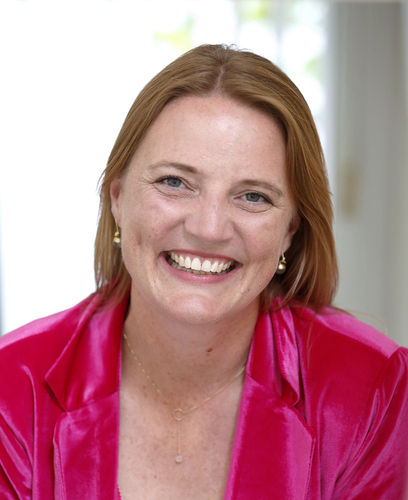
Floortje van Nooten PhD
Terebellum, a subsidiary of AscellaHealth, which is a global specialty pharmacy and healthcare solutions organisation, has announced the appointment of two executive positions to drive its growth in the UK and EU.

A Vice President of Market Access & Commercialisation and a dedicated Regional Director join Ireland and UK-based Terebellum as it expands and grows its international footprint to offer life sciences expertise throughout Europe.

Craig Caceci, Executive Vice President and Managing Director of Terebellum, said: “Accelerated growth has prompted the need to attract additional business development and market access talent to expand our international footprint, as well as build upon our strategic market access, distribution and supply chain experience and expertise gained over the past ten years.”

Newly appointed Vice President of Market Access & Commercialisation, Floortje van Nooten PhD, brings with her almost 20 years of experience in the biopharmaceutical industry. Floortje will lead Terebellum’s expansion into the UK and EU, collaborating with marketing leadership on value proposition and messaging strategy, while providing guidance and support on consultative sales strategies and the development of client solutions.

Prior to joining the business Floortje delivered market access value strategies and led the development of reimbursement and pricing strategies across Europe and in the US, as Head of Global Market Access at ProQR.

Floortje also led worldwide market access and pricing strategies and negotiations at Biocryst and Dompé, from product pre-launch through to post-launch, and led global market access and health economics and outcomes research strategies for Astellas.

Victoria Daet MBA

Victoria Daet MBA also joins Terebellum, with a breadth of business development and sales experience across many countries including the UK, Singapore, Thailand and Japan.

As Regional Director, Victoria will identify opportunities within public and private healthcare organisations and develop commercialisation and go-to-market strategies for rare/orphan disease and gene/cell therapy pharmaceutical manufacturers in the EU and UK.

Prior to her appointment, Victoria was the product marketing lead for Singapore-based firm OMG Network, a fintech ICO unicorn, handling product and feature launches and the identification of leads to push into the business development pipeline.

In Japan, Victoria held both business development and executive marketing leadership roles driving sales and growth strategies for Slush, a world leading big-tech conference.

Along with the entire Terebellum leadership team, Floortje and Victoria will apply their broad industry expertise to provide strategic innovation and consultative market access support to pharmaceutical manufacturers and healthcare organisations.

Craig Caceci adds, “Our commitment to providing innovative solutions to life sciences companies which serve to improve medication access, reduce costs, and enhance clinical outcomes for patients with complex chronic conditions and rare diseases remains consistent.

“The market-leading experience and expertise Floortje and Victoria bring to Terebellum will drive innovation and growth in the programmes, consultation and market access support provided to our partners across the UK and Europe.”

Terebellum’s services include pre-commercialisation and market access support, distribution and fulfilment, supply chain logistics, pharmaceutical financial solutions, and custom clinical and pull-through programmes.

Visit www.terebellumltd.com

Visit www.AscellaHealth.com


Wednesday, 28 September 2022

That's Christmas: OCLEAN toothbrush for your Christmas gifting

That's Christmas: OCLEAN toothbrush for your Christmas gifting: Introducing the OCLEAN Flow: an affordable, accessible, effective and aesthetically pleasing new electric toothbrush. A new entry-level rang...

Saturday, 24 September 2022

National Eye Health Week report finds nation’s EYE Q is missing the mark & putting millions at risk of avoidable sight loss

Many of us lack even the most basic ‘know-how’ when it comes to looking after our vision and eye health

One in three of us will probably suffer from degree of sight loss in our lifetime, yet half of this could be avoided.

Routine eye tests, to ensure early detection and treatment of eye conditions, and adopting a healthy lifestyles are key to preventing unnecessary sight loss; however, the findings of a new report reveal many of us lack even the most basic ‘know-how’ when it comes to looking after our vision and eye health.

The Eye Q report, commissioned by Eye Health UK and the Thomas Pocklington Trust to mark National Eye Health Week (19–25 September), found just one in four of us rate routine eye tests as important for maintaining good eye health. 

Concerningly, the report also discovered that over 17.5million of us haven’t had an eye test in the last two years, as is recommended; with men and minority ethnic groups more likely to skip this essential health check.

Besides fears about the cost of eye care, the misimpression that ‘if your eyes are fine you don’t need to have an eye test’ was a common reason not getting eyes checked.

The report also uncovered a shocking lack of awareness of ‘reg flag’ symptoms that are linked to sight-threatening eye conditions. Despite being symptoms of retinal detachment, a condition requiring urgent treatment to avoid permanent loss of sight loss, only one in five of us (19%) would seek same-day medical attention if we suddenly saw lots of flashes and floaters in our vision, and fewer than half of us (48%) would take urgent action if we saw a shadow, veil or curtain over our vision.

When it comes to understanding how lifestyle can impact upon risk of sight loss, a meagre eight per cent of us link exercise and eye health despite evidence showing being physically active can slash the risk of visual impairment.

Eighty per cent of us are in the dark about the eye health benefits of eating a nutritionally-balanced diet; just four in 10 (38%) understand exposure to the sun’s UV can impact eye health, and, a paltry 13%  link smoking and sight loss, even though smoking is a direct cause of sight loss, including macular degeneration, the UK’s foremost cause of blindness.

Awareness that the menopause can impact eye health was also woefully low, with just 13% of peri- & menopausal women making a connection between the two, despite ‘the change’ triggering dry eye and blepharitis, and, increasing the risk of glaucoma and cataracts.

UV protection is vital to prevent poor eye health and future sight loss, however, one in five believe eyes only need protecting on sunny days, when in fact, eyes should be protected whenever the UV index rises to three or more, even if the skies are cloudy, as 90% of UV can transmit through the clouds.

With increasing computer screen use more and more of us are suffering screen fatigue – headaches, sore or tired eyes and temporary blurring of our vision – because we don’t know how to be screen smart. Just one in seven of us follow the 20-20-20 rule [look away from your screen every 20 minutes and focus on something 20 feet away for 20 seconds]; only 28% adjust room lighting and four in five don’t consciously blink.

Other misconceptions about factors that can have a negative impact on vision and eye health include:

75% of us think it’s okay to shower in contact lenses. It’s most certainly not okay to do this! Contacts should be removed before showering to prevent the possibility of water-borne infection.

72% of us are unaware of the dangers of using aged mascara. Using mascara that’s been open for more than three or four months is a common cause of eye irritation and infection, so should be avoided.

65% of us think reading in dim light could damage our eyes. It won’t. It will simply highlight any existing imperfections in our eyesight.

56% of us are unaware that rubbing our eyes could be harmful. However, excessive rubbing is linked to keratoconus – a condition that distorts your vision.

With little knowledge about how to care for our eyes and factors that can affect them it’s probably no surprise the report found 77% us suffered poor eye health in the last 12 months, whilst more than half of us (52%) say our daily lives have been disrupted by our vision quality,  affecting our ability to do, or enjoy, daily things like household chores, driving, reading or our hobbies.

The state of our eye health also affected our emotions and mental well-being. Fifty-five per cent of respondents say their vision affected their mental state – leaving them feeling frustrated (24%), anxious (16%) or stressed (13%). The affect of eye health on mental state was particularly prevalent amongst people living with sight loss[7], with 76% saying their vision had negatively impact on their mental health.

Commenting on the report David Cartwright, optometrist and chair of Eye Health UK said: “With 60% of us concerned about our long-term vision it’s time for us to wise up and learn how to look after our eyes. Even making some simple changes to our lifestyle and having regular eye tests could give your eye health a boost and prevent future sight loss.”

Mike Bell, Head of Public Affairs and Campaigns at the Thomas Pocklington Trust added: “The Eye Q report has revealed how little knowledge there is about the importance of eye health, including amongst people already living with some form of sight loss. Looking after your eyes is just as vital as looking after the rest of your body. 

"Regular eye health checks can help prevent or limit the damage done by many eye conditions. They can also help identify the signs of other health conditions such as diabetes or high blood pressure. The message is clear, get regular eye health checks and never ignore changes in your vision.”

Visit the National Eye Health Week website (visionmatters.org.uk) to check your risk of future sight loss using on the online eye health calculator.

(Image courtesy of Paul Diaconu and Pixabay)

Thursday, 22 September 2022

Friday, 9 September 2022

Saturday, 3 September 2022

That's Books and Entertainment: How to Live When You Could be Dead

That's Books and Entertainment: How to Live When You Could be Dead: How to Live When You Could be Dead is an amazing and very moving book by Deborah James. You should, Deborah asserts, live your life as if yo...