Friday, 26 September 2025

Teeth Cleaning and Teeth Care: Your Guide to a Healthier Smile

Good oral health is about more than just a bright smile—it’s central to your overall wellbeing. 

Gum disease has been linked to heart disease, diabetes, and even dementia, so taking care of your teeth is one of the best long-term investments you can make in your health. 

From choosing the right toothbrush to deciding whether mouthwash is worth it, here’s a complete guide to keeping your teeth and gums in top condition.

The Best Toothbrushes for Healthy Teeth

When it comes to toothbrushes, there are two main options: manual and electric. Both can do the job well if used correctly, but electric brushes often make things easier.

Electric toothbrushes: Dentists widely recommend oscillating-rotating models (like Oral-B) or sonic toothbrushes (such as Philips Sonicare). They provide consistent pressure, reach tricky spots more effectively, and many come with built-in timers to ensure you brush for the full two minutes.

Manual toothbrushes: If you prefer manual, choose one with soft or medium bristles (hard bristles can damage enamel and gums). A small to medium-sized head is usually better for reaching back teeth.

Tip: Replace your brush head (or toothbrush) every 3 months, or sooner if the bristles are frayed.

Cleaning Between Your Teeth

Brushing alone only cleans about 60% of tooth surfaces—the rest lies between your teeth. Neglecting these areas can lead to plaque build-up, gum disease, and cavities.

Dental floss: Ideal for tight spaces between teeth. Use a gentle sawing motion rather than forcing it down.

Interdental brushes: Small, bristled brushes (like TePe) that are excellent for larger gaps, crowns, or braces. They are often easier to handle than floss.

Water flossers: Devices like the Waterpik use a stream of water to flush out debris. They’re useful if you have braces, implants, or find traditional flossing difficult.

Tip: Clean between your teeth once a day, ideally in the evening before brushing.

Choosing the Right Toothpaste

Toothpaste is about more than flavour—it’s your frontline defence against decay and gum disease. Look for these key ingredients:

Fluoride: Essential for strengthening enamel and preventing cavities. In the UK, toothpaste should contain at least 1,350–1,500 ppm fluoride.

Sensitive teeth formulas: Brands like Sensodyne and Colgate Sensitive Pro-Relief can help reduce tooth sensitivity over time.

Whitening toothpastes: These remove surface stains but won’t drastically change tooth colour. For safe whitening, speak to your dentist.

Children’s toothpaste: Always check the fluoride content—kids under six often need lower fluoride levels, depending on age.

Are Mouthwashes Beneficial?

Mouthwash can be helpful, but it shouldn’t replace brushing and flossing. Think of it as an add-on, not a substitute.

Fluoride mouthwashes: Strengthen enamel and help protect against decay (e.g., Listerine Advanced Defence with Fluoride, Colgate FluoriGard).

Antibacterial mouthwashes: Useful if you have gum problems or after dental treatment. Chlorhexidine-based rinses (like Corsodyl) are effective but should only be used short-term, as they can stain teeth.

Alcohol-free mouthwashes: Kinder on your mouth if you have dryness, ulcers, or sensitive gums.

Tip: Use mouthwash at a different time from brushing (for example, after lunch) so it doesn’t wash away the concentrated fluoride from your toothpaste.

Daily Routine for Healthy Teeth

Brush twice daily for two minutes with a fluoride toothpaste.

Clean between teeth once a day using floss, interdental brushes, or a water flosser.

Use mouthwash wisely, but not as a substitute for brushing.

Limit sugary snacks and drinks, especially between meals.

Visit your dentist regularly, even if everything feels fine.

Final Toothy Thoughts

Caring for your teeth doesn’t need to be complicated, but it does need to be consistent. With the right tools—an effective toothbrush, a fluoride toothpaste, interdental cleaning, and possibly a supportive mouthwash—you’ll keep your smile healthy for years to come.

Thursday, 25 September 2025

Commonwealth Pharmacy body joins United for Self-Care Coalition​

The United for Self-Care Coalition is proud to announce that the Commonwealth Pharmacists Association (CPA) have joined the Coalition as a new member. 

This strategic partnership brings the expertise and reach of pharmacists across 56 Commonwealth nations, many of which are Low- and- Middle Income Countries (LMICs), to a global initiative dedicated to advancing self-care as a key pillar of universal health coverage (UHC).

The CPA, an accredited Commonwealth organization, is uniquely positioned to advance health and well-being through strengthening health systems through workforce development, equitable access to medicines, and pharmacist-led primary health care. 

Their work is a natural fit with the Coalition’s mission to empower individuals and strengthen health systems by integrating self-care into national health policies and strategies.

“We are delighted to welcome the Commonwealth Pharmacists Association to our Coalition,” Greg Perry, Director-General of the Global Self-Care Federation (GSCF), one of the founding members of the United for Self-Care Coalition, told That's Health. 

“Pharmacists are key in empowering people to manage their own health more effectively and truly embed selfcare into their daily routines. The CPA’s extensive network will be invaluable in driving the adoption of self-care interventions in some of the world’s most vulnerable communities, contributing to the achievement of UHC globally.”

Victoria Rutter, the CEO of the Commonwealth Pharmacists Association added, “Our mission is to empower and develop the pharmacy profession to strengthen health systems and improve access to pharmacy services and improve quality of care. Joining the United for Self-Care Coalition provides a powerful platform to further this mission. 

"We believe pharmacists, particularly in LMICs, are often the most accessible and trusted health professionals in their communities. Leveraging their full scope of practice is essential to meeting population health needs and advancing UHC.”

The United for Self-Care Coalition is a global alliance of like-minded organisations dedicated to the common goal: to achieve universal health coverage through codifying self-care as a critical component of the self-care continuum, particularly in the context of managing NCDs.

https://commonwealthpharmacy.org

Sunday, 21 September 2025

The Real Benefits of Royal Jelly

Royal jelly has been prized for centuries as one of nature’s most unique superfoods. 

Produced by worker bees to feed the queen bee, it is a rich, milky substance with a distinctive composition not found anywhere else in nature. 

While honey often takes the spotlight, royal jelly deserves attention for its potential health benefits.

 But what does the science actually say about consuming royal jelly, and what are the genuine advantages for your wellbeing?

What is Royal Jelly?

Royal jelly is a nutrient-dense secretion made by honeybees. 

It is the exclusive food of the queen bee, enabling her to live up to five years—far longer than the average worker bee. 

This longevity and vitality have inspired humans to use royal jelly as a supplement for centuries, particularly in traditional medicine across Asia and Europe.

Nutritional Profile

Royal jelly is packed with:

Proteins and amino acids – including unique compounds called Major Royal Jelly Proteins (MRJPs)

B vitamins – especially B5 (pantothenic acid), important for energy metabolism

Fatty acids – including 10-Hydroxy-2-decenoic acid (10-HDA), thought to have antibacterial and immune-supporting properties

Trace minerals and small amounts of vitamins A, C, D, and E

This nutrient cocktail gives royal jelly its reputation as a natural health booster.

Proven and Potential Benefits of Eating Royal Jelly

1. Supports Immune Health

Royal jelly contains antibacterial, antifungal, and antiviral properties, largely thanks to its 10-HDA content. Research suggests it may enhance the body’s defence against infections and support general immune function.

2. May Improve Skin Health

Royal jelly is often found in skincare products because of its ability to promote collagen production and support skin repair. Taken orally, it may also help reduce skin dryness and encourage healing from within.

3. Helps Manage Cholesterol Levels

Studies have shown that royal jelly can modestly reduce LDL (“bad”) cholesterol and increase HDL (“good”) cholesterol in some individuals. This may support heart health when combined with a balanced diet and lifestyle.

4. Supports Hormonal Balance

Royal jelly has been traditionally used to support women during menopause. Some studies suggest it may help reduce symptoms such as hot flushes, irritability, and fatigue, though more research is needed.

5. Boosts Energy and Reduces Fatigue

With its rich B-vitamin content and bioactive compounds, royal jelly is often taken to combat tiredness and support energy metabolism.

6. Potential Cognitive Benefits

Emerging studies indicate that royal jelly might support memory and learning, possibly due to its antioxidant and anti-inflammatory effects on the brain.

How to Take Royal Jelly

Royal jelly is available in several forms:

Fresh or frozen royal jelly

Capsules and tablets

Powders

Skincare creams (for external benefits)

A typical supplement dose ranges from 300–1,000 mg daily, though fresh royal jelly can also be consumed in very small amounts.

Things to Keep in Mind

Allergies: People allergic to bee products (including honey, pollen, or bee venom) should avoid royal jelly, as it can cause severe reactions.

Pregnancy and breastfeeding: Safety is not well established, so it’s best to consult a healthcare professional before use.

Supplement quality: Choose trusted brands, as purity and potency can vary widely.

The Bottom Line

Royal jelly is more than just bee food—it’s a unique natural substance with immune-boosting, skin-supporting, and cholesterol-managing potential. While it’s not a miracle cure, incorporating high-quality royal jelly into your wellness routine could offer a natural way to support your overall health and vitality.

That's Food and Drink: The Real Benefits of Eating Manuka Honey

That's Food and Drink: The Real Benefits of Eating Manuka Honey: When it comes to so-called superfoods, few have captured attention in recent years quite like Manuka honey.  Produced in New Zealand and par...

Thursday, 18 September 2025

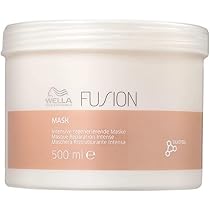
How to Use Wella Fusion Hair Mask for Strong, Smooth, Healthy Hair

If your hair is feeling dry, damaged, or simply in need of a little TLC, the Wella Professionals Fusion Intense Repair Mask could be your new best friend. 

Designed to repair and protect against breakage, this luxurious treatment leaves hair smooth, resilient, and silky to the touch. 

But to get the best results, it’s important to use it correctly.

Here’s a simple step-by-step guide on how to use Wella Fusion Hair Mask at home.

Step 1: Start with Clean Hair

For the mask to penetrate properly, always begin with freshly washed hair. Use a gentle, repairing shampoo – ideally from the Wella Fusion line – to cleanse your hair and remove any product build-up.

Step 2: Apply the Mask

Gently squeeze out excess water from your hair so it’s damp, not dripping.

Take a small amount of the mask (about the size of a walnut for medium-length hair) and work it evenly through your hair.

Focus especially on the mid-lengths and ends, where damage and dryness tend to be most noticeable. Avoid applying too much directly to the roots, as this can weigh the hair down.

Step 3: Leave It to Work

Let the mask sit in your hair for 5–10 minutes. This gives the silk amino acids and micronised lipids time to penetrate and strengthen the hair fibre. For very damaged hair, you can leave it on for up to 20 minutes for an intensive treatment.

Tip: While you wait, wrap your hair in a warm towel to open the cuticles and boost absorption.

Step 4: Rinse Thoroughly

Rinse your hair well with lukewarm water until all the product is removed. You should feel your strands instantly smoother and more manageable.

Step 5: Style as Usual

Dry and style your hair as normal. You’ll notice improved shine, softness, and resilience right away – and with regular use, your hair will become stronger over time.

How Often Should You Use It?

For best results, use the Wella Fusion Hair Mask once or twice a week as part of your regular haircare routine. If your hair is very dry or chemically treated, you may find weekly use keeps it in optimal condition.

Why Choose Wella Fusion?

The Fusion range is specifically designed for hair that’s prone to breakage. Infused with Silksteel Fusion Technology, it provides both instant repair and long-lasting protection, helping to keep your locks strong and healthy even after repeated styling or colouring.

In short: Treat yourself to a weekly self-care ritual with the Wella Fusion Hair Mask, and enjoy hair that looks salon-fresh, silky, and full of life.

That's Food and Drink: Raise Awareness on World Alzheimer’s Day with Soci...

That's Food and Drink: Raise Awareness on World Alzheimer’s Day with Soci...: World Alzheimer’s Day, observed every year on 21st September, is an important opportunity to increase understanding of dementia, show suppor...

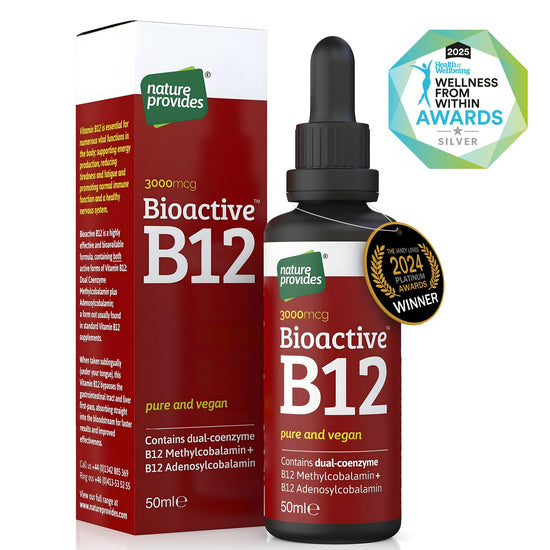
1 in 3 Brits may be at risk of B12 deficiency – but most have no idea. Many mistake symptoms for stress or ageing

Recent YouGov data finds low awareness of vitamin B12 deficiency. Many Brits chalk up fatigue, brain fog and poor memory to stress or ageing. 

Experts warn that common MTHFR gene variants could make the problem even worse.

Ahead of Vitamin B12 Awareness Day on 23 September, a date acknowledged in the House of Commons record, Nature Provides has released new YouGov research that points to a simple story: risk is high, awareness is low, action is rare. 

Nearly one in three Brits may be at risk of vitamin B12 deficiency, yet most do not recognise the warning signs.

The nationally representative survey of 2,178 UK adults shows a clear gap between risk, awareness and behaviour:

Dietary risk: Around a third of Brits (26–30%) follow diets that may limit B12 intake, including vegan, vegetarian, pescatarian or reduced red meat.

Low action: Only 1 in 8 (12%) take a daily B12 supplement. Most never do.

Perception: Just 23% think they are personally at risk.

Confusion on symptoms:

55% link fatigue with B12 deficiency

36% brain fog

32% poor memory

Only 25% recognise pins and needles, a classic neurological sign

Nearly 1 in 10 wrongly pick constipation or itchy skin

Diet is only part of the picture. Even people who eat animal products can be low in B12 because of absorption issues, age-related changes or genetics. For many, a bioactive B12 supplement, a form the body can readily use, can help. For some, a liquid bioactive B12 can also be easier to take and absorb.

Rachel Aceso, Certified Nutritionist and CEO of Nature Provides, told That's Health: “Vitamin B12 is essential for energy, cognition and nervous system health, yet it is often overlooked. The data shows many Brits are blaming tiredness, brain fog and poor memory on stress or ageing, when B12 deficiency could be the cause.

“What is not widely known is that even people who eat meat can be deficient because of absorption problems, age-related changes, or genetic factors. Up to half of Brits carry MTHFR gene variants that reduce how effectively they process vitamin B12. 

"That is why choosing a bioactive B12 is so important. It gives the body what it can actually use, and the difference can be transformative.”

Case study: Dr Simone Raenker

Dr Simone Raenker knows how easy it is to miss the signs. She ate well, slept well and walked daily, yet she still struggled with exhaustion, brain fog and low mood.

“I was doing everything right, eating healthily, sleeping well, walking daily, yet I felt constantly exhausted and foggy,” she says. “I blamed myself, thinking I just could not cope with the demands of life. Doctors told me I was physically healthy, but I felt hopeless.

“When I switched to a bioactive B12 supplement, I noticed a dramatic improvement within days. It felt like someone had switched the lights back on. I had my energy, clarity and joy back again.”

About B12 Awareness Day:

B12 Awareness Day takes place on 23 September. The date has been used by UK campaigners and was referenced in the House of Commons on 23 September 2020 during a petition presentation on vitamin B12 access.

About Nature Provides:

Nature Provides is a UK-based supplement brand founded by Certified Nutritionist Rachel Aceso, specialising in clean, effective, filler-free formulations made in the UK. The company's award-winning vitamin B12 is trusted by customers seeking optimal energy, mood and cognitive support.

https://natureprovides.com