Showing posts with label treatment. Show all posts

Monday, 14 September 2026

Excessive Sweating: Can Topical and Herbal Treatments Help?

Sweating is one of the body's natural cooling mechanisms, but for some people it goes well beyond what is needed to regulate temperature. 

Excessive sweating, medically known as hyperhidrosis, can affect the armpits, hands, feet, face, scalp or other areas of the body.

It can be uncomfortable, embarrassing and surprisingly disruptive. 

Fortunately, there are several treatments available, including conventional topical products and some traditional herbal remedies.

Start With Antiperspirants

There's an important difference between deodorants and antiperspirants. Deodorants primarily tackle odour, while antiperspirants actually reduce the amount of sweat reaching the skin.

Products containing aluminium salts, particularly aluminium chloride, are commonly used for excessive sweating. Stronger preparations are available from pharmacies and may be recommended by a GP.

They are usually applied to completely dry skin at night and washed off in the morning. Following the instructions carefully is important because stronger antiperspirants can cause skin irritation.

What About Sage?

Sage (Salvia officinalis) has a long history of traditional use for excessive perspiration, including sweating associated with the menopause.

Sage is available as tea, tablets, tinctures and other preparations. However, while there is some research into sage for menopausal symptoms such as hot flushes and sweating, evidence for treating hyperhidrosis itself is limited.

Herbal doesn't automatically mean harmless, either. Concentrated sage products can contain thujone, which may be harmful in excessive quantities. Anyone taking medicines, pregnant or breastfeeding, or living with a medical condition should check with a pharmacist or doctor before using herbal supplements.

Witch Hazel

Witch hazel is an astringent and is sometimes suggested as a topical treatment for sweaty skin. Applied to areas such as the feet or underarms, it may make the skin feel temporarily drier.

However, evidence that witch hazel actually treats hyperhidrosis is lacking, and frequent application can irritate sensitive skin. It should therefore be regarded as a possible comfort measure rather than a proven treatment.

Other Traditional Remedies

People sometimes recommend cooled black tea soaks for sweaty hands or feet because tea contains tannins with astringent properties. Again, scientific evidence for treating hyperhidrosis this way is limited.

Whatever remedy you try, avoid applying potentially irritating substances such as neat essential oils or strong acidic preparations to sensitive, broken or freshly shaved skin.

When Sweating Deserves a GP Appointment

Excessive sweating isn't always simply a nuisance. Sometimes it can be associated with another condition or with medication.

It's particularly worth seeking medical advice if excessive sweating starts suddenly, occurs predominantly at night, affects your whole body, is accompanied by unexplained weight loss, fever, palpitations or other symptoms, or represents a significant change from your normal pattern.

A GP may investigate possible underlying causes and discuss treatments ranging from prescription-strength antiperspirants and tablets to iontophoresis, botulinum toxin injections and specialist procedures.

The important message is that you don't necessarily have to put up with excessive sweating. Herbal and traditional remedies may provide some people with modest relief, but persistent or severe hyperhidrosis deserves proper assessment — and there are effective medical treatments available.

Thursday, 18 September 2025

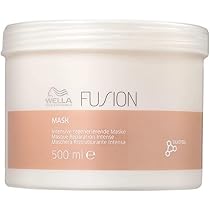
How to Use Wella Fusion Hair Mask for Strong, Smooth, Healthy Hair

If your hair is feeling dry, damaged, or simply in need of a little TLC, the Wella Professionals Fusion Intense Repair Mask could be your new best friend. 

Designed to repair and protect against breakage, this luxurious treatment leaves hair smooth, resilient, and silky to the touch. 

But to get the best results, it’s important to use it correctly.

Here’s a simple step-by-step guide on how to use Wella Fusion Hair Mask at home.

Step 1: Start with Clean Hair

For the mask to penetrate properly, always begin with freshly washed hair. Use a gentle, repairing shampoo – ideally from the Wella Fusion line – to cleanse your hair and remove any product build-up.

Step 2: Apply the Mask

Gently squeeze out excess water from your hair so it’s damp, not dripping.

Take a small amount of the mask (about the size of a walnut for medium-length hair) and work it evenly through your hair.

Focus especially on the mid-lengths and ends, where damage and dryness tend to be most noticeable. Avoid applying too much directly to the roots, as this can weigh the hair down.

Step 3: Leave It to Work

Let the mask sit in your hair for 5–10 minutes. This gives the silk amino acids and micronised lipids time to penetrate and strengthen the hair fibre. For very damaged hair, you can leave it on for up to 20 minutes for an intensive treatment.

Tip: While you wait, wrap your hair in a warm towel to open the cuticles and boost absorption.

Step 4: Rinse Thoroughly

Rinse your hair well with lukewarm water until all the product is removed. You should feel your strands instantly smoother and more manageable.

Step 5: Style as Usual

Dry and style your hair as normal. You’ll notice improved shine, softness, and resilience right away – and with regular use, your hair will become stronger over time.

How Often Should You Use It?

For best results, use the Wella Fusion Hair Mask once or twice a week as part of your regular haircare routine. If your hair is very dry or chemically treated, you may find weekly use keeps it in optimal condition.

Why Choose Wella Fusion?

The Fusion range is specifically designed for hair that’s prone to breakage. Infused with Silksteel Fusion Technology, it provides both instant repair and long-lasting protection, helping to keep your locks strong and healthy even after repeated styling or colouring.

In short: Treat yourself to a weekly self-care ritual with the Wella Fusion Hair Mask, and enjoy hair that looks salon-fresh, silky, and full of life.

Sunday, 26 February 2012

NHS Postcode Lottery is Restricting Access to Drugs like Avastin and Abiraterone on the Cancer Drugs Fund

The government Cancer Drugs Fund enables cancer sufferers without private medical cover to benefit from treatment not available on the NHS. However, with a postcode lottery dictating the availability of this service, and with the initiative due to end in 2014, Brits may soon need to look for alternative ways of accessing lifesaving cancer drugs like Avastin, Abiraterone and Yervoy.

The Cancer Drugs Fund was set up in 2010 to give patients without private medical cover the chance to be treated with drugs deemed by the National Institute for Health and Clinical Excellence (NICE) as too expensive for the NHS. Patients can apply through their doctors for the funds which are then administered by health authorities across England.

Avastin is one of these drugs available through the Cancer Drugs Fund, licensed for use on breast cancers, colon cancer, gastrointestinal cancers, kidney cancers, lung cancers, ovarian cancer and rectal cancer. Although Avastin is licensed and can be prescribed in the UK, it has not been approved for use on the NHS because it is not considered cost-effective. Consequently, the drug is only available through the Cancer Drugs Fund or through private medical insurance. Self-pay patients would be set back around £21,000 for a course of Avastin.

Abiraterone is another drug available through the Fund. Abiraterone is a hormone based therapy drug which blocks the generation of testosterone in the tumours of men with late-stage prostate cancer. Trials of abiraterone found that it extended a patient’s life by an average of 4 months. Although it was licenced for use in the UK, NICE has decided that the drug is too expensive for use in the NHS in England. Abiraterone is now only available through the Cancer Drugs Fund or private medical insurance. Self-pay patients pay around £3,000 a month for treatment with Abiraterone.

Skin cancer drug Yervoy has also been turned down by NICE for use on the NHS. Yervoy is the first medicine proven to extend the lives of patients with advanced melanoma, the most deadly form of skin cancer. But the four necessary injections of Yervoy cost almost £80,000 per person in total. NICE has concluded that funding the drug would not be a cost effective use of NHS resources. Now, the only way people can be treated with Yervoy is through the Cancer Drugs Fund or through private medical insurance.

Whilst the Cancer Drugs Fund has helped thousands of patients get access to expensive cancer treatment, recent figures show that a postcode lottery is limiting the availability of drugs in certain parts of the country. Each health authority in England is awarded a budget to spend on cancer drugs from the Fund, ranging from around £9million to £30million depending on population size. But the Rarer Cancers Foundation has revealed that in some areas of the country less than one fifth of the money has been spent. In underspent regions, cancer patients are being turned away.

Richard Theo, of health insurance comparison website ActiveQuote.com said: “Rather than relying on the Cancer Drugs Fund for access to drugs like Avastin, Yervoy and Abiraterone you could compare health insurance policies online in order to find a policy that would fund these drugs if required. Private medical insurance complements the service provided by the National Health Service, and would guarantee you treatment with licensed drugs even if they are not approved by NICE.”

And with the Cancer Drugs Fund due to end in 2014, private medical insurance will give you peace of mind about you and your family’s healthcare for years to come.

http://www.activequote.com is the only true health insurance comparison website in the UK.

Sunday, 8 January 2012

Treat Coronary Heart Disease in Safety with New Thermobalancing Therapy States Fine Treatment

Fine Treatment introduces a new natural device to help prevent or control coronary heart disease and so reduce the risk of a first or repeat heart attack

New Thermobalancing Therapy for prevention and treatment of coronary heart disease(CHD) is now available at Fine Treatment worldwide. Dr. Allen’s Device for Heart Treatment is essential care of the heart as it works 24 hours a day (day-by-day) improving the condition of the heart muscle. See the video on this page where the interviewer form Oxford Innovation Centre asks questions and the interviewee, one of the Fine Treatment’s patients, answers to them.

As follows from the video, 89 year old lady has recovered from heart failure over 2-years ago and enjoys her life pain free because she wears Dr. Allen’s Device for Heart Treatment.

According to the Centres for Disease Control and Prevention (or CDC) each year heart disease kills more Americans than cancer. In recent years, cardiovascular risk in women has been increasing and has killed more women than breast cancer. So the most dangerous disease which causes one in three deaths in the USA can have a safe cure now.

Fine Treatment introduces a new natural device for the heart treatment that everyone will be able to use at home. The major ingredient the natural thermo-element is incorporated in the vest which keeps this thermo-element near to the heart increasing the blood flow inside the heart muscle. Learn more about how easy is to apply the thermo-element to the heart are by watching this video: http://www.youtube.com/watch?v=UeKMF8UMPMk

“A natural coronary heart disease treatment that reaches your heart is the best way to improve condition of the heart muscle,” says Dr Allen. “Keep the heart muscle in a healthy condition and enjoy your life pain free.”

Dr Allen’s Device for Heart Treatment tackles the cause of the heart problems: by creating a favourable situation for the fine blood capillaries to stabilise the body temperature within the tissue of the heart. This improves the blood flow in the heart muscles on the capillary level which reduces the micro-swelling in the walls of coronary arteries dropping the internal pressure and, thus, stopping pain and discomfort. In addition, the heart muscle gets sufficient nutrients for the processes of recovery. Read more at the Fine Treatment website: www.finetreatment.co.uk/natural-alternative/heart-treatment.html.

FACTFILE:
Dr. Simon Allen is a highly experienced medical professional. His specialty is in the cardio-vascular field and he treated patients with coronary heart disease, joints, kidneys and prostate conditions. Fine Treatment produces and distributes devices for the prostate conditionssuch as chronic prostatitis and BPH, coronary heart disease, to dissolve kidney stones and to relieve back pain in the upper and lower spine.