Showing posts with label cancer. Show all posts

Wednesday, 29 July 2026

World Lung Cancer Day 2026: Together Through Lung Cancer

World Lung Cancer Day, taking place on Saturday 1 August 2026, is an opportunity to raise awareness of one of the world's most serious cancers while reminding those affected that they do not have to face the disease alone.

This year's campaign from Know Lung Cancer carries the powerful message "Together through Lung Cancer", highlighting the importance of education, support and community for patients, families and carers.

While advances in diagnosis and treatment continue to improve outcomes for many people, lung cancer can still have a profound physical, emotional and psychological impact. Recovery and long-term management often involve much more than medical treatment, making access to reliable information and supportive communities incredibly valuable.

Know Lung Cancer is encouraging people to connect with others who understand the challenges of living with the disease. As part of this year's campaign, the organisation has expanded the support available through its website by introducing a dedicated Support Groups section, linking patients and carers with trusted organisations and peer communities.

The campaign also includes a WhatsApp support group led by Know Lung Cancer patient ambassadors. The group offers a welcoming space where people can share experiences, ask questions and gain reassurance from others who truly understand the realities of a lung cancer diagnosis.

Supporters are also being invited to take part in a simple awareness campaign on World Lung Cancer Day itself. People can download or order a Know Lung Cancer poster, take a photograph with it and share the image on social media using the official hashtags #WorldLungCancerDay and #LungCancerAwareness. The aim is to increase awareness while demonstrating the strength of the lung cancer community.

To help patients discover trusted information at key moments in their treatment journey, Know Lung Cancer is also distributing posters and information cards to lung cancer clinics, oncology centres, hospitals and professional societies. These materials direct patients and carers to educational resources covering lung cancer, treatment options, patient stories and ongoing support.

Know Lung Cancer was established in collaboration with CancerCare and brings together an international network of patient advocates, healthcare professionals and ambassadors. Its mission is to improve understanding of lung cancer worldwide by providing independent, evidence-based educational resources that are freely available to everyone.

Campaign organisers hope this year's World Lung Cancer Day will encourage more conversations about lung cancer, reduce feelings of isolation and ensure that patients and their loved ones know where to turn for trusted advice and practical support.

For more information about World Lung Cancer Day and the resources available, visit the Know Lung Cancer website https://know-lungcancer.com

Thursday, 23 July 2026

Londoner cycles Ireland's Wild Atlantic Way to honour sister lost to brain tumour

Sarah De Groen knows exactly why she is taking on one of Europe's toughest cycling routes. Every mile she pedals along Ireland's spectacular Wild Atlantic Way is a tribute to her younger sister Rachel, whose life was cut tragically short by an aggressive brain tumour.

The 39-year-old from Edgware set off on 20 July with an ambitious goal of cycling the entire 1,600-mile Wild Atlantic Way in just 20 days. 

Along the way, she hopes to raise vital funds for The Brain Tumour Charity, which supports families affected by brain tumours, funds pioneering research and campaigns for better treatment and care.

Sarah's determination comes from a deeply personal place.

Rachel De Groen was just 19 when she was diagnosed with what was later identified as a diffuse midline glioma, an aggressive and incurable brain tumour. Doctors initially gave her only three months to live, but Rachel defied expectations and survived for another 15 months.

Those extra months became precious time for the entire family.

Rachel, the youngest of seven siblings, was known for her gentle nature and her love of children, art, fashion, butterflies and the colour pink. Her nieces and nephews adored spending time with her because she would happily sit on the floor playing games with them for hours.

One of the most striking aspects of Rachel's illness was how subtly it began. Rather than headaches or balance problems, the earliest warning signs were changes in her personality. She gradually withdrew from family, struggled with her mental health and became increasingly unwell before doctors finally discovered the tumour.

The diagnosis devastated the family, but instead of allowing despair to take over, they resolved to make every remaining day count. Birthdays became treasured occasions, family outings were organised whenever Rachel felt well enough, and even her brother brought forward his wedding so she could be there.

Sarah told That's Health that experience completely changed how she viewed life.

She explains that when someone you love is dying, everyday worries suddenly become insignificant. It taught her to value every moment and inspired her to take on endurance challenges in Rachel's memory.

Having previously completed the famous Land's End to John O'Groats cycle ride, Sarah is now tackling the even greater elevation and distance of Ireland's Wild Atlantic Way. She hopes to complete the challenge on 12 August, marking the anniversary of Rachel's diagnosis.

As well as remembering her sister, Sarah hopes her journey will raise awareness of brain tumours and the urgent need for more research into better treatments.

Her message is both simple and powerful: life is precious, every day is a gift, and by supporting research today, more families may be spared the heartbreak that hers experienced.

Anyone wishing to support Sarah's remarkable fundraising challenge can donate through her JustGiving page and follow her story as she cycles around one of Europe's most dramatic coastlines.

https://www.thebraintumourcharity.org

https://www.justgiving.com/page/sarah-de-groen-2

Monday, 13 April 2026

Scottish football unites to tackle most common cancer in young men

Scottish football is uniting this weekend to tackle the most common cancer affecting young men, as clubs across the country back a national awareness campaign encouraging men to check themselves and catch the disease early.

“Tackling Testicular Cancer”, led by Cahonas Scotland in partnership with PFA Scotland, is using the reach of the game to drive awareness of early detection and break down stigma around men’s health.

Testicular cancer is the most common cancer in men aged 15 to 45, with around 2,400 men diagnosed each year in the UK. When detected early, survival rates are above 95%. Despite this, many men still do not check themselves regularly or delay speaking to a doctor.

Clubs across Scotland, including Celtic, Dundee, Livingston, Dundee United and St Mirren, are taking part across the weekend, with further activity involving Falkirk and Rangers.

Players have been wearing campaign warm-up shirts, while Cahonas Scotland has delivered awareness sessions directly to professional squads, taking the message into dressing rooms and using football’s reach to connect with men across Scotland.

Celtic captain Callum McGregor told That's Health: “As a club, we’re proud to support the ‘Tackling Testicular Cancer’ campaign this weekend. It’s the most common cancer affecting young men, but when it’s identified early it is highly treatable.

Raising awareness is vital, and we would encourage everyone to take a moment to understand the signs and symptoms and to carry out regular self-checks.

Speaking after a session with Cahonas Scotland, Rangers midfielder Connor Barron told us: “It was really interesting having Cahonas in today. Hearing the stories and learning how to check yourself properly was important, and it helps take away some of the embarrassment around it.

It’s something we’ll all take away, because checking yourself only takes a couple of minutes and it could save your life.”

Paul McCaffery, Community Engagement Officer at Cahonas Scotland and a testicular cancer survivor, said: “I say Cahonas saved my life because I found my lump using their self-check guide. I didn’t know what to look for before that. I went through surgery and chemotherapy, and now I’m working with the charity to make sure other men don’t go through it alone.”

Ritchie Marshall, CEO of Cahonas Scotland, added: “Testicular cancer is the most common cancer in young men, yet too many are still not checking themselves. By taking this message into football, we can reach men who might never otherwise hear it, and that can save lives.”

Men are encouraged to check themselves monthly and speak to a doctor if they notice any changes.

https://www.cahonasscotland.org

Thursday, 26 February 2026

20 Yrs and 10,000 bikes for Children with Cancer. BBC “The One Show” Honours Charity Founder with One Big Thank you.

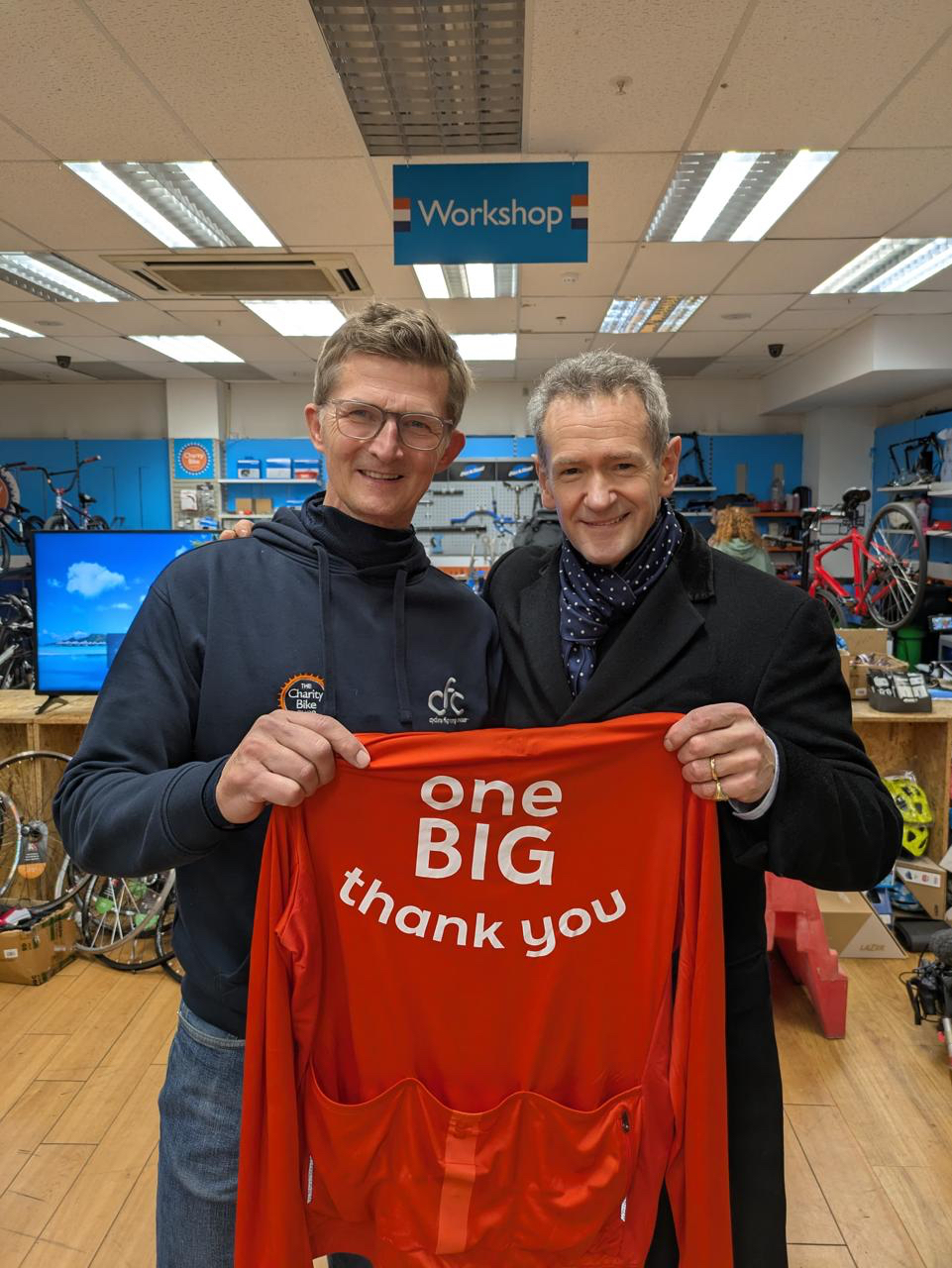
Last Thursday (19th Feb), The BBC One Show, along with some help from celebrities such as Alexander Armstrong and Sir Chris Hoy himself, pulled off a surprise “One Big Thank-you” for Mike Grisenthwaite, founder of the Nationwide Children’s Cancer Charity Cyclists Fighting Cancer.

Launched from his kitchen table 20yrs ago, CFC has grown hugely, and today has 4 Charity Bike shops in Cheltenham, London, Manchester and their HQ in Stratford-upon-Avon. 

The shops take donated bikes and parts as well as selling new accessories and servicing all types of bikes.

All proceeds from the shops and other fundraisers go towards providing more bikes and specially adapted trikes for children living with and beyond cancer in the UK. These bikes help them get outside and active, and have huge benefits for both their physical and mental wellbeing.

Since starting, the team at CFC have gifted over 10,000 bikes and trikes to children all over the country, as well as delivering exercise equipment to many Children’s Hospitals to introduce children to exercise during lengthy hospital stays.

All of this after Mike was inspired to “give back” having used exercise, and specifically Cycling, to get through his own arduous cancer treatment.

During the amazing piece which can be found on BBC iPlayer here (from 14:50min) https://www.bbc.co.uk/iplayer/episode/m002rkcm/the-one-show-19022026

Mike was fooled into thinking Alexander needed a puncture repair, before revealing the surprise. He then received heart felt messages from children and families his charity has helped as well as recognition of his huge achievements from Sir Chris Hoy, Family, Friends and Colleagues.

An emotional Mike had a rare speechless moment and was “blown away” by the recognition.

For more info on the charity and their activities go to www.cyclistsfc.org.uk

Wednesday, 25 February 2026

Gipsy Hill family’s fundraising in memory of kind-hearted 18 year old helps fund vital new leukaemia research

A Gipsy Hill, London, family’s fundraising in memory of their teenage daughter has helped fund a major new research project into children’s blood cancer.

Ruby Fuller, 18, died during the COVID 19 lockdown in May 2020, just under a year after she was diagnosed with a rare type of lymphoma. 

During that time, she spent over 200 nights in hospital and endured incredibly intensive treatments. However, they weren't enough to save her when the cancer transformed into leukaemia.

After Ruby died, her parents, Emma Jones and Dylan Fuller, were told how few treatment options exist for patients when T cell blood cancers relapse.

This prompted them to launch a Special Named Fund at CCLG: The Children & Young People’s Cancer Association called Ruby’s ‘Live Kindly, Live Loudly’ Fund to fundraise for research into childhood leukaemia and lymphoma.

Emma told That's Health: “Hearing there simply aren’t effective treatments yet made it very clear to us that if anything is going to change, it has to start with research.

“Setting up Ruby’s fund felt like a way to turn our heartbreak into something hopeful, something that could improve outcomes for other young people in the future.”

The fund has since raised over £290,000 and contributed to a new research project exploring better treatments for childhood leukaemia.

Emma feels the new project embodies Ruby’s motto of ‘live kindly, live loudly.’ She said: “This project is about kindness, developing safer, less brutal treatments, and it’s loud because it challenges the status quo and pushes for change where it’s badly needed.

“Supporting bold, innovative research like this feels exactly the kind of legacy Ruby would have wanted.”

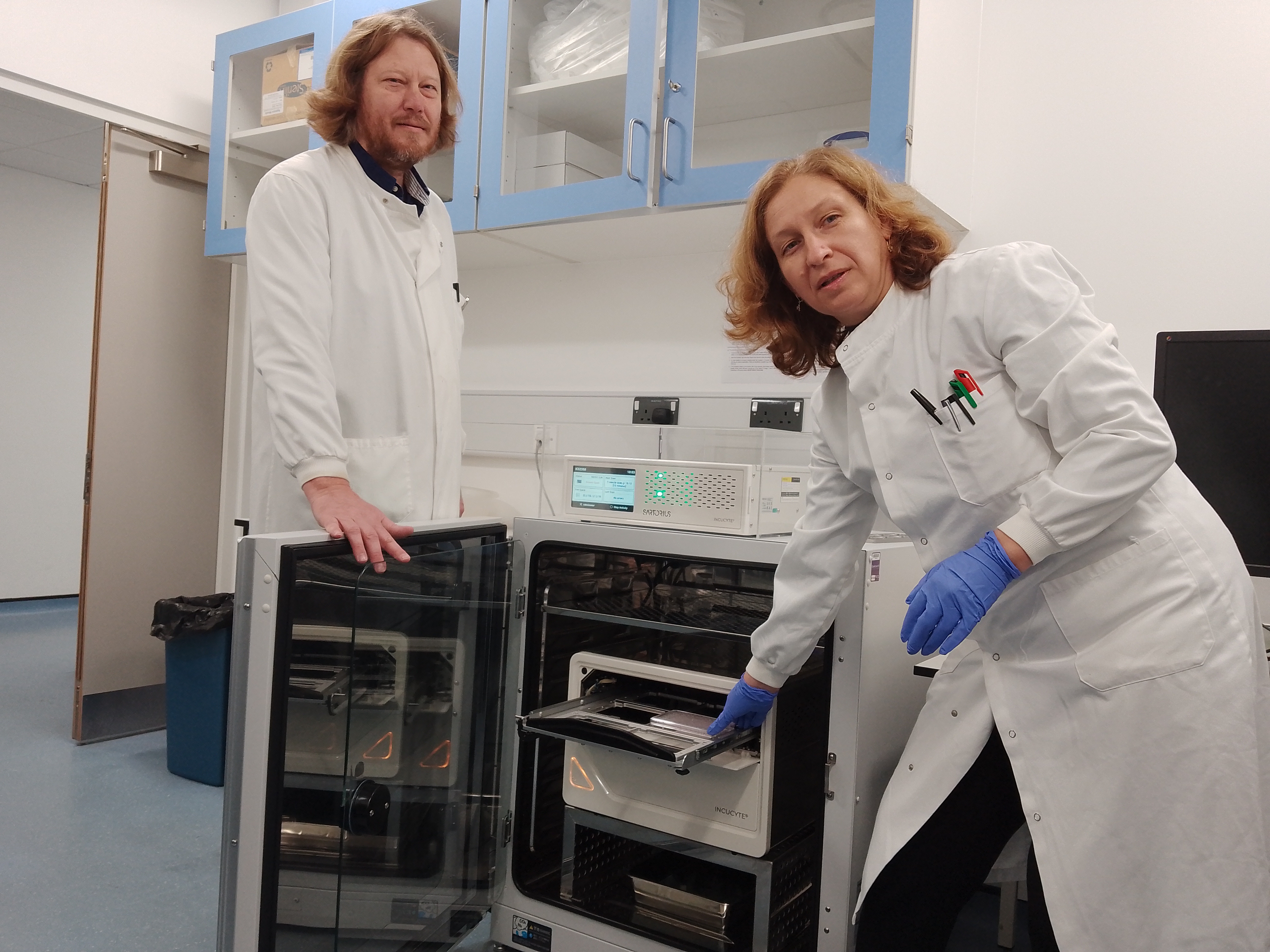
The project, funded through a collaboration between CCLG and Children with Cancer UK, is led by Dr Maarten Hoogenkamp and Dr Vesna Stanulovic at the University of Birmingham.

Dr Stanulovic said: “We are making a new drug that will interfere with the metabolism of leukaemia cells – basically, it will kill cancer without affecting the rest of the body.”

The new drug aims to treat T cell blood cancer both at diagnosis and after relapse. While it's excellent at fighting leukaemia in the lab, the drug currently breaks apart too easily in the body. 

With this funding, the researchers hope to refine their drug to ensure it can survive long enough to effectively fight the cancer cells.

Dr Stanulovic added: “By only targeting the cancer cells with this treatment, we hope to prevent the huge toxicities that are normally seen in leukaemia treatment. 

"Our drug should be very friendly for patients and not require any further hospitalisation.”

Because of the expected lack of side effects, the researchers hope that their treatment could eventually be taken at home as a tablet.

Emma said that funding the project “means everything” to her family. And, despite Ruby’s ‘Live Kindly, Live Loudly’ Fund now having supported five research projects in total, she has no plans to stop fundraising.

This year’s plans include a London Tube Challenge, visiting all 272 tube stations in London as quickly as possible, and an auction to commemorate what would have been Ruby’s 25th birthday in October.

Vicki Brunt, Head of Fundraising at CCLG, said: “Ruby’s family and supporters have achieved an extraordinary amount in such a short time, and we are incredibly grateful for everything they’ve done.

“Their dedication is enabling vital work that could lead to kinder, more effective treatments for young people diagnosed with blood cancer.”

Gavin Maggs, Chief Executive of Children with Cancer UK, said: “Working together with CCLG allows us to achieve more for children and families affected by cancer.

“Between us, we can fund research that pushes boundaries and brings us closer to safer, more effective treatments, maximising impact and accelerating progress. Co-funding like this has to be the way forward, for our donors, for the academics, and most importantly, for the children.”

If you would like to donate a prize for the Ruby’s ‘Live Kindly, Live Loudly’ Fund auction, please contact emmacjones1000@gmail.com or, to support the fund, please visit specialnamedfunds.cclg.org.uk/rubys-live-kindly-live-loudly-fund

Tuesday, 24 February 2026

Medi-Globe Launches mAI Companion® World’s First Real Time AI Assistant for Pancreatic EUS, Co Developed with IHU Strasbourg —Now MDR CE Marked and Available for Clinical Use in Europe

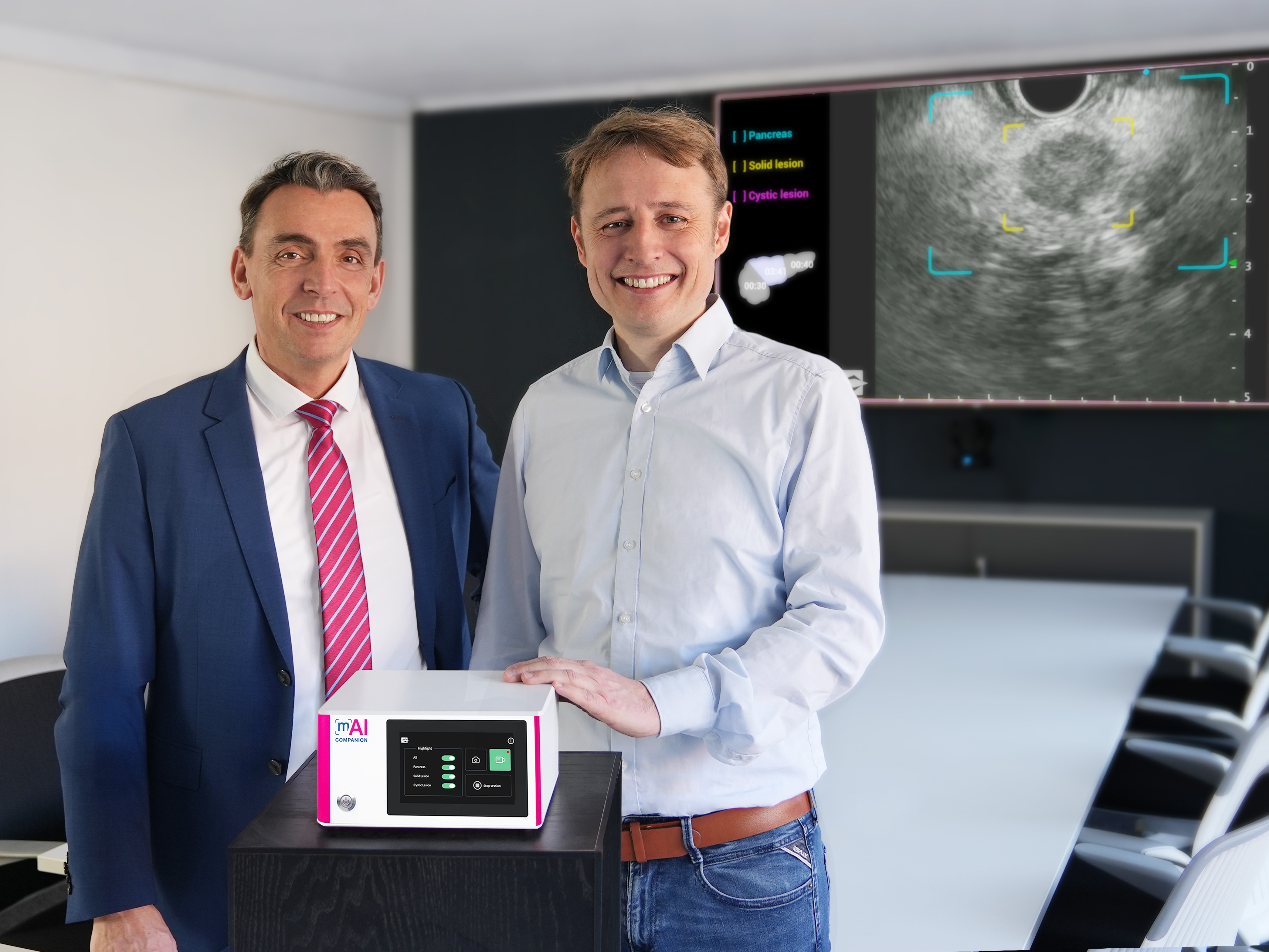
Medi-Globe has today announced the launch of mAI Companion®, a real-time medical AI solution designed to assist physicians in detecting pancreatic lesions during endoscopic ultrasound (EUS), addressing one of the deadliest and most difficult-to-detect cancers, where earlier identification can dramatically change patient outcomes.

Developed through a multi‑year collaboration with IHU Strasbourg, mAI Companion® has received MDR CE Mark certification, becoming the first‑of‑its‑kind AI assistant for pancreatic EUS approved for clinical use in Europe.

Addressing One of Medicine’s Toughest Imaging Challenges

Pancreatic cancer remains one of the deadliest malignancies worldwide, and early detection can significantly improve survival. EUS provides high‑resolution, close‑up imaging and allows targeted biopsy confirmation—but the technique demands years of experience, and subtle lesions can still be difficult to detect.

mAI Companion® functions as an intelligent “second set of eyes” during EUS, automatically analysing the head, body, and tail of the pancreas in real time to highlight solid and cystic lesions that may otherwise go unnoticed. 

The expected result: greater diagnostic confidence, more systematic exams, and fewer missed findings supporting earlier identification of pancreatic lesions including stages when treatment options and survival outcomes are significantly improved.

Built on Expert Knowledge — at Unprecedented Scale

AI performance depends on data quality. mAI Companion® was created in collaboration with leading European expert centres and trained on hundreds of real‑patient EUS videos containing more than five million expert‑annotated images. Each annotation was validated by experienced endoscopists, enabling the software to act like a trusted expert advisor beside the clinician.

First‑in‑Human Use, Clinical Evidence

mAI Companion® underwent first‑in‑human clinical use ahead of market introduction—a milestone Medi-Globe first reported in 2022. Patents covering key elements of the technology have been filed.

A tandem randomised EUS video trial involving 57 endoscopists—currently under peer‑review—demonstrated significantly higher diagnostic accuracy and a marked reduction in missed‑lesion rates when using AI compared with standard assessment.

Clear Clinical and Institutional Benefits

The MDR CE‑Marked mAI Companion® is expected to deliver practical value across all levels of clinical practice — improving confidence, consistency, and clinical quality in pancreatic EUS:

Experienced Endoscopists: Greater reassurance in complex or ambiguous cases with real‑time AI support by providing an extra set of eyes e.g. for small, hard‑to‑spot lesions .

Departments & Teams: Standardized EUS quality across operators, reduced variability, and faster development of junior staff.

Hospitals & Institutions: Stronger reputation, academic prestige and leadership in pancreatic cancer care.

Together, these benefits drive more confident exams, more consistent results, and better patient outcomes — reinforcing trust and institutional excellence in pancreatic EUS. Earlier and more reliable lesion detection supports faster diagnosis, earlier treatment decisions, and ultimately improved patient pathways in a disease where time is critical.

Expert Voices

“This product will revolutionize pancreatic care going forward – saving patients’ lives and making our job as physicians easier. Medi‑Globe moved faster to market than any similar effort I’ve seen, and deserves kudos for bringing the first in the world AI augmented EUS product to market. The collaboration with our R&D team and the preeminent Scientific advisory board has been excellent from start to finish. 

"The development of mAI Companion® should serve as a model for the future introduction of AI medical devices into interventional endoscopic practice.” — Prof. Dr. Lee Swanstroem, Interventional Endoscopist, Oregon Health and Science University, Portland Oregon USA and Director Emeritus, IHU-Strasbourg Institute of Image Guided Surgery, Strasbourg, France, told That's Health.

“When we started the research project at the IHU in Strasbourg seven years ago, it was a dream to develop a product that would help endosonographers to do a complete pancreatic evaluation. Now that dream has become reality. 

"I see mAI Companion as a great opportunity in medicine for more gastroenterologists to offer their patients high and consistent quality in the performance of pancreatic endoscopic ultrasound that will lead to a early diagnosis of pancreatic diseases and cancer, and I am convinced that this AI will help us doctors save patients' lives. mAI Companion will be my companion.” — Dr. Leonardo Sosa Valencia, Clinical Gastroenterologist, Digestive Echo Endoscopist, Medical Staff Manager at IHU, Strasbourg, France

"This is a major milestone for Medi-Globe. Turning mAI Companion® from concept to clinical reality required close collaboration with our partners at IHU Strasbourg and a broad international medical advisory network. Our goal is to provide clinicians with practical, workflow-integrated AI support that increases quality, confidence and consistency in pancreatic EUS." — Marc Jablonowski, Managing Director, Medi-Globe, Rohrdorf, Germany

"Delivering this programme on time and on budget reflects our disciplined approach from early prototype through MDR CE Mark, combining rigorous engineering, close clinical collaboration, and a strong focus on quality and compliance." — Dr. Markus Schönberger, President, iGlobe Scientific, Strasbourg, France

A New Era for Evidence-Based AI in Endoscopy

The launch of mAI Companion® represents a key milestone in Medi-Globe’s commitment to clinically validated, evidence-based AI solutions that can be safely integrated into routine practice, supporting earlier intervention and improved patient pathways.

With CE-marked approval, mAI Companion® is now cleared for clinical use across the EU, with initial deployments underway at leading European centres and broader rollout planned. For demonstrations or purchasing inquiries, contact Medi-Globe.

https://www.medi-globe.de/en/products/details/mai-companion

Saturday, 14 February 2026

International Childhood Cancer Day UK: Awareness, Support and Hope for Families

Every year on 15 February, International Childhood Cancer Day shines a light on one of the most challenging diagnoses a family can face. 

It's a day of awareness, but also one of courage, resilience and collective responsibility.

For readers of That’s Health, this is an opportunity not only to understand childhood cancer more clearly, but to consider how we, as communities across the UK, can offer meaningful support.

Understanding Childhood Cancer

Childhood cancers are different from adult cancers. They are rarely linked to lifestyle factors and often develop without warning. The most common types include:

Leukaemia

Brain and central nervous system tumours

Lymphomas

Neuroblastoma

Wilms’ tumour (a kidney cancer affecting children)

Thanks to advances in medical research and specialist care, survival rates in high-income countries such as the UK have improved significantly over the past few decades. However, treatment can be intensive, lengthy and emotionally draining for both children and their families.

The Reality for Families

A diagnosis does not just affect a child. It affects siblings, parents, grandparents and friendship circles. Many families face:

Long hospital stays

Time off work and financial strain

Emotional trauma and anxiety

Educational disruption

Long-term health effects from treatment

Paediatric oncology teams across the NHS provide extraordinary care, but families often rely heavily on charities for additional emotional, practical and financial support.

UK Charities Offering Support

Several organisations provide invaluable help to families navigating childhood cancer:

Young Lives vs Cancer/CLIC Sargent– Offers specialist social workers and financial guidance. 

https://www.younglivesvscancer.org.uk

Children with Cancer UK – Funds research and supports affected families.

https://www.childrenwithcancer.org.uk

The Brain Tumour Charity – Provides tailored support for children and young people with brain tumours.

https://www.thebraintumourcharity.org

Supporting these organisations, even in small ways, helps extend care beyond hospital walls.

The Importance of Early Awareness

While childhood cancer is rare, knowing potential warning signs can help prompt earlier medical attention. These may include:

Persistent unexplained pain

Unusual lumps or swelling

Ongoing fatigue or pallor

Frequent unexplained bruising

Persistent headaches or vomiting

Sudden vision or balance changes

These symptoms are usually caused by less serious conditions, but persistent concerns should always be checked by a GP.

Life After Treatment

Survival is not always the end of the journey. Many children who complete treatment experience long-term effects, including:

Learning difficulties

Hormonal issues

Heart or organ complications

Emotional and psychological challenges

Long-term follow-up care is essential, and awareness days like this remind policymakers and healthcare providers of the need for sustained investment in survivorship programmes.

How You Can Mark the Day

You do not need to organise a major fundraiser to make a difference. Simple actions include:

Wearing a gold ribbon

Sharing accurate information on social media

Donating to a UK childhood cancer charity

Supporting families in your local community

Encouraging open conversations about serious childhood illness

Small gestures of solidarity matter deeply to families who often feel isolated.

A Message of Hope

Medical research continues to improve outcomes year on year. Scientists are developing more targeted therapies designed to reduce harsh side effects and improve long-term quality of life.

International Childhood Cancer Day reminds us that behind every statistic is a child with dreams, hobbies, favourite foods and a family who simply want them to thrive.

Awareness brings understanding. Understanding builds compassion. And compassion, when turned into action, can help ensure that every child facing cancer receives the best possible chance at a healthy future.

Saturday, 7 February 2026

“My handstand challenge for best mate whose life was turned upside down.”

When illness turned Ellis Healy’s life upside down, his best mate Harry turned upside down too - by committing to doing a handstand every day in 2026 to raise money for charity.

Harry Clesham, who lives in southwest London, has already raised over £2,000 for The Brain Tumour Charity via social media and his fundraising page – and his technique has improved to the stage where he can walk a few steps on his hands too.

He posts daily videos of his activities on Instagram, and carries out his feats in locations as varied as pubs, pavements, gyms, holiday hotspots and hotel rooms.

Harry and Ellis first met when they were students at university in Leicester in 2011. They lived in the same halls of residence, hung out together during Freshers’ Week and both joined the rugby team.

Ellis, 33, who had intended to become a butcher like his dad, then worked in London for a year, as did Harry. They sat their finals in Leicester and then both moved back to London to work at tech companies. Harry was also a groomsman and the Master of Ceremonies when Ellis married his wife Hannah in 2024.

But Ellis has had health struggles since he was diagnosed with Crohn’s disease when he was 11. Treatment included immunosuppressant medication which stopped working when he was 27.

While waiting to have scheduled keyhole surgery, he was rushed to hospital with a blockage in his intestine. This was found to be tumour, and to his shock, he was diagnosed with non-Hodgkin lymphoma. Fortunately, it had been caught early and he was treated with six rounds of R-CHOP chemotherapy – a combination of four drugs and a steroid.

That's where his good fortune ended. A PET scan to check he had the all-clear found no uptake of the contrast dye on the right side of his brain. A follow up scan identified a brain tumour.

Ellis told That's Health: “I was due to have keyhole surgery to treat my Crohn’s but ended up having four lots of surgery and two bouts of sepsis which triggered a cardiac arrest.

“I was discharged with a wearable defibrillator vest and was one of the first patients in the UK to use one. I had to wear it for 24 hours a day, including at work and at the gym which was awkward.”

Once his infection had gone, brain tumour treatment was due to start. But first he needed to have a permanent defibrillator implanted. Then, last March, Ellis had three seizures back-to-back.

Ellis continued: “I had my first seizure while I was asleep. It woke my wife who called an ambulance which arrived within 10 minutes. They gave me a sedative which stopped the seizure, but I had another one a short while later and another one in the ambulance.”

Six months after the seizures and the ICD Implant, Ellis had an awake craniotomy to remove a grade 2 to 3 astrocytoma, from which he’s now recuperating.

Throughout everything, Harry has supported Ellis as best he can – taking the mickey out of his fashion sense when he was wearing the defibrillator vest, and when he was well enough, going camping on the Dorset coast. That’s when the idea to raise awareness and funds came about.

Harry said: “Ellis has been an exceptional friend and we’ve been close pals ever since we met. His strength, humour and resilience throughout have been nothing short of inspiring - I truly haven’t met anyone like him. He’s one of a kind.

“The challenge was born after Ellis and I spent two days walking together along the Jurassic Coast. We talked about what he was going through, how he was feeling and what I could do to support him in a meaningful way. During those conversations, Ellis said that if I were to raise money for a cause, he would want it to be for The Brain Tumour Charity.”

Ellis added: “I mentioned The Brain Tumour Charity because their website and leaflets provide all the information you need to know - not just about living with the illness but also how to prepare for what’s next and how to overcome some of the challenges you’re going to face.

“It's just a really good single point of reference so I’ve used it a lot and it’s been very helpful for my family to understand it as well, in their own time.”

You can support Harry’s fundraising efforts here: https://www.justgiving.com/page/officialhandstandharry – and watch his daily handstand videos on Instagram @officialhandstandharry.

Harry said: “The rule is simple: no matter what the day brings, there is always time to show up for this cause. This challenge is about more than handstands. It is about standing alongside a friend as he recovers from brain tumour surgery, raising awareness of the impact brain tumours have on individuals and their families, and supporting the research, care and services provided by The Brain Tumour Charity. 

"I will keep going, one day, one handstand and one donation at a time, for Ellis and for everyone affected by brain tumours.”

Tuesday, 3 February 2026

New BOHS guidance highlights the need to control cancer risks arising from Diesel Engine Exhaust Emissions at work

The British Occupational Hygiene Society (BOHS), the Chartered Society for Worker Health Protection, and the Faculty of Occupational Hygiene, have published new Guidance for Occupational Hygienists on the Assessment and Control of the Health Risks from Diesel Engine Exhaust Emissions (DEEEs). 

While the guidance provides professional information for experts, it should also help health and safety and other professionals understand the required approaches to control exposure to diesel engine exhaust emissions.

Scientific experts are calling on employers who use diesel powered plant, equipment and vehicles to ensure that they understand the best way of controlling emissions or obtain expert competent advice to assist them.

“Diesel engines power significant parts of the UK economy. Whilst a transition to other power sources is best for the environment and for human health, it is not always easy to do so.” BOHS President-Elect, Sarah Leeson told That's Health.

“If diesel engine exhaust emissions are present in the workplace, they need to be controlled so that harmful exposures are reduced to as low a level as can be reasonably achieved. We have produced this guidance to help enable those responsible for health in the workplace to ensure that this is achievable.”

Research studies have highlighted that DEEEs create serious occupational health risks. DEEEs are associated with increased risks of cervical cancer in women, progressively increased risks of lung cancer as exposure increases, head and neck cancer, as well as laryngeal cancer, gastric and rectal cancers in drivers and oesophageal cancers in machinery operators. Short-term exposure to diesel engine exhaust emissions can cause eye and respiratory irritation, headaches, nausea and dizziness.

It is estimated that occupational exposure to diesel engine exhaust emissions contributes to around 650 deaths each year in the UK primarily from lung and bladder cancer. Thousands more workers are thought to be exposed to diesel fumes as part of their daily work, particularly in construction, transport, logistics, warehousing, mining, manufacturing and maintenance activities.

The guidance supplements and provides updated information to complement the Health and Safety Executive’s guidance HSG187, Control of diesel engine exhaust emissions in the workplace – HSE (2012) reflecting advances in technology, current scientific evidence and continuing public health concerns.

Diesel engine exhaust emissions are a complex mixture of harmful substances and their composition varies depending on factors such as engine age, maintenance, operating conditions and fuel type, meaning exposure levels can differ widely between workplaces.

While ultra-low sulphur fuels, diesel particulate filters (DPFs) and new technology diesel engines (NTDE) have reduced some emissions, these measures have not eliminated risk, particularly where diesel-powered vehicles or plant operate in enclosed or poorly ventilated environments.

The new BOHS guidance is designed to help occupational hygienists and employers:

Understand the nature and variability of diesel engine exhaust exposures

Carry out effective measurement and assessment of the health risks

Identify and implement appropriate control measures

Reduce preventable cases of serious work-related ill health

BOHS CEO Professor Kevin Bampton commented, “It’s 14 years since the diesel engine exhaust emissions were declared to be cancer-causing and personal injury lawyers in the UK are now actively recruiting clients who think that they may have been over-exposed to emissions at work. 

"Controlling exhaust emissions is not only an environmental must and morally right as an employer, but it should be up there on the corporate risk register as something that could have a serious impact on the current and future balance sheet, if not managed correctly.”

https://www.bohs.org

Tuesday, 27 January 2026

24hr online Letter Writing Marathon to coincide with World Cancer Day 2026

From Me to You, the national cancer support charity, is on a mission to ease cancer isolation in its new 24-hour campaign. 

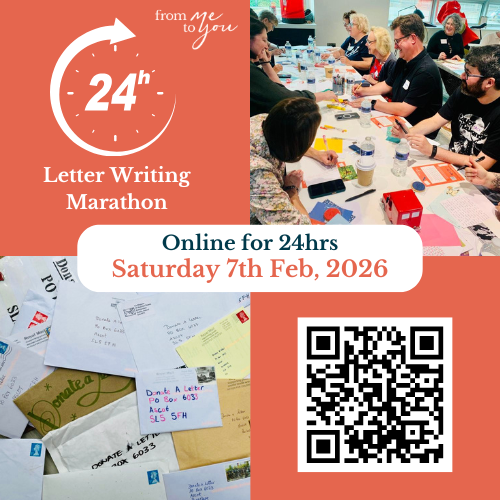
Coinciding with World Cancer Day 2026, the 24-hour Letter Writing Marathon, being held on 7th – 8th February will join together people from around the world to help keep people with cancer connected by writing and donating letters to its Donate A Letter programme.

By inspiring people to put pen to paper, From Me to You promotes the power of letters in creating connections and bringing comfort to friends, family or even complete strangers who are going through cancer. Last year the charity processed over 17,000 letters for cancer patients: brightening days across the UK and abroad.

Charity Manger, Harriet Marsh told That's Health: “Last year we hosted our first ever 24hr Letter Writing Marathon to mark World Cancer Day 2025 and it was a huge success, bringing writers together from 13 different countries and generating almost 1,000 letters to send to people facing cancer.

“This year we’d love it to be even bigger, so we’re inviting everyone – whether they are a regular writer, or complete novice, to get a free ticket and join us online to do something special for cancer patients who are feeling isolated. We’ll guide you through writing a letter during the event, so just bring a pen and paper and enjoy being part of something amazing”.

The free 24hr Letter Writing Marathon starts at 9am on Saturday 7th February until 9am on Sunday 8th February 2026; but people only need to join for one hour (or more if they like – one lady stayed on for the full 24hrs last year!). Writers can sign up for a free ticket for the 24hr Letter Writing Marathon here.

This year the charity is also hosting three in-person Letter Writing Workshops to support the online marathon. One at the IFS Cloud Cable Car experience in Greenwich, London, on Saturday 7th February (10am-4pm) – where for £10 people can get a ticket for a day of letter writing and travelling on the cable car for inspiration! Pre booking a ticket is essential. To get a ticket, visit https://buytickets.at/frommetoyou/2024904 or find the event on From Me to You’s website (on the workshops page).

The charity has two events at RHS Harlow Carr in Harrogate on Saturday 7th February to mark World Cancer Day and the 24hr Marathon too. One is 10am-12noon and the other is 1-3pm. Tickets are £10pp and include light refreshments, access to the gardens and a complimentary stationery box for everyone. Tickets are available by visiting From Me to You’s website www.frommetoyouletters.co.uk (on the workshops page) and clicking the event time you want to attend.

World Cancer Day highlights how people impacted by the disease are more than just a statistic; a message that is at the core of the work of From Me to You.

Anyone looking to donate or receive a letter can sign up at frommetoyouletters.co.uk.

Friday, 10 October 2025

October is Liver Cancer Awareness Month – Know the Signs, Save a Life

Every October, Liver Cancer Awareness Month shines a much-needed spotlight on one of the UK’s fastest-growing cancers. 

It’s a month dedicated to education, prevention, early detection, and supporting those affected by liver cancer.

While it doesn’t always get the same attention as other cancers, raising awareness can help save lives — because when caught early, liver cancer can often be treated far more effectively.

Understanding Liver Cancer

Liver cancer develops when abnormal cells grow uncontrollably within the liver. The most common type is hepatocellular carcinoma (HCC), usually linked to existing liver damage such as cirrhosis or hepatitis infections.

The liver performs hundreds of vital functions — from detoxifying the body to processing nutrients — so when it’s under threat, the consequences can be serious. Because it can regenerate, damage isn’t always obvious until the cancer is advanced, making early awareness and regular health checks essential.

Learn more:

British Liver Trust – Understanding Liver Cancer https://britishlivertrust.org.uk

The Rising Number of Cases

According to Cancer Research UK, liver cancer rates in the UK have more than tripled since the 1970s. Each year, around 6,100 people are diagnosed, and cases are expected to continue rising.

The worrying statistic is that most cases are diagnosed late, when treatment options are limited — but awareness and proactive health care can change that.

Major Risk Factors

Certain lifestyle and health factors increase the likelihood of developing liver cancer:

Chronic hepatitis B or C infections

Excessive alcohol intake

Non-alcoholic fatty liver disease (NAFLD), often linked to obesity or type 2 diabetes

Cirrhosis (from any cause)

Smoking

Family history of liver disease

The positive news is that many of these risk factors are preventable or manageable. Reducing alcohol consumption, maintaining a healthy weight, getting vaccinated against hepatitis B, and seeking treatment for hepatitis or liver disease can all make a significant difference.

NHS – How to Keep Your Liver Healthy https://www.nhs.uk/conditions/liver-cancer

Warning Signs to Watch Out For

Liver cancer is often called a “silent disease” because symptoms may not appear until it’s advanced. If you notice any of the following, book an appointment with your GP:

Persistent tiredness and weakness

Unexplained weight loss

Loss of appetite

Pain or swelling in the upper right side of the abdomen

Jaundice (yellowing of the skin or eyes)

Pale stools or dark urine

Nausea or vomiting

Early diagnosis gives the best chance of successful treatment. Don’t ignore changes in your health — getting checked could save your life.

NHS – Liver Cancer Symptoms and Treatment https://www.nhs.uk/conditions/liver-cancer

Supporting Liver Cancer Awareness Month

Throughout October, charities and organisations across the UK are working to raise awareness, fund research, and support those living with liver cancer.

Here’s how you can help:

Wear a green ribbon to show support.

Share awareness posts on social media using hashtags like #LiverCancerAwarenessMonth.

Take part in fundraising events organised by the British Liver Trust or Liver Cancer UK https://livercanceruk.org

Encourage family and friends to get regular check-ups if they’re at risk.

Final Thoughts

Liver cancer awareness isn’t just about statistics, it’s about real people, real families, and real lives that can be saved through knowledge and action. This October, let’s help spread the message: know the risks, know the signs, and protect your liver health.

If you’re concerned about your risk or symptoms, please speak to your GP or contact:

📞 British Liver Trust Helpline – 0800 652 7330

📞 Macmillan Cancer Support – 0808 808 00 00

People missing out on life-saving liver cancer checks, experts warn

New UK guidance published in Frontline Gastroenterology and being presented this week at the UK’s leading liver conference reveals a serious gap in care, with estimates suggesting only around one in five patients who are eligible for liver cancer surveillance attend regularly. 

Experts worry this could have major consequences for early detection and survival.

The paper, Hepatocellular Carcinoma Surveillance: Minimum Standards, sets out new national standards for how liver cancer surveillance should be delivered across the NHS. Despite clear recommendations for regular monitoring, it's estimated a significant number of patients at risk are not consistently taking part in surveillance programmes.

Most people who develop hepatocellular carcinoma (HCC), the most common type of primary liver cancer, already have liver disease. 

Cirrhosis is present in up to 90% of cases. The main causes include viral hepatitis, alcohol-related liver disease and, increasingly, metabolic dysfunction-associated steatotic liver disease (MASLD) linked to rising obesity rates in the UK.

Early detection through regular checks is vital. When liver cancer is found early, curative treatments such as surgery or ablation are often possible. However, the current low uptake means many people are still diagnosed at a later stage, when treatment options are limited and outcomes are poorer.

“Effective surveillance saves lives,” Professor Stuart McPherson, lead author of the guidance and consultant Hepatologist at Newcastle Hospitals told That's Health.

“But too many patients are missing out. These minimum standards are designed to make sure that everyone at risk is identified, followed up and supported to stay in the system.”

The guidance highlights several reasons why patients may not attend regularly. These include fear of a diagnosis, stigma, and difficulties understanding medical letters. Practical issues also play a role, such as challenges in accessing scans, the absence of recall systems, and the lack of a national liver cancer registry.

Vanessa Hebditch, Director of Policy, at Liver Cancer UK, part of the British Liver Trust, said: “Liver cancer is the fastest rising cause of cancer death in the UK. Finding people with an early stage of liver cancer is vital to ensure that they receive treatment as soon as possible.

“The fact patients may be missing out on regular surveillance is deeply concerning. We need to tackle patient and system barriers so that no one slips through the cracks.”

The new standards call for reliable systems to identify and recall at-risk patients, clear communication using plain language, timely access to follow-up scans and stronger coordination between NHS liver services.

The guidance has been discussed at the British Association for the Study of the Liver conference taking place in Belfast between 8th and 10th October, today.

“This is a call to action for liver services across the UK,” continues Professor McPherson. “Surveillance only works if people take part, and that means making it easier and more supportive for patients.”

The full guidance is available online in Frontline Gastroenterology: https://fg.bmj.com/content/16/e1/e34

https://britishlivertrust.org.uk

Wednesday, 27 August 2025

Great News! Commonly used bowel cancer test could be used to detect other serious diseases, finds a new study

A new study, led by experts at the University of Nottingham, has discovered people who test positive following a stool test for symptoms of bowel cancer, had double the risk of death after one year than people who had negative tests, and most of the deaths were due to other causes.

The data from the study, which is led by Professor David Humes in the School of Medicine and supported by the National Institute for Health and Care Research (NIHR), will now be used to look at whether this certain test could be used to test for other types of diseases, as well as bowel cancer.

Bowel cancer is the third most common cancer and second highest cause of cancer death in the UK.  This new study, published in the journal Lancet Primary Care, looked at FITs (faecal immunochemical tests). FITs are used by GPs to detect microscopic traces of blood in people’s poo who have symptoms of bowel cancer (colorectal cancer).

If the test is ‘negative’, then the risk of bowel cancer is very low and no further tests are needed.

“There has been a huge increase in the number of FITs being done each year but there are many other reasons why someone might have a 'positive' result,” Dr Francesca Malcolm, a Clinical Research Fellow in Colorectal Surgery and NIHR Doctoral Fellow in the School of Medicine at the University and lead author of the study told That's Health.

Research from bowel cancer screening has linked a 'positive' FIT with an increased risk of dying from diseases other than bowel cancer. No studies have looked at whether this is the case in patients having FIT for symptoms of bowel cancer.

“We have done the first study looking into the risk of death in patients who have had a ‘positive’ FIT with symptoms of bowel cancer,” adds Dr Malcolm.

The team used anonymous data which was collected from nearly 50,000 patients living in Nottingham between 2017 and 2022 who had a FIT due to symptoms of bowel cancer.

In the year following a FIT due to bowel cancer symptoms, 1,971 (4%) patients died.

“In our study, after one-year patients with a ‘positive’ FIT had double the risk of death compared to patients with a ‘negative’ test. Whilst this is a test for bowel cancer most of deaths were due to other causes.

“We hope to use these results to improve how FIT is used in future. The next step is to look at causes of death after a ‘positive’ FIT as this will help decide whether other diseases should be tested for after a 'positive' result.”

The full study can be found here https://www.thelancet.com/journals/lanprc/article/PIIS3050-5143(25)00007-X/fulltext

Monday, 19 May 2025

The Importance of World Blood Cancer Day: Uniting for a Cure

Every year on 28th May, people across the globe come together to mark World Blood Cancer Day — a time to raise awareness, honour those affected, and inspire collective action against one of the most challenging types of cancer. 

While often overshadowed by more widely known forms of cancer, blood cancer impacts millions of individuals and families worldwide. World Blood Cancer Day serves as a powerful reminder that awareness, research, and donor registration can save lives.

What is Blood Cancer?

Blood cancer is an umbrella term for cancers that affect the blood, bone marrow, or lymphatic system. The three main types are:

Leukaemia – cancer of the blood or bone marrow, most commonly affecting white blood cells.

Lymphoma – cancer that begins in the lymphatic system.

Myeloma – cancer of plasma cells in the bone marrow.

These cancers can develop quickly or slowly and can affect people of all ages, from children to older adults. Despite medical advancements, many types of blood cancer remain difficult to treat, particularly when diagnosed in later stages.

Why Awareness Matters

One of the most significant challenges with blood cancer is early detection. Symptoms such as fatigue, frequent infections, bruising, or unexplained weight loss can be easily overlooked or misdiagnosed. By raising public awareness, World Blood Cancer Day helps people recognise potential warning signs and seek medical attention sooner.

Awareness also plays a vital role in destigmatising blood cancer. It opens up conversations, encourages fundraising for research, and drives advocacy for better patient support and treatment access.

The Role of Stem Cell and Bone Marrow Donors

A crucial aspect of fighting blood cancer is the need for stem cell donors. For many patients, a stem cell or bone marrow transplant is their only chance of survival. Yet, finding a matching donor — especially for patients from minority ethnic backgrounds — can be incredibly difficult.

World Blood Cancer Day is an opportunity to encourage people to register as donors with organisations like Anthony Nolan, DKMS UK, and the NHS Blood and Transplant Service. Joining the donor registry is quick and painless, and it could mean giving someone the gift of life.

Standing in Solidarity

The symbol of World Blood Cancer Day is a red ampersand (&), representing connection, unity, and hope. It reminds us that we are all connected — patients, families, healthcare workers, researchers, and supporters. When we unite, we create a force strong enough to challenge the odds and bring us closer to a cure.

How You Can Get Involved

Even small actions can make a significant impact. Here are a few ways to support World Blood Cancer Day:

Wear red on 28th May and share your support on social media using the hashtag #WorldBloodCancerDay

Register as a stem cell donor

Donate to organisations supporting blood cancer research and patient care

Host a fundraiser at work, school, or in your community

Share stories of those affected to help raise awareness and reduce stigma

Final Thoughts

World Blood Cancer Day isn’t just about one day of recognition — it’s about driving long-term change. With more awareness, greater donor participation, and continued investment in research, we can improve outcomes for those diagnosed with blood cancer and, ultimately, find a cure.

On 28th May, let’s wear red, speak out, and stand together. Because no one should have to face blood cancer alone.

https://www.anthonynolan.org/

https://www.dkms.org.uk

Thursday, 9 November 2023

Inaugural Butterfly Breast Cancer Awards Celebrates Resilience and Strength

A Mother moved by inspiring life stories of women like her affected by breast cancer has devised a way to commend their courage and spirit.

Sarah Pickles organised the Butterfly Breast Cancer Awards to shine a light on the resilience of those diagnosed with the most common cancer for women and those who support them.

And the first edition was such a resounding success that she plans to do it all over again next year.

“I’m so grateful to everybody who helped make my dream a reality,” she said.

"I have carried the vision for these awards in my heart, and it was a magical moment watching it come to life.

“It was a night where the achievements and dedication of these extraordinary individuals took centre stage, leaving an indelible mark on the hearts of all who attended.”

Sarah, who lives near Middlewich, was diagnosed with triple-negative breast cancer in 2014 at the age of 32.

Her own journey through diagnosis, double mastectomy, and reconstruction allowed her to connect with individuals who had faced similar challenges.

From those conversations she conceived an idea that would become the Butterfly Breast Cancer Awards.

The inaugural ceremony took place at the spectacular Vale Royal Abbey in Whitegate, Northwich, and was hosted by Radio Northwich presenter Kim Smith.

A highlight was the presentation to finalists of a special gift - a butterfly in a box donated by Butterflies for Occasions.

This symbolic gesture represented hope and signified the journey these individuals had embarked on.

The intention is for each butterfly to be released at home as a powerful symbol of transformation and renewal.

Proceeds from the ceremony, which raised £6,000 on the night and will increase by a further £2,500 received for auction prizes, are to be channelled to Simply The Breast, a fundraising initiative Kim started following her own diagnosis with breast cancer and is dedicated to supporting the Mid-Cheshire Hospitals Charity.

Sarah went on to say: “This remarkable gathering was not just about recognition; it was also a fundraiser for a noble cause.

“The ceremony became a testament to the strength and beauty of the countless individuals fluttering like butterflies in the breast cancer community, each making a remarkable impact.”

The 2024 Butterfly Breast Cancer Awards are already in the works and are scheduled to take place on Friday, September 20, again at Vale Royal Abbey.

For more information about the event, ticket sales, and details on how to nominate someone, visit www.sarahepickles.uk

Award Winners and Finalists 2023:

Inspirational Empowerment Award

sponsored by Centre of Excellence

Winner: Julie Grabham

Finalists:

Rebecca Hartley

Estelle Maher

Rebecca Morgan-Brennan

Kristen Hallenga

Innovation Award

sponsored by MGC Aerospace

Winner: Heather Glover (Skarlette)

Finalists:

Hollie McFarlane

Dr Michelle Harvie

Charlotte Wood

Charity Impact Award

sponsored by Aqueous Digital

Winner: Emma Osborne, The Osborne Trust

Finalists:

St Luke’s Hospice

Shine Bright Foundation

CoppaFeel!

Charity Impact Team Award

sponsored by Eaton Homes and Enigma Healthcare

Winner: Prevent Breast Cancer

Finalist: Macmillan Breast Care Team

Transformed Life Award

sponsored by Enigma Healthcare

Winner: Emma Guy

Finalists:

Julie Bright

Marie Cadman

Community Volunteer Award

sponsored by Eaton Homes

Winner: Amanda Johnson

Finalists:

Lily Newman

Sylvia Armstrong

Judges’ Choice

sponsored by Cheshire Life

Winner: Sarah Pickles

Patron Award

sponsored by Sarah E Pickles

Winner: Sue France

Inspirational Community Breast Cancer Champion

sponsored by Layers Treats

Winner: Kim Smith

Other sponsors included: Jacqui O Wedding and Event flowers, Reflect Clinic, Love the Dentist, Get It Off Your Chest: The Funny Side of Breast Cancer podcast, Write Blend, AJ & Friends, Radio Northwich, HIA Design, Qube Luxe, Desired Occasions, Butterflies for Occasions and Universal Live

Tuesday, 24 October 2023

The Hills are Alive to the sound of charity fund-raising

On an inclement day in late September, the community came together for a remarkable event in support of the Axminster and Lyme Cancer Support (ALCS) charity. The charity organised a challenging sponsored walk that took participants through some of Dorset's most scenic landscapes, including Colmers Hill, Hell Lane, Hardown Hill, and Golden Cap.

A total of fourteen dedicated individuals, including five participants from the prominent solicitors, Scott Row, completed the walk, showcasing their commitment to making a difference in the lives of those affected by cancer in the Axminster and Lyme area by raising £ 2,512.78.

Axminster and Lyme Cancer Support is a local charity dedicated to providing invaluable assistance and support to individuals and families affected by cancer. Their mission is to improve the lives of cancer patients by offering practical help, emotional support, and a strong sense of community.

The Sponsored Walk: A Journey Through Dorset's Beauty

The sponsored walk event took participants on a trulymemorable journey through Dorset's breath-taking countryside, offering stunning views throughout the day and especially on the summits of the three hills: Colmers Hill, Hardown Hill, and Golden Cap. Participants embraced the challenge, with each step they took symbolising their unwavering commitment to supporting those battling or affected by cancer.

Community Spirit and Corporate Support

The event was made even more remarkable by the participation of five individuals from Scott Row, a reputable solicitors firm known for their commitment to community involvement. Their involvement highlights the importance of local businesses coming together to make a positive impact on the community they serve. Axminster and Lyme Cancer Support is their Charity of the Year.

A Message of Gratitude

Mary Kahn, who is the MD of Axminster and Lyme Cancer Support said: “I'd like to express our heartfelt gratitude to all the participants, sponsors, and volunteers who made this event possible. Every step taken during the walk represents a step towards improving the lives of cancer patients and their families”.

Get Involved

If you would like to join the effort to support those affected by any cancer, in the Axminster and Lyme area, consider donating to Axminster and Lyme Cancer Support or volunteering your time to make a difference.

For more information about the charity, to donate and how you can get involved, please visit www.axminsterandlymecancersupport.co.uk.

Sunday, 1 October 2023

New research can help policymakers prioritise funding needs and allocate resource for cancer

Results from the largest ever review of clinical trials in cancer screening, prevention, and early detection (SPED) have been published.

The review, published in BMC Cancer and funded by the National Cancer Research Institute, discovered 61% of all SPED trials focused on just three cancer types, colorectal, breast, and cervical cancer. This compares with 6.4% in lung cancer and 1.8% in liver cancer, which are responsible for 26.3% of global cancer deaths compared with 19.3% for colorectal, breast, and cervical cancer.

Researchers identified areas of unmet needs worldwide to highlight where more research and funding is required. 

88% of all SPED trials were conducted in North America, Europe, or Asia, with a lack of trials conducted in Africa and South America and a very low number of trials per head of population in Asia.

Results also highlighted that significant disparities exist between the proportion of SPED trials for certain cancer types and their global burden of disease. EG, colorectal cancer accounted for 32.9% of all SPED trials and 9.4% of global cancer deaths, whilst gastric cancers accounted for 1.5% of SPED trials and 7.7% of global cancer deaths.

This study, led by researchers at the universities of Nottingham and Manchester, involved researchers from seven different universities across England and Scotland.

Said Dr Emma O’Dowd, who is Consultant Respiratory Physician and Associate Professor at the University of Nottingham: “Cancer is the most common cause of death and disability in the UK and the second most common cause worldwide. Global annual cancer incidence is forecast to rise to 27.5 million by 2040, a 62% increase from 2018. For most cancers, prevention and early detection are the most effective ways of reducing mortality.

“We looked at all trials published between 2007 and 2020 covering cancer screening, prevention, and early diagnosis to map what research had been done by cancer type, trial focus and geographical area, and to highlight research gaps.

“Over 117,000 papers were identified, and 2888 trials were included. There were disparities in terms of geographical location, type of research conducted and a clear focus on a small number of cancer types. We hope that this important piece of work can be used to guide and prioritise future trial funding.”

Dr Samuel Merriel, GP and NIHR Academic Clinical Lecturer at the University of Manchester, went on to add: “There are finite resources governments can allocate for cancer healthcare and a limited amount of money available for cancer research. Until now there's not been a detailed summary of all the studies of cancer prevention, cancer screening, and earlier detection of cancer.

“We hope these findings and the database of studies we generated can be used by policymakers, healthcare commissioners, and cancer research funders to address the disparities in cancer screening, prevention, and early diagnosis trials.”

Dr Elizabeth Roundhill, who is Research Fellow in the School of Medicine, University of Leeds, commented: “Our research revealed even though lung and liver cancers together cause more than a quarter of cancer deaths worldwide, they are less likely to be examined in screening, prevention and early diagnosis (SPED) trials. We also found a distinct lack of trials in cancers common in children and young people including sarcomas, blood cancers and brain tumours.

“Importantly, only 12% of SPED cancer trials took place in the Global South, meaning that the benefits of implementing SPED interventions in some of the world’s most populous regions remain unknown. With almost half of all cancers in the UK having a potentially preventable cause, this work calls for a greater focus on SPED research, including in the UK. We hope that these findings will encourage funders, policy makers and researchers to target resources towards addressing these major health inequalities in the future.”

For further information, the full report can be found here https://bmccancer.biomedcentral.com/articles/10.1186/s12885-023-11300-8

(Image courtesy by Ernesto Eslava from Pixabay)

Monday, 21 August 2023

Morrisons joins with NHS to put important cancer awareness messaging on underwear labels

Morrisons and the NHS have joined together in a very worthwhile scheme to publish advice on underwear labels urging people to contact their GP practice if they spot potential symptoms of breast or testicular cancer.

The Nutmeg branded underwear featuring NHS advice will be in 240 Morrisons stores nationwide, initially in boxer shorts and followed by crop top bras over the coming months. 

The NHS guidance will be displayed on the fabric labels alongside standard sizing and care information. 

There'll also be a QR code on the packaging and tags linking customers through to more detailed information on breast and testicular cancer on the dedicated NHS website.

Morrisons is proud to be the first UK supermarket to roll-out the new labels and the first-of-its-kind partnership for the NHS is the latest move in an important and significant drive to ensure people are made more aware of the signs and symptoms of cancers.

If people notice symptoms that could be cancerous, they are advised to initially contact their GP and come forward for checks as soon as they can, so they can get the all-clear, or in some cases, an earlier cancer diagnosis to give them the best chance of surviving the disease.  

Symptoms of breast cancer can include a lump or change in the look, shape or feel of one or both breasts, while symptoms of testicular cancer can include painless swellings or a lump in one of their testicles or any change in shape or texture of the testicles.

National figures indicate show 91% of women survive for at least five years if diagnosed at an early stage of breast cancer, where the tumour is small (stage one), whereas this reduces to 39% where the cancer has spread to other parts of the body (stage four).

While nearly all men survive testicular cancer, if the cancer has spread, survival for five years or more can be reduced to 65%.

NHS England’s National Director for Cancer, Dame Cally Palmer, said: “This is the first time the whole of the NHS has worked with a nationwide supermarket brand to put health messaging on clothing, with the aim of encouraging thousands more people to be body aware, so they can spot new or unexplained changes that might be cancer symptoms early, and contact their GP practice for checks if they're concerned.

“Cancer survival is at an all-time high, survival for both breast and testicular cancers have improved significantly over the last 50 years and we’re seeing more people than ever being diagnosed at an earlier stage. This partnership with Morrisons is just one of the many ways we're working to ensure people are aware of potential cancer symptoms.

“I'd like to urge everyone to be aware of their own bodies, please look out for lumps and bumps or anything else that's unusual for you. Get checked out early, it could save your life.”

David Scott, who is the Corporate Affairs Director at Morrisons, said: “We're obviously very proud to be leading the way in offering NHS England a brandnew route to reach customers with important messages about body awareness and the symptoms of breast and testicular cancer.

“The new care labels on our crop top bras and boxers urge people to get to know their bodies so they can more easily notice changes and to contact their GP practice sooner if something doesn’t feel right. In the majority of cases, it won’t be cancer, but where it is cancer, diagnosing it early means treatments are more likely to be successful and can ultimately save lives.”

The launch of the Nutmeg range is being modelled and supported by Natalie Robinson, who recently underwent surgery for breast cancer and Edward Solly who received treatment for testicular cancer. 

Natalie Robinson, 35, from Essex, said: “As someone who's going through cancer, I’m passionate about raising awareness of the signs and symptoms of breast cancer and supporting this amazing partnership from the NHS and Morrisons seemed like the perfect opportunity. The labels carry such a vital message and I want to help encourage as many people as possible to contact their GP practice if they see any unusual changes to their breasts, it could save their life!”

Edward Solly, 35, from Kent, said: “What a brilliant initiative by NHS and Morrisons. It's simple, yet effective. Boxers that aren’t just comfy and great looking, but also highlight a really important health message to ensure we're all checking our bodies. As a cancer survivor myself, I know a daily reminder to be body aware really could save your life … who knew a pair of undies could hold so much power? Getting diagnosed early really can make all the difference, so remember, if something in your body doesn’t feel right, contact your GP.”

Morrisons has also made a £10,000 donation to NHS Charities Together and have committed to transferring over £2 million from its apprenticeship levy to Yorkshire Ambulance Service to help train around 200 paramedics, regionally.

More people than ever are being seen and treated by the NHS for cancer, in the last year alonne the number of people receiving lifesaving checks for cancer hit nearly three million (2.92m) more than any other year on record.

Thanks to extensive NHS campaigns and early diagnosis initiatives, a higher proportion of cancers than ever were diagnosed at an early stage in the year 2022-2023 – 58% of cancers diagnosed at stage one or two compared to 56% before the pandemic.

The NHS is harnessing the very latest technology and initiatives such as community lung health checks and trials of a blood test that can detect up to 50 cancers before symptoms appear, to diagnose cancer earlier and achieve its goal of diagnosing three quarters of all cancers at stage one or two by 2028.

The NHS is also accelerating the use of innovations like teledermatology for diagnosing skin cancer, which is already seeing some areas double the number of patients seen and speeding up diagnosis and treatment for tens of thousands with skin cancer.     

To find your nearest Nutmeg concession please visit, https://my.morrisons.com/storefinder.

Wednesday, 18 April 2012

465 miles into our 1,000 mile Prostate Cancer ‘Love Train’ JOGLE Walk. Two still going strong. One retired with chronic foot blisters. Urgently need media support

Walking though the pain.
Walking though the pain
No snow in Aviemore
No snow in Aviemore
It
It's a long way from here!
Crossing the border in snow

It’s the punishing schedule that’s causing most of the problems. Averaging 18 miles per day with only occasional rest days, Nigel Lewis-Baker, our terminally diagnosed walking miracle and Charlie Carr are exhausted at the end of each day with little energy or time left for fundraising or twitter and awareness activities.

That’s why they desperately need help. People who can give up a couple of hours in each town collecting donations and distributing leaflets before they arrive and after they've gone – all to give men a better chance of beating prostate cancer.

They need the media to help them out too, with interviews and local press reports as they travel down through the country.

"We are doing our best to stir up interest but often journalists want a local human interest story to get involved," explained a spokesman.

"In Scotland, Alan walked on through his pain for far too long and was in serious trouble with deep blisters and a bad toe infection. His injuries will take some time to heal so for the moment he is a vital addition too the support team.

"600 miles to go and arriving in Ripon, they are entering areas where we are hoping for more support. Please help them in any way you can even if it’s just a message of support on our facebook or twitter pages.

"We’ve added donating by text. Just text UGXF50 and the amount to 70070."

Tuesday, 17 April 2012

How to cut bowel cancer deaths by 60%: Bowel Cancer UK

The Government could cut deaths from bowel cancer by 60% by 2025 if it followed the recommendations in a new report launched today by Bowel Cancer UK. Bowel Cancer UK's ambition is also for an additional 2,500 people with bowel cancer per year living for at least five years after diagnosis by 2025. The report also reveals that more than one in five patients weren’t treated with respect and dignity by doctors and nurses .

Bowel cancer is the UK’s second biggest cancer killer, and the overall five-year survival rate of those diagnosed is just over 50% 2. In its report, 2025 Challenge: Saving and Improving Lives, Bowel Cancer UK calls on the Government to examine its targets in reducing mortality, improving patient experience and increasing survival to dramatically improve outcomes in all three areas by 2025.

The report reveals that:
Deaths from bowel cancer could be cut by 60% by 2025 – from 18 in 100,000 to 7 in 100,000 – if realistic goals were followed.
Almost one in four patients do not understand doctors’ explanations about their disease, and one in five say that they are not treated with dignity and respect 3.
20% of patients say they have received conflicting information about their condition 4.
Currently, the survival rate of patients with bowel cancer is just over 50%.

Bowel Cancer UK’s ambition is to increase the proportion of people with bowel cancer diagnosed at an early stage, and improve the survival rate of people diagnosed with advanced disease. Achieving these goals would save an additional 2,500 more lives per year by 2025.

Bowel Cancer UK is calling on the Government to improve all three aspects of cancer care by:
Encouraging greater uptake of screening to ensure earlier diagnosis. Uptake is only just over 50% at the moment 5.
Improving diagnostic capacity and reducing waiting times to cope with growing demand.
Detecting and diagnosing bowel cancer at an earlier stage. Currently only 9% of patients in the UK are detected at the very earliest stage of the disease 6.
Ensuring access to and support in decision making about the best treatments for advanced cancer regardless of where they live.
Making sure patients receive the best care by ensuring that hospital, community and social care services are joined up.
Improving the quality and consistency of written information given to patients with bowel cancer – currently one in three patients receive no written information.

Deborah Alsina, CEO, Bowel Cancer UK said: “We want to dramatically improve outcomes for people affected by bowel cancer, minimising the disease’s impact and helping people lead longer, healthier and happier lives.”

“We have a duty to save more lives and the proposals outlined in this report should be the Government’s absolute minimum goal.

“We look forward to working with the government, NHS and other charities to help save more lives from the UK’s second biggest cancer killer.”