Showing posts with label research. Show all posts

Wednesday, 25 February 2026

Gipsy Hill family’s fundraising in memory of kind-hearted 18 year old helps fund vital new leukaemia research

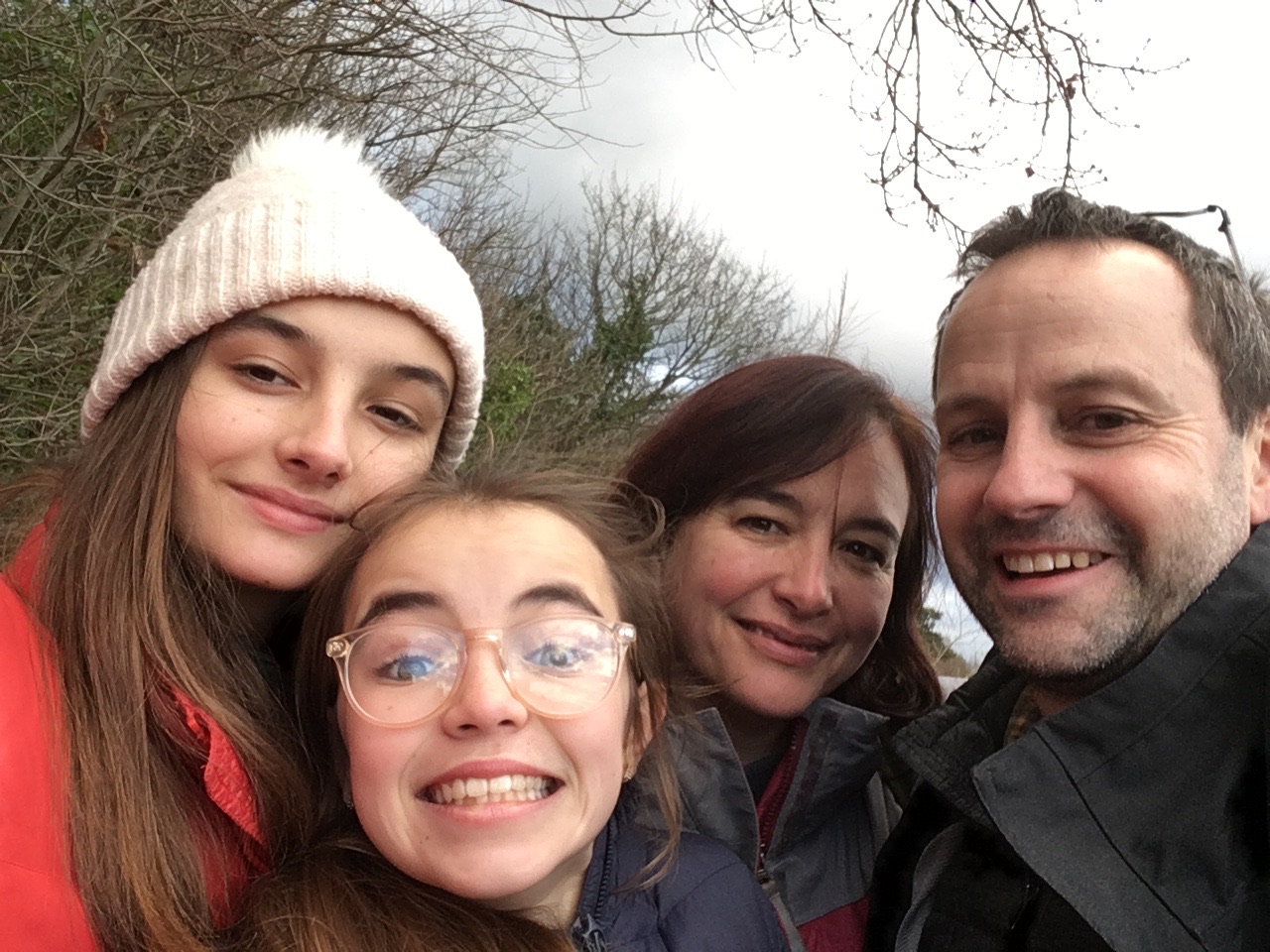
A Gipsy Hill, London, family’s fundraising in memory of their teenage daughter has helped fund a major new research project into children’s blood cancer.

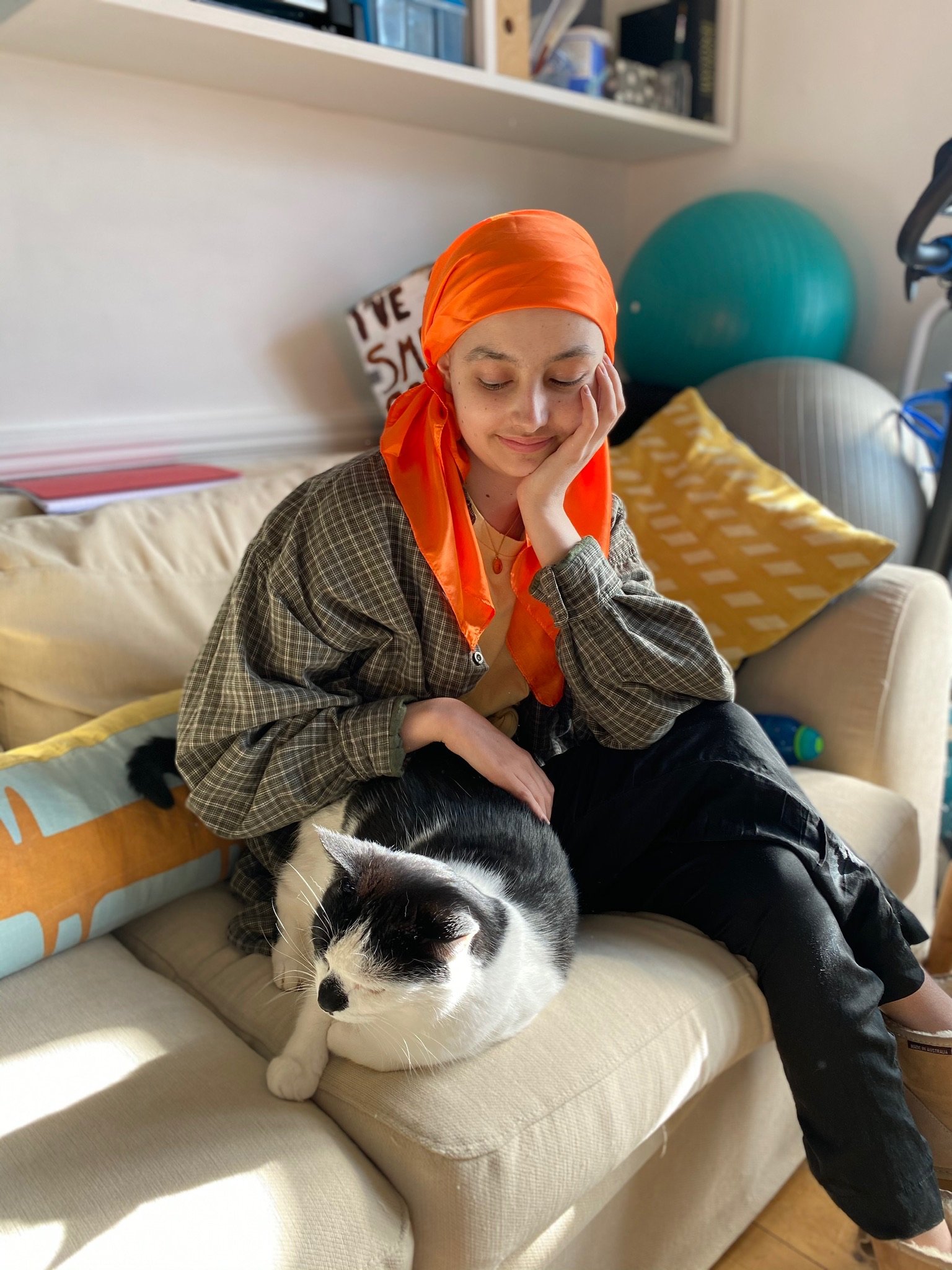
Ruby Fuller, 18, died during the COVID 19 lockdown in May 2020, just under a year after she was diagnosed with a rare type of lymphoma. 

During that time, she spent over 200 nights in hospital and endured incredibly intensive treatments. However, they weren't enough to save her when the cancer transformed into leukaemia.

After Ruby died, her parents, Emma Jones and Dylan Fuller, were told how few treatment options exist for patients when T cell blood cancers relapse.

This prompted them to launch a Special Named Fund at CCLG: The Children & Young People’s Cancer Association called Ruby’s ‘Live Kindly, Live Loudly’ Fund to fundraise for research into childhood leukaemia and lymphoma.

Emma told That's Health: “Hearing there simply aren’t effective treatments yet made it very clear to us that if anything is going to change, it has to start with research.

“Setting up Ruby’s fund felt like a way to turn our heartbreak into something hopeful, something that could improve outcomes for other young people in the future.”

The fund has since raised over £290,000 and contributed to a new research project exploring better treatments for childhood leukaemia.

Emma feels the new project embodies Ruby’s motto of ‘live kindly, live loudly.’ She said: “This project is about kindness, developing safer, less brutal treatments, and it’s loud because it challenges the status quo and pushes for change where it’s badly needed.

“Supporting bold, innovative research like this feels exactly the kind of legacy Ruby would have wanted.”
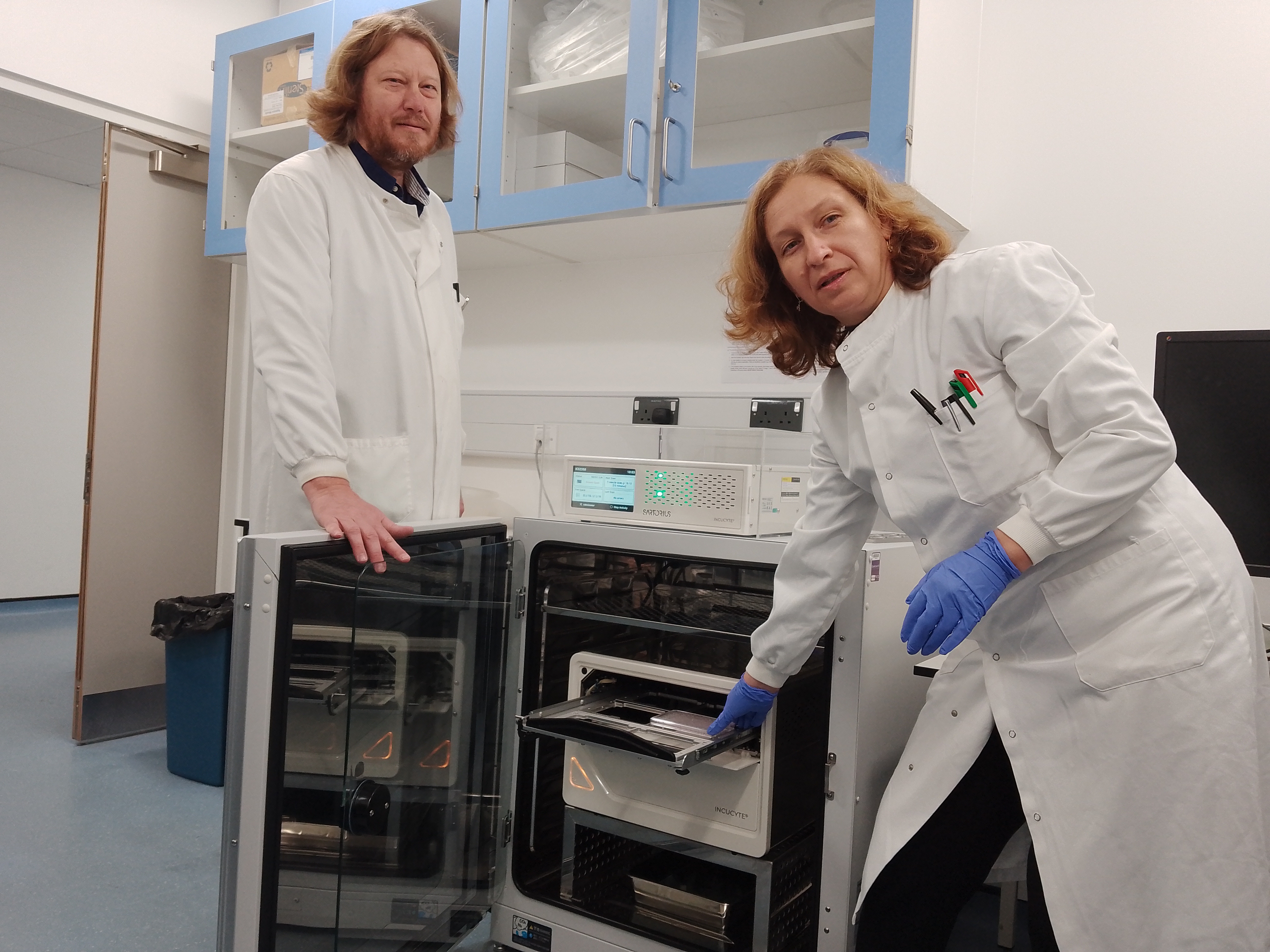
The project, funded through a collaboration between CCLG and Children with Cancer UK, is led by Dr Maarten Hoogenkamp and Dr Vesna Stanulovic at the University of Birmingham.

Dr Stanulovic said: “We are making a new drug that will interfere with the metabolism of leukaemia cells – basically, it will kill cancer without affecting the rest of the body.”

The new drug aims to treat T cell blood cancer both at diagnosis and after relapse. While it's excellent at fighting leukaemia in the lab, the drug currently breaks apart too easily in the body. 

With this funding, the researchers hope to refine their drug to ensure it can survive long enough to effectively fight the cancer cells.

Dr Stanulovic added: “By only targeting the cancer cells with this treatment, we hope to prevent the huge toxicities that are normally seen in leukaemia treatment. 

"Our drug should be very friendly for patients and not require any further hospitalisation.”

Because of the expected lack of side effects, the researchers hope that their treatment could eventually be taken at home as a tablet.

Emma said that funding the project “means everything” to her family. And, despite Ruby’s ‘Live Kindly, Live Loudly’ Fund now having supported five research projects in total, she has no plans to stop fundraising.

This year’s plans include a London Tube Challenge, visiting all 272 tube stations in London as quickly as possible, and an auction to commemorate what would have been Ruby’s 25th birthday in October.
Vicki Brunt, Head of Fundraising at CCLG, said: “Ruby’s family and supporters have achieved an extraordinary amount in such a short time, and we are incredibly grateful for everything they’ve done.

“Their dedication is enabling vital work that could lead to kinder, more effective treatments for young people diagnosed with blood cancer.”

Gavin Maggs, Chief Executive of Children with Cancer UK, said: “Working together with CCLG allows us to achieve more for children and families affected by cancer.

“Between us, we can fund research that pushes boundaries and brings us closer to safer, more effective treatments, maximising impact and accelerating progress. Co-funding like this has to be the way forward, for our donors, for the academics, and most importantly, for the children.”

If you would like to donate a prize for the Ruby’s ‘Live Kindly, Live Loudly’ Fund auction, please contact emmacjones1000@gmail.com or, to support the fund, please visit specialnamedfunds.cclg.org.uk/rubys-live-kindly-live-loudly-fund

Sunday, 1 October 2023

New research can help policymakers prioritise funding needs and allocate resource for cancer

Results from the largest ever review of clinical trials in cancer screening, prevention, and early detection (SPED) have been published.

The review, published in BMC Cancer and funded by the National Cancer Research Institute, discovered 61% of all SPED trials focused on just three cancer types, colorectal, breast, and cervical cancer. This compares with 6.4% in lung cancer and 1.8% in liver cancer, which are responsible for 26.3% of global cancer deaths compared with 19.3% for colorectal, breast, and cervical cancer.

Researchers identified areas of unmet needs worldwide to highlight where more research and funding is required. 

88% of all SPED trials were conducted in North America, Europe, or Asia, with a lack of trials conducted in Africa and South America and a very low number of trials per head of population in Asia.

Results also highlighted that significant disparities exist between the proportion of SPED trials for certain cancer types and their global burden of disease. EG, colorectal cancer accounted for 32.9% of all SPED trials and 9.4% of global cancer deaths, whilst gastric cancers accounted for 1.5% of SPED trials and 7.7% of global cancer deaths.

This study, led by researchers at the universities of Nottingham and Manchester, involved researchers from seven different universities across England and Scotland.

Said Dr Emma O’Dowd, who is Consultant Respiratory Physician and Associate Professor at the University of Nottingham: “Cancer is the most common cause of death and disability in the UK and the second most common cause worldwide. Global annual cancer incidence is forecast to rise to 27.5 million by 2040, a 62% increase from 2018. For most cancers, prevention and early detection are the most effective ways of reducing mortality.

“We looked at all trials published between 2007 and 2020 covering cancer screening, prevention, and early diagnosis to map what research had been done by cancer type, trial focus and geographical area, and to highlight research gaps.

“Over 117,000 papers were identified, and 2888 trials were included. There were disparities in terms of geographical location, type of research conducted and a clear focus on a small number of cancer types. We hope that this important piece of work can be used to guide and prioritise future trial funding.”

Dr Samuel Merriel, GP and NIHR Academic Clinical Lecturer at the University of Manchester, went on to add: “There are finite resources governments can allocate for cancer healthcare and a limited amount of money available for cancer research. Until now there's not been a detailed summary of all the studies of cancer prevention, cancer screening, and earlier detection of cancer.

“We hope these findings and the database of studies we generated can be used by policymakers, healthcare commissioners, and cancer research funders to address the disparities in cancer screening, prevention, and early diagnosis trials.”

Dr Elizabeth Roundhill, who is Research Fellow in the School of Medicine, University of Leeds, commented: “Our research revealed even though lung and liver cancers together cause more than a quarter of cancer deaths worldwide, they are less likely to be examined in screening, prevention and early diagnosis (SPED) trials. We also found a distinct lack of trials in cancers common in children and young people including sarcomas, blood cancers and brain tumours.

“Importantly, only 12% of SPED cancer trials took place in the Global South, meaning that the benefits of implementing SPED interventions in some of the world’s most populous regions remain unknown. With almost half of all cancers in the UK having a potentially preventable cause, this work calls for a greater focus on SPED research, including in the UK. We hope that these findings will encourage funders, policy makers and researchers to target resources towards addressing these major health inequalities in the future.”

For further information, the full report can be found here https://bmccancer.biomedcentral.com/articles/10.1186/s12885-023-11300-8

(Image courtesy by Ernesto Eslava from Pixabay)

Sunday, 4 March 2012

Age Affects Risk Of Being Diagnosed With Cancer At Advanced Stage

Older women with breast cancer face a higher risk of being diagnosed with the disease at a late stage, while the risk of an advanced stage diagnosis of lung cancer decreases with age, a new study shows.

Researchers from the University of Cambridge and the Eastern Cancer Registration and Information Centre (ECRIC) said the study showed that efforts to diagnose cancer early need to be better tailored to different age groups.

The study, published in the British Journal of Cancer, used ECRIC data on stage - a measure of how advanced the cancer is when diagnosed.

The research aimed to find whether there was a link between age or socio-economic background and being diagnosed with advanced stage cancer.

Researchers looked at around 17,800 women with breast cancer and over 13,200 patients with lung cancer in the east of England who were diagnosed between 2006 and 2009.

They found that compared to women aged 65-69, women aged 70-74 had a 21 per cent increased chance of a late stage breast cancer diagnosis.

The chance of an advanced breast cancer diagnosis became higher as women got older - even accounting for the effect of screening. For example, it was 46 per cent higher in women aged 75-79.

In contrast, it was less likely that older patients would be diagnosed with advanced stage lung cancer than younger patients.

Compared with people aged 65-69, people aged 70-74 were 18 per cent less likely of be diagnosed with late stage lung cancer and this chance decreased further with age - for people aged 75-79 it was 26 per cent lower.

For breast cancer, the study also found that late stage diagnosis was more common in women from deprived backgrounds. For lung cancer, late stage diagnosis was more common in men.

Dr Georgios Lyratzopoulos, study author based at the University of Cambridge, said: "Patient awareness of the signs of breast cancer is known to be lower among older women and this may explain why breast cancer is diagnosed later among this age group.

"But it is puzzling why older patients have a lower risk of advanced stage lung cancer. More research is needed to better understand this pattern."

The researchers added that the strong likelihood of older women being diagnosed with late stage breast cancer was worrying given that the risk of the disease increases with age.

Dr David Greenberg, study author based at ECRIC, said: "Collecting staging data has proved difficult in the past but this data is vital to understanding how to improve the diagnosis of cancer. ECRIC has the most complete information on stage. A modernisation programme for cancer registries aims to improve the collection of such information nationwide by end of 2012."

Sara Hiom, director of information at Cancer Research UK, said: "If cancer is caught early, patients usually have a better chance of beating the disease as more effective treatment options are available.

"We have made great progress in improving cancer survival rates in the last 40 years, but there is still more work to be done to help more people survive cancer.

"Collecting information on stage at diagnosis is vital to do this and we must think how to target messages appropriately to the right audiences.

"Cancer Research UK works to raise symptom awareness, and encourage and enable people to go visit their doctor as soon as their notice anything unusual for their bodies."

Tuesday, 16 August 2011

npower employee bikes it to back Macmillan Cancer Support

Npower employee Steven Jones and his friend Rob Smart, both 26 years old and from Stourbridge, Worcestershire, have eschewed the idea of a local bike ride for charity; instead, they have entered the London to Paris bike ride in aid of Macmillan Cancer Support. They will be covering 300 miles - or 470km - in just four days, starting from St Pancras station on August 17 and finishing up at the foot of the Eiffel Tower on August 20.

Steve, who works for npower and Rob, who works for Structural Design Partnership Ltd, have been friends since before they could walk, let alone ride a bike. They both attended Greenfield Primary School and then Redhill Secondary; both have done some road cycling in the past, but nothing on the scale of their forthcoming challenge. Steve is a keen downhill mountain biker, and Rob a regular cross country cyclist but London to Paris, a long distance road challenge, is completely different. Both friends have been in training for some time and can now cope with cycling around 150 miles a week.

They aim to raise at least £1,400 each for Macmillan. Steve explained: "This year is Macmillan's Centenary and, speaking with friends and family, everyone has a story to tell of how Macmillan has helped someone they know. Macmillan wouldn’t be able to do the great work that they do without regular financial support - we were looking for a challenge, Macmillan is an incredibly worthy cause; it seemed like an excellent match."

Up until now, they have been riding their off-road bikes but, following a practice ride on the MacRide Elgar, when they borrowed road bikes and found the whole experience faster, easier and more comfortable they are looking to buy road bikes in time for the event.

As an extra incentive, npower, has promised to match Steve’s fundraising, up to £1,000. The fundraising is on track and anyone who is willing to sponsor the dynamic duo should go to www.justgiving.com/teams/london2paris.