Friday, 30 January 2026

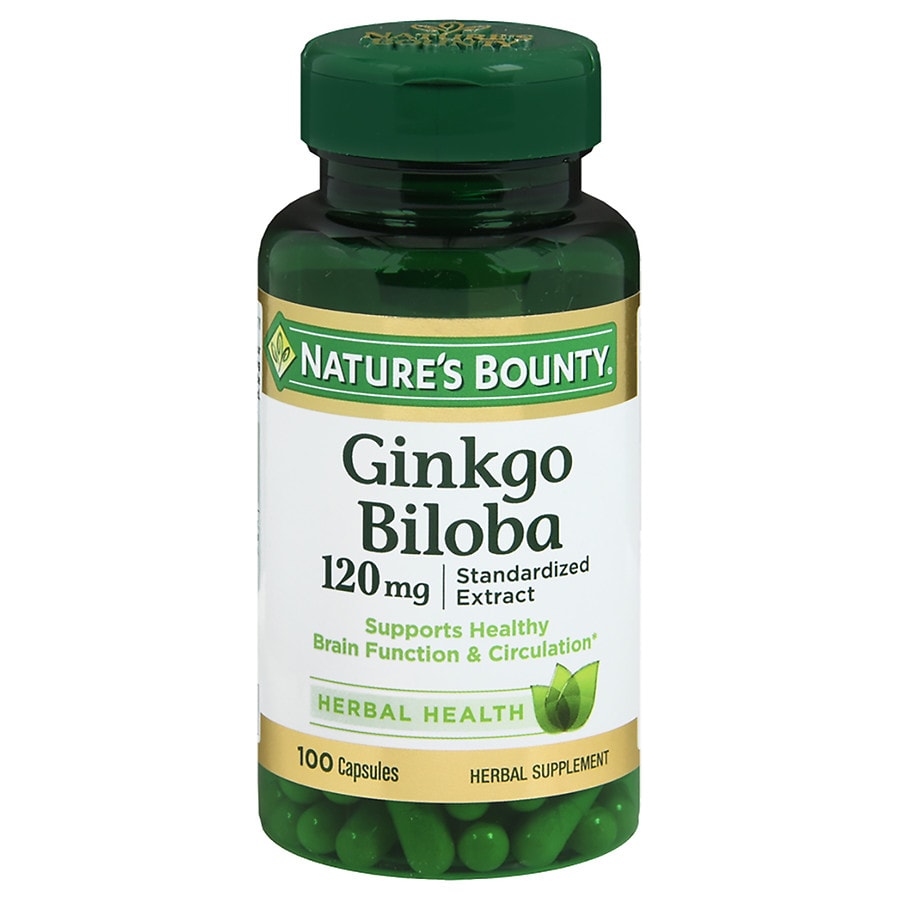
The Importance of Ginkgo Biloba as a Supplement

Ginkgo biloba is one of the oldest tree species in the world and has been used in traditional medicine for centuries. 

Today, it remains a popular supplement, particularly for those interested in brain health, circulation, and healthy ageing.

Brain and Cognitive Support

Ginkgo biloba is most commonly associated with supporting memory, focus, and mental clarity. 

It is believed to work by improving blood flow to the brain, helping deliver oxygen and nutrients that are essential for healthy cognitive function.

Circulation and Antioxidant Benefits

By supporting healthy blood circulation, ginkgo biloba may help with overall vitality and wellbeing. Its antioxidant compounds also help protect cells from oxidative stress, which is linked to ageing and long-term health issues.

Easy to Take, Widely Available

In the UK, ginkgo biloba is available in capsules, tablets, and liquid extracts. It is usually taken daily, with benefits often becoming noticeable after several weeks of consistent use.

Safety Considerations

Ginkgo biloba is generally well tolerated, but it may interact with blood-thinning medications and should be avoided before surgery. Anyone with medical conditions or who is taking medication should speak to a GP or pharmacist before use.

In Summary

Ginkgo biloba is a well-established supplement that may support brain health, circulation, and antioxidant protection. While not a cure-all, it can be a useful addition to a healthy lifestyle when taken responsibly.

Wednesday, 28 January 2026

From Walls to Bloodstream: Are Decaying Conventional Paints a Source of Your Body's Microplastic Load? Free DIY Microplastics Audit Now Available

As the global scientific community raises the alarm over microplastics detected in human blood, lungs, and placentas, their attention is turning to another "hidden culprit" inside our homes: decaying conventional paints.

For decades, we've  coated our living and work spaces in "liquid plastics", acrylic and vinyl resins. Today, a landmark UK-funded documentary reveals the scale of the microplastic crisis, featuring Paint Zero®, a new bio-mineral coating to break the cycle of indoor plastic inhalation.

1. The "Triple Zero" Standard: A New Baseline for Health

Conventional paints rely on 20th-century "plastic film" technology, one that eventually becomes brittle and sheds for a variety of reasons. Paint Zero has skipped a generation of chemistry to offer one of the first indoor decorating paints to achieve a Triple Zero profile:

• Zero Microplastics: No synthetic polymer binders to decay into microplastic particles.

• Zero VOCs: Truly odour-free with no chemical outgassing.

• Zero Toxic Biocides: Natural mineral preservation instead of synthetic poisons.

By replacing petrochemical resins with a patented plant-protein and mineral-bound matrix, Paint Zero doesn't just beautify your walls, it hardens into a breathable stone-like coating by absorbing 12 grams of Carbon Dioxide every square meter.

2. Featured in the Official UKRI ‘Future Makers’ Film

Paint Zero’s ‘Triple Zero’ announcement coincides with the premiere of the UK-funded ‘Future Makers’ documentary on 21st January. The film features Paint Zero as a key alternative to conventional plastic paints, highlighting how the global paint industry is facing customer and regulatory pressures for change.

“Our mission was to create a paint that honours the health of the building and its occupants,” Ross Harling of Paint Zero told That's Health.

“By using minerals from the Earth's crust and plant extracts from the Farmer's field, we’ve created a coating that's vapor-permeable and entirely free of the plastics that eventually decay into tiny particles, impacting all of us. Paint Zero is, quite simply, nature on your walls.”

Paint Zero represents a "sea-change" for the paint world, cleaner, lighter, and fundamentally safer for human health- from raw materials to shipping, usage and disposal.

3. Launching the DIY "Hidden Culprit" Check

If you are concerned that the near-invisible shedding of aged paint polymers is already happening in your home or school, you can now take action.

Available today from www.paintzero.com, Paint Zero has launched the DIY Microplastics Audit. These simple screening tools allow families to quickly assess if the plastic paints on their walls have reached their decay point and may be shedding micro-fragments into the air. This audit is the first step in reclaiming a healthy, plastic-free environment for the next generation.

Paint Zero is based in Frome, Somerset and is the pioneer of 100% microplastic-free bio-technology coatings. Packaged as lightweight powders to be mixed with tap water, Paint Zero reduces transport emissions and eliminates throwaway containers through the use of bio-compostable pouches.

DSM Foundation responds to the updated review of ketamine use and harms from the government’s Advisory Council on the Misuse of Drugs

Recent significant rises in the use of ketamine by young people, and in the harms it can cause, especially regarding bladder damage, dependence, and drug-related deaths, have led to increasing concerns for drug education charity the DSM Foundation.

In their student surveys, ketamine is consistently perceived as the most prevalent substance being used by 15-18 year olds, after alcohol, nicotine and cannabis, overtaking others such as cocaine and MDMA, and this has been part of a bigger picture of concern, with cries for help from parents, teachers and healthcare professionals from across the entire country.

Given this context, the DSM Foundation welcomes the publication of this updated review from the ACMD, commissioned by the government more than a decade after its previous review in 2013. 

This detailed, comprehensive, wide-ranging report on the current context in relation to ketamine provides valuable insights into what the specific issues are, and what the ACMD considers needs doing to address these – which is a lot. 

Although much of the attention surrounding the report will inevitably focus on the recommendation relating to its legal classification, we know that there’s so much more that needs to be done to reduce harm to young people, and this is reflected in the long list of recommendations detailed in the report.

Of course it's the recommendations relating to prevention, education, training, and harm reduction that are of most interest to a drug education charity like the DSM Foundation, because they know how essential this is as part of any response to drug-related harm – and they're already working very hard to enable young people to manage risks specific to ketamine, as part of the broader information, skills and strategies their work always integrates.

The charity has developed specialist content which covers the effects and risks of ketamine, identifying early signs of bladder damage and of possible dependence, as well as decision-making skills and strategies contextualised to ketamine, harm reduction and support seeking. Ketamine-focused workshops have been delivered by the DSM Foundation team in schools from the northeast of Scotland to the southwest of England, and information for young people and parents and caregivers can be found on the website. A free ketamine resource pack for schools will be made available shortly to download from the website, which will include a short staff briefing and resources for teachers to use with students in drug education lessons.

Fiona Spargo-Mabbs OBE, founder and director of the DSM Foundation told That's Health: “As we’ve seen the prevalence of ketamine rising, and the numbers of young people coming to harm growing - and in ways quite unique to this particular substance - we’ve been so concerned to do all we can to work with young people to keep themselves safe.

"We’re all about supporting young people to make safer choices about drugs, but we know how many factors can mitigate against that for young people, and how important effective education is. We very much hope the government responds positively to the strong recommendations the ACMD has made in relation to education, and that a better understanding of what’s already available will lead to the development of more evidence-informed resources and programmes that will support young people, and the important adults in their lives, to reduce risk and harm, and to find support that really helps them should they ever find they need it.”

https://www.dsmfoundation.org.uk

Brownies’ winter sleepout to help older Cumbrians stay warm

A group of kind-hearted Brownies from near Carlisle have raised thousands of pounds to help vulnerable older people stay warm in winter... and they aren’t quite finished yet!

Since 2013, 1st Wetheral Brownies have supported Cumbria Community Foundation’s annual Winter Warmth Appeal, which gives out vital grants to older people to keep them warm and well through the colder months.

The Brownies have held a sponsored sleepout every winter at chilly spots across Cumbria, including Naworth Castle, Netherby Hall, Wetheral Priory Gatehouse and even in tents, on the shores of Windermere.

So far they have raised over £12,000 – and this week they will be digging out their thermals and doing it all again.

Twenty Brownies and Young Leaders from 1st Wetheral will be joined by 10 Brownies and Guides from Hayton to spend the night in a tipi near Brampton. This year’s theme is a Native American Adventure, and the girls have been making dream catchers and totem poles in preparation.

Their leader Janice Brown, AKA Tawny Owl, explained to That's Health: “We've been learning about Native American culture in preparation for our sponsored sleepout this week. 

"The girls have made dream catchers and lanterns, and we’ve been practising our campfire songs and tracking skills, which we will try out in the woods."

She explained why the Brownies support the Winter Warmth Appeal each year, which last winter gave out over £270,000 in grants, benefitting 1,570 vulnerable older people across the county.

“Sleeping out in the cold gives the Brownies a real understanding of what life must be like for older people who can’t afford to heat their homes in winter. So while we always have a lot of fun, the girls know the serious reason for the campaign and do their best to raise as much in sponsorship as possible. They love that the money helps older people in need right here in Cumbria.”

Andy Beeforth, Chief Executive of Cumbria Community Foundation, will be visiting the Brownies at their camp to thank them for their incredible fundraising efforts.

He said: “We have been running the Winter Warmth Appeal since 2010 and have raised in excess of £3m since then. I can honestly say there have been no more dedicated fundraisers in that time than our Brownie friends from Wetheral, and their wonderful volunteer leaders and helpers.

“Unfortunately, the need for the appeal is as great as ever. Every winter, as many as 500 older people in Cumbria die because they cannot afford to heat their homes and eat properly.

“Donations and fundraising by kind-hearted Cumbrians such as the Brownies mean older people won’t have to make the impossible choice of whether to heat their homes or put food on the table.”

The Winter Warmth Appeal is open for donations until March.

How to donate

Donate online: https://cumbriafoundation.enthuse.com/cf/cumbria-winter-warmth-appeal-2025

Donate by phone: Call 01900 825760 between 9am and 5pm, Monday to Friday.

Donate by post: Please make cheques payable to Cumbria Community Foundation, writing ‘Winter Warmth Fund’ on the back, and send to: Cumbria Community Foundation, Dovenby Hall, Dovenby, Cockermouth, CA13 0PN.

Thanks to Special Event Tipis, Shake, Waffle and Roll, Darren Morgan of Talkin Adventures and Border Group Ltd for supporting the Brownies’ sleepout.

Tuesday, 27 January 2026

How to Reduce Humidity in Your Home

Excess humidity is a common problem in UK homes, especially during colder months when windows stay shut.

Left unchecked, it can lead to condensation, mould, musty smells, and even health issues such as asthma or bronchitis. 

Fortunately, most humidity problems can be tackled with simple, everyday changes.

What Causes High Humidity?

Everyday activities add moisture to the air, including cooking, showering, drying clothes indoors, and even breathing. Poor ventilation, sealed windows, and cold rooms all make the problem worse.

Signs of a Humidity Problem

Condensation on windows

Damp or musty smells

Mould on walls or ceilings

Peeling wallpaper or paint

Rooms feeling cold despite heating

Simple Ways to Reduce Humidity

Open windows daily, even in winter (even just 10–15 minutes helps)

Use extractor fans in kitchens and bathrooms

Keep trickle vents and air bricks clear

Dry clothes near open windows or use a dehumidifier

Use lids on pans and wipe down wet surfaces

Heat rooms evenly to avoid cold spots

Improve airflow by moving furniture away from walls

Use Dehumidifiers Where Needed

Dehumidifiers are especially useful in bedrooms, bathrooms, and poorly ventilated spaces. In colder homes, desiccant models tend to work best.

Aim for Balanced Air

Healthy indoor humidity levels sit between 40–60%. A simple hygrometer can help you keep track.

Why It Matters

Reducing humidity helps protect your home from damage, improves air quality, reduces mould, and supports better breathing and sleep.

A few small changes can make a big difference — fresher air, a healthier home, and fewer damp-related problems year-round.

You can purchase dehumidifiers at this link which might generate a modest income for us https://amzn.to/3LXSkzo

New survey highlights life-changing impact of Chilterns Neuro Centre support

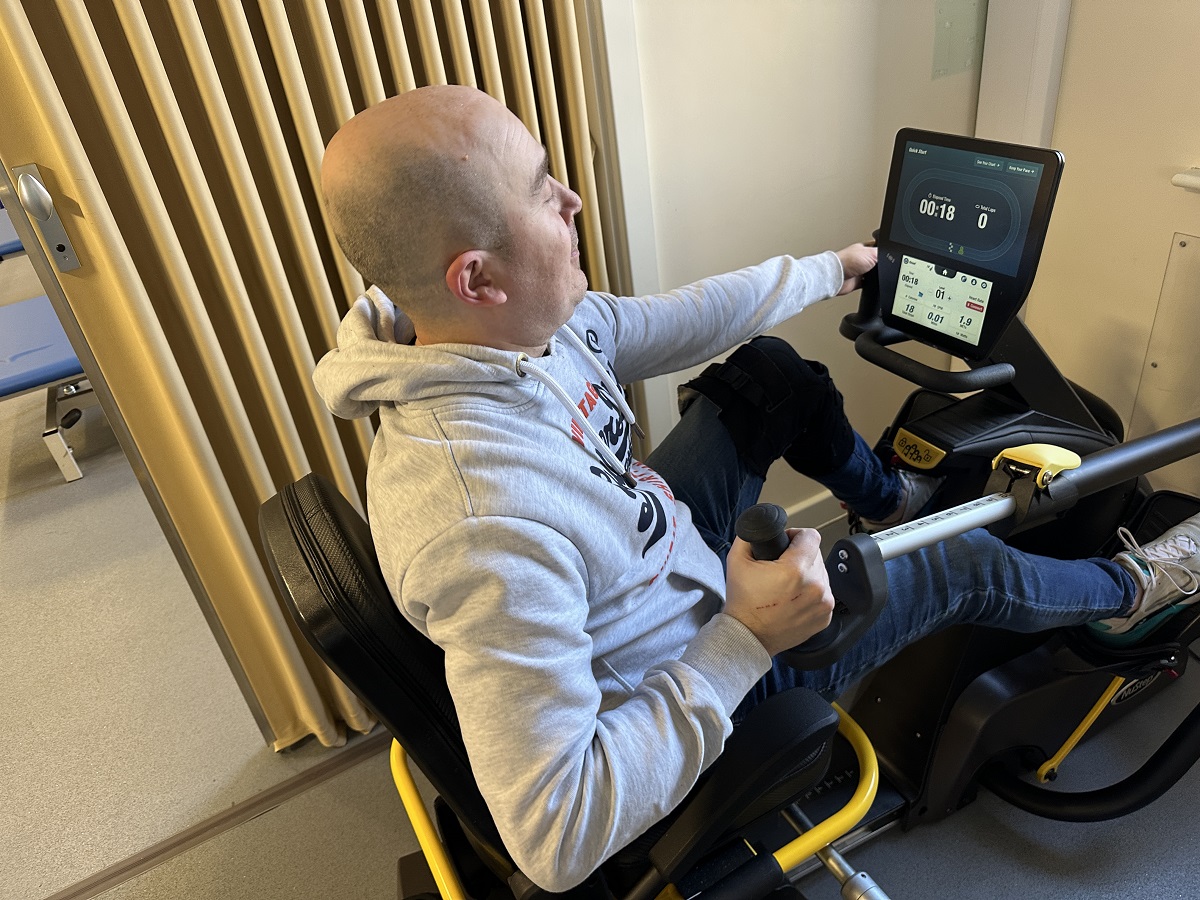
A new survey of members at the Chilterns Neuro Centre has highlighted the vital and often life-changing difference the charity makes to people affected by neurological conditions in the local community.

Almost 300 members took part in the Centre’s annual membership survey, representing just under a third of its total membership. An overwhelming 99% of respondents said they would recommend the Centre to someone with a neurological condition or their carer, with the vast majority saying they would be extremely likely to do so.

The Chilterns Neuro Centre is a Wendover-based charity providing a wide range of treatments and services to people affected by MS, Parkinson’s and strokes, as well as their families, empowering them to live life to the full. Other than a £35 annual membership fee, all these services are provided free of charge. 

However, as a charity, the Centre relies heavily on the generosity of individuals and organisations within the community to help maintain its vital services.

Importantly, 95 percent of respondents stated that the Centre provides services they cannot access anywhere else, reinforcing its distinctive role in filling gaps in statutory health and social care provision.

The survey findings shows the Centre’s specialist services play a absolutely vital role in helping people manage the long-term impact of conditions such as MS, Parkinson’s and stroke. Exercise classes, one-to-one physiotherapy and courses and workshops were the most frequently accessed services, underlining the importance of ongoing, specialist physical support for people living with these conditions.

Members also reported significant benefits to their health and wellbeing. Almost nine in ten said the treatment and support they receive helps improve their physical health always or most of the time, while a similar proportion said it improves their mental health and helps them manage their symptoms. More than four in five said the Centre helps them maintain their independence in daily activities, and three quarters said it increases social contact and helps reduce loneliness.

The survey also highlights the compassion and professionalism of the Centre’s staff, with 88 percent of respondents rating staff support and friendliness as excellent and a further 11% rating it as good.

Members’ comments vividly capture the difference the Centre makes. One described it simply as “my lifeline”, while another said: “After my diagnosis I felt very isolated and alone, but the Centre has given me hope again.” Others spoke of feeling understood, supported and part of a community where their condition does not need to be explained.

“These results show just how essential the Centre is to so many people living with neurological conditions and their families,” Richard Parkin, Chief Executive of the Chilterns Neuro Centre, told That's Health.

“We are incredibly proud of the impact our staff, volunteers and supporters make every day, providing specialist support, friendship and hope in a safe and welcoming environment.”

If you or someone you know has MS, Parkinson’s, or has experienced a stroke, the Chilterns Neuro Centre can help. Call 01296 696133 to learn more about their services and how to get involved.

New national campaign encourages victim-survivors of domestic abuse to make use of ‘Safe Spaces’ this winter

Crisis support charity, Hestia, has launched a new national billboard campaign, made possible thanks to the JCDecaux Community Channel, highlighting the different forms of domestic abuse and how risk can escalate gradually over time. 

The campaign is backed by high street banks and pharmacies including: AIB (NI), Boots, Cooperative Bank, Medicare, Metro Bank, Morrisons, Nationwide, NatWest, Progressive Building Society, Royal Bank of Scotland, Santander, TSB, Ulster Bank and more. 

It aims to raise awareness of the thousands of designated Safe Spaces in their high street branches for victim-survivors of domestic abuse. Charities and police forces often report an increase in domestic abuse incidents over the winter months, as conditions surrounding the holidays, such as heightened alcohol consumption, financial stress and tensions due to family gatherings, can create an environment where abuse is more likely to occur.

This makes it even more crucial that victim-survivors know where to seek help safely. Some banks participating in the Safe Spaces scheme have also noted an increase in usage of Safe Spaces during winter months.

The powerful, impactful campaign is appearing on billboards and on high streets in key cities across the UK (including London, Birmingham, Edinburgh and Manchester). The campaign was created and produced by Toaster, an international creative agency with an HQ in London.

The Safe Spaces scheme, originally launched by Hestia during the pandemic as part of its UK Says No More campaign, can be accessed by asking a member of staff at a participating location to use their Safe Space. 

Victim-survivors are then shown to a private room equipped with a phone or tablet, providing a safe and discreet way to reach out to friends and family, contact specialist support services and start their journey to recovery. Visit www.hestia.org/safe to find your nearest Safe Space.

Patrick Ryan, Chief Executive at Hestia told That's Health: “Winter can be a particularly dangerous time for those experiencing domestic abuse. More time at home, financial pressures, and higher alcohol consumption can increase isolation and risk, while access to support services may be limited".

“That’s why Hestia is launching this campaign to promote Safe Spaces, places where anyone feeling unsafe can escape, and find the support they need. Everyone deserves to be safe; no one should suffer in silence.”

Chris Dooley, Head of Responsible Media at JCDecaux UK, said: “At a time of year when the risk of domestic abuse can quietly escalate, we are proud to use the power of our public screens nationwide to help Hestia shine a light on Safe Spaces and signpost people to confidential, life-changing support.”

Louise, a survivor of domestic abuse, said: “In winter, offices close and clubs and community centres take a break. For victims of abuse, this brings isolation... It means there is no break from the abuse. As the victim, you are more helpless now than ever, your life more at risk. 

"You can't see a way out, especially when your every move is being monitored. “With Safe Spaces, you are not alone. You have the opportunity to reach out, put together an escape plan and find refuge... all while visiting something unassuming like a bank or a pharmacy. Safe Spaces could be lifesaving”. 

24hr online Letter Writing Marathon to coincide with World Cancer Day 2026

From Me to You, the national cancer support charity, is on a mission to ease cancer isolation in its new 24-hour campaign. 

Coinciding with World Cancer Day 2026, the 24-hour Letter Writing Marathon, being held on 7th – 8th February will join together people from around the world to help keep people with cancer connected by writing and donating letters to its Donate A Letter programme.

By inspiring people to put pen to paper, From Me to You promotes the power of letters in creating connections and bringing comfort to friends, family or even complete strangers who are going through cancer. Last year the charity processed over 17,000 letters for cancer patients: brightening days across the UK and abroad.

Charity Manger, Harriet Marsh told That's Health: “Last year we hosted our first ever 24hr Letter Writing Marathon to mark World Cancer Day 2025 and it was a huge success, bringing writers together from 13 different countries and generating almost 1,000 letters to send to people facing cancer.

“This year we’d love it to be even bigger, so we’re inviting everyone – whether they are a regular writer, or complete novice, to get a free ticket and join us online to do something special for cancer patients who are feeling isolated. We’ll guide you through writing a letter during the event, so just bring a pen and paper and enjoy being part of something amazing”.

The free 24hr Letter Writing Marathon starts at 9am on Saturday 7th February until 9am on Sunday 8th February 2026; but people only need to join for one hour (or more if they like – one lady stayed on for the full 24hrs last year!). Writers can sign up for a free ticket for the 24hr Letter Writing Marathon here.

This year the charity is also hosting three in-person Letter Writing Workshops to support the online marathon. One at the IFS Cloud Cable Car experience in Greenwich, London, on Saturday 7th February (10am-4pm) – where for £10 people can get a ticket for a day of letter writing and travelling on the cable car for inspiration! Pre booking a ticket is essential. To get a ticket, visit https://buytickets.at/frommetoyou/2024904 or find the event on From Me to You’s website (on the workshops page).

The charity has two events at RHS Harlow Carr in Harrogate on Saturday 7th February to mark World Cancer Day and the 24hr Marathon too. One is 10am-12noon and the other is 1-3pm. Tickets are £10pp and include light refreshments, access to the gardens and a complimentary stationery box for everyone. Tickets are available by visiting From Me to You’s website www.frommetoyouletters.co.uk (on the workshops page) and clicking the event time you want to attend.

World Cancer Day highlights how people impacted by the disease are more than just a statistic; a message that is at the core of the work of From Me to You.

Anyone looking to donate or receive a letter can sign up at frommetoyouletters.co.uk.

Monday, 26 January 2026

Fortuna Female Society expands Woman:Kind Café to Runcorn

Fortuna Female Society has announced the expansion of its Woman:Kind Café service, extending provision into Runcorn from February 2026.

Woman:Kind Café is a confidential peer-support space for women affected by domestic abuse, past or present. Alongside peer support, the café provides signposting to other local support services in Halton. Fortuna Female Society can also refer women on to trauma-informed counselling sessions.

Woman:Kind Café already runs twice per month at Widnes Library. The new Runcorn sessions build on the existing service, extending access across the borough.

From February 2026, sessions will run as follows:

Runcorn: Halton Lea Library, every 1st and 3rd Monday of the month

Widnes: Widnes Library, continuing every 2nd and 4th Monday of the month

The expansion increases access while maintaining existing provision in Widnes.

Laura Bevan, Chair of Fortuna Female Society, told That's Health: “We are seeing a growing need for safe spaces where women can talk, be listened to, and be guided towards the right support when they need it. Expanding Woman:Kind CafĂ© into Runcorn allows us to meet that need more effectively across Halton."

Laura added: "Everything we do is rooted in our mission of creating safe spaces for women to connect, rise and thrive.”

Fortuna Female Society is a registered charity (Charity Number 1213200) working across Halton to create supportive spaces for women through a wide range of groups, activities, and support services. These include peer-support cafés, wellbeing sessions, creative activities, and opportunities for connection and confidence-building.

More information about Fortuna Female Society and its activities is available on its website at: https://fortunafemale.org

Monday, 19 January 2026

Enhancing Support for Families of Children with Life-Limiting Conditions in Greater Manchester

Kentown Support has launched a new partnership with Gaddum, a Greater Manchester based mental health and carers' charity, to strengthen services for families of babies, children, and young people living with life-limiting conditions across Greater Manchester.

As part of Kentown Support’s community-focused palliative and end-of-life care model, Gaddum will deliver a comprehensive programme of therapeutic counselling to parents, siblings, and wider family members through its Palliative and End-of-Life Therapy Service. 

Through this regional model, Gaddum will provide a dedicated service, offering open-ended counselling for families with a child receiving palliative or end-of-life care. Specialist bereavement support will also be available to help families process loss, sustain relationships and rebuild wellbeing during the most challenging times.

Dr Helena Dunbar, Chief Executive Officer of Kentown Support, told That's Health: “Our vision at Kentown Support is to ensure that every child and family living with a life-limiting condition can access community-based palliative care. 

"The Kentown Model, with support from various partners, brings together nursing, practical, and emotional support —ensuring care is seamless, compassionate, and close to home.”

The partnership will also provide age-appropriate therapeutic interventions for siblings, wellbeing sessions for Kentown’s Children’s Palliative Care Community Nurse Specialists, and improved access to emotional support across all ten Greater Manchester boroughs.

Together, Kentown Support and Gaddum are committed to ensuring families receive equitable, specialist care whenever and wherever they need it most.

Kentown Support was established in 2025 with the generous support of The Kentown Wizard Foundation. Their mission is to improve the provision of community palliative care for children and families across the UK. It is their belief that every child with a life-limiting condition, and their family,  should have access to a model of integrated community children’s palliative care, whenever and wherever they need it.

Kentown Support works to:

develop sustainable, high-quality community-based children’s palliative care teams

support and collaborate with healthcare professionals, local services, and community partners to create a more coordinated, accessible services

share and fund research and training resources to improve understanding, build knowledge and drive advancements in children’s palliative care

Find out more at: www.kentownsupport.org.uk

Gaddum is a mental health and carers charity that has provided counselling services and practical support to individuals and communities throughout Greater Manchester for almost 200 years.

Find out more at: www.gaddum.org.uk

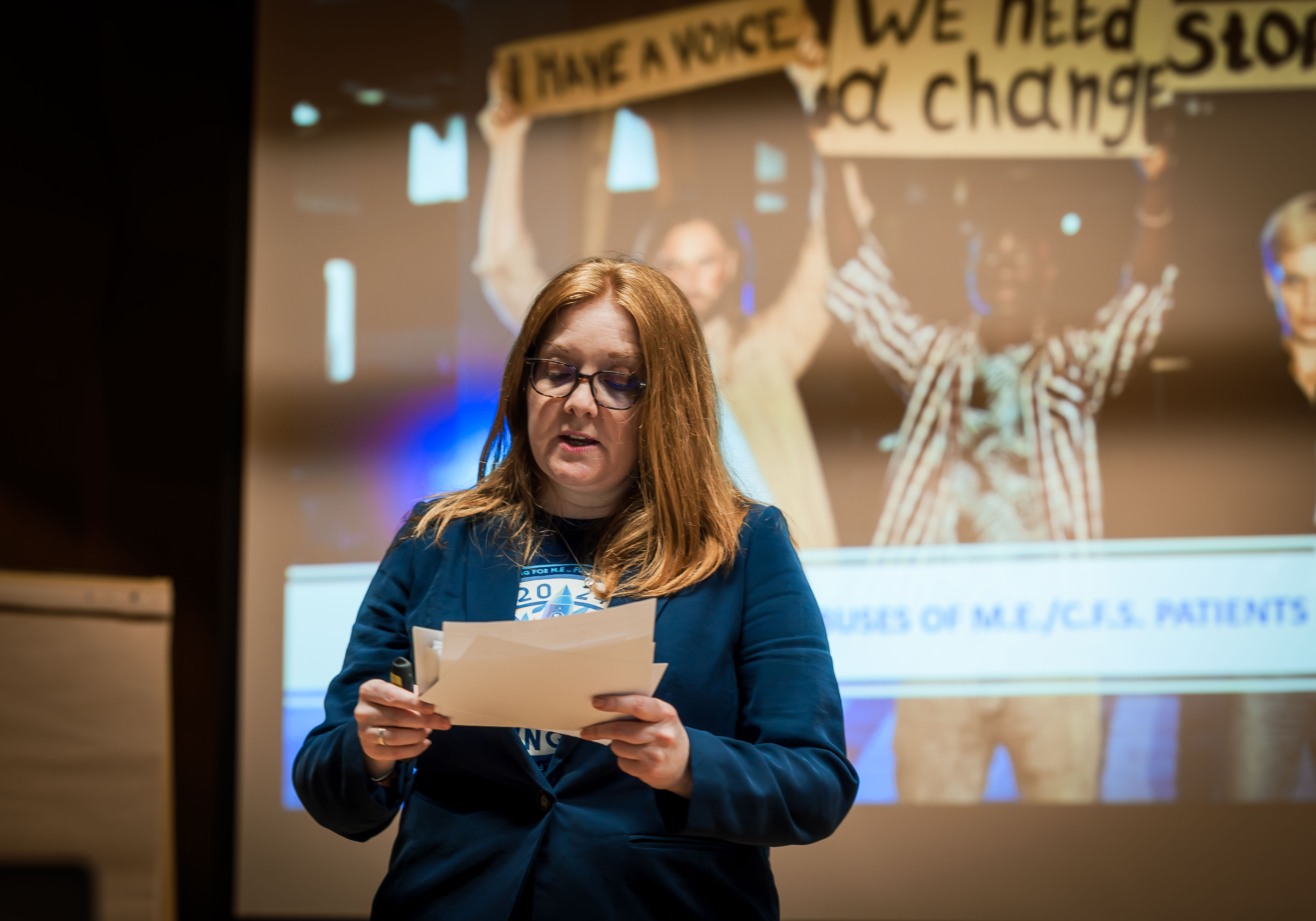
Cost-Saving Shift to Social Prescribing Lacks Essential Safety Data for M.E.

As the UK government accelerates its national transition toward non-pharmacological treatments (NPTs) and social prescribing in 2026, social enterprise ME Foggy Dog is highlighting a critical lack of oversight regarding patient safety. 

While these community-based interventions are being promoted as a "personalised care" solution, the organisation warns that the shift is primarily driven by cost-saving measures rather than clinical safety data. 

Since 2020, the UK has seen a surge in M.E. (Myalgic Encephalomyelitis), Long Covid, and other post-viral conditions. In response, the 2026 policy direction leans heavily on "low-cost" alternatives to biomedical research and pharmaceutical interventions. 

However, ME Foggy Dog argues that this financial strategy overlooks the biological reality of energy-limiting conditions. "NPTs are being scaled nationally because they are inexpensive, not because they have been proven safe for the M.E. community," Sally Callow, Founder of ME Foggy Dog, told That's Health. 

"Biomedical research and specialist care require significant investment, but diverting patients toward community activities without clinical safeguards is a false economy that risks long-term health deterioration." 

Despite the rapid rollout of social prescribing, there remains no mandatory training for link workers or community providers regarding Post-Exertional Malaise (PEM), the core symptom that makes many physical or mental activities potentially harmful for M.E. patients.

Crucially, while patients have reported health setbacks through PALS and individual NHS clinics, there is still no national system to centrally record harms caused by non-medical interventions. This lack of data was highlighted during the 2021 NICE guideline review and remains unaddressed in 2026.

Through the Shake It Up campaign, ME Foggy Dog is calling for:

National transparency: The urgent creation of a national harm-reporting system to track the impact of NPTs.

Evidence-based policy: An end to ill-informed policymaking, ensuring that any expansion of social prescribing is informed by recorded patient outcomes.

"We are at a critical moment where policy is being built without a safety net," Callow continues. "If the government wants to expand these programmes, it must commit to tracking the consequences. We need influence, policy insight, and amplification to ensure the M.E. community is protected, not sidelined by budget-driven decisions."

Wednesday, 14 January 2026

How to Use the NHS Pharmacy First Service

The NHS Pharmacy First service is designed to make it quicker and easier to get treatment for common health conditions without needing a GP appointment. 

Available across England, Wales and Scotland it allows trained community pharmacists to assess, advise, and in some cases treat certain illnesses, often on the same day.

If you’ve been struggling to get a GP appointment or aren’t sure whether your symptoms need a doctor, Pharmacy First could be the ideal first step.

What Is NHS Pharmacy First?

Pharmacy First enables community pharmacists to provide NHS consultations for a range of common conditions. These consultations are free, and where appropriate, pharmacists can supply NHS-funded treatment rather than simply offering over-the-counter advice.

The aim is to:

Reduce pressure on GP surgeries and A&E

Help patients get faster access to care

Make better use of pharmacists’ clinical expertise

Conditions You Can Be Treated For

Under Pharmacy First, pharmacists can assess and treat several common conditions, including:

For adults

Sinusitis

Sore throat

Earache

Infected insect bites

Impetigo

Shingles (early presentation)

For women and girls

Uncomplicated urinary tract infections (UTIs)

The pharmacist will check symptoms carefully to ensure the condition is suitable for treatment under the service. If not, they’ll advise on the next best step — such as contacting your GP or NHS 111.

How to Access Pharmacy First

1. Walk into a Participating Pharmacy

You don’t need an appointment. Simply visit a local pharmacy offering the service and ask for a Pharmacy First consultation.

2. NHS Referral

You may also be referred by:

NHS 111

GP practices

Urgent care or A&E services

This helps direct patients to the right care setting quickly.

What Happens During the Consultation?

Pharmacy First consultations are carried out in a private consultation room. The pharmacist will:

Ask about your symptoms and medical history

Check how long symptoms have lasted

Assess whether treatment can be safely provided

Supply NHS medication if appropriate

Give clear self-care advice and safety-net guidance

If symptoms suggest something more serious, the pharmacist will refer you onwards promptly.

What Treatment Can Pharmacists Provide?

Depending on the condition, pharmacists may:

Supply prescription-only medicines under NHS protocols

Recommend appropriate self-care measures

Advise on pain relief, symptom management, and recovery times

Any treatment supplied through Pharmacy First is recorded on your NHS record, ensuring continuity of care.

Who Can Use Pharmacy First?

You can use the service if you:

Are registered with a GP in England

Have symptoms that fall within the service criteria

Meet the age and clinical requirements for the condition

There is no charge for the consultation, and normal NHS prescription charges apply where relevant (unless you are exempt).

When Pharmacy First Isn’t Appropriate

Pharmacy First is not suitable for:

Severe or worsening symptoms

Chest pain or breathing difficulties

Serious infections

Children outside the age limits for certain conditions

In these cases, pharmacists will direct you to urgent or emergency care.

Why Pharmacy First Matters

For many people, Pharmacy First means:

Faster access to treatment

Less time waiting for GP appointments

Expert advice close to home

Early intervention that can prevent complications

Community pharmacies are often open during evenings and weekends, making them one of the most accessible parts of the NHS.

The NHS Pharmacy First service is a practical, patient-friendly way to manage everyday health concerns. 

If you’re unwell and unsure where to turn, your local pharmacy could be the quickest route to reassurance and treatment — without adding pressure to GP services.

If in doubt, step into your nearest participating pharmacy and ask. Help may be closer than you think.

I must point out that my wife and I have used the NHS Pharmacy First Service on a number of occasions and have received wonderful help and support. 

Tuesday, 13 January 2026

Superflu: Symptoms to Watch For and How to Deal With Them at Home

Over recent winters, especially this winter, many people have reported being hit by what’s commonly being called the “superflu” a particularly aggressive strain of flu that feels more intense, lasts longer, and leaves even normally resilient people feeling completely wiped out. 

Even those who have had their flu jab have found themselves struggling with severe symptoms.

While flu viruses vary from year to year, the key challenge with this superflu bug is the combination and persistence of symptoms, which can make day-to-day functioning almost impossible for a time.

Below is a clear guide to the most common symptoms and practical, realistic ways to manage them at home.

Common Symptoms of the Superflu

High Fever and Chills

A sudden spike in temperature is often one of the first signs. This can come with intense shivering, hot flushes, sweating, and a feeling of being unable to regulate body temperature.

How it feels:

Alternating between being freezing cold and unbearably hot, often accompanied by headaches and body aches.

Severe Fatigue and Weakness

This is not “normal tiredness.” Many people describe extreme exhaustion where even sitting up, showering, or holding a conversation feels like too much effort.

How it feels:

Heavy limbs, brain fog, dizziness, and the need to sleep for long stretches.

Persistent Cough and Chest Symptoms

A deep, painful cough is common, sometimes producing phlegm that may be yellow, green, or brownish in colour. Chest tightness and soreness from coughing can follow.

How it feels:

Burning or aching in the chest, disrupted sleep, and breathlessness after minimal activity.

Congestion, Sore Throat, and Sinus Pain

Blocked or streaming nose, sinus pressure, ear discomfort, and a raw or scratchy throat often appear together.

How it feels:

Facial pressure, headaches behind the eyes, painful swallowing, and post-nasal drip.

Gastrointestinal Upset (in some people)

Nausea, reduced appetite, stomach cramps, or diarrhoea can occur, particularly when fever is high.

How it feels:

Food aversion, dehydration risk, and weakness layered on top of existing fatigue.

Headaches and Sensitivity

Strong headaches, light sensitivity, and difficulty concentrating are frequently reported.

How it feels:

A pounding or tight band-like pain across the head, worsened by movement or noise.

How to Deal With Superflu Symptoms at Home

Rest Is Not Optional

This bug demands rest. Pushing through can significantly prolong recovery.

Stay in bed as much as possible

Cancel non-essential commitments

Accept help with meals, chores, or childcare if available

Hydration Is Critical

Fever and sweating quickly lead to dehydration.

Sip water regularly, even if you don’t feel thirsty

Include warm drinks like herbal teas or hot water with lemon

Oral rehydration solutions can help if appetite is poor

Manage Fever and Pain Safely

Over-the-counter pain relief can help reduce fever, headaches, and body aches.

Use paracetamol or ibuprofen as directed

Avoid doubling up medications with similar ingredients

Lukewarm flannels can help with overheating

Ease Coughs and Congestion

Steam inhalation or a humidifier can soothe airways

Honey or syrup-based remedies may calm coughs

Prop yourself up with pillows at night to ease breathing

Gentle Nutrition

You may not feel like eating much, but small amounts help recovery.

Soups, broths, mashed foods, and toast are ideal

Avoid heavy, greasy meals

Eat little and often if possible

Support Sleep

Sleep may be broken by coughing or fever.

Nap when your body allows

Keep the room cool but comfortable

Reduce screen use before resting to avoid headaches

When to Seek Medical Advice

While most people will recover at home, do seek medical help if you experience:

Difficulty breathing or chest pain

Confusion or severe drowsiness

A fever that won’t come down

Symptoms lasting more than 7–10 days without improvement

Worsening cough or signs of a chest infection

The superflu is not something to “power through”. It is a serious, draining illness that demands rest, patience, and proper care. Listening to your body, staying hydrated, and giving yourself permission to stop are key to recovery.

If you’re currently dealing with it, be kind to yourself — recovery may be slow, but it will come.

Well Woman Weekends Launched to Support Halton Women this Month

Fortuna Female Society has announced a new programme of Well Woman Weekends, launching this month, January, following clear feedback from women across Halton asking for more accessible support.

The charity’s recent community consultation and online survey highlighted a strong call for daytime and weekend activities, alongside opportunities to relax, reduce stress and build confidence. 

Women also asked for practical sessions that fit around real life, without pressure or cost barriers.

In response, Fortuna Female Society trialled a number of additional activities in the run-up to Christmas. 

These were well attended and received positive feedback, prompting the charity to expand the programme into a dedicated January offer.

January is often a challenging time for many women, with long weeks, financial pressure after Christmas and fewer opportunities to pause and recharge. Well Woman Weekends have been designed to offer practical, welcoming activities during this period.

The January programme includes:

Women’s Meditation Circle, returning by popular demand

Your Wellbeing Toolkit Workshop, a new practical session hosted by The Wellbeing Lady, focusing on simple tools to support mental and emotional health

Relaxing Sound Bath, a new session hosted by The Raven Tree, using sound to support rest and renewal

Women’s Self-Defence Course, a new short course focused on awareness, movement and practical skills in a women-only setting

Laura Bevan, Chair of Fortuna Female Society, told That's Health: “January can be a tough month, and financial pressure can feel isolating. So many women told us they want time and space to relax and connect with other women. Well Woman Weekends are about offering that space, giving women a chance to slow down, feel supported, and take part in something that feels good for them.”

All Well Woman Weekend activities are free to attend, with donations welcomed to help support Fortuna Female Society’s ongoing work across Halton.

Places can be booked via the Fortuna Female Society website at www.fortunafemale.org/event-directory

That's Food and Drink: Brew Monday: Turning the Bluest Day into a Moment ...

That's Food and Drink: Brew Monday: Turning the Bluest Day into a Moment ...: Every January, the third Monday of the month is often labelled Blue Monday, supposedly the most miserable day of the year.  Short daylight h...

Saturday, 10 January 2026

Garlic and Its Role in Fighting Colds and Flu

For centuries, garlic has been used as a natural remedy to support the body during illness. 

Long before modern medicine, cultures across Europe, Asia and the Middle East relied on garlic to help ward off infections, particularly during the colder months when coughs, colds and flu are at their peak. 

While it is not a cure, garlic can play a helpful supporting role when your immune system is under attack.

Why Garlic Has a Reputation for Fighting Infection

Garlic contains a sulphur-based compound called allicin, which is released when garlic is crushed or chopped. Allicin is responsible for garlic’s distinctive smell, but more importantly, it has antimicrobial and antiviral properties.

Research suggests that allicin may help:

Inhibit the growth of certain bacteria and viruses

Support immune cell activity

Reduce inflammation in the body

This combination makes garlic particularly popular during cold and flu season.

Garlic and the Common Cold

The common cold is caused by viruses, and while garlic cannot prevent exposure, regular consumption may help reduce the severity or duration of symptoms for some people.

People who use garlic as part of their diet often report:

Shorter-lasting colds

Milder symptoms

Faster recovery times

This may be due to garlic’s ability to stimulate immune responses, helping the body react more efficiently once an infection takes hold.

Garlic’s Role During Flu

Flu places significant stress on the immune system. Garlic is often used as a complementary remedy because it:

Encourages immune defence activity

Has mild antiviral effects

Supports circulation, which helps immune cells move through the body

While garlic should never replace medical treatment for flu—especially for vulnerable people—it can be a useful addition alongside rest, hydration and prescribed medication.

Best Ways to Use Garlic for Immune Support

Garlic can be taken in several forms, depending on taste and tolerance:

Raw garlic

Crushing a clove and letting it sit for a few minutes before eating helps maximise allicin formation. This can be mixed into food or swallowed with water.

Garlic tea

Steep crushed garlic in hot (not boiling) water. Many people add lemon and honey to improve flavour and soothe the throat.

Cooked garlic

While cooking reduces allicin levels, garlic still retains beneficial compounds and is gentler on the stomach.

Garlic supplements

Odourless capsules are an option for those who dislike raw garlic, though quality and strength can vary.

How Much Garlic Is Enough?

There is no officially recommended dose for garlic as a remedy, but commonly suggested amounts include:

1–2 raw cloves per day during illness

Regular inclusion of garlic in meals for ongoing immune support

More is not always better. Excessive garlic can cause stomach irritation, heartburn or interact with certain medications.

Who Should Be Cautious?

Garlic is generally safe for most people, but caution is advised if you:

Take blood-thinning medication

Have stomach ulcers or digestive sensitivity

Are preparing for surgery

If in doubt, it is always sensible to speak with a healthcare professional.

Garlic as Part of a Bigger Picture

Garlic works best as part of a wider approach to health rather than as a stand-alone solution. Adequate sleep, good nutrition, hydration, and following medical advice remain the cornerstones of recovery from colds and flu.

Garlic’s long-standing reputation as a natural infection-fighter is supported by both tradition and modern research. While it will not prevent every cold or flu, it may help your body respond more effectively when illness strikes. 

Simple, affordable and widely available, garlic remains a humble but powerful ally during the winter months.

I am following my own advice and taking garlic. 

Monday, 5 January 2026

Sunday, 4 January 2026

That's Christmas 365: Why Mental Fitness Must Become Part of the UK’s Ne...

That's Christmas 365: Why Mental Fitness Must Become Part of the UK’s Ne...: By Rajesh Ananda Every January, millions of people across the UK resolve to improve their lives. Gym memberships increase, diets are reset, ...

Protecting Vulnerable Loved Ones During Flu Season. A practical UK guide from That’s Health

When flu is circulating widely, including the strain often referred to in the media as the “Australian superflu”, protecting vulnerable people becomes just as important as treating the illness itself.

Older adults, people with long-term health conditions, those who are immunocompromised, pregnant women, and very young children can all become seriously unwell from flu. 

Even when vaccinations have been taken (and they absolutely still matter), extra care is essential.

This guide is written for households who want to do the right, sensible things without panic, guilt, or turning daily life into an obstacle course.

Who is considered “vulnerable” to flu complications?

In UK health guidance, higher-risk groups include:

Adults aged 65 and over

People with heart, lung, kidney, liver, or neurological conditions

Those with diabetes

Anyone with a weakened immune system (including cancer treatment, long-term steroid use, or certain medications)

Pregnant women

Young children, especially under five

If someone in your household or family falls into one of these categories, flu should always be taken seriously.

Vaccination still matters — even when flu breaks through

A common and understandable frustration is:

“But they had the flu jab and still got ill.”

Flu vaccines are designed primarily to reduce severity and complications, not to guarantee complete protection. 

Even in seasons where the circulating strains don’t match the vaccine perfectly, vaccination significantly lowers the risk of hospitalisation and serious outcomes.

Encouraging eligible loved ones to keep up with vaccinations remains one of the most effective protective steps.

Everyday protection that genuinely helps

You don’t need medical-grade routines — consistency is what counts.

Hand hygiene (the boring one that works)

Wash hands with soap and warm water for at least 20 seconds

Especially after coughing, sneezing, blowing noses, or caring for someone ill

Alcohol hand gel is useful, but soap and water are better when available

Shared spaces: small changes, big impact

Wipe down door handles, remote controls, phones, kettle handles

Avoid sharing mugs, cutlery, towels, or pillows during illness

Use separate bins or empty them frequently

Ventilation (yes, even in winter)

Fresh air reduces viral concentration indoors.

Open windows briefly several times a day

Ten minutes can make a meaningful difference without freezing the house

Masks: when they make sense at home

Masks aren’t necessary all the time — but they can be useful when:

Someone with flu symptoms is caring for a vulnerable person

Close contact can’t be avoided (helping with washing, dressing, medication)

A vulnerable person must be in shared spaces with someone unwell

A simple, well-fitting mask worn correctly can reduce risk without drama.

Managing visitors during flu outbreaks

This can feel awkward, but it’s important.

It’s reasonable to:

Ask visitors to postpone visits if they’re unwell

Request handwashing on arrival

Keep visits shorter and in well-ventilated rooms

Anyone who truly cares will understand.

Food, fluids, and energy: quiet protection

For vulnerable people, dehydration and exhaustion can worsen outcomes.

Support with:

Regular drinks (water, squash, warm beverages)

Nutritious but gentle foods (soups, stews, porridge)

Encouraging rest without pressure to “keep going”

Small, frequent intake is often better than large meals.

Antivirals: worth knowing about

In the UK, antiviral medicines such as oseltamivir may be offered to people at higher risk of complications if flu is suspected — especially if treatment can begin early.

Access is usually via:

NHS 111

GP services

Out-of-hours services

If a vulnerable person develops flu symptoms, don’t wait it out — ask for advice promptly.

Warning signs that need medical advice urgently

Contact NHS 111 or seek urgent care if a vulnerable person experiences:

Difficulty breathing or rapid breathing

Chest pain

Confusion or unusual drowsiness

Very little urine output or inability to keep fluids down

Symptoms that worsen after seeming to improve

High fever that isn’t settling

Trust your instincts — early advice can prevent serious complications.

Emotional care matters too

Illness can be frightening, especially for older or medically vulnerable people.

Reassure without minimising

Keep explanations calm and clear

Maintain routines where possible

Let rest be restorative, not isolating

Loneliness and anxiety can slow recovery just as much as physical illness.

A final word from That’s Health

Protecting vulnerable people during flu season isn’t about fear — it’s about thoughtful, practical care.

Vaccinations, hygiene, ventilation, rest, and early medical advice form a quiet safety net that genuinely saves lives.

If flu is circulating where you live, being cautious is not overreacting.

It’s caring.