Showing posts with label cleaning. Show all posts

Thursday, 23 April 2026

Why Looking After Your Family’s Dental Health Should Never Be an Afterthought

It's remarkable how many people will happily service the car every year, insure the boiler, and replace a phone screen at the first crack, yet postpone a dental check-up for months, sometimes years.

Dental health is often treated as something we only think about when there is pain involved.

Unfortunately, by the time your tooth is throbbing at 2am, the problem is usually no longer small, simple, or cheap.

Good oral health is not just about having a bright smile for photographs. Your teeth and gums play a major role in your overall wellbeing. 

Gum disease has been linked to wider health concerns including heart disease, diabetes complications, and inflammation elsewhere in the body. Poor dental health can also affect confidence, speech, eating habits, and quality of life.

For children, building strong dental habits early is even more important. Teaching regular brushing, sensible sugar intake, and routine dental visits helps prevent bigger issues later in life. It also helps remove the fear factor that many adults still carry from childhood dental appointments.

The basics are not complicated. Brush twice a day with fluoride toothpaste, floss or use interdental brushes, cut back on sugary snacks and fizzy drinks, and do not ignore bleeding gums or sensitivity. These are warning signs, not minor inconveniences.

Regular check-ups matter because dentists often spot problems long before you feel them. A small filling is far easier, and far less expensive, than root canal treatment, crowns, or emergency extractions. Preventive care nearly always costs less than crisis management.

This is where dental insurance becomes worth considering.

Many people assume dental insurance is unnecessary until faced with an unexpected bill for urgent treatment. Private dental work in the UK can be expensive, particularly if NHS appointments are difficult to secure in your area. Emergency treatment, specialist work, orthodontics for children, or restorative work can quickly add up.

Dental insurance or dental payment plans can help spread costs and reduce the financial shock of sudden treatment. Some plans cover routine check-ups and hygienist visits, while others provide support for more advanced procedures. The key is understanding exactly what is included and what is not.

It is not about expecting disaster. It is about sensible planning.

Much like home insurance, you hope you will not need major intervention, but when you do, you are very glad the cover is there.

Ignoring dental health rarely saves money, it usually delays a bigger bill.

A healthy smile is not vanity. It is health, confidence, comfort, and prevention rolled into one. Looking after your family’s teeth should sit firmly alongside every other part of responsible healthcare—not somewhere at the bottom of the list, just below “sort out the garage.”

Because when toothache strikes, trust me, it shoots straight to the top.

I decided to write this post whilst waiting for my appointment for a couple of fillings at our BUPA dentist.

Monday, 23 February 2026

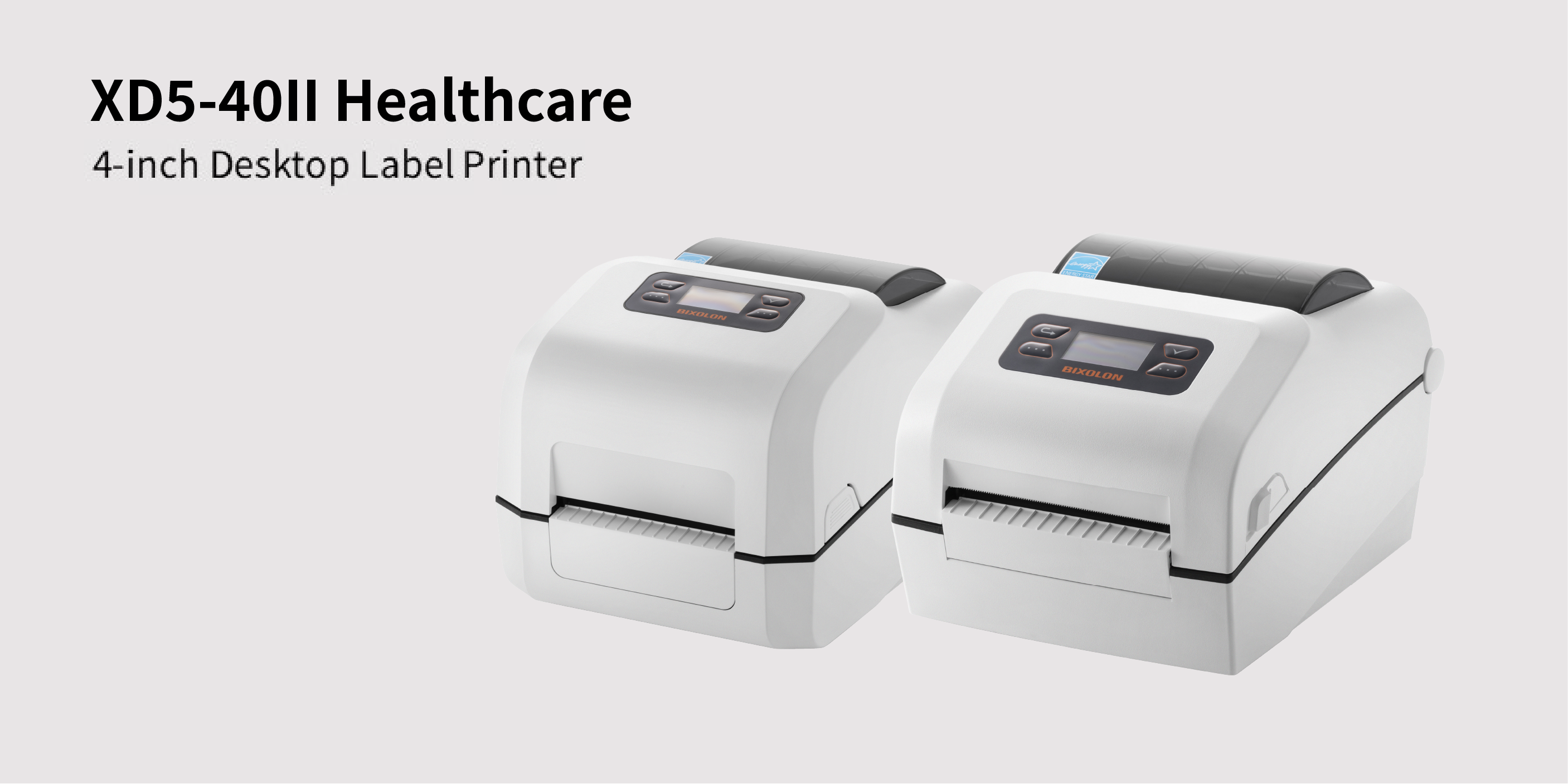
BIXOLON Introduces Healthcare-Optimised Desktop Printers with Advanced Safety and Hygiene Features to the European Market

BIXOLON Europe GmbH, a subsidiary of BIXOLON Co. Ltd, a leading global Mobile, Label and POS printer manufacturer, today announces the European launch of its NEW Healthcare desktop printer line, comprising of the XD5-40IId and XD5-40IIt Healthcare models.

Designed specifically to meet the stringent requirements of today’s healthcare environments, the range brings together BIXOLON’s proven desktop printing performance with enhanced features tailored for medical applications.

Launching as part of the XD5-40II series which comprises of the XD5-40IId direct thermal and XD5-40IIt thermal transfer label printers, alongside the XD5-40IItR RFID printer with UHF printing and encoding capabilities. 

These new 4-inch (118 mm) Healthcare models deliver 203 dpi high-resolution printing at speeds of up to 8 ips (203 mm/sec). Offering a full suite of connectivity options - including USB, USB Host, Serial, Ethernet, WLAN and Bluetooth which is supported by powerful processing for rapid data throughput. Featuring an integrated LCD display, compact footprint, simple maintenance and broad media compatibility, the XD5-40II Healthcare series provides dependable performance for busy clinical environments.

To meet the specific needs of European hospitals, laboratories and other healthcare facilities, the models have built with additional medical-grade enhancements. 

Each device is equipped with an IEC 60601-1 compliant power supply for safe operation in patient care areas, while the disinfectant-ready, antimicrobial casings are designed to withstand regular cleaning cycles and help reduce contamination. 

Their UV-resistant enclosures ensure long-term durability, even with repeated sterilisation or UV exposure. 

These combined features make the NEW healthcare models ideal for applications such as patient ID wristbands, specimen and diagnostic test labelling, pharmacy dispensing and healthcare asset tracking—supporting improved patient safety, regulatory compliance and overall operational efficiency.

“As healthcare providers across Europe continue to prioritise patient safety and operational resilience, our new Healthcare series offers a reliable, compliant and future-ready solution,” Paul Kim, Managing Director, BIXOLON Europe GmbH, told That's Health.

“The XD5-40II H range are purposely-built to support the unique standards and expectations of European clinical environments.”

www.BixolonEU.com

Thursday, 9 October 2025

The Hidden Power of a Smile: Why Regular Dental Care Matters for Whole-Body Health

When we think of health, we often focus on diet, exercise, or mental wellbeing. 

Yet there’s one vital element that many people overlook: oral hygiene. 

Brushing, flossing, and visiting the dentist regularly do far more than keep your teeth bright, they play a crucial role in your overall health, often in ways that might surprise you.

Your Mouth: A Mirror of Your Health

Your mouth is a gateway to your body. It’s full of bacteria—mostly harmless, but some potentially harmful if allowed to thrive. 

Without regular cleaning, bacteria can cause gum disease, tooth decay, and infections. Worse still, they can enter your bloodstream and trigger inflammation throughout your body. 

This inflammation is now known to be linked to a range of serious conditions, from heart disease to dementia.

In short, good oral hygiene is about protecting far more than just your smile.

How Gum Health Affects the Heart

Research has shown a strong link between gum disease and cardiovascular problems. When gums are inflamed, bacteria and toxins can travel into the bloodstream, causing inflammation in blood vessels and increasing the risk of clots, heart attack, and stroke. 

People with gum disease are also more likely to suffer from high blood pressure and other circulatory issues.

Regular dental check-ups can therefore be an important part of protecting your heart health—something few people consider when reaching for their toothbrush.

The Dentist as a Health Detective

A good dentist does more than just check for cavities. They’re often the first to spot signs of other health conditions. Vitamin deficiencies, diabetes, anaemia, autoimmune disorders, and even oral cancers can all reveal early clues in the mouth. A simple dental visit can therefore provide an unexpected layer of early detection and prevention.

Digestion Begins in the Mouth

Healthy teeth and gums are vital for digestion. Chewing breaks food down into smaller pieces and mixes it with enzymes in saliva. 

If you have dental pain, missing teeth, or inflamed gums, you may not chew properly—putting extra strain on your digestive system. Over time, this can impact nutrient absorption and even lead to poor gut health.

Maintaining strong teeth and gums helps your body extract the full nutritional value from what you eat.

Mental Wellbeing and Confidence

The link between oral health and mental wellbeing shouldn’t be underestimated. Chronic dental pain, bad breath, or damaged teeth can lead to embarrassment, anxiety, and even social isolation. Conversely, having a clean, healthy smile boosts confidence and encourages positive social interactions.

A regular dental routine isn’t just about hygiene—it’s a small but powerful act of self-care that supports emotional health too.

Prevention is Easier (and Cheaper) Than Cure

Regular check-ups help catch problems early, before they require costly and invasive treatment. A small cavity today could become a root canal tomorrow. Preventive cleaning and early intervention save both pain and money in the long run.

Everything is Connected

Your oral health affects your heart, digestion, immune system, and mental wellbeing. It’s all connected. The next time you brush your teeth or book that dentist appointment, remember—you’re not just looking after your mouth, you’re taking care of your whole body.

Healthy mouth, healthy life—that’s the real reason to smile.

Tuesday, 30 September 2025

Toothbrush Design: Why Aren’t the Bristles Set at 45 Degrees?

At a recent dental hygiene appointment, I was reminded of a golden rule: “The best way to brush your teeth is to hold the bristles of the brush at a 45-degree angle.” 

This angle isn’t an arbitrary number—it allows the bristles to gently sweep plaque and debris from both the tooth surface and the gumline, where many dental problems begin.

But as I walked home, a thought struck me: if dentists and hygienists always recommend brushing at a 45-degree angle, why don’t manufacturers design toothbrushes so that the bristles are already mounted that way?

The Importance of the 45-Degree Angle

Brushing straight across your teeth can clean surfaces reasonably well, but it often misses the crucial area just under the gumline where bacteria gather. When held at 45 degrees, bristles reach slightly beneath the gum edge, helping to prevent gingivitis and gum disease.

It’s such a simple piece of advice, and yet it requires conscious effort every time we brush.

How Toothbrushes Are Designed Now

Most manual toothbrushes have flat, straight handles and either flat-cut or gently contoured bristles. Some premium designs use angled necks or criss-cross bristle patterns, but they still rely on the user to position the brush correctly. 

Electric brushes, with their oscillating or sonic action, make the job easier but still don’t guarantee that perfect 45-degree positioning.

In short, toothbrushes are designed to accommodate the 45-degree technique, but not to enforce it.

Why Don’t Manufacturers Mount Bristles at 45 Degrees?

There are a few likely reasons:

Flexibility of use – Not everyone’s teeth, gums, or brushing styles are the same. A permanently angled bristle head might help some users but feel awkward or ineffective for others.

Manufacturing and cost – Flat designs are cheaper and simpler to produce. Adding angled bristle mounts or complex shapes increases costs.

User control – Dental professionals prefer people to learn how to brush properly, rather than rely on a fixed design. After all, you need to be able to adjust your angle depending on whether you’re brushing front teeth, molars, or along the gumline.

Innovation already exists—but quietly – Some toothbrushes, particularly in specialist dental ranges, do feature angled heads or V-shaped bristle cuts. They’re not mainstream products, though, and often come at a higher price and limited availability. 

Could Toothbrush Design Evolve?

It’s a fair question: if the 45-degree angle is the gold standard, surely it’s only a matter of time before manufacturers take it more seriously. A toothbrush with a subtly tilted bristle head, combined with ergonomic handle design, might help everyday users achieve better results without having to think about their wrist angle.

We’ve already seen the market embrace bamboo handles, smart toothbrushes with pressure sensors, and bristles made from recycled materials. Perhaps the next big innovation will be toothbrushes that build the dentist’s advice into the very design.

Until then, the responsibility rests with us: keep your brush angled, be gentle at the gumline, and remember that the simplest habits can make the biggest difference to oral health.

Later on we'll talk about toothpastes and mouthwashes.

Monday, 19 September 2011

Can bacteria be used in fight against hospital superbugs?

Trials of a revolutionary, natural and cheap alternative to traditional hygiene practices is likely to launch a completely new approach to the war against hospital superbugs, it is claimed.
The startling results show that harmful bacteria can be completely eliminated by using ‘friendly’ bacteria in a simple cleaning fluid - rather than by using toxic chemicals.

The trials, undertaken by UK-based hygiene specialists Chemex International, were unveiled today at a conference of over 600 members of the Infection Protection Society in Bournemouth.

Sean Derrig (PICTURED) Scientific Director of Chemex International, who presented the results at the Conference said: “Since the days of Lister and Florence Nightingale science has put a lot of effort into killing bacteria. This approach certainly has its place but we have now proved that nature’s methods can be more effective.

“But it does turn traditional wisdom on its head somewhat. Our research has proven that employing ‘friendly’ bacteria in a cleaning product rather than harsh chemicals drove out the bacteria that can be harmful to humans present at the start of the trial. The ‘bad’ bugs were completely eradicated – and the good ones did a very good job of eating dirt and grime as well. It’s fighting fire with fire.

“The friendly bacteria chase out germs and form a protective biofilm that is tougher than Teflon and keeps the bad bacteria away permanently. The same principle is used in probiotic drinks that repopulate the gut with ‘good’ bacteria. It’s called competitive exclusion.

“In reality we are surrounded by bacteria, most of which are totally harmless or positively beneficial - without them we wouldn’t have bread, cheese or even wine and beer – all of which are made by bacteria.

“Problem bacteria can be concealed in minor cracks and blemishes in buildings and are very difficult to completely remove without costly shutdowns and deep cleans. And they soon return. This is a completely new approach to dealing with the pathogens that cause hospital-acquired infections. It is also simple, cheap and highly effective.

“We have trialled this approach with a very forward-thinking NHS Trust and we saw more than just a visible improvement in cleanliness; scientific tests clearly demonstrated that harmful bacteria had been totally eliminated.

“The ‘friendly’ bacteria are abundant in nature, the strain we use feeds on dirt and produces natural antibiotics which attack and kill the harmful bacteria. It really is using nature’s technology to clean wards and get rid of pathogens once and for all".

Chemex International has previously helped NHS Trusts and private healthcare across the UK in the battle against killer bugs.

Its high-level biocides are powerful enough to kill ‘difficult’ organisms such as Clostridium difficile spores and Norovirus against which traditional chemicals are ineffective and are in use in multiple NHS Trusts and other situations where scrupulous hygiene is paramount.

For more information about Chemex International, go to www.chemexuk.com or call 00 44 121 565 6300.