Showing posts with label healthcare. Show all posts

Wednesday, 24 June 2026

Ockenden Review Highlights Urgent Need for Safer Maternity Care Across England

The publication of the Ockenden Review has renewed calls for improvements in NHS maternity care, with experts urging lasting change to protect mothers and babies.

The publication of the long-awaited Ockenden Review into maternity services at Nottingham University Hospitals NHS Trust (NUH) has been described as a pivotal moment for patient safety in England, with legal experts urging healthcare leaders to ensure its findings lead to lasting improvements for mothers, babies and families.

The independent review, led by Donna Ockenden, examined maternity care provided by NUH between April 2012 and May 2025. Originally expected to investigate around 1,700 cases, the review expanded to include approximately 2,500 families, making it the largest maternity investigation ever undertaken within the NHS.

For many families, the report represents years of campaigning, testimony and determination to ensure their experiences were heard. It examines some of the most serious outcomes in maternity care, including stillbirths, neonatal deaths, maternal deaths and cases involving severe maternal harm or serious birth injuries.

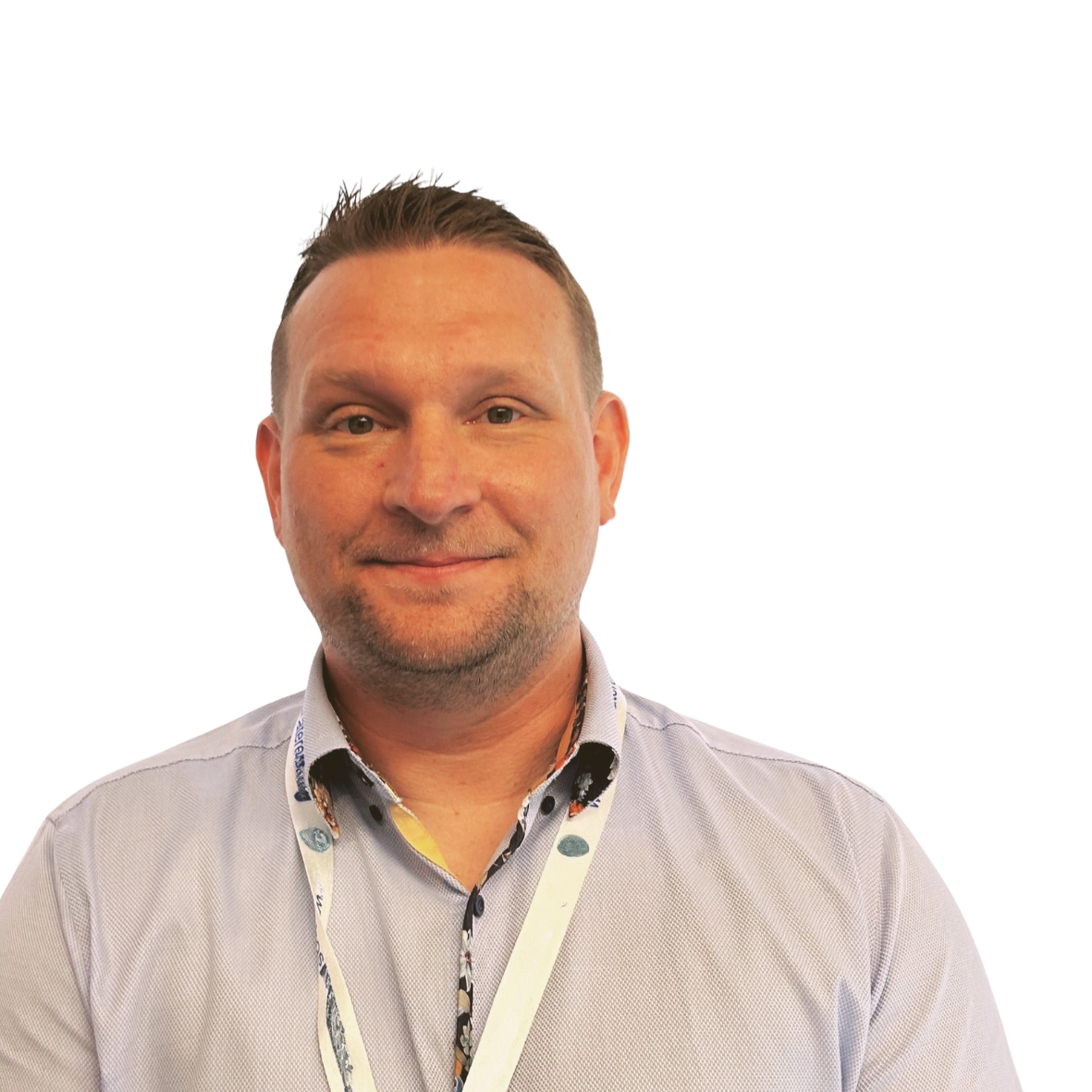
Claire Cooper, (PICTURED) Senior Associate Solicitor specialising in medical negligence at Rothera Bray, said the report's publication is both emotional and significant for those affected.

"Many families have shown immense courage in speaking out about their devastating experiences," she said. "Families need to know that their experiences will lead to change. That means better communication, safer systems and a culture that listens to concerns and acts on them, Claire told That's Health.

The review paints a troubling picture of long-standing concerns within the Trust. According to the report, warning signs relating to staffing, leadership, organisational culture and patient safety were identified as far back as 2007. Despite a series of reviews and interventions over the following years, many of these issues persisted.

Among the concerns highlighted by Donna Ockenden were insufficient staffing levels, difficulties accessing essential training, failures to listen to parents' concerns and a culture that sometimes discouraged staff from speaking up.

Importantly, the report does not simply look back at what went wrong. It also sets out 18 Immediate and Essential Actions designed to improve maternity care across England. These recommendations include strengthening communication with families, improving workforce planning, enhancing maternity record keeping, supporting staff training and ensuring concerns can be escalated quickly through measures such as Martha's Rule.

Healthcare leaders are now being urged to act swiftly to implement these recommendations.

The review team has emphasised that safe, compassionate and equitable maternity care is achievable, but only through sustained commitment to accountability, transparency and learning.

For families involved in the review, individual feedback reports will be issued between June and December 2026, providing greater clarity about the care they received. Some families will also be offered meetings to discuss their findings in more detail.

While the report cannot undo the pain experienced by affected families, many hope it will mark the beginning of meaningful change across NHS maternity services.

The ultimate goal, campaigners and healthcare professionals agree, must be to ensure that every mother, baby and family receives the safe, respectful and compassionate care they deserve.

https://rotherabray.co.uk

Wednesday, 17 June 2026

Younger Britons Are Driving a New Private Healthcare Boom

The face of private healthcare in the UK is changing, with younger adults increasingly turning to private medical cover and treatment as concerns about NHS waiting times continue to grow.

For many years, private healthcare was often associated with older, wealthier patients seeking elective procedures. 

However, new research suggests a significant generational shift is underway, with younger adults now playing a major role in the growth of the private healthcare sector.

A recent survey by Benenden Health found that 51% of people aged between 18 and 34 consider private health cover appealing. Half of those surveyed said they would consider using private healthcare if NHS waiting times were too long, while 32% said they would actively prefer private healthcare for their medical needs.

By comparison, only 14% of people aged over 55 expressed the same preference.

The findings suggest that younger generations are increasingly motivated by access to care rather than major medical procedures. Fast appointments, quicker diagnoses and shorter treatment times are becoming key factors in healthcare decisions.

The trend is also reflected in industry figures. Data from the Association of British Insurers shows that 6.5 million people held private health insurance in 2024, representing a 4% increase on the previous year and marking the second consecutive record high in more than three decades of reporting.

Of those covered, 4.8 million received insurance through workplace schemes, highlighting the growing role employers are playing in supporting staff wellbeing and healthcare access.

At the same time, insurers processed a record £4 billion worth of private medical insurance claims during 2024, an increase of 13% year-on-year.

The private healthcare sector has continued to expand throughout 2025 and 2026. According to the Private Healthcare Information Network, there were 242,500 private hospital admissions during the first quarter of 2026, making it the second-busiest quarter ever recorded.

Interestingly, insured admissions increased while self-funded admissions declined, suggesting more patients are relying on health insurance rather than paying directly for treatment.

Healthcare marketing specialists at MediWorks Digital believe this trend has important implications for private clinics. Younger patients are more likely to research providers online, compare reviews and examine websites before making contact.

Meanwhile, NHS pressures remain significant. England's elective treatment waiting list stood at approximately 7.1 million in spring 2026, well above pre-pandemic levels.

As healthcare expectations evolve, younger generations appear increasingly willing to explore private options in pursuit of faster access to care, signalling a major shift in the UK's healthcare landscape.

https://mediworksdigital.co.uk

Monday, 8 June 2026

World Blood Donor Day: A Simple Act That Saves Millions of Lives

Mark World Blood Donor Day by learning how blood donation saves lives, supports hospitals and helps patients in need every day.

Every year on 14 June, countries around the world come together to mark World Blood Donor Day, a special occasion dedicated to thanking voluntary blood donors and raising awareness of the vital role blood donation plays in healthcare.

It is one of the simplest ways we can help others, yet its impact can be truly life-changing.

Why Blood Donation Matters

Blood cannot be manufactured in a laboratory. And artificial blood substitutes are, as yet, still a long way in the future.

Hospitals rely entirely on donations from generous volunteers to ensure a constant supply is available for patients who need it.

Every day, donated blood is used to help people undergoing surgery, cancer treatment, organ transplants and emergency medical care. It is also essential for treating complications during childbirth and supporting patients with serious blood disorders.

A single donation can potentially help several people, making every donor an important part of the healthcare system.

The Need Never Stops

One of the biggest challenges faced by blood services is maintaining a steady supply. Blood products have a limited shelf life, meaning fresh donations are always needed.

Demand remains high throughout the year, regardless of holidays, weather conditions or seasonal events. This is why regular donors are so valuable.

Many people assume someone else will donate, but healthcare providers depend on a broad and diverse donor base to meet the needs of different patients and blood groups.

Who Can Donate?

Most healthy adults can become blood donors, although eligibility requirements vary depending on age, weight, medical history and other factors.

If you've never donated before, World Blood Donor Day is the perfect opportunity to find out whether you could help.

Many first-time donors are surprised by how quick and straightforward the process is. The donation itself usually takes only a few minutes, while the entire appointment can often be completed within an hour.

More Than Just Blood

Donating blood offers something beyond the physical donation itself. Many donors describe a strong sense of satisfaction knowing they may have helped save a life.

In a world where many problems can feel overwhelming, blood donation is a practical and meaningful action that makes a real difference.

A Chance to Say Thank You

World Blood Donor Day is also an opportunity to recognise the millions of people who already donate regularly. Their generosity helps ensure hospitals can provide critical treatment whenever it is needed.

Whether you are a long-time donor or considering making your first appointment, this year's World Blood Donor Day is a reminder that a small act of kindness can have an extraordinary impact.

After all, giving blood doesn't just save lives, it helps build healthier, stronger communities for everyone.

https://www.blood.co.uk

Monday, 23 February 2026

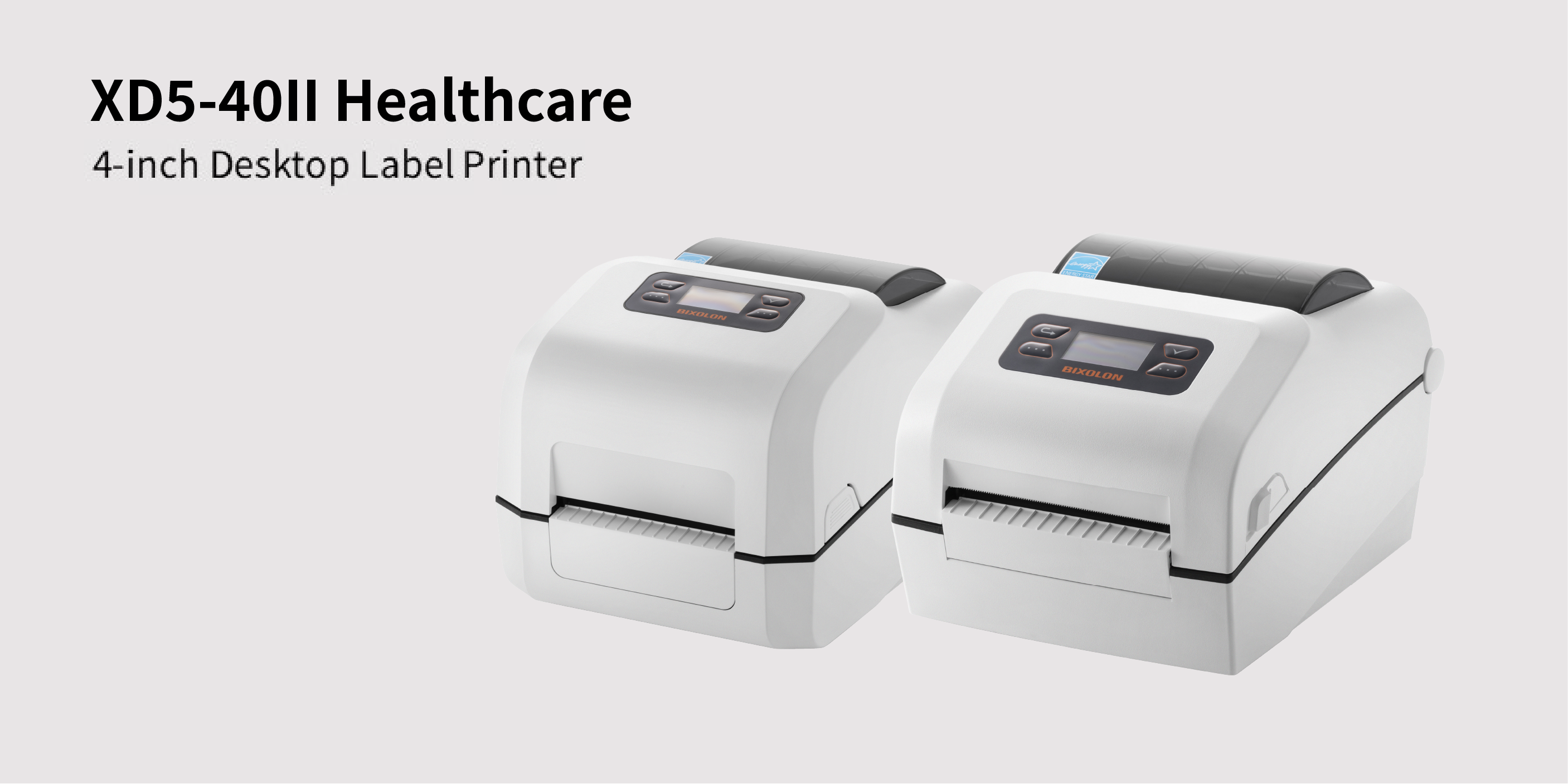
BIXOLON Introduces Healthcare-Optimised Desktop Printers with Advanced Safety and Hygiene Features to the European Market

BIXOLON Europe GmbH, a subsidiary of BIXOLON Co. Ltd, a leading global Mobile, Label and POS printer manufacturer, today announces the European launch of its NEW Healthcare desktop printer line, comprising of the XD5-40IId and XD5-40IIt Healthcare models.

Designed specifically to meet the stringent requirements of today’s healthcare environments, the range brings together BIXOLON’s proven desktop printing performance with enhanced features tailored for medical applications.

Launching as part of the XD5-40II series which comprises of the XD5-40IId direct thermal and XD5-40IIt thermal transfer label printers, alongside the XD5-40IItR RFID printer with UHF printing and encoding capabilities. 

These new 4-inch (118 mm) Healthcare models deliver 203 dpi high-resolution printing at speeds of up to 8 ips (203 mm/sec). Offering a full suite of connectivity options - including USB, USB Host, Serial, Ethernet, WLAN and Bluetooth which is supported by powerful processing for rapid data throughput. Featuring an integrated LCD display, compact footprint, simple maintenance and broad media compatibility, the XD5-40II Healthcare series provides dependable performance for busy clinical environments.

To meet the specific needs of European hospitals, laboratories and other healthcare facilities, the models have built with additional medical-grade enhancements. 

Each device is equipped with an IEC 60601-1 compliant power supply for safe operation in patient care areas, while the disinfectant-ready, antimicrobial casings are designed to withstand regular cleaning cycles and help reduce contamination. 

Their UV-resistant enclosures ensure long-term durability, even with repeated sterilisation or UV exposure. 

These combined features make the NEW healthcare models ideal for applications such as patient ID wristbands, specimen and diagnostic test labelling, pharmacy dispensing and healthcare asset tracking—supporting improved patient safety, regulatory compliance and overall operational efficiency.

“As healthcare providers across Europe continue to prioritise patient safety and operational resilience, our new Healthcare series offers a reliable, compliant and future-ready solution,” Paul Kim, Managing Director, BIXOLON Europe GmbH, told That's Health.

“The XD5-40II H range are purposely-built to support the unique standards and expectations of European clinical environments.”

www.BixolonEU.com

Tuesday, 3 February 2026

SINGU acquires Synbiotix to expand healthcare facilities management capabilities

SINGU, a top European provider of cloud-based software for property operations and facility management has acquired UK-based Synbiotix. 

The acquisition strengthens SINGU’s presence in the United Kingdom and expands its healthcare capabilities, with a particular focus on supporting the operational and regulatory needs of the UK’s National Health Service (NHS).

Synbiotix is an established provider of specialised software solutions for healthcare facilities management with a focus on catering, compliance, infection prevention and control (IPC), as well as audit and governance processes. 

Its solutions support healthcare organisations in managing regulatory requirements efficiently, reducing operational risk and improving patient safety. 

Through the acquisition, Synbiotix adds a critical healthcare-specific component to SINGU’s building operations platform, and complements the existing Micad solutions.

Following SINGU’s acquisition of Micad in 2025, which expanded its space and asset management capabilities, the addition of Synbiotix further strengthens the Group’s integrated facilities management offering. 

Together, SINGU provides the core CAFM and maintenance platform, Micad adds space, compliance, and asset intelligence, and Synbiotix delivers specialist digital tools for a complete facilities management operation. Combined, these solutions enable healthcare organisations to manage facilities, catering, and operational requirements through a single, coordinated technology environment.

PaweÅ‚ Malon, Group CEO, told That's Health: “The acquisition of Synbiotix significantly strengthens our position in the healthcare market and further establishes SINGU as a leading European provider of property operations software. 

"We are committed to building an integrated, end-to-end platform that drives value across complex property operations. I look forward to working with Mark Edell and his team to drive operational excellence and improve patient experience.”

Synbiotix will continue to operate within the SINGU Group, ensuring continuity for existing customers while gaining access to a scalable, cloud-based platform designed to meet the evolving needs of the healthcare sector. 

The integration also creates new opportunities to develop Synbiotix’s solutions within a broader ecosystem and extend them to the existing Micad customer base—supporting seamless operations across more than 200 NHS Trusts and many other clients.

“Joining SINGU represents a strategic milestone for Synbiotix. We contribute deep healthcare expertise and many years of experience working with the NHS, while benefiting from the technological strength and scalability of the SINGU platform. This combination creates new opportunities to further develop our solutions and deliver even greater value to healthcare organisations,” added Mark Edell, Managing Director of Synbiotix.

The acquisition of Synbiotix forms part of SINGU’s continued growth strategy in Europe and underlines the strategic importance of the healthcare sector to the Group. It follows SINGU’s acquisition of Micad and net-haus in 2025, and reflects a targeted buy-and-build approach aimed at creating a leading, vertically integrated platform for mission-critical applications across property operations.

For more information, visit SINGU.com.

Thursday, 26 June 2025

The Curious Case of Fad Medical Diagnoses: Stress, Viruses, and Obesity

Medicine is a science, but it's also a product of its time. While human biology doesn’t change overnight, our understanding—and interpretation—of it often does. 

Over the decades, we've seen waves of what can only be described as fad medical diagnoses, where particular conditions become fashionable explanations for a broad spectrum of symptoms. 

At one time, it seemed every illness was caused by stress. Then, viruses took the blame. More recently, obesity has become the go-to culprit. But why do these diagnostic trends happen?

A Brief History of Blame

1. The Stress Epidemic (1970s–1990s)

In the late 20th century, as society became increasingly fast-paced, stress emerged as the catch-all diagnosis. From ulcers to insomnia, palpitations to headaches—everything was explained away as "just stress." While stress does have real physiological effects, its popularity as a blanket diagnosis often masked underlying issues. Mental health was poorly understood, and doctors lacked the tools or time to probe deeper.

2. The Virus Craze (1990s–2010s)

With the rise of better viral testing and media attention on outbreaks like swine flu, SARS, and Epstein-Barr, viruses became the next fashionable explanation. Vague, lingering illnesses like chronic fatigue syndrome or fibromyalgia were sometimes attributed to "post-viral" syndromes, even when no clear viral trigger was identified. It was often a medical shrug: "It must’ve been a virus."

3. The Obesity Blame Game (2010s–present)

As obesity levels rose globally and its links to chronic illness became undeniable, it began to overshadow other potential causes. Tired? Breathless? Achy joints? All too often, the patient hears, “Well, you need to lose weight.” 

While obesity is a risk factor for many conditions, the danger of overdiagnosing based on weight is that legitimate, unrelated issues might be missed, or dismissed entirely.

Why Does This Happen?

Time Pressure in Healthcare

Modern medicine often runs on tight schedules. GPs and consultants have limited time, and when a patient presents with nonspecific symptoms, it’s tempting to default to a commonly accepted explanation.

Lack of Diagnostic Certainty

Medicine doesn’t always have clear answers. When faced with a “mystery” illness, especially one that doesn’t fit textbook criteria, clinicians sometimes reach for diagnoses that feel safe, familiar, and broadly accepted.

Media and Public Perception

Popular health scares and media narratives shape both patient and doctor expectations. When stress, viruses, or obesity dominate headlines, they become part of the cultural consciousness—and diagnoses tend to follow.

Bias and Stigma

Sadly, stigma plays a role. Patients who are overweight or anxious may not receive the same level of investigative care, and their symptoms might be prematurely written off. This can lead to missed or delayed diagnoses.

The Risks of Fad Diagnoses

Misdiagnosis and Delayed Treatment: Patients may suffer longer because the real issue isn’t being addressed.

Erosion of Trust: Patients who feel dismissed may lose faith in the healthcare system, becoming less likely to seek help.

Overmedication or Undertreatment: Treating the wrong cause, such as prescribing antidepressants for stress when the issue is hormonal, can do more harm than good.

A Better Way Forward

Healthcare professionals and patients alike must be aware of the tendency toward diagnostic shortcuts. Good medicine demands curiosity, listening, and a willingness to dig deeper: Even when the answer isn’t obvious. Diagnostic trends will always exist, but critical thinking and personalised care must remain the gold standard.

Last notes:-

Just as fashion changes with the seasons, so too does the lens through which we view health. But while trousers can be swapped out easily, medical diagnoses affect lives. We must resist the urge to settle for convenient answers, and instead strive for accurate, compassionate, evidence-based care—no matter how “in vogue” a diagnosis might be.

Saturday, 14 June 2025

Addressing the Postcode Lottery in NHS Healthcare: Why Where You Live Shouldn’t Determine the Care You Get


In a country that prides itself on having a National Health Service (NHS) free at the point of use, it seems contradictory — even unjust — that the quality of care one receives can still be influenced by where they live. 

This phenomenon, known as the "postcode lottery," is a growing concern across the UK. It highlights stark regional variations in access to treatments, waiting times, specialist care, and even basic services. For a health system built on equity, this inconsistency raises serious questions.

What Is the Postcode Lottery?

The term “postcode lottery” refers to the variation in public services based on geographical location. In healthcare, it means that patients in some regions may have access to life-enhancing or life-saving treatments that are unavailable just a few miles away. 

This is not due to medical need or clinical appropriateness, but because of local funding decisions, administrative inefficiencies, or staffing shortages.

Real-Life Examples of the Inequality

Cancer Treatments: Access to the latest cancer drugs can vary from one NHS Trust to another, with some areas offering cutting-edge therapies while others cite budget constraints.

Mental Health Services: Waiting times and available therapies for mental health support differ widely. A child referred for mental health services in one part of the country might be seen within weeks, while another elsewhere could wait months.

IVF Treatment: Some Clinical Commissioning Groups (CCGs) offer three rounds of IVF treatment, while others offer just one — or none at all.

GP and Dental Services: The number of GPs and NHS dentists per capita is significantly lower in some regions, leading to long waits and overstretched services.

Why Does It Happen?

Several factors contribute to this disparity:

Decentralised Decision-Making: Local Integrated Care Boards (ICBs, formerly CCGs) decide how NHS funds are spent in their areas, resulting in different priorities and service levels.

Staffing Shortages: Rural or deprived areas often struggle to attract and retain skilled medical professionals.

Socioeconomic Factors: Areas with high levels of deprivation often face higher health needs but may receive proportionally less funding.

Infrastructure and Resources: Legacy infrastructure, hospital capacities, and even transport links affect how care is delivered and accessed.

The Impact on Patients

The postcode lottery doesn’t just affect statistics; it impacts real lives. Delayed diagnoses, lack of access to innovative treatments, and long waits for referrals can worsen patient outcomes. It can also contribute to increased anxiety, financial strain (as patients may choose to go private or travel long distances), and a sense of injustice and inequality.

Addressing the Postcode Lottery

National Standards and Accountability: The NHS must implement and enforce more uniform national standards, ensuring that minimum service levels are guaranteed across all regions.

Transparent Data Sharing: Making data on regional disparities public can drive accountability and help patients and advocacy groups campaign for change.

Better Funding Allocation: Funding models should take into account local health needs and deprivation levels more fairly, ensuring that areas with greater needs receive proportional support.

Centralised Access to Treatments: High-cost treatments and specialised services should be commissioned at a national level where possible, to prevent disparities driven by local budget decisions.

Incentivising Workforce Distribution: Offering financial incentives, career development opportunities, and housing support for healthcare workers in under-served areas could help address staffing imbalances.

Digital Health and Telemedicine: Expanding remote consultations and digital health tools can bridge gaps, especially in rural or underserved areas, improving access to GPs and specialists.

Final Thoughts

The NHS is often described as the “jewel in the crown” of British society, but the postcode lottery tarnishes that reputation. A truly equitable health service must offer consistent, high-quality care regardless of geography. It is time for policy-makers, NHS leaders, and the public to demand an end to the postcode lottery and push for a system that delivers on the promise of universal care — equally and fairly for all.

Wednesday, 4 October 2023

NHS workforce crisis needs immediate reforms alongside longer-term plans

With healthcare strikes in the news again, the Association of Professional Staffing Companies (APSCo) has warned that the NHS Workforce Plan is still missing the mark and will have little immediate impact on the skills crisis.

Tania Bowers, Global Public Policy Director at APSCo commented: “The workforce crisis in the NHS isn’t easily resolved and while the NHS Workforce Plan has been designed to create a more sustainable access to resources, the impact of most tactics could take 15+ years to be truly felt. APSCo has previously highlighted that access to globally trained healthcare professionals needs to be more widely available, but conversations with our members have highlighted a number of additional changes needed in this strategy.

“This includes a plan to ensure there are not only sufficient, but also appropriate, flexible training pathways that enable new routes into careers in healthcare. We also believe that there needs to be an assessment of how the funding and contractual terms for the supply of clinical staff are affecting the ability to change the supply pipeline and skill-mix.

“While attracting resources is a problem, retention issues also prevail and haven’t been covered in much detail in the plan. Workforce unrest and burnout are real problems in the healthcare sector and if these aren’t adequately addressed, the success of any recruitment strategies will be limited.

“Conversations with our members have also highlighted that there needs to be a more detailed assessment as to how the plan can be successfully delivered across all regions and what the implications of over or under supply will be.

“With strikes once again plaguing the sector, more immediate solutions are required beyond the Workforce Plan. In particular, the red tape many employers face when hiring agency workers needs to be cut. An example is the lack of conformity around pre-hiring compliance and safety checks of permanent and agency staff which is contributing to the increased costs and delays of getting nurses and doctors in front of patients. 

"A specialist, compliant to work for a Trust hospital under one CCG, may not necessarily be so at another hospital or primary care centre that operates under the same group, meaning there is minimal agility or responsiveness in workforce management.”

Find out more: www.apscouk.org

Wednesday, 22 February 2012

Direct Health rolls-out Advanced’s electronic call monitoring with inclusive airtime to 2000 care workers

Direct Health is Advanced Health & Care’s biggest iConnect deal to date

Direct Health is rolling-out an electronic call monitoring (ECM) solution from Advanced Heath & Care (Advanced), which includes iConnect, StaffPlan Roster, StaffPlan Monitor and Orange airtime, following a successful three month pilot.

The contract with Direct Health is Advanced’s biggest ECM order to date, with 2000 care workers planning to use iConnect and 200 staff expected to use StaffPlan Roster. Direct Health is one of the UK’s leading home care providers, delivering cost-effective care and support to 6,500 service users across 18 sites in the North and the Midlands.

Advanced’s iConnect provides a mobile point of care solution to carers in the community. In addition to delivering real-time task lists and care recipient data to care workers via their mobile phones, the solution records actual arrival and departure times. To prove attendance, care workers simply touch in and out at each visit, using their NFC-enabled mobile devices coupled with radio-frequency identification (RFID) tags fitted within service users’ homes. StaffPlan Monitor is the landline alternative to iConnect, enabling care works to record their arrival and departure times by dialling a free-phone number from the service user’s phone.

The data that is collected from iConnect and StaffPlan Monitor is fed back to Advanced’s Staffplan Roster system in real time, giving managers a holistic view of electronic timesheets so that they know exactly when staff arrive and depart from their shifts.

180 Direct Health care workers are currently using the iConnect solution on Samsung Tap mobile phones. Time and attendance information is then instantly fed back to StaffPlan Roster, which is managed by 15 office-based staff. All 2000 care workers are expected to be live with iConnect by September 2012.

Richard Gordon, Managing Director of Direct Health says, “We recognised the need for mobile solutions that could disseminate staff rosters and record accurate time and attendance information. These solutions were needed to ensure compliance, improve efficiency, assist with the administration of our workforce, deliver cost savings and further improve care delivery.”

Gordon continues, “We chose Advanced as our mobile solutions provider because the company is highly regarded in the care world and has one of the most professionally developed products. Importantly, Advanced could provide us with a comprehensive solution encompassing the software, mobile devices and airtime. This was a very compelling proposition.”

The pilot phase of the project ran from September 2011 until November 2011 and early indications are that the solutions are improving operational efficiency, transparency of information and workforce management. Direct Health is also expecting cost savings and anticipates a short payback period. In addition, local authorities are likely to have greater confidence in what they are billed.

Care workers are adapting well to the new iConnect solution following 30 minute training sessions. Paper rosters no longer need to be carried around and care workers on the road have instant, real-time access to their appointments, enabling them to spend less time on administration and more time delivering patient care.

iConnect is also making life easier for service users, as Gordon explains, “One of the benefits of the electronic call monitoring solution is that the new technology is far less intrusive. It removes the burden on our service users who are generally elderly people, to prove carer attendance by signing a paper document.”

Jim Chase, Managing Director of Advanced Health & Care says, “We are delighted that Direct Health is already seeing the benefits of using our electronic call monitoring solution. We have seen an enormous surge in demand for mobile solutions in the care sector due to their efficiency and cost saving benefits. We expect this demand to continue, especially as electronic call monitoring typically provides improvements in compliance as well as significant workforce efficiencies.”

Wednesday, 7 December 2011

SEHTA welcomes new government plan for telecare

SEHTA, the South East Health Technologies Alliance, has welcomed the Prime Minister’s announcement that telecare and telehealth systems will be rolled out to the homes of three million people over the next five years as part of a plan to help patients and reduce costs.

On Tuesday this week (6 December), David Cameron launched “3 Million Lives”, a campaign that aims to enhance the lives of millions of people with chronic conditions, such as diabetes and heart disease, by accelerating the rollout of telecare and telehealth services across England.

In support of the campaign, the Department of Health has published headline findings from Whole Systems Demonstrator, an extensive trial of telecare and telehealth services delivered to 6,000 people. Findings from the study showed a 45% reduction in mortality rates, 20% reduction in emergency admissions, 15% reduction in A&E visits, 14% reduction in elective admissions and 14% reduction in bed days.

SEHTA has been focused on the telecare and telehealth market for the past three years.

In September 2009, SEHTA established its pioneering International Centre for Excellence in Telecare (ICE-T), a market-led approach to telecare and telehealth. Since its launch, ICE-T has grown to become a dynamic network of more than 1,500 contacts in companies, medicine and academia in the UK and internationally. The initiative has also helped to raise more than £1.5 million for innovative businesses involved in the development and delivery of telecare and telehealth products and services.

“This is a very significant announcement and commitment which we welcome with open arms,” says Dr David Parry, CEO of SEHTA. “Members of the ICE-T have for some time been developing a whole range of innovative products and services that are designed to help people live ways that suit them, their families, and those providing care.

“Our members have also shown how telecare and telehealth can be of significant benefit, not just in terms of assisting people, but helping the NHS and other healthcare providers to achieve greater efficiencies and reduce their costs.

“ICE-T members are ready to help deliver this commitment by government now that the case for telecare and telehealth has been proven through the Whole System Demonstrator.”

Speaking at the launch of the Strategy for UK Life Sciences in London, the Prime Minister, David Cameron, said the aim of the new campaign is to improve three million lives over the next five years. “This is going to make an extraordinary difference to people,” he said. “Diabetics taking their blood sugar levels at home – and having them checked by a nurse. Heart disease patients having their blood pressure and pulse rate checked – without leaving their home.

“This is not just a good healthcare story. It’s going to put us miles ahead of other countries commercially too as part of our plan to make our NHS the driver of innovation in UK life sciences."

To find out more about SEHTA, please visit: www.sehta.co.uk

FACTFILE:

The South East Health Technologies Alliance (SEHTA) is a company limited by guarantee, owned by its 1300 members.

Its mission is to facilitate the profitable and sustainable growth of companies and service providers in health and social care and the health technologies sector – pharmaceuticals, biotechnology, medical devices diagnostics and telelcare/telehealth.

SEHTA drives collaboration and provides support services to members from Academia, Business and Care/Clinicians to address UK and international market needs.

ICE-T - International Centre of Excellence in Telecare

http://www.sehta.co.uk/telecare

ICE-T is a special interest group of SEHTA, which has become an international focal point for Telecare and Telehealth. ICE-T is a facilitating, innovative and catalytic organization created to address and develop the business opportunities for Telecare and Telehealth, alongside meeting the needs of national government agendas to provide more efficient and effective health care using new communications technologies.

ICE-T is underpinned by the strength of South East England’s health technology and communications industries, world-renowned universities and innovative care providers.

Tuesday, 11 October 2011

NHS Reform to Benefit Patients With Private Health Insurance?


ActiveQuotePatients with private health insurance will be the main beneficiaries of the Health and Social Care Bill, as NHS hospitals across England reveal plans to expand their private facilities.The NHS reforms, originally proposed by Health Secretary Andrew Lansley, will remove the cap on earnings from private companies. With the cap removed, many NHS hospitals will look to boost their income by improving and expanding their private patient services.

Over seven NHS trusts across England have already revealed plans to increase their private facilities in preparation for the new Bill.

In the East, Cambridge University Hospitals NHS Foundation Trust plans to start construction work on a new complex containing a private hospital in 2012. Papworth Hospital NHS Foundation Trust has also recently commenced a project with private provider Spire Healthcare.

In the south Midlands, Milton Keynes Hospital NHS Foundation Trust plans to establish a new private patient’s facility. In the South, Basingstoke and North Hampshire NHS Foundation Trust looks to invest £2.5million in a private ward of single rooms.

In London, Royal Marsden NHS Foundation Trust plans to increase its number of private care beds by 30% by 2012. Additionally, King’s College Hospital NHS Foundation Trust plans to refurbish its private patient wing.

One way to protect you and your family’s health in light of the Health and Social Care Bill is to compare health insurance policies with health insurance comparison sites such as ActiveQuote.com, and make full use of the increase in private facilities in NHS hospitals.

Richard Theo, of health insurance comparison site ActiveQuote.com, said: “There is a lot of controversy over the proposed NHS reforms, but the Bill will actually benefit people with private medical insurance. Health conscious patients should compare medical insurance quotes and take advantage of the UK’s excellent private healthcare system”.

There are many benefits to staying in a private unit. A patient with health insurance will avoid the long NHS queues and be treated at a time of their choice, with a consultant of their choice. Patients with health insurance will also be treated in an en-suite private room, with use of a personal telephone and television.

In addition, a private unit situated in an NHS hospital will benefit from the comprehensive services of a large hospital, including access to cutting edge clinical research.

Annual plans submitted by NHS Foundation Trusts to Monitor

FACTFILE:

ActiveQuote Health Ltd is a health insurance broker, fully authorised and regulated by the Financial Services Authority (FSA) number 501109 as a health insurance intermediary.

ActiveQuote offer free advice on private medical cover in the UK.

enquiry@health.activequote.com
Tel: 0800 862 0373

Tuesday, 5 July 2011

Opportunity to meet the 'new' buyers of Telecare and Telehealth

With public sector health budgets under scrutiny and in some cases in the doldrums, the private healthcare sector has emerged as the new buyer of Telecare and Telehealth products and services.

On the 12th of July, Telecare and Telehealth sellers will have the chance to meet not just traditional public sector health and care purchasers, but also a range of new types of buyers: private health and care providers, global pharmaceutical and healthcare companies, national pharmacy chains, communications and electronics multinationals, and investors. Organised by SEHTA, the South East Health Technologies Alliance, ICE-T Meet the Buyers 2011 is taking place at the British Medical Association, BMA House, London.

With public health and social care sector procurement paralysed by organisational changes and budgetary cuts, innovative Telecare and Telehealth sellers are turning to the private healthcare marketplace to maintain and improve their business revenues. ICE-T Meet the Buyers 2011 provides access to this developing marketplace.

The event offers companies the prospect of meeting up to 30 major buyers with the interest and budget for purchasing Telecare and Telehealth products and services. There are opportunities for partnering, networking and deal-making. Online partnering for the event is now live. Once registered, sellers can preview details of participating buyers, make contact before the event and pre-book up to twelve 30-minute one-to-one partnering meetings.

To find out more about this event, please visit: http://icetmtb2011.meeting-mojo.com

Thursday, 23 June 2011

Fouled beds, lack of education, poor support for front line workers, reduction in continence care

An article by ARC Healthcare, carried by That's Health as a public service

“The NHS changes will not affect front line workers” Said the Prime Minister.

We believe it is a rather naïve approach to belief that senior managers in the NHS will not cut or change the staff employed in care to address the economic pressures they are under.

The reduction in the budgets led us to believe that savings were essential in the long term. However the knee jerk reaction of local authorities resulted in the reduction of many staff. The changes and goals were “too much too quick “.

The press has been full of incontinence issues recently. Mothers and fathers not getting correct care, relatives finding loved ones in beds of urine and faeces, older people not receiving products to allow them some dignity. If we did not know better it reads like a Dickens story of old work houses. Florence Nightingale even tried to give patients some dignity and prevent the basic problems occurring such as malnutrition and dehydration.

Where has it all gone so wrong?

We understand the demands on the health services but not every patient requires an expensive treatment, some require basic nursing care. The demise of the enrolled nurse worried many of us long enough in employment, to realize who would be left to “nurse” the patient’s .The introduction of the degree nurses were seen as the way forward to a more academically qualified profession. These nurses arrived on the wards with a lot of knowledge but found it difficult to put it into practice .We believe the nursing profession requires a combination of specialists and those with highly complex skills as well as the nurse who can carry out the essential necessities of caring for the patient ,such as toileting and feeding.

Present perceived concerns are two fold,

1. Why are senior clinical specialists systematically being downgraded or their jobs being changed into pure management roles? Who is the role model being left to carry out the clinical supervision of junior staff, as so often quoted the clinical leader?

2. Who will carry out the” trained skills “around basic health requirements if NVQ levels vanish? The feeding and washing ,the mouth care .The toileting care and fluid intake required to ensure dehydration, constipation and pressure sores do not occur
Bladder and Bowel care are fundamental to good care; they are the barometer of how the patient is responding to treatments and management.

Education and training has sadly been the first thing to vanish. The reduction of front line staff across all disciplines has further led to staff being unable to access training due to these shortages.

ARC Healthcare, having recently launched an on line journal free to all front line workers offering them a chance to interact with other professionals and read practical articles has seen an increase in their web site activity.

This highlights the need of these staff for knowledge to improve the quality of care for whom they care for with dignity and respect.

For further details visit www.arc-healthcare.com

Tuesday, 12 April 2011

Healthcare can’t afford to ignore compliance issues

Recently, the General Medical Council said that existing European rules, banning its testing of GPs’ language skills, represent a risk to patient safety after reports emerged that some doctors are unable to communicate in English.

With growing awareness of professional misconduct in the medical sector and GMC plans to introduce changes to the way it treats the fitness to practice impairment, it’s time for medical recruitment to increase its focus on compliance, says medical recruiter, Your World.

Tony Moss, Managing Director of Your World says: “The problems that have arisen from recruiting EU citizens who are unable to communicate in English and have little knowledge of UK hospital procedures, are now spreading from being an issue surrounding doctors into the nursing profession.”

Poor English is not the only issue affecting the medical profession. Reports have indicated that bogus doctors from overseas can enter the NHS by showing fake certificates or ID, and some are even capable of hiding suspensions in their home countries due to a lack of standard checks. Even qualified doctors from other countries can struggle to carry out procedures that are standard in Britain, due to the differences in training. Tony Moss believes that EU directives need to take language and cultural gaps into account.

“The problem lies with lenient rules and lack of prevention plans” says Moss. “Recruiters and the NHS should not be afraid to say no to those who are unprepared for the fast-paced NHS environment or to decline EU professionals whose standard of English is not high enough. If they don’t perform enough security checks they could be employing unprepared or even unqualified medical staff who will be responsible for people’s lives. Medical institutions and recruiters alike should be taking greater steps in ensuring that their candidates are up to par.”

Your World has its own dedicated compliance teams in both the UK and Australia, as well as having a strict vetting procedure, regular training courses and continuing professional development for candidates. Moss adds “We ensure that our compliance and recruitment teams check everyone’s qualifications, experience and references throughout the registration process and beyond.”

The GMC EU directives will be reviewed in 2012 and the GMC is consulting separately on major changes to the way fitness to practice cases are dealt with at the end of an investigation.