Showing posts with label hygiene. Show all posts

Saturday, 24 October 2026

Remembering Mia: A Call to Make Eating Out Safer for People with Allergies

Mia Shay St Hilaire was 12 when she died after drinking a milkshake contaminated with hazelnut residue.

At the inquest, the coroner concluded that a Twix milkshake Mia ordered at a Bermondsey café had been made in a blender that had not been cleaned after it was used to prepare a Kinder Bueno milkshake.

Mia had a nut allergy. She suffered a rapidly progressing allergic reaction and, despite extensive emergency treatment and care in intensive care, died in hospital on 30 August 2023.

It is difficult to imagine the grief her family continue to live with. Their account of Mia also makes clear that she was far more than the circumstances of her death. She was adventurous and curious about the world, loved music and played several instruments, including the flute, drums and guitar. 

She was learning Mandarin, Latin and French, and dreamed of travelling. Her family describe a young person who embraced life and its possibilities.

Following the inquest, Mia’s parents thanked the coroner for investigating what happened and called for changes to help protect people living with food allergies. 

They want a clear, comprehensive framework for allergy management, stronger guidance and training for local authority inspectors, better support and training for food businesses, and a dedicated allergy safety rating to help customers make informed choices.

A standard food hygiene rating can tell customers about a business’s hygiene standards, but Mia’s family say it does not show how well that business manages allergens. Their proposal is intended to give people with allergies clearer information when deciding where to eat.

There are practical safeguards food businesses can put in place. The Food Standards Agency advises businesses to keep allergen information accurate and up to date, train staff to handle allergy enquiries, and clean utensils and equipment between uses to reduce the risk of cross-contamination.

For people with food allergies and their families, eating out should not have to mean accepting avoidable uncertainty. Mia’s parents hope that lessons from the inquest will lead to stronger protections and help prevent another family from experiencing such a loss.

Remembering Mia means recognising her love of music, learning and adventure, and listening to the changes her family are asking for in her name.

Mia's family are represented by specialist law firm Leigh Day https://www.leighday.co.uk

Monday, 23 February 2026

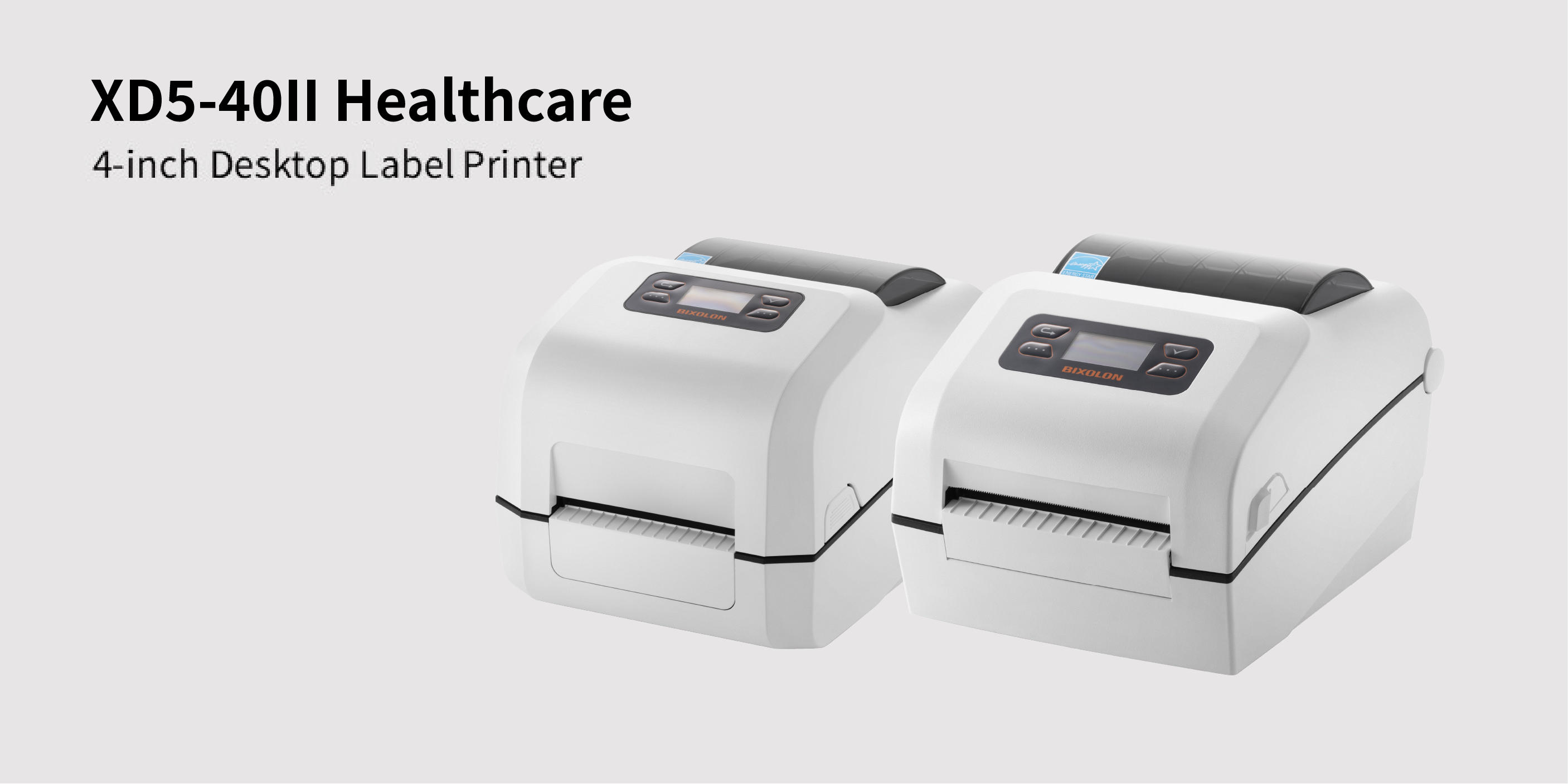
BIXOLON Introduces Healthcare-Optimised Desktop Printers with Advanced Safety and Hygiene Features to the European Market

BIXOLON Europe GmbH, a subsidiary of BIXOLON Co. Ltd, a leading global Mobile, Label and POS printer manufacturer, today announces the European launch of its NEW Healthcare desktop printer line, comprising of the XD5-40IId and XD5-40IIt Healthcare models.

Designed specifically to meet the stringent requirements of today’s healthcare environments, the range brings together BIXOLON’s proven desktop printing performance with enhanced features tailored for medical applications.

Launching as part of the XD5-40II series which comprises of the XD5-40IId direct thermal and XD5-40IIt thermal transfer label printers, alongside the XD5-40IItR RFID printer with UHF printing and encoding capabilities. 

These new 4-inch (118 mm) Healthcare models deliver 203 dpi high-resolution printing at speeds of up to 8 ips (203 mm/sec). Offering a full suite of connectivity options - including USB, USB Host, Serial, Ethernet, WLAN and Bluetooth which is supported by powerful processing for rapid data throughput. Featuring an integrated LCD display, compact footprint, simple maintenance and broad media compatibility, the XD5-40II Healthcare series provides dependable performance for busy clinical environments.

To meet the specific needs of European hospitals, laboratories and other healthcare facilities, the models have built with additional medical-grade enhancements. 

Each device is equipped with an IEC 60601-1 compliant power supply for safe operation in patient care areas, while the disinfectant-ready, antimicrobial casings are designed to withstand regular cleaning cycles and help reduce contamination. 

Their UV-resistant enclosures ensure long-term durability, even with repeated sterilisation or UV exposure. 

These combined features make the NEW healthcare models ideal for applications such as patient ID wristbands, specimen and diagnostic test labelling, pharmacy dispensing and healthcare asset tracking—supporting improved patient safety, regulatory compliance and overall operational efficiency.

“As healthcare providers across Europe continue to prioritise patient safety and operational resilience, our new Healthcare series offers a reliable, compliant and future-ready solution,” Paul Kim, Managing Director, BIXOLON Europe GmbH, told That's Health.

“The XD5-40II H range are purposely-built to support the unique standards and expectations of European clinical environments.”

www.BixolonEU.com

Sunday, 12 October 2025

Global Handwashing Day: A Simple Act That Saves Lives

Every year on 15 October, people around the world observe Global Handwashing Day, a timely reminder that washing your hands with soap really is one of the most effective tools we have in preventing disease and promoting health.

The day was launched in 2008 by the Global Handwashing Partnership, with the aim of motivating individuals, communities and governments to prioritise hand hygiene. 

Even today, thousands of people, particularly in low-resource settings, lack access to clean water, soap, or functioning handwashing facilities. In both community and healthcare settings, poor hand hygiene enables the spread of infections. 

In fact, studies suggest that improving hand hygiene practices in health care settings alone could prevent up to 50% of avoidable infections acquired during care delivery. 

Why Handwashing Still Matters

Hands are a major vector for transmitting germs between people and surfaces.

Many illnesses, from the common cold and flu to gastrointestinal infections, spread via contaminated hands.

Even when hands look clean, invisible microbes can be present.

In healthcare, care, and school settings, poor hand hygiene contributes to outbreaks and health care-associated infections.

How to Wash Your Hands Properly

From NHS guidance:

Wet your hands with clean running water, then apply enough soap to cover all hand surfaces. 

Rub your hands together, palm to palm.

Rub the backs of hands, between fingers, and under the nails.

Clean your thumbs and fingertips (rotational rubbing).

Continue for approximately 20 seconds (or the time it takes to sing “Happy Birthday” twice). 

Rinse your hands under running water.

Dry them thoroughly with a disposable towel or paper towel. Use it also to turn off the tap, if possible. 

If your hands are not visibly dirty, an alcohol-based hand sanitiser (at least 60% alcohol) can be used as an alternative, but note it is not effective against some organisms, such as those causing norovirus or certain gastrointestinal infections. 

In care settings, hands should be washed for 20 seconds, covering all areas of hands and wrists (liquid soap and warm running water) and dried using paper towels. 

When You Should Wash Your Hands

You should wash your hands at key moments, including:

Before preparing, handling or eating food

After using the toilet or changing a nappy

After coughing, sneezing, or blowing your nose

After touching animals or handling pet food

After touching rubbish or cleaning tasks

When returning home from outside

Before and after caring for someone who is ill

Any time hands are visibly soiled

Theme 2025: “Clean Hands, Healthy Future”

This year’s theme emphasises that sustained investment and behaviour change, especially in schools, healthcare, and community settings, is essential to protect public health and build resilient systems.

How You Can Get Involved

Raise awareness, share information or infographics on social media using #GlobalHandwashingDay.

Teach children, run handwashing demonstrations in schools or at home.

Support access to hygiene facilities, donate or volunteer with charities providing clean water, soap or handwashing stations.

Lead your workplace, encourage hand hygiene policies, provide hand sanitiser and changing facilities, and normalise good practice.

UK Health Resource Links

These trusted UK sources provide further advice, guidelines, and downloadable materials:

Resource Description

NHS: How to wash your hands Step-by-step handwashing guidance and video. 

nhs.uk

Infection Prevention & Control: Adult Social Care (UK Gov) Guidance for care workers on hand hygiene in adult social care settings. 

GOV.UK

Preventing & Controlling Infections in Schools / Childcare (Gov.uk) Advice on hand hygiene in educational settings. 

UK Health Publications Best Practice: How to Handwash Printable posters and guidance from UK health agencies. 

healthpublications.gov.uk

Handwashing policy in general practice / community (IPC) Official documents on hand hygiene in primary care and community settings. 

Infection Prevention Control

Hull University Teaching Hospitals — Hand Hygiene Information Patient-facing leaflet and advice on good practice. 

NHS England: National Hand Hygiene & PPE Policy Institutional policy resource for NHS organisations. 

Friday, 23 February 2024

The Smile Secret: Unveiling the Importance of Dental Hygiene

In the pursuit of a healthier lifestyle, we often overlook a crucial aspect: our dental hygiene. Our teeth, often taken for granted, play a fundamental role not only in our physical health but also in our overall well-being and self-confidence. 

Let's delve into the importance of dental hygiene and why looking after our teeth should be a top priority.

1. Oral Health and Overall Well-being:

Our mouth serves as the gateway to our body, and poor dental hygiene can lead to a myriad of health issues beyond just tooth decay and gum disease. Research has linked oral health problems to serious conditions including heart disease, diabetes, and respiratory infections.

 Neglecting oral hygiene can allow harmful bacteria to thrive, causing inflammation and infection, which can then spread throughout the body. By maintaining proper dental care, we not only preserve our smile but also safeguard our overall health.

2. Prevention is Key:

Prevention is always better than cure, and this holds true for dental care as well. Regular brushing, flossing, and dental check-ups can help prevent the onset of cavities, gum disease, and other dental issues. By investing a few minutes each day in oral hygiene practices, we can save ourselves from the discomfort, pain, and expenses associated with dental treatments in the long run.

3. Confidence Booster:

A bright, healthy smile can work wonders for our self-esteem and confidence. It's often one of the first things people notice about us and can leave a lasting impression. However, stained, damaged, or missing teeth can have the opposite effect, leading to self-consciousness and reluctance to smile openly. By maintaining good oral hygiene and seeking timely dental care, we can ensure that our smile remains a source of pride, boosting our confidence in social and professional settings.

4. Longevity of Teeth:

Our natural teeth are irreplaceable, and preserving them should be a priority. With proper care, our teeth can last a lifetime. However, neglecting dental hygiene can lead to tooth loss, which not only affects our ability to eat and speak but also impacts our facial structure and overall oral health. By adopting good oral hygiene habits and seeking professional dental care when needed, we can prolong the life of our teeth and enjoy better oral health well into old age.

5. Setting a Good Example:

As adults, we have a responsibility to set a good example for the younger generation. Teaching children the importance of dental hygiene from a young age instills lifelong habits that contribute to their overall health and well-being. By demonstrating proper brushing, flossing, and regular dental check-ups, we equip them with the knowledge and tools they need to maintain a healthy smile for years to come.

In conclusion, dental hygiene is not just about maintaining a sparkling smile; it's about safeguarding our overall health, boosting our confidence, and preserving our natural teeth for a lifetime. By prioritising oral care and seeking regular dental check-ups, we can enjoy the countless benefits of a healthy smile and set a positive example for future generations. Remember, a little effort in dental hygiene today can lead to a lifetime of smiles tomorrow.

(Image courtesy of Martine from Pixabay)