Showing posts with label mental health. Show all posts

Monday, 15 June 2026

Giving Loneliness a Voice: Why Connection Matters More Than Ever

As Loneliness Awareness Week marks its 10th anniversary, Marmalade Trust is calling for renewed action to tackle loneliness and strengthen social connections across the UK.

As the UK marks the 10th anniversary of Loneliness Awareness Week (15–21 June), a leading charity is calling for renewed action to tackle what has become one of the nation's most significant public health challenges.

For many people, loneliness is something that remains hidden. It can affect anyone, regardless of age, background, career, or circumstances. While we often associate loneliness with older adults living alone, the reality is that it can touch every stage of life, from students starting university to professionals working remotely and retirees adjusting to major life changes.

New research published by Marmalade Trust reveals 82% of UK adults have experienced loneliness at some point in their lives. Yet despite how common it is, 61% have never told anyone they felt lonely. Over half say feelings of embarrassment, shame or fear of judgement stop people from speaking openly about their experiences.

These findings are particularly poignant during this year's Loneliness Awareness Week, which carries the theme "Giving Loneliness a Voice."

Over the past decade, awareness of loneliness has improved significantly. Society has become more willing to acknowledge that loneliness is a normal human emotion rather than a personal failing. However, Marmalade Trust believes much more needs to be done.

The charity, alongside members of the Loneliness Policy Action Group, is urging government leaders to create a new cross-departmental strategy focused on strengthening social connection. Recommendations include recognising social health as an essential part of overall health, designing communities that encourage interaction, supporting workplace wellbeing, and ensuring technology enhances rather than replaces genuine human relationships.

The role of technology is becoming increasingly important. Twenty-year-old Conor Warren (PICTURED) from Devon described using AI tools during his first months at university to help process feelings of loneliness. 

While he found it useful for organising his thoughts, he quickly realised it could never replace real conversations and meaningful human interaction.

His story will resonate with many young people who feel pressure to appear happy and socially successful, even when they are struggling. The expectation that university, work, or social life should always be enjoyable can make it difficult to admit when feelings of isolation begin to take hold.

Health experts increasingly recognise loneliness as more than an emotional issue. The World Health Organization now considers it a global public health concern, with evidence linking chronic loneliness to poorer physical and mental health outcomes.

This Loneliness Awareness Week, Marmalade Trust is encouraging people across the UK to take part in simple connection activities, from sharing a cup of tea with a neighbour to joining a community walk or checking in on a colleague.

Sometimes the smallest conversation can make the biggest difference. By talking openly about loneliness and reaching out to others, we can help create communities where nobody feels they have to face it alone.


Amy Perrin, (PICTURED) Founder and CEO of Marmalade Trust, said: "Over the last decade we’ve made enormous progress in changing how people think and talk about loneliness. Millions more people recognise it as a normal human experience, and there’s a greater understanding of the impact it can have on our health, wellbeing and communities.

"But awareness alone is not enough. Loneliness continues to affect people of all ages, and the way people experience it is changing. We are seeing growing concerns around digital life, social disconnection and the pressures facing younger generations."

https://www.marmaladetrust.org

That's Health would be honoured if readers could forward this blogpost to people they know who could benefit from the wonderful works undertaken by Amy Perrin and her Marmalade Trust.

Wednesday, 3 June 2026

Trunks Across the Thames: A Colourful Elephant Trail Bringing Communities Together for Thames Hospice

Thames Hospice launches Trunks Across the Thames, a free public elephant art trail featuring 90+ sculptures, community creativity and a special story narrated by Alex Jones.

This summer, a herd of magnificent elephants is set to stampede across Berkshire and Buckinghamshire, and they’re carrying an important message of hope, compassion and community.

Thames Hospice has officially unveiled Trunks Across the Thames, a spectacular free public art trail that will transform towns and public spaces into a giant open-air gallery from 13 July.

The family-friendly trail will feature 30 larger-than-life elephant sculptures, each individually designed by talented artists from across the UK. Alongside them, more than 60 smaller elephants created by local schools and community groups will showcase the creativity and spirit of the communities that support the hospice.

But Trunks Across the Thames is about far more than colourful artwork. At its heart is The Tale of Hope, a specially created story celebrating kindness, connection and the power of community. Adding an extra touch of magic, the story is narrated by popular television presenter Alex Jones, who has generously lent her voice to the project.

Dr Rachael de Caux, CEO of Thames Hospice, described the trail as an opportunity to bring people together while raising awareness of the vital care the charity provides every day.

The project has attracted support from a wide range of organisations, with Amazon and Iron Mountain Data Centers serving as headline sponsors. Additional support has come from Maidenhead Golf Club, along with local authorities including the Slough Borough Council and the Royal Borough of Windsor and Maidenhead.

Art lovers will also have the chance to see a sculpture created by internationally renowned artist and author Charlie Mackesy, best known for his inspirational book The Boy, the Mole, the Fox and the Horse. His specially designed elephant will be unveiled for the first time at the Royal Windsor Flower Show on 6 June before joining the trail later this summer.

The initiative has been created in partnership with Wild in Art, the organisation behind many of the UK's most successful public art trails, which have raised millions of pounds for charitable causes while encouraging people to get outdoors, explore their local areas and connect with their communities.

From a health and wellbeing perspective, projects like Trunks Across the Thames offer more than just entertainment. Walking trails encourage physical activity, spending time outdoors can support mental wellbeing, and shared community experiences help combat loneliness and social isolation.

As excitement builds towards the July launch, residents are being encouraged to keep an eye out for artist reveals, elephant sightings and trail updates.

One thing is certain, this summer, a herd of elephants will be spreading hope, creativity and community spirit across the Thames region, all while supporting the invaluable work of Thames Hospice.

http://www.trunksacrossthethames.co.uk

Tuesday, 19 May 2026

Finding Your Voice Again: Could Singing Help Young People’s Mental Health? Report Says "Yes"

There is a growing mental health crisis among young people in the UK, and the statistics are difficult to ignore. 

Around one in three people aged 18-24 now report symptoms of anxiety or depression, with the figure rising to two in five among young women. 

Yet while waiting lists for support continue to grow, a new report suggests help may sometimes begin with something surprisingly simple. Singing.

The new report from the Sing Up Foundation, titled Being Seen, Being Heard, Feeling Connected, explores how singing and vocal work can support mental wellbeing in young people. 

Published during Mental Health Awareness Week, the report pulls together research, case studies and lived experiences to highlight the emotional power of using the voice.

And no, this is not about turning everyone into a pop star.

Instead, the report argues that singing can help tackle one of the biggest drivers behind poor mental health: disconnection.

Many young people feel isolated, unheard or disconnected from those around them. Singing in groups, songwriting and vocal workshops can help rebuild confidence, belonging and emotional expression in ways that traditional conversations sometimes cannot.

For many, singing creates a rare space where they feel accepted without judgement.

Vocal leader Jane Wheeler, who has worked extensively with young people in London and internationally, described singing as “a way of being acknowledged and recognised and seen.”

That feeling of being seen matters.

The report highlights evidence showing that singing can improve mood, reduce stress levels, strengthen social bonds and help young people develop a stronger sense of identity. In a world dominated by screens, social pressure and constant comparison, the simple act of singing together can provide genuine human connection.

Importantly, the Sing Up Foundation is careful not to oversell the idea. Singing is not presented as a replacement for professional mental health services or clinical care. Instead, it is positioned as a valuable complementary tool that can reach people who may struggle to engage with more traditional support systems.

The report also stresses that results depend on safe environments, skilled practitioners and long-term support, not quick fixes.

Still, there is something quietly hopeful about the idea that recovery can sometimes begin with finding your voice again.

At a time when so many young people feel unheard, perhaps singing together is not just music, perhaps it is medicine for connection too.

You can read the report here https://bit.ly/SUFNewPublication

Friday, 24 April 2026

Mind selects HappierMe to expand prevention-first mental health support to 20M people

Top mental health charity Mind, has selected HappierMe for inclusion in its curated mental health app library, extending access to over 20 million people annually following an extensive review process.

The move reflects a growing shift in mental health, from crisis response to prevention, helping people build self-awareness and resilience before problems escalate.

Mental health services globally are under increasing pressure, with rising demand and long waiting times, driving organisations to seek scalable, early intervention solutions.

Stephen Buckley, Head of Information at Mind told That's Health: "Mind is delighted to welcome HappierMe to our app library. We realise working upstream to prevent mental health problems is important and self-awareness can play a really important role in managing our mental health."

HappierMe is a digital mental health and life-skills platform focused on prevention. Powered by Olly AI, it guides users only to its own expert content for safe, effective support.

There are separate sections for teens, parents and adults. HappierMe empowers each person with self-awareness tools to deal with adversity, manage their emotions, protect their own mental health and build stronger relationships. HappierMe can be accessed via the Mind website and all major app stores.

Suzanne Oades, a psychotherapist and app user told us: ‘’By knowing more about how my mind works, I have learned to make better choices in how I think, behave and act. The HappierMe app is a space where I feel supported to grow into the person I want to be. ‘’

Dr Manoj Krishna, former surgeon and the founder of HappierMe told us: "Just as we go to the gym to be physically healthy, HappierMe helps users develop their self-awareness and emotional resilience to manage their mental health and build stronger relationships.

"This partnership with Mind, is not only a validation for HappierMe, but also a recognition that we need to work upstream, empowering people with tools to prevent mental health problems before they escalate."

HappierMe website: https://happierme.app

Mind website: https://mind.org.uk


Thursday, 9 April 2026

Self-kindness coach launches 24-hour live broadcast in aid of Mind during Mental Health Awareness Week

A Twickenham-based former HR director who now works as a self-kindness coach is set to broadcast live for 24 hours in aid of Mind during UK Mental Health Awareness Week, bringing together leading authors and well-being experts to explore how kindness can transform mental wellbeing and workplace culture.

Kim Stokes, 44, founder of Kindness for Success, will host #24forKindness on 11-12 May, almost doubling the length of her 2024 15-hour livestream, which raised £2,000 for Mind.

This year’s event will feature a line-up of respected authors and experts, including:

Gifty Enright, Women’s Leadership Coach and author of Octopus on a Treadmill

Anita Cleare, parenting expert and author of The Work/Parent Switch

Graham Allcott, founder of Think Productive and author of KIND

Julie Smith, leadership coach and author of Coach Yourself Confident

Zoe Blaskey, author and host of the hit podcast, Motherkind

Nicky Denson-Elliott, professional feminist, writer and host of the award-winning podcast Women’s Business

Lynn Blades, founder of Legacy Leadership, an executive coaching consultancy for a diverse and inclusive 21st-century workforce.

Over 24 hours, the event will explore:

How self-kindness can move beyond awareness into practical daily habits

The difference between self-kindness and self-care

How self-kindness will improve your life.

Kim’s journey into mental health advocacy began after experiencing burnout in a senior corporate leadership role. 

Kim told That's Health: “I had climbed the ladder. On paper, I was successful. But I was exhausted, anxious, and at the bottom of my own priority list,” she says. “I looked in the mirror and didn’t recognise the woman staring back at me. I’d lost a stone because I wasn’t eating, and I was permanently exhausted. Self-kindness wasn’t something I practised, it was something I thought I’d ‘earn’ once everything else was done.”

After being made redundant, Kim took time to reflect and retrain, completing a Transformative Life Coaching Diploma and launching Kindness for Success to support overwhelmed working mothers before they reach crisis point.

“I work predominantly with women who are giving everything to everyone else,” she explains. “We can’t be kind to others sustainably if we’re not kind to ourselves.”

This year, Kim is building partnerships to amplify impact, hoping to extend fundraising beyond last year’s £2,000 target.

“Mental health still carries stigma,” she says. “We talk openly about physical health, but mental well-being needs the same everyday attention. Self-kindness is not all bubble baths and spa days - it’s boundaries, rest, honest self-talk and redefining success on your own terms. It’s not about having it all, it’s flipping it to defining and living YOUR all.”

The livestream will run from 11-12 May as part of Mental Health Awareness Week. Kim will broadcast from 6 am - midnight on May 11th and then 8 am - 2 pm on May 12th. You can register here. https://tilt.fyi/x7Tm6kThRo

Kim Stokes is is being mentored by entrepreneur Simon Squibb and recently won £1,000 after pitching at his doorbell of dreams in Twickenham.

Monday, 6 April 2026

knus Launches UK Members Area Ahead of New Chat App

knus, the UK mental health peer support service, has launched its members area, bringing together mental health resources, peer communities, and courses in one place. 

The launch is the first step in a wider rollout that will include the knus chat app late spring this year, offering members in-app messaging, voice calls, and video calls.

The members area has been built for anyone affected by mental health, not just those experiencing it directly. 

Whether someone is managing their own wellbeing, supporting a family member, or trying to better understand what a friend is going through, the platform is designed to be useful to them. 

Central to the experience is a mental health conditions directory covering over 40 conditions across 10 categories, with each entry available in both clinical and plain-language formats.

Overcoming Anxiety Course

The Overcoming Anxiety Course makes its return as part of the new members area, relaunched with a fresh look after its run on a previous platform. 

The course is structured and self-paced, covering what anxiety is, how it shows up physically and psychologically, and why the brain reacts the way it does under pressure. 

Members are then guided through practical tools they can use day to day, including breathing and regulation techniques, approaches to challenging anxious thinking, and ways to gradually reduce avoidance.

The course does not treat anxiety as something to be fixed or eliminated. Instead, it encourages members to better understand their own responses, building a more compassionate relationship with their mental health over time. More courses are in development and will be added across 2026.

What the Members Area Includes

At launch, members have access to a social feed, the Wellbeing Oracle wisdom card collection, a mental health conditions directory, knus chat app early adopter registration, and discounts. 

Four community focus groups are also live: Beyond the Grey, Riding the Waves, Real Voices, and Beyond the Trauma. Each group offers a private space for members to connect with others who share similar experiences, supported by dedicated educational content.

The knus Chat App

The chat app is currently in its final stages of testing. When it launches, members will be able to message, call, and video call their peer support coach directly through the platform. Those who join the members area now will be first in line for access.

A spokesperson for knus told That's Health: "We know how isolating poor mental health can feel. The members area is about giving people knowledge, community, and somewhere to turn. The chat app will take that further, connecting members directly with trained volunteer peer support coaches when they need someone to talk to."

The knus members area is live now at knus.io. Referrals from mental health professionals and partner organisations are welcome. Please reach out to partnerships@knus.io

knus is a UK-based mental health peer support service offering education, community, and resources to members, their families, and the people around them. The forthcoming chat app (knus Chat) will connect members with trained volunteer peer support coaches. knus is building a space where no one has to navigate mental health struggles alone.

https://knus.io

Wednesday, 1 April 2026

The Fonagy Review asks some right questions – inside a framework that risks real harm

Written by neurobetter and published by That's Health as a matter of public service.

neurobetter's response to the interim report of the Independent Review into Mental Health Conditions, ADHD and Autism, and to Professor Peter Fonagy's commentary in The Times (31 March 2026)

Professor Fonagy wrote "the question we face is not whether we should care more about mental health and neurodiversity. We should. It is whether we are responding in the right way."

We agree with the second sentence. But we are concerned that this review, and the way it is already being reported, is not responding in the right way either.

What the review gets right

There are points in this interim report that neurobetter has been making from the start. Support should not be gatekept behind diagnosis. Early, accessible help matters. Systems that force people to wait years for an assessment before they can access any meaningful support are failing everyone – the people waiting, the clinicians assessing, and the public purse.

Professor Fonagy is right that "when support is tied tightly to diagnostic labels, demand for diagnosis will rise." That is not a revelation. It is a description of a system that successive governments have chosen to maintain. The question is not why people seek diagnosis. It is why diagnosis remains the only key that opens the door.

We also want to be clear: the panel leading this review brings decades of distinguished clinical and academic expertise. Professor Fonagy, Sir Simon Wessely, and Professor Gillian Baird have each made substantial contributions to their fields. Our concern is not with their credentials or their intentions. It is with the framing of the review itself, and how that framing will be received.

What concerns us

The review frames rising diagnoses as a problem to be explained. It uses language like "medicalisation of distress", "self-identify" (in quotation marks), and "incentivised". The Times headline goes further: children are "'incentivised' to get ADHD and autism diagnoses."

This language does real damage. It implies that neurodivergent people, many of whom have spent years fighting to be taken seriously, are somehow gaming a system. 

That the increase in recognition, particularly among girls and women, reflects not decades of under-diagnosis finally being corrected, but a fashionable overcorrection.

The report itself acknowledges that "the best population data suggests relatively stable underlying prevalence" for ADHD and autism. But it then sets this against dramatically rising diagnoses and referrals, and invites the reader to conclude that something has gone wrong. An equally valid reading – and one more consistent with the lived experience of the people we work with – is that something is finally going right. People who were previously missed, masked, or misdiagnosed are now being recognised.

What the evidence actually shows

The seven-fold increase in autism diagnoses among girls between 2010 and 2022 is not evidence of overdiagnosis. It is evidence of how profoundly girls were overlooked before.

A Swedish longitudinal study published in the BMJ in February 2026, tracking 2.7 million children born between 1985 and 2020, found that the male-to-female ratio for autism diagnosis was 3:1 in childhood but narrowed rapidly from age 10 onwards. By age 20, the researchers projected the cumulative ratio would reach parity. The gap does not widen with age. It closes. That is not a pattern consistent with overdiagnosis. It is a pattern consistent with girls being systematically missed, diagnosed later, and forced to mask their way through childhood without support.

The picture for ADHD is strikingly similar. A systematic review published in the Journal of Attention Disorders found that boys are diagnosed at roughly 3:1 compared to girls in childhood – but by adulthood, the ratio narrows to near parity. Girls with ADHD are more likely to present with inattentive symptoms, which are less disruptive in a classroom and therefore less likely to be noticed. They are more likely to be misdiagnosed with anxiety or depression. They are more likely to develop compensatory strategies that mask their difficulties until those strategies collapse – often in adolescence or early adulthood, at precisely the point where the review notes a surge in referrals.

In experimental vignette studies, when teachers and parents were presented with identical symptom profiles differing only in the child's name, they were significantly less likely to recommend ADHD assessment for girls than for boys. This is not demand rising because of TikTok. It is demand rising because half the population was being missed, and some of them have now found the language to describe what they experience.

The human cost of getting this wrong

The stakes of this conversation are not abstract. Up to 35% of autistic people have considered suicide, and up to 25% have attempted it. Autistic people are up to seven times more likely to attempt suicide than non-autistic people. Around eight in ten autistic people will experience a mental health problem during their lifetime, compared to one in four in the general population.

Only 31.4% of autistic people are in employment, according to the most recent ONS data – compared to around half of all disabled people and eight in ten non-disabled people. The Buckland Review of Autism Employment, published in 2024, set out 19 recommendations to address this gap. Progress has been slow.

Masking, the very strategy that causes so many neurodivergent people, particularly women and girls, to be missed by diagnostic services, is itself associated with higher rates of depression, burnout, and suicidality. When we frame rising diagnoses as a problem, we risk reinforcing the conditions that lead to these outcomes. People who are identified and supported earlier do better. People who are missed do not.

The missing perspective

"Nearly one in ten young adults 'self-identify' as autistic," the report notes. The quotation marks around "self-identify" are telling. For many people, self-identification is not a casual label adopted from social media. 

It is the result of years of research, reflection, and recognition – often because the formal diagnostic pathway was inaccessible, unaffordable, or had a waiting list measured in years. There are currently over 562,000 open referrals for ADHD assessment in England alone.

To frame self-identification as a symptom of the problem, rather than a rational response to a broken system, is to misunderstand the people you are trying to help.

We recognise that the review has engaged with lived experience organisations and recruited lived experience partners into its topic groups. That matters, and we welcome it. But engagement is not the same as influence. The framing of this interim report, the language it uses, the questions it centres, the narrative it invites, does not read as though it was shaped by the people it describes. 

Lived experience is not a substitute for clinical expertise, but it is not subordinate to it either. A review of this significance, one that will shape policy for years to come, should reflect both in its conclusions, not only in its consultation process.

The wider context

This review does not exist in a vacuum. It sits alongside broader policy conversations about welfare reform, economic inactivity among young people, and the rising cost of disability benefits. We recognise that these are legitimate areas of public concern, and that government has a responsibility to ensure systems are sustainable and well-targeted.

But the language of "overdiagnosis" and "incentivisation" carries risks in that context. It can too easily become a justification for tightening access rather than improving services – for treating rising demand as the problem rather than the decades of unmet need that generated it.

It has been reported that almost 95,000 people now claim Personal Independence Payments for ADHD, up three and a half times since before the pandemic. We would encourage a different reading: these are people whose needs were always there, who are now, finally, able to name what they experience and access the support they are entitled to. The challenge for policymakers is to ensure that support is well-designed, not to question whether it should exist.

What we would rather see

Professor Fonagy calls for "a system that is more proportionate, more responsive and less dependent on diagnosis alone." We agree, but with an important qualification: the answer to a system that gates support behind diagnosis is not to question the validity of diagnosis. It is to build support that does not require one.

neurobetter exists because we believe people should not have to be in crisis to deserve support. We believe that neurodivergent people's distress is real, that it is shaped by systems and environments as much as by neurology, and that earlier, affirming support can prevent the escalation this review describes.

We would welcome a final report that:

centres neurodivergent voices and lived experience in its evidence base and recommendations

distinguishes clearly between the increase in recognition (which is welcome) and any genuine concerns about diagnostic quality (which require better training and resourcing, not suspicion)

resists the framing of rising diagnoses as inherently problematic, and instead examines the decades of under-recognition that preceded them

addresses the structural reasons support is tied to diagnosis, rather than implying that the people seeking diagnosis are the problem

considers how its findings and language will be received by policymakers, the media, and – most importantly – the neurodivergent people whose lives will be affected by the policy decisions that follow

A final thought

Professor Fonagy writes that "we have encouraged people to recognise distress and seek help. We have been less clear about how to stay well."

We would put it differently. We have encouraged people to recognise distress. We have then made them wait years for help. We have built systems that require a clinical label before they will listen. And now we are asking whether too many people are seeking that label.

The answer is not fewer diagnoses. It is better systems.

neurobetter is a UK registered charity (1210347) working to improve the mental health and wellbeing of neurodivergent people through understanding, connection, and earlier support. We are not a crisis service and do not provide diagnosis or therapy. Learn more at neurobetter.org.

That's Health would like to thank neurobetter for alloiwng us to publish their statement.

Thursday, 26 February 2026

World Teen Mental Wellness Day: Listening, Supporting, Acting

World Teen Mental Wellness Day shines a much-needed light on the emotional and psychological wellbeing of young people. 

The teenage years are a period of rapid change, socially, physically and academically, and while they can be exciting, they can also feel overwhelming.

In the UK, conversations around youth mental health have become more open in recent years, yet many teenagers still struggle in silence. 

A dedicated awareness day provides a chance to pause, listen and take meaningful action.

Why Teen Mental Wellness Matters

Adolescence is when identity, confidence and coping skills are being formed. Pressures can come from many directions:

Academic expectations

Social media comparison

Friendship dynamics

Body image concerns

Family challenges

Uncertainty about the future

According to NHS guidance, anxiety, low mood and emotional distress are increasingly common among young people. Early support makes a significant difference. 

When teens are equipped with healthy coping tools and trusted adults to talk to, long-term outcomes improve dramatically.

The Hidden Pressures of Modern Teen Life

Today’s teenagers navigate a digital landscape that previous generations did not. Social platforms can provide connection and creativity, but they can also amplify comparison and unrealistic expectations.

Organisations such as YoungMinds regularly highlight how exam stress, online bullying and social pressures can affect confidence and self-esteem.

For many teens, the challenge is not just dealing with stress, it’s knowing that what they are feeling is valid and that help is available.

Signs a Teen Might Be Struggling

Every young person is different, but some common indicators include:

Withdrawal from friends or activities

Changes in sleep or appetite

Irritability or sudden mood shifts

Drop in school performance

Loss of interest in hobbies

Talking negatively about themselves

None of these automatically signal a serious condition, but they do suggest a need for gentle conversation and support.

Practical Ways to Support Teen Mental Wellness

World Teen Mental Wellness Day is not only about awareness, it’s about action. Here are meaningful steps parents, carers and communities can take:

1. Create Safe Conversations

Ask open questions. Listen without judgement. Avoid rushing to solutions.

2. Encourage Healthy Routines

Regular sleep, balanced meals, physical activity and time outdoors support emotional resilience.

3. Limit Digital Overload

Encourage breaks from screens and promote positive online habits.

4. Promote Emotional Literacy

Help teens name and understand their feelings. Journalling and creative expression can help.

5. Seek Professional Support When Needed

If concerns persist, speak to a GP or access school counselling services. Early intervention is key.

Resources for UK Teens and Families

Support is available. Trusted organisations include:

YoungMinds – advice and a parents’ helpline https://www.youngminds.org.uk

Childline – confidential support for under 19s https://www.childline.org.uk

Samaritans – 24/7 emotional support https://www.samaritans.org

No young person should feel they have to cope alone.

A Community Responsibility

Teen mental wellness is not solely a family issue, it is a community one. Schools, youth groups, sports clubs and online spaces all play a role in shaping a teenager’s sense of belonging and self-worth.

World Teen Mental Wellness Day reminds us that checking in, listening properly and modelling healthy emotional behaviour can change a young person’s life trajectory.

A simple question  “How are you really feeling?” can open a door that might otherwise stay closed.

If you are marking the day, consider starting a conversation, sharing trusted resources or simply making time to listen. Small actions, consistently applied, create lasting impact.

Tuesday, 9 December 2025

AI therapy works best when you feel emotionally close to your chatbot, study reveals

Mental health chatbots work best when people form an emotional connection with their AI therapist, according to research out today by the University of Sussex.

With more than one in three UK residents now using AI to support their mental health, a new study highlights the key to effective chatbot therapy and the psychological risks of ‘synthetic intimacy’.

Analysis of feedback from 4,000 users of a market-leading mental health app found that therapy was more successful when users developed emotional intimacy with their AI therapist. 

However, the study also raises fresh questions about the growing phenomenon of synthetic intimacy - where people develop social, emotional or intimate bonds with artificial intelligence.

University of Sussex Assistant Professor Dr Runyu Shi told That's Health: “Forming an emotional bond with an AI sparks the healing process of self-disclosure. Extraordinary numbers of people say this works for them, but synthetic intimacy is not without its problems. People can get stuck in a self-fulfilling loop, with the chatbot failing to challenge dangerous perceptions, and vulnerable individuals end up no closer to clinical intervention.”

Reports of people around the globe in relationships or even marriages with artificial intelligence have put synthetic intimacy in the spotlight. The researchers say this is the extreme end of a common phenomenon and have pinpointed the stages by which intimacy with AI is generated.

The process is described as a loop, where users take part in intimate behaviour by disclosing personal information, then they have an emotional response, with feelings of gratitude, safety and freedom from judgement. This can lead to positive changes in thinking and wellbeing, such as self-confidence and higher energy levels. Over time this loop creates an intimate relationship, with human-like roles attributed to the app.

Published in Social Science and Medicine, today’s paper was based on feedback from users of Wysa, a popular mental health app prescribed under the NHS Talking Therapies programme. NHS Trusts are using the app to aid self-referral and support patients on waiting lists. The study reports that users commonly referred to the app as a friend, companion, therapist and even occasionally partner.

University of Sussex Professor Dimitra Petrakaki said: “Synthetic intimacy is a fact of modern life now. Policymakers and app designers would be wise to accept this reality and consider how to ensure cases are escalated when an AI witnesses users in serious need of clinical intervention.”

With chatbots increasingly filling the gaps left by overstretched services charities like Mental Health UK are calling for urgent safeguards to make sure people receive safe and appropriate information.

Tuesday, 2 December 2025

UKMSA welcomes London Assembly’s report into Men’s Mental Health in London, highlightings how partnership working helps people create more Sheds across London

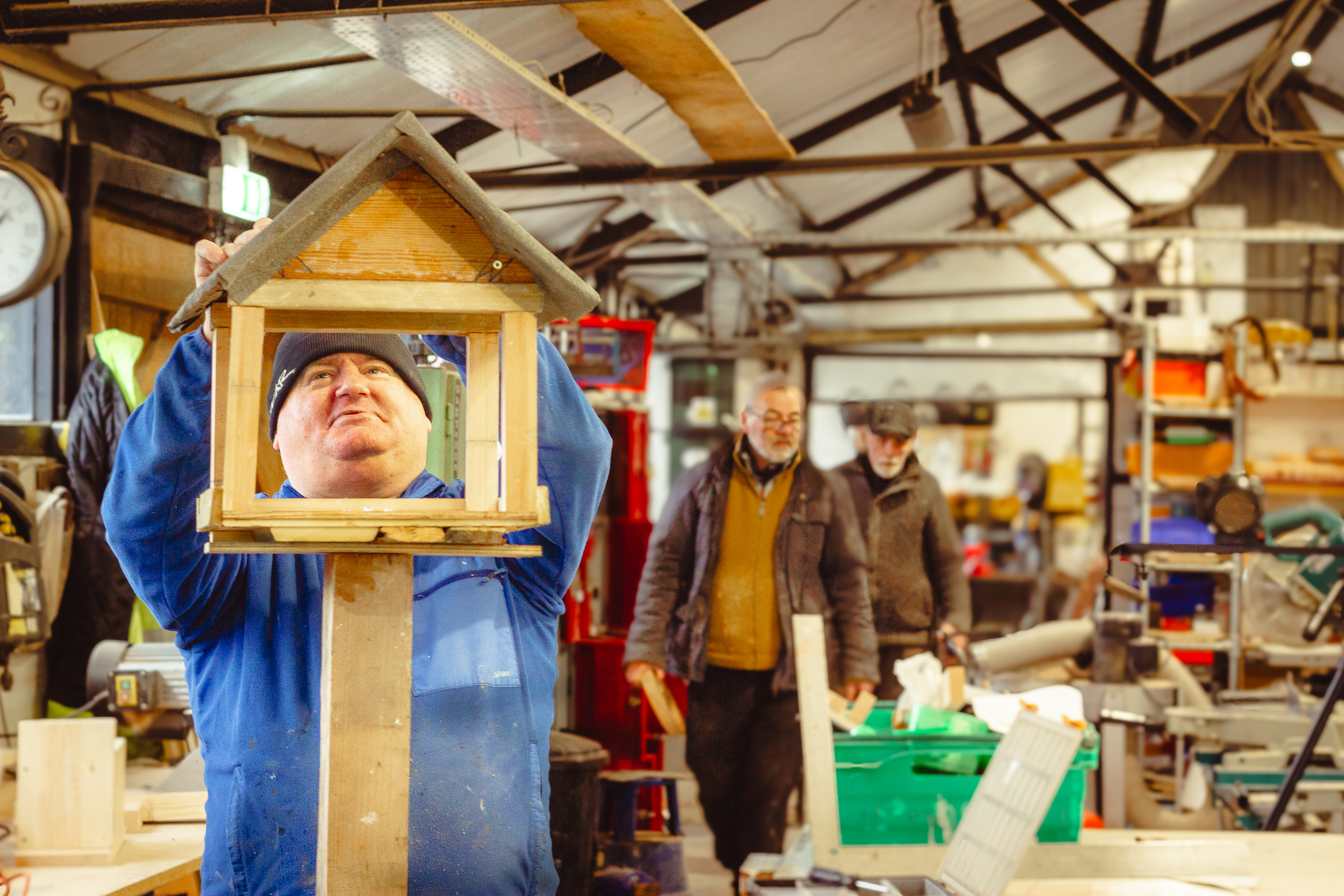
The UK Men’s Sheds Association welcomes the London Assembly’s report into Men’s Mental Health in London, which shines a much-needed light on the challenges many men face across the capital including loneliness, stress and a lack of accessible community spaces.

Men’s Sheds are mainly volunteer-led spaces, where men come together to make, mend and build friendships. 

They offer informal, practical spaces that support wellbeing simply by giving men a place to belong.

“Following the premature death of my daughter from a car crash, I fell off the rails. I felt that I did not want to do anything or mix with anybody. 

"After finding Men in Sheds, I have rebuilt my life, and I have found a group of new and diverse friends. It has also renewed my love of woodwork. The group talk about many subjects, and it feels like a safe place to discuss many difficult subjects,” said Dave, Shedder, 62.

However, many London boroughs still have no Sheds, and volunteers need access to affordable premises and local support to open more.

Caroline Ellis, CEO of UKMSA, said: “London can be a fantastic city, but it can also be a lonely one. Sheds offer men a place to turn up, get involved and feel part of something. We welcome the Mayor’s focus on men’s mental health and the recognition that community-led spaces must be part of the solution. With the right partnerships, we can support volunteers to open more Sheds across the capital.”

For Age UK Bexley, that is what Men in Sheds projects are all about: fostering supportive social networks whilst giving members the chance to be creative in the wood workshop. 

"In our last impact survey in September 2025, 100% of our members surveyed agreed with the statement “I have formed new social connections or friendships since joining the shed”. 

"We see new members join at moments of significant life change, including bereavement, and it’s inspiring to see how much joy, purpose, and camaraderie they find amongst their peers in the Shed," said Emily Willey, Service Manager, Age UK Bexley

https://menssheds.org.uk

Monday, 27 October 2025

Mental Health Charity calls for £30M Investment for Disused NHS Buildings

Mental Health Matters, a national mental health charity, has written an open letter to the Chancellor ahead of the Autumn Budget, calling for a £30 million investment fund to embed Voluntary, Community, Faith and Social Enterprise (VCFSE) services within NHS estates.

The charity is urging the Chancellor to establish a fund to refurbish existing, unused NHS buildings, including spaces in hospitals and GP surgeries. 

It's believed such an investment would create permanent spaces for voluntary and community-led services to operate on-site, alongside the NHS.

Jane Hughes, Chief Executive of Mental Health Matters, told That's Health: “There are over 800,000 square metres of unused or underutilised space within the NHS estate, which we believe is costing the taxpayer over £375 million. The charity sector is ready to deliver services utilising these spaces. 

"We often hear people don’t know what support is available in their community, and that services need to be more joined up. We believe this proposal would help make services like ours more visible, accessible and better integrated with the NHS.”

The proposal seeks to reduce reliance on temporary prefab structures and make better use of underused NHS spaces, ensuring voluntary and community organisations have safe, high-quality spaces to provide prevention, early intervention and recovery support.

The plan would also see local VCFSE partners co-design facilities to meet community needs.

Sarah Wileman, Director of Development at Mental Health Matters, added: “Local communities know what works for them. By working together, we can transform empty spaces into services that are accessible, inclusive, and tailored to local needs."

Mental Health Matters say this investment would help the Government deliver on NHS England’s Community Mental Health Transformation priorities, ensure more efficient use of taxpayer money, and re-invest building rental income back into the health system.

You can learn more here https://www.mhm.org.uk.

Tuesday, 21 October 2025

How Suicide Rates Are Impacted by SAD (Seasonal Affective Disorder)

As the days grow shorter and sunlight becomes scarce, many people find their mood taking a downturn. 

While it’s normal to feel a little low during the darker months, some individuals experience a more severe condition known as Seasonal Affective Disorder (SAD), sometimes called the winter blues. 

For those living with depression or other mental health conditions, SAD can be a dangerous trigger, and research suggests it may contribute to fluctuations in suicide rates during the colder months.

Understanding SAD

SAD is a type of depression that typically occurs during autumn and winter, when natural daylight hours are reduced. Symptoms can include:

Persistent low mood and lack of energy

Sleep problems (either too much or too little)

Loss of interest in everyday activities

Feelings of hopelessness or guilt

Changes in appetite and weight

The exact cause isn’t fully understood, but it’s believed to be linked to reduced sunlight exposure, which affects serotonin (a mood-regulating neurotransmitter) and melatonin (a hormone that controls sleep patterns). Low levels of both can contribute to feelings of depression, lethargy, and disrupted sleep.

SAD and Suicide Risk

While SAD itself doesn’t cause suicide, it can intensify underlying mental health problems. Studies in the UK and other northern countries show that suicide rates often fluctuate seasonally, with some evidence suggesting increased risk during the late winter and early spring months.

This may seem surprising — why spring? Mental health experts suggest that people who have struggled through the dark winter months may suddenly have more energy as daylight increases, which can tragically increase the risk of acting on suicidal thoughts before full recovery takes hold.

Who Is Most at Risk?

Anyone can develop SAD, but certain groups are more vulnerable:

Those with a history of depression or bipolar disorder

People living far north where winter daylight is limited

Individuals who spend little time outdoors

Those with vitamin D deficiency

People experiencing loneliness or social isolation

The COVID-19 pandemic and the ongoing cost of living crisis have both contributed to increased isolation and financial anxiety, heightening vulnerability for many.

Recognising the Signs

If you or someone you know is withdrawing socially, losing interest in favourite activities, expressing hopelessness, or speaking about death or suicide — these may be warning signs that should never be ignored. Early intervention saves lives.

Ways to Cope and Find Help

There are several effective treatments and strategies for managing SAD:

Light therapy – using a special SAD lamp to mimic natural daylight

Vitamin D supplements – particularly during the winter months

Exercise – even gentle outdoor activity can improve mood and serotonin levels

Talking therapies – such as CBT or counselling

Medication – antidepressants may be prescribed if symptoms are severe

Small lifestyle changes can make a big difference, too — spending time outdoors during daylight hours, opening blinds early, and maintaining social contact can all help.

Getting Support

If you’re struggling, you are not alone — and help is always available. In the UK, you can contact:

Samaritans – 116 123 (24/7, free)

Mind – 0300 123 3393

Shout – text 85258 for 24/7 crisis support

CALM (Campaign Against Living Miserably) – 0800 58 58 58 (for men)

NHS 111 – for urgent mental health help

Reaching out is the bravest step you can take. Whether it’s winter or summer, your life has immense value — and there are people ready to listen and help you through.

Friday, 10 October 2025

New evidence-based guide for parents to support children's mental health

Today, October 10th, is World Mental Health Day and to celebrate it the charity MQ Mental Health Research is publishing a new evidence-based guide for parents. 

“Top Tips for Parents: Supporting the mental health of young children and their parents,” is an essential resource produced specifically for the parents and carers of young children. 

It provides practical, research-backed advice to help families nurture both their children’s and their own mental wellbeing.

With one in five children in the UK experiencing a diagnosable mental health condition, and 75% of mental illnesses developing in childhood, the need for accessible, trustworthy information has never been greater. The new MQ guide offers clear, actionable tips for parents and carers of young children, including:

• Everyday strategies to help children feel secure, calm, and supported

• Guidance for supporting neurodivergent children, including those with autism or ADHD

• Steps to take if you’re concerned about your child’s mental health

• Advice on looking after your own wellbeing as a parent or carer

The report draws on the latest scientific research, ensuring that every recommendation is grounded in evidence rather than guesswork. It also highlights the importance of protective factors—such as nurturing home environments, open communication, and strong social connections—in building resilience and promoting lifelong mental health.

The guide also addresses the unique challenges faced by families with neurodiverse children and offers practical advice for supporting children with ADHD, autism, dyslexia, dyspraxia, and Tourette Syndrome. Importantly, it recognises that caring for a child’s mental health can impact parents’ own wellbeing and provides tips and resources for self-care and accessing support.

To learn more and download the full report, visit https://www.mqmentalhealth.org/how-to-support-childrens-mental-health

MQ is a multi-award-winning mental health research charity. We invest in scientific research all around the world, helping to create a future where mental illnesses are understood, effectively treated and one day prevented.   www.mqmentalhealth.org

Tuesday, 14 January 2025

The UK Talk Club: Promoting Mental Health Through Open Conversations

Mental health has become one of the most pressing issues of our time, with millions of people in the UK and beyond grappling with challenges like anxiety, depression, and stress. 

While awareness around mental health has grown significantly, finding effective ways to address these issues remains crucial. 

One such initiative making a real difference is the Talk Club, a UK-based mental health promotion scheme that’s empowering individuals to open up and support one another.

What Is Talk Club?

Talk Club is a talking and listening movement designed to improve mental fitness. Founded in 2019 by Ben Akers and Gavin Thorpe, the initiative aims to create safe spaces where men and women can share their feelings, connect with others, and support one another. At its core, Talk Club is about prevention—encouraging people to talk about their mental health before it reaches a crisis point.

How Talk Club Works

The structure of Talk Club is simple yet profoundly effective. Members meet in small groups, either in person or online, to discuss how they’re feeling. Each session begins with a simple question: “How are you out of 10?” This scoring system allows participants to reflect on their mental state and share their feelings in a structured way.

The sessions are guided by clear rules:

No judgment – Everyone’s feelings are valid, and no one is criticized or dismissed.

Confidentiality – What’s shared in the group stays in the group.

Equality – Every participant has an equal opportunity to speak and be heard.

Talk Club isn’t about offering solutions or professional therapy—it’s about creating a space for honest conversations and mutual support.

Why Talk Club Matters

Breaking the Stigma Around Mental Health

One of the biggest barriers to seeking help is the stigma associated with mental health issues. Talk Club normalizes conversations about mental well-being, helping individuals feel less alone and more understood.

Encouraging Preventative Action

By encouraging regular check-ins, Talk Club promotes early intervention. Talking about feelings and challenges can prevent small issues from escalating into larger problems.

Building a Supportive Community

Talk Club fosters a sense of belonging. Participants often form deep connections with others who share similar struggles, creating a support network that extends beyond the sessions.

Focusing on Mental Fitness

Talk Club takes a proactive approach by emphasizing mental fitness, much like physical fitness. This perspective encourages participants to regularly care for their mental health, rather than waiting until they’re in crisis.

Expanding Reach and Impact

While Talk Club started as a movement for men, it has since expanded to include women and specialized groups for different needs. The initiative has partnered with workplaces, schools, and community organisations to reach more people and promote mental health awareness.

In addition to regular sessions, Talk Club offers:

Online Resources – Tools and guides to help individuals reflect on and improve their mental well-being.

Fundraising Initiatives – Events like fitness challenges and charity runs to support mental health projects.

Corporate Programmes – Helping businesses foster a culture of openness and support for employees.

Real Stories, Real Impact

Talk Club has already made a significant difference in the lives of its members. Participants often report feeling lighter, more connected, and better equipped to handle life’s challenges after attending sessions. For many, Talk Club has been a lifeline, offering hope and support when they needed it most.

How to Get Involved

Joining Talk Club is simple. Visit their website to find a group near you or sign up for an online session. If there isn’t a group in your area, you can even start your own with the support of Talk Club’s resources and training.

Conclusion

The UK Talk Club is more than just a mental health scheme—it’s a movement that’s changing lives. By encouraging open conversations and fostering supportive communities, Talk Club is helping individuals build resilience and improve their mental fitness. In a world where mental health challenges are increasingly common, initiatives like Talk Club remind us of the power of connection and the importance of simply asking, “How are you?”

For anyone looking to take a step toward better mental health, Talk Club offers a simple yet powerful starting point. Because sometimes, the most profound change begins with a conversation.

https://talkclub.org.

Saturday, 16 November 2024

The Dark Side of Relationships: What Drives People to Hurt Those They Claim to Love?

The question of why people commit cruel, heartless acts against their friends or family members—those they are supposed to love and protect—is deeply perplexing.

Even more baffling is their subsequent expectation that the wronged party will forgive them, overlook the harm, and continue the relationship as though nothing happened. 

This pattern of behaviour raises profound questions about human nature, relationships, and the psychology behind such actions.

The Roots of Cruelty: Understanding Motivations

To comprehend why someone might inflict emotional or even physical harm on those closest to them, we need to delve into the complex tapestry of human psychology. There isn’t a one-size-fits-all answer, but several possible motivations and factors could contribute to such behaviour:

Unresolved Trauma and Projection: Often, individuals who act cruelly towards loved ones have unresolved emotional wounds from their past. Whether stemming from childhood abuse, neglect, or other traumatic experiences, these unaddressed feelings can manifest as projection. Rather than dealing with their own pain, they project it onto those closest to them, inflicting the suffering they carry internally. By doing so, they paradoxically regain a sense of control over their unresolved trauma.

Narcissism and Self-Centredness: For some, cruelty is an expression of narcissistic tendencies. These individuals are often driven by an inflated sense of self-importance and a lack of empathy. They might view others as extensions of themselves, existing solely to fulfil their needs and desires. When a family member or friend fails to meet these expectations, the narcissistic individual may lash out cruelly, feeling justified in their actions because they perceive their own needs as more important.

Control and Manipulation: At times, cruelty is wielded as a tool for control. By belittling, criticising, or otherwise harming a friend or family member, the perpetrator seeks to establish dominance in the relationship. They may feel empowered when the other person is weakened emotionally or psychologically. This can also lead to the insidious cycle of abuse where the wrongdoer expects the wronged person to stay, convincing them that leaving is not an option or that they are to blame for the mistreatment.

Insecurity and Fear of Abandonment: Oddly, cruelty can sometimes stem from a deep-seated fear of abandonment. Insecure individuals may believe that by hurting someone, they can prevent that person from leaving them. The twisted logic here is that if a loved one is broken down enough or made to feel unworthy, they will stay out of fear that no one else will want them. This creates a toxic cycle where cruelty is used as a misguided attempt to ensure loyalty.

Desensitisation and Lack of Empathy: In some cases, individuals have become so desensitised to the feelings of others that they no longer recognise the harm they cause. Whether through upbringing, societal conditioning, or personal choice, they may have lost the ability to empathise. To them, the feelings of others are inconsequential, and so they feel no guilt or remorse for the pain they inflict.

The Thrill of Power and Sadistic Enjoyment: For a small percentage of people, cruelty brings a thrill. This is not to say that they are necessarily sadistic in a pathological sense, but there may be a certain pleasure derived from wielding power over someone else's emotions. This kind of behaviour often surfaces in people who have felt powerless in other areas of their lives; hurting those who are close becomes a means of regaining a sense of potency.

Why Do They Expect Forgiveness?

After hurting their loved ones, why do such individuals often expect—or even demand—that the wronged person stay in the relationship? There are several psychological explanations for this perplexing behaviour:

Cognitive Dissonance: Cognitive dissonance is the mental discomfort experienced when someone holds two contradictory beliefs or behaviours. After committing a hurtful act, the perpetrator may attempt to alleviate this discomfort by convincing themselves that what they did wasn't really that bad or that the other person deserved it. By expecting the wronged party to forgive them, they attempt to "reset" the relationship, avoiding the need to confront their own misdeeds.

Entitlement and Lack of Accountability: Many people who hurt others feel a sense of entitlement that makes them believe they are above the normal rules of decency. They may see themselves as deserving forgiveness without having to put in any effort to atone for their actions. They are used to shifting the blame or rewriting the narrative to present themselves as the victim.

Dependency and Fear of Consequences: Perpetrators who are heavily reliant on the relationship may expect the wronged person to stay because they cannot imagine life without them. They may fear the consequences of their own actions, such as social ostracism or personal loneliness, more than they regret the pain they caused. In this case, their need for the relationship outweighs any genuine remorse.

Emotional Manipulation and Gaslighting: Sometimes, the expectation for the wronged person to stay is rooted in emotional manipulation. The wrongdoer may use gaslighting tactics, making the victim doubt their own reality, or convincing them that they are overreacting. By making the victim feel responsible for the stability of the relationship, they pressure them into staying despite the hurt caused.

The Consequences of Staying in Toxic Relationships

When individuals choose to stay in relationships where they are mistreated, it often leads to a cycle of abuse that can be difficult to break. While forgiveness and second chances are admirable qualities, there is a point where it becomes self-destructive to stay in a toxic situation. Here are some consequences that can arise:

Erosion of Self-Esteem: Remaining in a relationship with someone who regularly hurts you can erode your self-worth over time. The constant barrage of negativity, criticism, or manipulation can make you start to believe that you deserve the treatment you’re receiving.

Emotional Burnout and Mental Health Issues: Prolonged exposure to toxic relationships can lead to severe anxiety, depression, and emotional exhaustion. The stress of constantly walking on eggshells or trying to appease someone who never seems satisfied can take a significant toll on your mental health.

Isolation from Support Networks: Often, abusers will try to isolate their victims from friends and family to maintain control. This can leave the victim feeling even more dependent on the toxic relationship, perpetuating the cycle of abuse.

Breaking Free: Choosing Self-Respect Over Toxic Loyalty

If you find yourself in a relationship where someone consistently hurts you and expects you to remain loyal despite the pain, it may be time to reassess the situation. Self-respect, personal boundaries, and emotional well-being should not be sacrificed in the name of loyalty, especially when it is one-sided.

Leaving a toxic relationship can be incredibly difficult, especially when emotional ties, shared history, or even children are involved. However, it is crucial to remember that your self-worth is not determined by how well you can endure mistreatment. Choosing to prioritise your mental and emotional health is a courageous step towards reclaiming your life.

Ultimately, while people may have different reasons for their cruel actions, it is never your responsibility to excuse, justify, or remain in the presence of someone who consistently brings you pain. The most empowering act of self-love is knowing when to walk away.

Thursday, 31 October 2024

Morning Routines for Better Mental and Physical Health: Start Your Day Right

Morning routines aren’t just a popular trend – they’re a tried-and-true way to set the tone for a productive, balanced day. 

By establishing a consistent routine each morning, you can boost both mental clarity and physical vitality, setting yourself up for success. 

Whether you’re a morning person or someone who finds it hard to crawl out of bed, incorporating a few simple habits can bring measurable improvements to your well-being. Here’s a guide to creating a morning routine that can truly benefit your mental and physical health.

1. Start with Hydration

After a night’s rest, the body is typically dehydrated, which can cause fatigue and a lack of focus. By beginning your day with a glass of water, ideally with a slice of lemon for added vitamin C, you’ll help kick-start your metabolism and prepare your body for the day. Proper hydration has been linked to improved mood and cognitive function, making this a simple but powerful step in any morning routine.

Tip: Keep a glass of water on your bedside table or near your alarm clock to make it easier to start the day with hydration.

2. Mindful Movement

Exercise has been proven to reduce symptoms of anxiety, depression, and stress. You don’t need to spend hours at the gym; even a brief, gentle stretching routine, yoga, or a quick 15-minute walk can release endorphins, the body's natural "feel-good" chemicals. Physical movement in the morning helps increase blood flow, warms up your muscles, and activates your metabolism, all of which can boost both mental clarity and physical energy.

Tip: Try a mix of exercises throughout the week to keep things fresh. For example, you could go for a brisk walk one day, follow a yoga video the next, and try some simple strength exercises the day after.

3. Practice Mindfulness or Meditation

Meditation and mindfulness are excellent tools for reducing stress and improving mental focus. Taking just five to ten minutes in the morning to practise mindfulness can lead to greater emotional stability and mental clarity throughout the day. Simple techniques like focusing on your breathing, setting intentions for the day, or using a meditation app can make a big difference.

Tip: If you’re new to meditation, start small with just a couple of minutes and gradually increase as you become more comfortable with the practice. Guided meditation apps like Headspace or Insight Timer can be helpful for beginners.

4. Fuel Your Body with a Nutritious Breakfast

Your morning fuel doesn’t have to be elaborate, but a well-balanced breakfast can improve your concentration and provide sustained energy. Aim to include a mix of protein, healthy fats, and complex carbohydrates. For instance, you might opt for oats with berries and nuts, a smoothie packed with greens and protein powder, or a slice of whole-grain toast with avocado and eggs. Avoid high-sugar breakfasts, as they can lead to energy crashes later in the day.

Tip: If you’re short on time, prepare breakfast the night before. Overnight oats or smoothie bags (with pre-measured ingredients ready to blend) are convenient options.

5. Set a Positive Intention or Gratitude Practice

Starting your day on a positive note can transform your outlook and help you approach challenges with resilience. Take a moment to jot down one or two things you’re grateful for or a small goal for the day. This practice fosters a positive mindset and can be especially helpful for mental health, encouraging you to focus on the present and what’s within your control.

Tip: Keep a small notebook by your bed or with your morning tea or coffee. Writing down a quick gratitude list takes just a minute or two, but it can improve your perspective and mood for the rest of the day.

6. Limit Screen Time

In our technology-driven world, it’s tempting to check emails, messages, or news updates first thing in the morning. However, starting your day with screens can increase stress and make it harder to focus. Instead, try to avoid screens for at least the first 30 minutes to one hour of your day. This allows your mind to wake up naturally without the rush of information overload.

Tip: If you use your phone as an alarm, consider placing it away from your bed to reduce the temptation to scroll. You could also try an analogue alarm clock to keep the morning tech-free.

7. Set Your Priorities and Organise the Day

A few minutes of planning in the morning can significantly improve productivity and reduce feelings of overwhelm. Take five minutes to jot down the key tasks for the day. If you prefer a more structured approach, you can create a to-do list and prioritise the top three tasks. This habit helps you start your day with a sense of purpose and direction, which is essential for both mental focus and stress reduction.

Tip: If traditional to-do lists feel overwhelming, try a "done" list instead, where you note what you’ve accomplished as you go. This can create a sense of progress and motivation.

Putting It All Together

Creating a morning routine that improves your mental and physical health doesn’t mean you need to overhaul your current lifestyle overnight. Start by selecting one or two of these habits to introduce gradually. As these steps become a natural part of your morning, you can add more. Customise the routine to suit your needs and preferences, so it’s sustainable and enjoyable. Remember, a consistent morning routine is an investment in yourself – the benefits will build over time, helping you cultivate a healthier, more balanced life.

Final Thought: Every morning is a fresh opportunity to start anew. A thoughtful morning routine can help you build the resilience and clarity needed to face the challenges ahead, making a real difference to your mental and physical well-being.

Wednesday, 14 February 2024

Suicidal thoughts experienced by one in five tinnitus sufferers as new report from Tinnitus UK reveals lack of mental health support for the condition

Tinnitus has significant effects on medical health and wellbeing, resulting in emotional exhaustion, clinical anxiety, clinical depression, & insomnia.

Tinnitus UK, a leading independent charity dedicated to supporting individuals who are coping with tinnitus in the UK has unveiled groundbreaking research which underscores the critical need for enhanced healthcare support and services for those affected by this pervasive condition.

Startling statistics reveal the harsh reality of the tinnitus landscape, impacting 1 in 7 adults in the UK and severely diminishing the quality of life for 1 in 6 of those individuals.

In December 2023, Tinnitus UK conducted a study involving 478 people who are afflicted by tinnitus to delve into their experiences and the challenges they encounter in accessing healthcare support for the condition.

The findings are distressing:

Over one in five respondents experienced thoughts of suicide or self-harm in the last year.


In excess of 8 out of 10 reported low mood or anxiety, with 7 out of 10 feeling hopeless or helpless.

85.7% reported sleep disturbances.

The emotional toll is significant, with 68.4% reporting low self-esteem and 54.9% struggling to think rationally.

Tinnitus is also linked to social isolation, impacting relationships and daily life, with two-thirds of respondents avoiding contact with friends, minimising social activities, or facing difficulties at work.

Despite National Institute for Health and Care Excellence (NICE) guidelines introduced in March 2020, substantial challenges still persist in healthcare support for tinnitus sufferers.

Half of respondents secured GP appointments within a week, but 16% had to wait for over a month.

Referrals to secondary care decreased to 57.9%, with 11.7% not even offered a referral.

Waiting times for secondary care appointments have increased, with the number of people waiting over a year tripling from 2019 to 2023, to 1 in 6 facing waits of in excess of 12 months.

Limited mental health support is available, with a shockingly low 5% offered Psychological Interventions such as Cognitive Behavioural Therapy (CBT).

In response to these alarming findings, Tinnitus UK is calling for immediate action to be taken:

An evaluation of secondary care services and increased investment from commissioning bodies where necessary.

Implementation of a standardised national management model for tinnitus.

Increased tinnitus education for medical professionals.

Commenting on the urgent need for action, Tinnitus UK’s Head of Services, Maisie Carscadden, said: “There's been a noticeable increase in people reaching out to us who require support for the mental health struggles tinnitus has triggered. 

"Their situation is often complex, and people are facing barriers accessing the services they need. We provide guidance, reassurance, and support to help them cope, but a significant number of these people require specialised care from health professionals.

"Unfortunately, the necessary resources are often lacking. Of course, we're dedicated to doing our part, but there needs to be collective efforts to bridge this gap and ensure everyone gets the care they need and that they deservedeserve.”

James Jackson, Reader in Psychology at Leeds Trinity University, added: “While most people will eventually habituate to their tinnitus, it can be very distressing in the short-to-medium term, if not longer. 

"It has significant effects on medical health and wellbeing, resulting in emotional exhaustion, clinical anxiety, clinical depression, and insomnia. It's really vital people have access to timely interventions to ensure the impact on their quality of life is minimised.”

To learn more about Tinnitus UK you can visit http://www.tinnitus.org.uk

As a personal note, I suffer from Tinnitus and it can be an extremely distressing condition.  

Tuesday, 12 December 2023

The Burnt Chef Project and Brigad Join Forces to Host a Free Mental Health and Well-Being for Hospitality Workers

Hospitality workers learnt how to handle the workload stresses of the festive season in a FREE one-off workshop hosted by The Burnt Chef Project CEO and founder, Kris Hall.

The workshop is being held at The Corner London City, Adler Street, on Monday 4th December from 9.30am - 12pm.

It was jointly organised by The Burnt Chef Project and hospitality freelancing platform Brigad to raise awareness of the need for hospitality staff to manage their mental health and well-being.

Registration for the free event is required. Brigad will donate £10 for every booked ticket to support The Burnt Chef Project. Register via this link:

https://www.eventbrite.co.uk/e/talent-fundraising-and-workshop-event-with-the-burnt-chef-project-tickets-754517380797

The event started with a networking breakfast, followed by a stress workshop presented by Hall, which will enable attendees to understand how to identify, tackle, and manage workplace stress.

Mental health awareness is a continual issue for the industry, which will be compounded by the additional demands on workers to cope with the demands of the festive period.

The Burnt Chef Project identified that four out of five hospitality workers had experienced mental health issues within their career, while almost half would not feel comfortable talking about their health concerns with their colleagues.

Hall said: “It's no secret the hospitality industry faces increased pressures throughout the festive season, with increased footfall, new menus, personal pressures of family, expense and missed time with loved ones can all add up. 

“Hospitality staff will work an average of 28 hours overtime at Christmas, which can lead to burnout, exhaustion, and ultimately mental health issues if not properly managed. It's vital we put structures in place to support our teams during this busy period.

“This workshop gives the skills to cover how to spot stress, how to speak to your teams about mental health and ultimately support them, leading to better productivity and increased retention throughout the festive period and beyond.”

Brigad, which will supply hundreds of freelance hospitality workers to meet demand during the traditional 'party season', is supporting the venture as part of its own campaign to raise awareness of mental health and wellbeing issues in the hospitality industry.

Nicolas Ferrary, Brigad's UK Managing Director, said: “Brigad's mission is to make work attractive and accessible to all. This includes empowering those in the industry to be able to care for their wellbeing and mental health, in order to have sustainable and successful careers. The holiday season is always a tough period for those in hospitality, and we're thrilled to be partnering with The Burnt Chef Project to provide more support.”

The workshop covered subjects such as:

financial and legal implications

identifying some of the signs of workplace stress

methodology for tackling work-related stress

designing and implementing workplace risk assessments 

These will form the foundation for bases to reduce burnout risk and work towards psychological safe accreditations, such as globally recognised ISO 45003 standard.