Showing posts with label weight. Show all posts

Sunday, 1 March 2026

World Obesity Day: Understanding Causes, Risks and Sustainable Health

World Obesity Day highlights the causes, risks and stigma surrounding obesity while promoting sustainable, compassionate health solutions in the UK.

Every year on 4 March, World Obesity Day brings global attention to one of the most complex health challenges of our time. 

Coordinated by the World Obesity Federation and supported by the World Health Organization, the day focuses not on blame, but on understanding, prevention and long-term support.

For readers of That’s Health, this is not about quick fixes or shame-driven messaging. It’s about evidence, compassion and realistic lifestyle change.

Understanding Obesity Beyond the Headlines

Obesity is defined medically as an excessive accumulation of body fat that presents a risk to health. In the UK, rates have risen steadily over the past decades, influenced by:

Highly processed, calorie-dense foods

Sedentary work and screen-based leisure

Socioeconomic factors

Mental health pressures

Genetics and hormonal influences

It is not simply a matter of “willpower”. Research consistently shows that biology, environment and psychology all play major roles.

The Health Risks: And Why Early Action Matters

Carrying excess weight is associated with an increased risk of:

Type 2 diabetes

Cardiovascular disease

High blood pressure

Certain cancers

Joint problems

Sleep apnoea

Reduced mental wellbeing

However, even modest, sustainable weight loss can significantly reduce these risks. A 5–10% reduction in body weight can improve blood pressure, blood sugar levels and cholesterol.

The Stigma Problem

One of the most damaging aspects of obesity is stigma. Weight bias can lead to:

Delayed medical care

Anxiety and depression

Disordered eating patterns

Social isolation

World Obesity Day actively challenges stigma and promotes respectful, person-first healthcare.

Health should be about support, not judgement.

What Sustainable Change Really Looks Like

Forget extreme diets or punishing workout plans. Sustainable change often includes:

1. Small Nutritional Improvements

Increasing fibre (vegetables, pulses, wholegrains)

Reducing sugary drinks

Watching portion sizes

Cooking more meals at home

2. Realistic Physical Activity

30 minutes of brisk walking most days

Light strength work twice weekly

Reducing prolonged sitting

You don’t need a gym membership. Consistency matters more than intensity.

3. Mental Health Support

Emotional eating is common. Accessing counselling, peer support or mindfulness techniques can be transformative.

4. Medical Support When Needed

GPs may discuss weight-management programmes, behavioural support or, in some cases, medication. For some individuals with severe obesity, bariatric surgery may be considered.

This is healthcare. It's not failure.

A UK Perspective

In Britain, public health campaigns increasingly focus on prevention and early intervention. However, cost-of-living pressures make healthy food choices harder for many households. 

Frozen vegetables, tinned pulses and supermarket own-brand staples remain affordable ways to improve diet quality without overspending.

The Bigger Picture

Obesity is not solely an individual issue, it is also shaped by:

Urban design

Food marketing

Workplace culture

School food standards

Socioeconomic inequality

World Obesity Day encourages governments, businesses and communities to create environments where healthier choices are easier choices.

World Obesity Day is not about body shaming or unrealistic ideals. It is about:

Better education

Accessible healthcare

Compassion

Long-term, evidence-based solutions

Health is not defined by a single number on a scale. It is shaped by habits, mental wellbeing, support networks and access to care.

If this topic affects you personally, consider speaking to your GP or a registered dietitian for tailored advice.

https://www.worldobesity.org

Wednesday, 4 February 2026

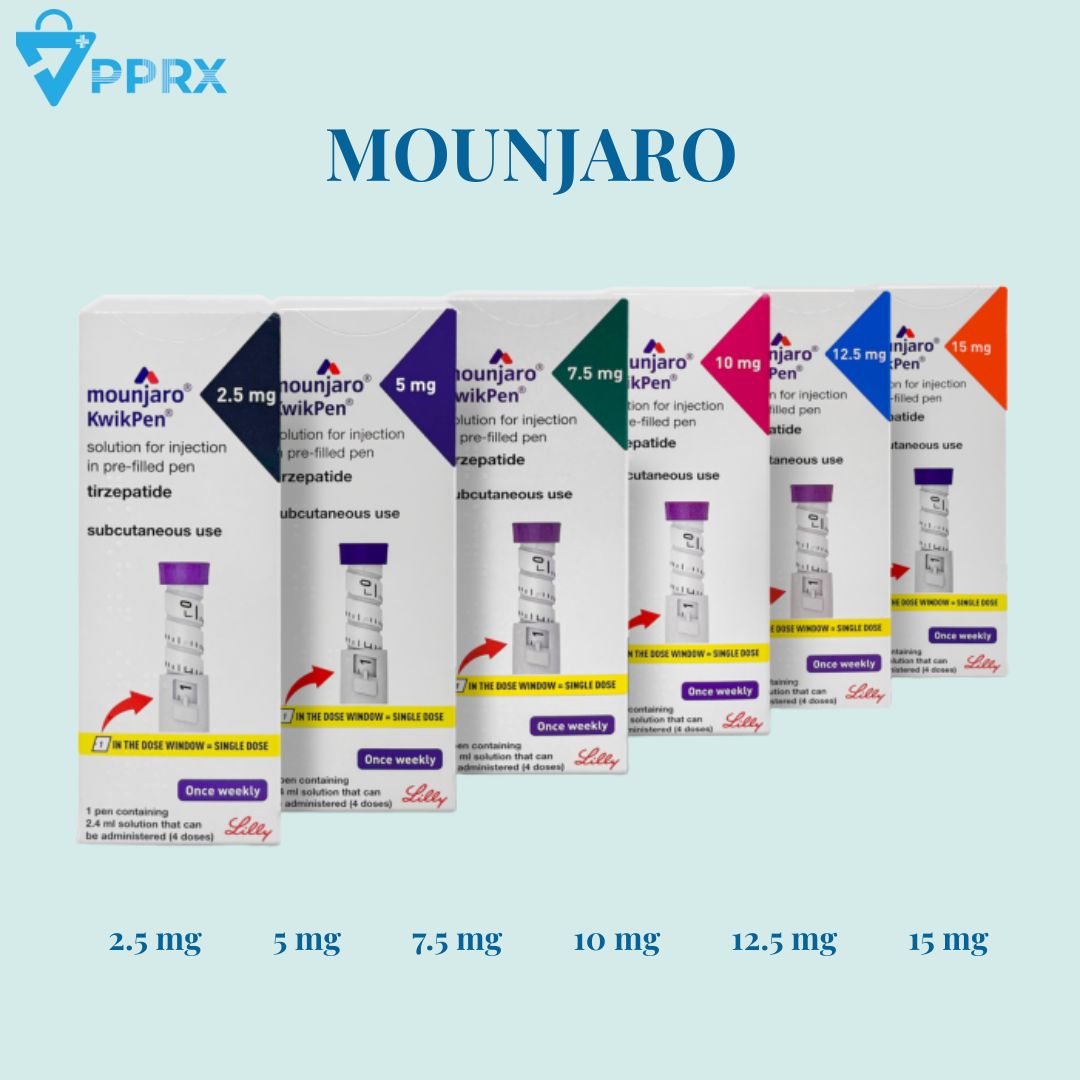
PPRX strengthens access to Mounjaro and Wegovy as demand surges

PPRX, a fully registered UK pharmacy, has confirmed expanded national access to prescription weight-loss injections Mounjaro and Wegovy, responding to unprecedented demand from patients seeking clinically supported weight management outside the NHS.

As NHS access to GLP-1 weight-loss treatments remains limited due to strict eligibility criteria and long waiting lists, increasing numbers of patients are turning to regulated private pharmacies for faster, medically supervised care. 

PPRX offers a fully compliant alternative, providing access to Mounjaro (tirzepatide) and Wegovy (semaglutide) through a secure online consultation process, with next-day delivery across the UK and Northern Ireland.

Mounjaro and Wegovy are prescription-only injectable treatments that work by regulating appetite and improving metabolic control. Clinical studies show both treatments are effective for long-term weight management when prescribed and monitored appropriately.

PPRX operates as a legitimate UK pharmacy and is registered with the General Pharmaceutical Council (GPhC). Patients and partners can independently verify the pharmacy’s registration on the official GPhC register:

https://www.pharmacyregulation.org/registers/pharmacy/9012740

“Our priority is patient safety, transparency, and proper medical oversight,” a spokesperson for PPRX told That's Health.

“We're seeing strong demand from patients who are informed, motivated, and seeking responsible access to treatment. Every prescription is issued following a clinical assessment by a UK-registered prescriber, with ongoing pharmacist support.”

Through its digital consultation pathway, PPRX enables patients to access treatment without needing a GP appointment, yet still maintaining full regulatory compliance. 

Each order includes a genuine manufacturer pen, needles, swabs, sharps disposal, pharmacist guidance, and temperature-controlled next-day delivery.

PPRX provides detailed educational resources to ensure patients understand their treatment, including safety information, dosing guidance, and injection support.

Mounjaro information:

https://www.pprx.co.uk/mounjaro

Mounjaro product page:

https://www.pprx.co.uk/product/mounjaro/

Mounjaro prices:

https://www.pprx.co.uk/mounjaro-prices

Wegovy information:

https://www.pprx.co.uk/wegovy

Wegovy product page:

https://www.pprx.co.uk/product/wegovy/

Wegovy prices:

https://www.pprx.co.uk/wegovy-prices

The pharmacy delivers nationwide, including major cities such as London, Manchester, Birmingham, Leeds, Liverpool, Bristol, Cardiff, Edinburgh, Glasgow, Belfast, and surrounding regions across England, Scotland, Wales, and Northern Ireland.

Industry analysts note that private pharmacies are increasingly filling a gap created by rising obesity rates and constrained NHS capacity. 

Regulated providers like PPRX play a key role by offering controlled access, patient education, and pharmacovigilance within a compliant framework.

PPRX has confirmed continued investment in pharmacist-led support, supply-chain resilience, and patient education as part of its 2026 expansion strategy.

For more information, visit: https://www.pprx.co.uk

Tuesday, 11 November 2025

Cabbage Soup for the Soul: The Myths and Truths of the Cabbage Soup Diet

Whilst eating my wife's delicious homemade cabbage soup one lunchtime we began reminiscing about the famed cabbage soup diet of several years ago and I realised it was time to write a blogpost about this largely forgotten diet of several years ago.

Few diets have been as talked about, tried, and teased as the famous Cabbage Soup Diet. From office lunchrooms to celebrity gossip magazines, this simple, low-calorie plan has achieved near-legendary status over the years. 

But how much of what we hear about it is true, and how much is pure myth? Let’s lift the lid on the pot and see what’s really simmering inside.

The Origins of the Cabbage Soup Diet

The Cabbage Soup Diet dates back to the late 1980s or early 1990s, though its exact beginnings are unclear. 

Some claim it started as a hospital diet to help patients lose weight quickly before surgery (a claim with no real proof), while others say it emerged from the rise of fad diets promising dramatic, short-term results.

What’s certain is that it’s a seven-day eating plan centred around a hearty vegetable soup made mostly from cabbage, onions, celery, peppers, tomatoes, and carrots. Other foods are introduced in a strict daily pattern—such as fruit on day one, vegetables on day two, bananas and milk on day four, and lean meat by day five.

There were even Cabbage Soup Diet tablets that were available filled with essence of cabbage soup at one time! 

The Myths

Myth 1: You Can Lose a Stone in a Week

It’s true that many people lose a noticeable amount of weight during the week, sometimes half a stone or more. 

However, much of that is water weight, not fat loss. When you cut calories drastically and reduce carbohydrates, your body sheds water quickly. Once normal eating resumes, most of that weight tends to return.

Myth 2: It’s a Healthy, Sustainable Diet

While cabbage and vegetables are full of nutrients, the diet itself is not balanced. It’s low in protein, essential fats, and key vitamins such as B12. Following it for more than a week can leave you feeling tired, irritable, and lacking energy.

Myth 3: Cabbage Has “Fat-Burning” Powers

Unfortunately, there’s no magical fat-burning enzyme in cabbage. The diet works purely because of extreme calorie restriction, not because cabbage has any special slimming properties.

The Truths

Truth 1: It Can Kick-Start Weight Loss

If you’re looking to break unhealthy habits, a short stint on the Cabbage Soup Diet can help you feel lighter, reduce bloating, and reset your mindset around portion sizes.

Truth 2: It Encourages Vegetable Intake

The diet does make you eat a lot of fresh vegetables, something many of us could do more of. For some, it’s a helpful way to rediscover the value of home-cooked, plant-based meals.

Truth 3: It’s Cheap and Simple

In a world full of expensive shakes and subscription meal plans, the Cabbage Soup Diet stands out for being budget-friendly. A head of cabbage, some onions, and a few tins of tomatoes cost very little, making it appealing to anyone wanting to cut back without breaking the bank.

So, Should You Try It?

If you’re after quick but temporary results, the Cabbage Soup Diet can deliver that short burst of motivation. But it’s not a long-term solution. The NHS and most UK dietitians advise focusing on a balanced plan with lean proteins, whole grains, and plenty of fruit and veg for sustainable, healthy weight management.

That said, there’s nothing wrong with using the Cabbage Soup Diet as a gentle reset—just don’t expect miracles or plan to live on cabbage forever!

Cabbage Soup for the Soul

Perhaps the real secret isn’t in the diet at all, but in the ritual of making soup. Preparing fresh vegetables, simmering them slowly, and sitting down to a warm, comforting bowl can be therapeutic in itself. The process helps reconnect us with real food, and that’s nourishment for both body and soul.

The Cabbage Soup Diet may not be a magic solution, but it remains a reminder that sometimes the simplest foods can help us start again. If you do give it a go, treat it as a short-term boost, then move on to a more balanced, sustainable way of eating.

As for the Cabbage Soup Diet tablets or Cabbage Soup Diet soup mixes that are available, we can make no comment on their efficacy!

If you want to try the Cabbage Soup Diet plan, here it is:-

Printable 7-Day Cabbage Soup Diet Plan

Disclaimer: This plan is for short-term use only and should not replace a balanced, long-term diet. Always check with a healthcare professional before starting any restrictive eating plan.

Day 1 – Fruit Day

Unlimited cabbage soup

Any fruit except bananas

Water, black coffee, or unsweetened tea

Day 2 – Vegetable Day

Unlimited cabbage soup

Any vegetables (fresh, steamed, or raw) except peas, corn, or beans

A baked potato with a small knob of butter for dinner

Day 3 – Fruit and Vegetable Day

Cabbage soup plus any fruits and vegetables (no potato today)

Keep hydrated with water or herbal tea

Day 4 – Banana and Milk Day

Up to 3 bananas

2 pints (1.2 litres) of skimmed milk

Cabbage soup as often as you like

Day 5 – Protein and Tomatoes

6 fresh tomatoes

Lean beef, chicken, or fish (approx. 300–400g total)

Cabbage soup at least once during the day

Drink at least 6–8 glasses of water

Day 6 – Protein and Vegetables

Lean beef, chicken, or fish

Any non-starchy vegetables

Unlimited cabbage soup

Day 7 – Rice and Vegetables

Brown rice, vegetables, and cabbage soup

Sugar-free fruit juice optional

Modernised Healthy Cabbage Soup Recipe

This version keeps the soul of the original but improves the nutrition and flavour — so it’s tasty enough to enjoy beyond the diet week.

Ingredients (serves 6–8)

½ medium white cabbage, shredded

2 onions, diced

2 celery stalks, sliced

2 carrots, chopped

1 green pepper, diced

2 garlic cloves, crushed

1 tin (400g) chopped tomatoes

1 litre low-salt vegetable stock

1 tbsp olive oil

1 tsp paprika

½ tsp chilli flakes (optional)

Fresh parsley, chopped

Instructions

Heat olive oil in a large pan and gently sauté the onions, garlic, celery, and carrots for 5 minutes.

Add the peppers, cabbage, and spices; stir well.

Pour in the stock and tomatoes, bring to a gentle boil.

Simmer for 30 minutes until the vegetables are tender.

Taste and adjust seasoning; garnish with parsley before serving.

Nutritional Note:

This soup is low in calories, high in fibre, and full of vitamins A, C, and K. Adding a handful of cooked lentils or beans makes it more balanced if you’re not strictly following the diet.

Bringing It All Together

Whether you’re looking to reset your eating habits, save money, or simply enjoy a warming, wholesome soup, the Cabbage Soup Diet can be a mindful start to a healthier routine, just remember it’s the first step, not the destination.

Friday, 7 November 2025

Why BMI Shouldn’t Be the Be-All and End-All of Weight Management

BMI is often used as the main measure of health and weight, but it can be misleading. 

Discover why BMI isn’t the full picture and what to focus on instead for better weight management and wellbeing.

Understanding BMI and Its Limitations

Body Mass Index (BMI) has long been used to classify people as underweight, a healthy weight, overweight, or obese. It’s calculated by dividing your weight (in kilograms) by your height (in metres squared).

While it’s easy to use, BMI doesn’t show what your body weight is made of, and that’s a serious limitation. It can’t tell the difference between fat, muscle, or bone, so it often gives an incomplete or misleading picture of overall health.

Why BMI Alone Can Be Misleading

Two people can share the same BMI but have completely different health profiles.

A rugby player or gym-goer might register as “obese” due to muscle mass.

Someone with a “normal” BMI might have higher visceral fat, the dangerous type that wraps around organs and raises the risk of heart disease and diabetes.

BMI can’t tell the difference between fat and muscle, nor does it show where that fat is stored. That’s why it should be used only as one part of a wider health picture.

Ethnicity, Age and Sex All Play a Role

BMI fails to account for natural variations between people.

Women naturally carry more body fat than men.

Older adults often lose muscle and bone density, lowering BMI without improving health.

People of South Asian or Black heritage may face increased risks of diabetes or heart disease at lower BMIs than standard NHS guidelines suggest.

Health is personal, and one size, or one number, doesn’t fit all.

Better Ways to Assess Health

For a clearer picture of your wellbeing, consider these more reliable tools:

Waist-to-hip ratio or waist circumference – A better measure of fat distribution and heart disease risk.

Body composition analysis – Shows fat, muscle, and water percentages.

Blood pressure, cholesterol, and blood sugar levels – Key indicators of metabolic health.

Fitness and mobility – Flexibility, endurance, and energy are better measures of wellness.

Lifestyle habits – Nutrition, sleep, hydration, and stress levels all play major roles.

Chasing a “perfect” BMI can damage self-esteem and lead to unhealthy dieting or over-exercising. True wellbeing includes mental and emotional balance, not just physical weight.

If you’re working on improving your health, focus on how you feel — not just what you weigh.

Practical advice on ditching diet guilt and creating a healthier, happier approach to eating.

A Holistic Approach to Weight Management

Real, sustainable health comes from small, consistent habits — nutritious meals, regular movement, good sleep, and self-care.

Rather than striving for a number on a chart, focus on vitality, energy, and confidence. When you take care of your body as a whole, your natural healthy weight will follow.

BMI can provide a rough guide, but it shouldn’t define you. Every body is different, and health can’t be reduced to a single statistic.

If you want to understand your weight and wellbeing more deeply, speak with a GP, nutritionist, or fitness professional who looks at the full picture, not just your BMI.

Friday, 29 August 2025

Negative Calorie Foods – Healthy Helper or Just Hype?

The phrase “negative calorie foods” often crops up in dieting advice. The claim is that certain foods, including celery, cucumber, grapefruit, and lettuce, use up more calories during chewing, digestion, and absorption than they actually provide.

It sounds like the dream: eat as much as you like and still lose weight.

But is it true?

The Science Behind the Claim

When you eat, your body burns energy to digest and process food — this is called the thermic effect of food (TEF). On average, TEF accounts for around 5–15% of the calories you consume. 

While fibrous, water-rich foods like celery are very low in calories, research shows that no food actually takes more energy to digest than it contains.

So the idea of “negative calorie foods” is more myth than fact.

The Benefits of These Foods

Even if they aren’t truly “negative calorie,” the foods on these lists are still valuable:

Low in calories – Great for weight management when used as snacks or side dishes.

High in fibre and water – Promote satiety, regulate digestion, and support gut health.

Packed with nutrients – Grapefruit provides vitamin C, broccoli offers folate and antioxidants, and leafy greens support heart and bone health.

Encourages healthy habits – Choosing cucumber sticks or an apple over crisps or biscuits reduces overall calorie intake.

The Downsides of the Myth

False promises – Believing in “magic foods” can distract from the importance of balanced eating.

Nutrient gaps – Over-relying on very low-calorie foods could leave you short of protein, healthy fats, and essential vitamins.

Digestive discomfort – Eating large amounts of raw, fibrous veg can cause bloating in some people.

Unsustainable approach – Diets built on restriction or gimmicks rarely last long-term.

A Balanced Approach

The real takeaway is this: while negative calorie foods don’t exist, low-calorie, nutrient-rich fruits and vegetables can play a central role in healthy eating. Instead of chasing myths, it’s better to:

Fill half your plate with vegetables.

Pair them with lean proteins, wholegrains, and healthy fats.

Use fruit and veg as additions rather than miracle cures.

Sustainable health comes from overall balance — not from hoping celery sticks undo a slice of cake.

To learn more please visit our sister site That's Food and Drink:- https://thatsfoodanddrink.blogspot.com/2025/08/negative-calorie-foods-myth-or.html


Thursday, 8 March 2012

Fitting Back Into Old Jeans Makes Women As Happy As Winning The Lottery

Research released today as part of the SPLENDA® 'Small Steps' campaign, has revealed that over a quarter of women would be as happy fitting into old jeans as they would winning millions on the lottery. The research also went on to show that more women (29%) would be happier slipping on those old jeans than spending a night of romance with their partner (19%).

More women than ever are making healthy resolutions (94%) in the hope of fitting into old jeans, however over half of women break healthy resolutions at least once a week. What's more, women are also deceiving their friends and family with over a third admitting to telling little white lies about their diet and fitness habits. The most popular fib told by nearly half (49%) of women being that they haven't eaten anything between meals when in fact they've munched on a chocolate bar.

As well as being in second place to fitting into jeans in the happiness stakes, husbands and partners are also the ones that women are most likely to lie to. More women would lie to their partner (35%) than their friends (29%) about their diet and fitness habits with the most common reason being that they are embarrassed (54%) followed by feelings of insecurity (20%).

We all know that keeping healthy resolutions is tough, but the research revealed that a fifth (22%) of women would find it easier to achieve goals by making them more manageable and breaking them down into small steps. And with 80% of women citing a lack of willpower as the reason for breaking healthy resolutions, it seems the women of the UK need help.

This spring, SPLENDA® is launching the 'Small Steps' campaign and with the help of an expert panel, will be giving women tips on how to keep going on those tricky resolutions. Style guru Nicky Hambleton-Jones, celebrity fitness expert Jane Wake, life coach Liz Wilde and SPLENDA® nutritionist Kiran Goraya will be working together to help women take a series of small steps that can add up to make a big difference.

Style guru Nicky Hambleton-Jones says; "Every woman has a pair of old jeans that they haven't been able to fit into for years, but that they keep in the hope of squeezing back into them one day. That feeling may seem as good as winning the lottery, but my advice is for women to take the plunge and bin those old jeans! If that slim day does ever come, women should celebrate properly by splashing out on a whole new outfit, not by wearing unfashionable old jeans."

Another small step that women can take this year is to make the switch from sugar to SPLENDA® - the sugar alternative with a great sugar like taste but a fraction of the calories, thanks to its original ingredient, sucralose. Available in both a Sweet Minis and Granulated format, SPLENDA® is great for use in hot drinks, but also for baking sweet desserts, but without all of the calories of sugar.

To learn more about SPLENDA® and its 'Small Steps' campaign or for the chance to win a personal style consultation with Nicky, a healthy eating plan with Kiran, or a personal fitness programme with Jane, please visit www.facebook.com/splendaUK or www.splenda.co.uk.

Sunday, 12 February 2012

Love can make us slim: JENNY CRAIG’s calorie-free Valentine’s Ideas

With Valentine’s Day coming up, many dieters are starting to worry about the chocolates, bottles of Champagne and luxury dinners their dates might offer them. The majority of people who are trying to lose weight with Jenny Craig have asked their personal consultants how to survive Valentine’s Day without going astray. The good news is that romance is far from an obstacle on the road to a slimmer self. Independent research shows that contrary to popular belief, being in a relationship can help people achieve permanent weight loss.

Social Support
The Australian researchers V. Burke, N. Giangiulio and their team found that, though people who live together as a couple tend to gain weight at a similar pace, they also achieve better results when they decide to fight the flab as a couple.

Dietitians stress the importance of support from family and friends to sustain behaviour change, which is essential for permanent weight loss.

Jacqui Morrell, JENNY CRAIG dietitian, says: “Sometimes, partners are reluctant to accommodate changes to eating patterns. In that case, support may have to be sought outside the family. That’s why JENNY CRAIG’s weight management programme combines meals with personal consultancy.

“Social support can take many forms, depending on the situation of the individual. It may be simply asking your partner to join you in an activity such as going for a walk, or planning your shopping list together. Banning brimming biscuit tins from the house and surplus wine bottles from the rack should be a joint effort. Helping your partner stick to his or her weight loss programme is a way of showing that you care for him or her.”

Calorie-free Valentine’s Gifts
A box of chocolates is not the most thoughtful present for someone who is trying to control their weight! Fortunately, there are plenty of other ways to indulge that special someone. The JENNY CRAIG top 5 Valentine’s Day presents are:

1. Roses – just as romantic and traditional as chocolates
2. A romantic stroll by the riverbank or around a local beauty spot – some wonderful together time and your exercising!
3. A fabulous new dress for her or a shirt for him – go on, show off that new body!
4. Fragrant massage oil – and a long, loving back rub
5. A pair of salsa shoes and an introductory salsa dance lesson – try something new to go with your new energy!

And to celebrate Valentine’s Day, JENNY CRAIG will be sharing the love with a 50% discount off a 2 week programme. That’s all your meals AND your own personal weight loss consultant for just £38.50 a week /£5.50 a day (+ delivery charge). Call 0800 917 5540 or visit www.jennycraig.co.uk .

Sunday, 5 February 2012

Half of us are overweight, but 84% of New Year’s Weight Loss Resolutions still going strong

JENNY CRAIG UK
Although normally only 12% of our New Year’s Resolutions succeed, British dieters have found an effective method to incorporate their resolutions in their lives. A hefty 84% of people who have joined the JENNY CRAIG programme in 2012 are still sticking to their diet plans, and on average, they have lost 5.58lbs during the first 3 weeks of the year.

Independent research shows in 2011, exactly half of all British adults thought of themselves as overweight. 40% of British men felt this way about themselves, versus 59% of British women. What’s even more shocking is the way people dealt with their worries about their weight and health. The same research showed that 39% of the female and 23% of the male population said that they were trying to lose weight most of the time, and 14% of all Brits admitted that they often skip a meal in order to lose some weight.

Jacqui Morrell, JENNY CRAIG dietician, says: “Skipping meals actually works against weight loss. Your metabolism will slow down if you don’t eat, which makes it more difficult to lose weight. On the JENNY CRAIG programme, we encourage people to have 3 meals and 3 snacks throughout the day.”

In 2007, the British psychologist Richard Wiseman studied 3000 people in the UK and discovered that 88% of our serious New Year’s resolutions are abandoned prematurely. Since the most popular New Year’s resolution is weight loss, it’s impressive that 84% of people who made the New Year’s resolution to lose weight with Jenny Craig are still going strong.

Jacqui Morrell says: “The key to JENNY CRAIG’s success is our very personal approach. If you’re on JENNY CRAIG, we prepare and deliver portion and calorie controlled food which spans a range of cuisines and is also incredibly tasty.

"Clients have their own personal consultant who calls at a convenient time every week to discuss how it’s going and to inspire you to keep up the good work as you successfully lose weight. And if you have any questions throughout the week, clients can always get in touch with one of the consultants. It really is one of the ultimate weight loss programmes – you’ll never look back!”

Sunday, 8 January 2012

British men have serious body insecurities - New Report

New research shows that men have serious issues and that talking about your body is no longer confined to women.

A major national study examining British men’s attitudes to their appearance reveals that over four in five (80.7%) men regularly engage in conversation about one another’s body and that most are unhappy with their muscularity. The study found that men talk most about their unhappiness with their stomach, refered to most commonly as their beer belly.

The study, a collaboration between experts at the Centre for Appearance Research (CAR) at UWE Bristol, The Succeed Foundation and Central YMCA, also revealed that more than 35% of men would sacrifice a year of life to achieve their ideal body weight or shape. The majority of men surveyed were unhappy with their level of muscularity – most didn’t think their arms (62.8%) or chests (62.9%) were muscular enough.

Over half of men questioned (58.6%) said that body talk affects them personally, mostly in a negative way. This mirrors research in women which shows that listening to just five minutes of body talk can lower overall body confidence. Men revealed that body talk affected their self-esteem, made them more self-conscious and in some cases prevented them from going to the gym.

Nearly all men questioned (95.5%) said they see or hear body talk in the media and that nearly four in five (80.7%) gym members admitted to engaging in body talk in the gym. The most popular terms men use to describe another man’s appearance include commenting on his beer belly (74.5%); six pack (69.8%); or man boobs (moobs) (63%). Nearly half of men also used the terms chubby (46.1%) and ripped (42.4%) to describe another man’s appearance.

‘Body talk’ is the term used to describe conversation in which men reinforce and buy into the unrealistic male body image ‘beauty ideal’ which emphasises leanness and muscularity, for example, by commenting on, and comparing their appearance to, this ‘ideal’.

This desire for more muscle mass may explain why one in five (18.2%) men questioned is on high protein diet, and nearly one in three (32%) use protein supplements.

Dr Phillippa Diedrichs, who conducted the study at the Centre for Appearance Research at UWE Bristol, said, “This research really demonstrates that body image is an issue for everyone, and that we need to take a collaborative approach towards promoting an environment that values diversity in appearance and promotes healthy body image.”

Rosi Prescott, Chief Executive of Central YMCA which commissioned the research in partnership with The Succeed Foundation said, “Historically conversation about your body has been perceived as something women do, but it is clear from this research that men are also guilty of commenting on one another’s bodies; and in many cases this is having a damaging effect. The high levels of body talk that we have found in men are symptomatic of a growing obsession with appearance. The fact that one in three men would sacrifice a year of life to achieve their ideal weight and shape is a worrying sign and suggests that men are placing more value on their appearance than on other things, including life itself.”

Karine Berthou, founder of UK-based eating disorders charity The Succeed Foundation, who co-commissioned the survey, said, “Negative body image is a serious issue in our society and is a key risk factor in the development of eating disorders. 17.4% of men had a definite fear that they might gain weight every day and 31.9% of men reported that they had “exercised in a driven or compulsive way” as a means of controlling weight. This sort of disordered eating and exercise behavior is deeply concerning and highlights that men must be included in eating disorder and body image programmes. Succeed is committed to providing such programmes for everyone.”

Further statistics of note:

• 17.4% of men had a definite fear that they might gain weight every day

• 17.8% of men felt fat every day

• 4.1% of men reported making themselves sick as a mean of controlling their weight at least once

• 3.4% of men reported using laxatives as a means of controlling shape and weight at least once

• 31.9% of men reported that they had “exercised in a driven or compulsive way” as a means of controlling weight at least once

• 32.4% of straight men and 59.2% of gay men compare their appearance to people who are better looking than they are.

For more information about the research please go to: www.ymca.co.uk/bodyconfidence/bodytalk


FACTFILE:
The Centre for Appearance Research (CAR) is a multi-disciplinary research centre based at UWE Bristol. CAR acts as a focus and centre of excellence for psychological and interdisciplinary research in appearance, disfigurement, body image and related studies.

Central YMCA is a leading health and education charity and is working with young people in schools to raise awareness of body image issues and is part of the Government’s Expert Working Group on Body Image.

Central YMCA provides the secretariat to the All Party Parliamentary Group on Body Image which is currently conducting an Inquiry into the causes and consequences of body image anxiety. Further information on the group can be accessed here: www.ymca.co.uk/bodyconfidence/parliament

The Succeed Foundation – The Succeed Foundation is committed to supporting and developing innovative and evidence-based programmes and strategies to prevent and treat eating disorders and promote wellbeing. Founded in 2010 by Karine Berthou, The Foundation is focused on making available these strategies to men, women and children; young and old.

Together with individuals, carers, clinicians and researchers, The Succeed Foundation uses a holistic approach to work towards creating a world free from eating disorders. http://www.succeed-foundation.org

Sunday, 14 August 2011

Weight loss. It's not rocket science!

Whilst working hard to lose weight, I realised that losing weight is not rocket science. It's more nutritional science, one would suppose.

There's a great deal of science out there, some genuine science and some pseudo-science about diet and nutrition, some of which impacts on how, or if, we can lose weight

For example there is the myth of how much water we must drink, which is said to have an impact on how much weight we can lose. The idea that we must drink a litre or even two litres of water a day has no basis in science whatsoever. There are a number of theories of how and where the myth started, from inaccurate medical research several decades ago. Some researchers even claimed that the myth can be traced back to a BBC science reporter who misread his shorthand notes and so because his shorthand was so poor, accidentally caused misery and confusion to dieters the whole world over.

Whilst it is true that we do need to keep ourselves rehydrated, it is not true that there is some mythical figure for optimum consumption of water, or that other moisture taken in to the body somehow doesn't count. That glass of milk, the glass of diet shake, the tea, coffee, beer and wine (being careful to be aware of alcohol consumption, naturally) the moisture in the food that we eat, all contribute to our overall consumption of water into our body.

Can too much water be harmful? Yes, it can. Some dieters and exercise fanatics who consume vast quantities of water in the mistaken belief that water is very good for one if one is on a diet have found that they can become addicted to water, sometimes with fatal consequences, as too much water in the body can result in brain damage or even, in extreme cases, death.

Water intoxication (or water drunkenness as it is also known) is a result of the electrolytes in the body becoming too diluted. It's not a common problem, but one all dieters who make water a part of their diet regimen need to think carefully about. One pretty rough rule of thumb is, if you are thirsty, drink. And if you are thirsty all the time and have problems with controlling your weight, might it be time to get a diabetes check at your doctor's surgery?

One of the other things I found out whilst looking at ways of losing weight was that, generally speaking, if one wants to lose weight one must ensure that the amount of calories coming on to your body must be outweighed (if you'll pardon that expression) by the amount of calories going out.

This means that if your consume 1,500 calories a day and burn off 2,000, you will have a gentle and sustainable weight loss over a period of time. Conversely if you consume 2,000 calories a day and only burn off 1,500 calories a day, you will have a significant weight gain over a long period of time.

There are many dieting aids available to the weight conscious amongst us, some potions, some pills, some machines and some psychological assistances by way of hypnosis, etc., and it is very much a case of horses for courses. Many of these aids work, but they might not work for everyone, but so long as they assist is in our goal of burning off more calories than we consume, then they are welcome assistances in our fight against being overweight.

There are, of course, no magic pills that will make us lose weight without exercise. Losing weight still requires a degree of dedication and effort on the part of the dieter. Losing weight in a sensible, sustainable way (no starvation diets, for example!) will help to benefit one in a number of ways such as a reduction in the possibility of heart conditions, less strain on joints and so forth.

Weighty matters

As a child and as a young teenager I was, as my mother put it, “almost as thin as a whippet.” Unfortunately at about 16 or so I stopped growing in height and continued growing in width and girth. This problem was mitigated by the fact that I lead a fairly active lifestyle and had, for some years, also had a physically demanding occupation.

Eventually I married and settled in to married life and took up a mostly sedentary job until one day my wife said: “I can't get my arms around you! What on earth do you weigh, now?”

We decided to find out and it was with horror that I discovered that I was weighing a little over 19 stone. We realised that something must be done.

But what?

I decided that the first step I should take to address this issue was to analyse my lifestyle. There were too may snacks. A cake shop that sold yesterday's still delicious cakes and rolls at a large bag for only a Pound was one culprit, another one was a discount shop that sold everything from packs of crisps to tins of beans at remarkably low prices was another. Actually, that's not true. The only culprit was my inability to somehow understand that no matter how cheap something is, it still contains just as many calories as when it was at full price!

A bag of chips at only a Pound a bag might have seemed like a delicious and cheap lunch but they, too, piled on the pounds, whilst saving on the Pounds. My wife is also an exceptionally good cook.

Crisps, chips and sweets were, I decided, not good and so were dropped from my diet.

My wife decided that an increase in the amount of fresh fruit and vegetables we consumed would be a good idea. For some reason I had never been a big eater of fresh fruit, but this was changed as part of our healthy eating campaign. We vastly boosted the amount of fresh vegetables (which I love) so this was not much of a problem. And if one shops carefully, the amount of fresh fruit and vegetables one can purchase is considerable.

I also took the decision to walk to and from our home to my office, which is two miles away. So from only walking at weekends when we went out together I found myself walking four miles a day, or 20 miles a week. My wife has a part time job in the evenings, so I decided to walk to meet her from work every evening, another two miles a day, bringing my daily total to six miles a day, or 30 miles a week.

Within several weeks my wife noticed a difference and over a period of several years my weight fell from a little over 19 stone to 14.5 stone.

There have, of course, been relapses. The odd bag of crisps here, the odd chocolate bar there. The bakery and cake shop owner retired, his premises became a traditional sweet shop, something ele to be avoided, and the discount shop is still filled with bargains, but, on the whole, I have stuck to my resolve and am now looking forward to shedding a further several stone in weight.

Thursday, 11 August 2011

Herbalife can help you lose weight

Herbalife produce the Formula 1 Weight Management programme, which is designed at helping you lose that excess weight that snuck up on you when you were not looking!

First of all is the Formula 1 Shakes. These cost £27.60 for a tin and act as a meal replacement. Each measured glass will deliver you less than 220 calories, but it is carefully designed to deliver you high levels of important minerals and vitamins to help ensure your dieting is healthy.

They also contain soy protein and plant-based carbohydrates, which will help you to feel full for longer. They also help ensure that you do not get a sudden drop in energy levels which can make a dieter suddenly find they are not only craving for sugary snacks (like chocolate bars) but that they find themselves running out of energy. They come in the following flavours: Cappuccino, Chocolate, Cookies and Cream, Strawberry, Tropical Fruit and Vanilla.

Sometimes it is not easy to carry a large container of milk shake powder with you when  you are out and about or perhaps at work. In this case the answer lies in the extremely handy Formula 1 Vanilla Sachets. These cost £10.55 for 7 sachets and will deliver exactly the same nutritional punch as the Formula 1 Shakes, but all in the from of a one shot sachet that is easily portable.  

Man and woman cannot live by shake alone -as nobody has ever said!- which is why Herbalife have formulated some nutritionally balanced Healthy Meal Bars, too. These are ideal if you do not have time to make a shake or feel like something you can get your teeth into.

The Formula 1 Bars (£15.30 for 7 bars) are pocket and hand bag or man bag sized and as these tasty bars each contain under 207 calories, you can be sure that they'll help you to reach your target goal in healthy and sustained way.

As with the Formula 1 shakes, they contain soya protein which will help you not only lose weight but to maintain and build healthy muscle tissues, too, when combined with exercise. These bars are also designed to help ensure that you will feel fuller for longer. These are available in the traditional chocolate dipped flavour and also in the new and delicious Red Berry and Yoghurt flavour.

To find out how Herbalife can help you lose weight call 0845 056 0606 or visit http://products.herbalife.co.uk or visit www.myweightlosschallenge.com.

Dieting help for everyone

When it comes to dieting and losing weight, a little help is worth a pound of pity. Over the next several weeks, That's Health will be looking at a number of products that can help you to lose weight.

That's Health will look specifically at meal replacements and supplements that are scientifically and nutritionally designed to help you lose weight as part of a calorie controlled diet.

That's Health hopes that if you feel the need to lose weight to either look better or to feel better -you might have health issues that you are aware will improve if you can shed those extra pounds or stones- these articles will help you in your quest. 

However, if you are classed as clinically obese or suffer from some health issues (heart condition, etc) it might be advisable for you to seek the help of a medical professional such as a doctor or a properly qualified dietician before you commence on a weight loss programme.

In any case, good look in your desire to lose weight.