Showing posts with label weightloss. Show all posts

Wednesday, 4 March 2026

Two in three patients hide weight loss treatment from friends and family, new UK study finds

Simple Online Pharmacy publishes the UK’s largest study into GLP-1 stigma, revealing secrecy, judgement and a stark generational divide.

Two in three patients (66%) hide their GLP-1 treatment from some or all friends and family

Nearly 80% have been accused of taking the “easy way out”, and 68% were told to eat less and move more

1 in 5 patients (21%) say GLP-1 stigma directly influenced their decision to pursue treatment

Younger adults face the highest stigma yet are the most open to treatment

Two in three people using GLP-1 weight loss treatments are hiding their treatment from friends or family, according to new research from Simple Online Pharmacy, released on World Obesity Day. 

These findings demonstrate social judgement and stigma continue to shape how treatment is perceived, highlighting risks that threaten adoption, adherence and, therefore eficacy.

The study, based on over 3,000 GLP-1 patients alongside a nationally representative survey of 2,000 UK adults, reveals secrecy is a defining feature of the treatment experience. 

While these medications are increasingly visible in headlines and on social media, many patients are choosing to stay quiet in real life.

Chief Clinical Officer, Abdal Alvi told That's Health: “People living with obesity are often told their weight is simply about willpower, yet when they seek medical support, they’re criticised for ‘cheating’ or taking the ‘easy way out’. 

"This leaves people judged both for having a chronic disease and for treating it. If we want to help people live healthier lives, we need to recognise obesity as a chronic medical condition and reduce the stigma that still surrounds treatment.”

Obesity remains one of the UKs most pressing public health challenges, with rising prevalence linked to increased rates of chronic disease, reduced quality of life and growing pressure on healthcare systems. 

At the same time, the emergence of GLP-1 treatments has marked a significant clinical shift, with patient data showing substantial improvements in overall health, mobility, confidence and the ability to sustain healthier lifestyle habits.

This research found a greater barrier to achieving the national benefits of obesity treatment is perception rather than clinical efficacy. 

Public understanding and attitudes towards GLP-1 treatment have not kept up with the pace of clinical progress. 

Social stigma fuels secrecy, shaping behaviour as patients who feel judged report delaying care, conceal treatment or manage it in isolation, affecting adherence and outcomes. 

Without evidence-led public narratives and consistent regulatory messaging, the UK risks limiting the benefits of treatment, reinforcing health inequalities and sustaining long-term pressure on the health system.

Stigma drives secrecy

66% of patients have hidden their treatment from some or all friends and family, and over a third (38%) say they experienced judgement for using GLP-1 treatments. 

Among those who faced criticism, nearly eight in ten (79%) report being accused of taking the “easy way out”, 68% were told to “just eat less and move more” and over quarters (79%) were told at least once that they’d “just put the weight back on”.

“I just haven't told anyone, not because of how I feel but the sentiments other people seem to have and share, I’ve had conversations with people at work, they say it’s the easy way out or cheating” Existing GLP-1 patient (female, age 37)

For many, stigma is a real barrier to care. One in five patients (21%) say social stigma was one of their top concerns when considering whether to pursue treatment at all, highlighting how social attitudes can shape healthcare choices.

The data also shows stigma is highly social and uneven. Younger adults are the most likely to hide treatment, with concealment peaking at 74% for Gen Z, compared with 60% among Boomers and 43% among Silent Generation patients.

 Women are also significantly more likely to conceal treatment than men (69% vs 53%), reinforcing the gendered nature of weight-related judgement. Whilst exposure to stigma or judgement via social media is even across age groups, women are around 20% more likely to face it via social platforms than men.

A generational shift in attitudes

The research points to a clear generational divide. Half of Gen Z respondents say they would consider or are already using GLP-1 treatments, compared with 20% of Boomers and 10% of Silent Generation respondents. Younger adults are also more likely to recognise that obesity is a chronic medical condition, rather than simply a lifestyle choice, while older groups believe more strongly that managing weight is just simply about lifestyle.

This creates a contradiction: the groups most open to treatment, and most understanding of obesity as a chronic disease, not just a lifestyle choice, are also the most likely to hide their treatment journey from friends and family.

“Framing obesity purely as a lifestyle issue often fuels the perception that treatment is the ‘easy way out’, which can discourage people from seeking support. The language used in media, healthcare and everyday conversations matters – judgemental or triggering messaging can reinforce stigma, while supportive, respectful communication helps patients feel safe, understood and more able to engage with treatment,” said Laura Perez, Clinical Nutrition Lead at Simple Online Pharmacy.

Real lives vs public narratives

Despite public perception of GLP-1 treatment as a short-term fix, a shortcut and an “easy way out”, an overwhelming 92% of patients report improvements in their overall health, alongside gains in energy, mobility and confidence. Many also describe long-term lifestyle changes, with 88% saying treatment has helped them sustain healthier eating and activity habits rather than replace them.

This research also shows patients try an average of four different weight loss methods before starting GLP-1 medication, suggesting medical support often follows years of effort, rather than replacing it.

With 62% of consumers still saying they would never consider GLP-1 treatment, the research highlights a growing gap between perception and lived experience. While outcomes are improving, public discourse remains heavily shaped by stigma, outdated narratives about willpower, and the idea that medical weight management is “too easy.”

Effective pharmacological interventions are now well established, yet the challenge that remains is one of alignment. Bridging the gap between public perception and clinical reality will be critical to supporting appropriate uptake, sustained adherence and the more effective use of health system resources.

The full report can be found at www.simpleonlinepharmacy.co.uk/research/stigma-survey.

Sunday, 1 March 2026

World Obesity Day: Understanding Causes, Risks and Sustainable Health

World Obesity Day highlights the causes, risks and stigma surrounding obesity while promoting sustainable, compassionate health solutions in the UK.

Every year on 4 March, World Obesity Day brings global attention to one of the most complex health challenges of our time. 

Coordinated by the World Obesity Federation and supported by the World Health Organization, the day focuses not on blame, but on understanding, prevention and long-term support.

For readers of That’s Health, this is not about quick fixes or shame-driven messaging. It’s about evidence, compassion and realistic lifestyle change.

Understanding Obesity Beyond the Headlines

Obesity is defined medically as an excessive accumulation of body fat that presents a risk to health. In the UK, rates have risen steadily over the past decades, influenced by:

Highly processed, calorie-dense foods

Sedentary work and screen-based leisure

Socioeconomic factors

Mental health pressures

Genetics and hormonal influences

It is not simply a matter of “willpower”. Research consistently shows that biology, environment and psychology all play major roles.

The Health Risks: And Why Early Action Matters

Carrying excess weight is associated with an increased risk of:

Type 2 diabetes

Cardiovascular disease

High blood pressure

Certain cancers

Joint problems

Sleep apnoea

Reduced mental wellbeing

However, even modest, sustainable weight loss can significantly reduce these risks. A 5–10% reduction in body weight can improve blood pressure, blood sugar levels and cholesterol.

The Stigma Problem

One of the most damaging aspects of obesity is stigma. Weight bias can lead to:

Delayed medical care

Anxiety and depression

Disordered eating patterns

Social isolation

World Obesity Day actively challenges stigma and promotes respectful, person-first healthcare.

Health should be about support, not judgement.

What Sustainable Change Really Looks Like

Forget extreme diets or punishing workout plans. Sustainable change often includes:

1. Small Nutritional Improvements

Increasing fibre (vegetables, pulses, wholegrains)

Reducing sugary drinks

Watching portion sizes

Cooking more meals at home

2. Realistic Physical Activity

30 minutes of brisk walking most days

Light strength work twice weekly

Reducing prolonged sitting

You don’t need a gym membership. Consistency matters more than intensity.

3. Mental Health Support

Emotional eating is common. Accessing counselling, peer support or mindfulness techniques can be transformative.

4. Medical Support When Needed

GPs may discuss weight-management programmes, behavioural support or, in some cases, medication. For some individuals with severe obesity, bariatric surgery may be considered.

This is healthcare. It's not failure.

A UK Perspective

In Britain, public health campaigns increasingly focus on prevention and early intervention. However, cost-of-living pressures make healthy food choices harder for many households. 

Frozen vegetables, tinned pulses and supermarket own-brand staples remain affordable ways to improve diet quality without overspending.

The Bigger Picture

Obesity is not solely an individual issue, it is also shaped by:

Urban design

Food marketing

Workplace culture

School food standards

Socioeconomic inequality

World Obesity Day encourages governments, businesses and communities to create environments where healthier choices are easier choices.

World Obesity Day is not about body shaming or unrealistic ideals. It is about:

Better education

Accessible healthcare

Compassion

Long-term, evidence-based solutions

Health is not defined by a single number on a scale. It is shaped by habits, mental wellbeing, support networks and access to care.

If this topic affects you personally, consider speaking to your GP or a registered dietitian for tailored advice.

https://www.worldobesity.org

Wednesday, 4 February 2026

PPRX strengthens access to Mounjaro and Wegovy as demand surges

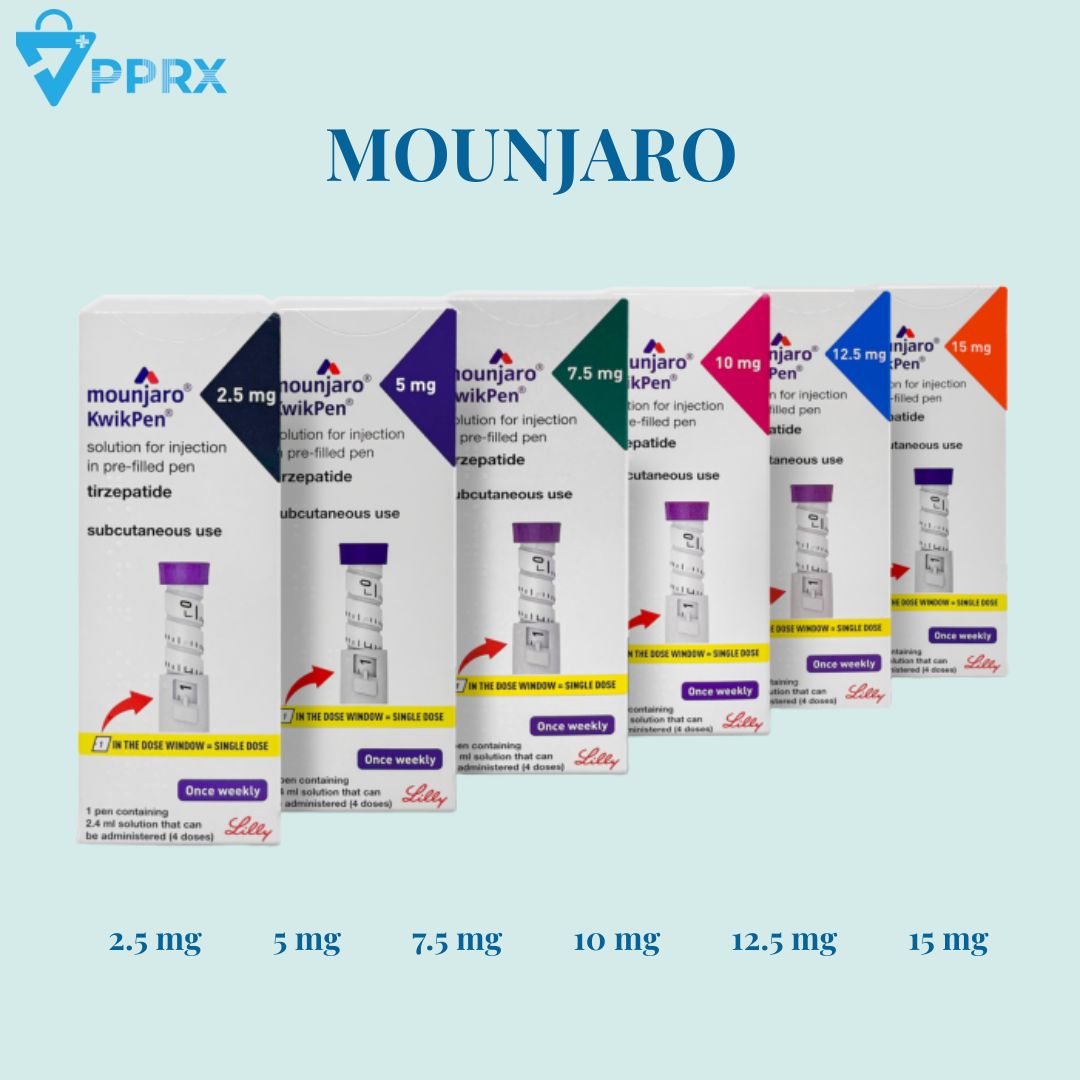
PPRX, a fully registered UK pharmacy, has confirmed expanded national access to prescription weight-loss injections Mounjaro and Wegovy, responding to unprecedented demand from patients seeking clinically supported weight management outside the NHS.

As NHS access to GLP-1 weight-loss treatments remains limited due to strict eligibility criteria and long waiting lists, increasing numbers of patients are turning to regulated private pharmacies for faster, medically supervised care. 

PPRX offers a fully compliant alternative, providing access to Mounjaro (tirzepatide) and Wegovy (semaglutide) through a secure online consultation process, with next-day delivery across the UK and Northern Ireland.

Mounjaro and Wegovy are prescription-only injectable treatments that work by regulating appetite and improving metabolic control. Clinical studies show both treatments are effective for long-term weight management when prescribed and monitored appropriately.

PPRX operates as a legitimate UK pharmacy and is registered with the General Pharmaceutical Council (GPhC). Patients and partners can independently verify the pharmacy’s registration on the official GPhC register:

https://www.pharmacyregulation.org/registers/pharmacy/9012740

“Our priority is patient safety, transparency, and proper medical oversight,” a spokesperson for PPRX told That's Health.

“We're seeing strong demand from patients who are informed, motivated, and seeking responsible access to treatment. Every prescription is issued following a clinical assessment by a UK-registered prescriber, with ongoing pharmacist support.”

Through its digital consultation pathway, PPRX enables patients to access treatment without needing a GP appointment, yet still maintaining full regulatory compliance. 

Each order includes a genuine manufacturer pen, needles, swabs, sharps disposal, pharmacist guidance, and temperature-controlled next-day delivery.

PPRX provides detailed educational resources to ensure patients understand their treatment, including safety information, dosing guidance, and injection support.

Mounjaro information:

https://www.pprx.co.uk/mounjaro

Mounjaro product page:

https://www.pprx.co.uk/product/mounjaro/

Mounjaro prices:

https://www.pprx.co.uk/mounjaro-prices

Wegovy information:

https://www.pprx.co.uk/wegovy

Wegovy product page:

https://www.pprx.co.uk/product/wegovy/

Wegovy prices:

https://www.pprx.co.uk/wegovy-prices

The pharmacy delivers nationwide, including major cities such as London, Manchester, Birmingham, Leeds, Liverpool, Bristol, Cardiff, Edinburgh, Glasgow, Belfast, and surrounding regions across England, Scotland, Wales, and Northern Ireland.

Industry analysts note that private pharmacies are increasingly filling a gap created by rising obesity rates and constrained NHS capacity. 

Regulated providers like PPRX play a key role by offering controlled access, patient education, and pharmacovigilance within a compliant framework.

PPRX has confirmed continued investment in pharmacist-led support, supply-chain resilience, and patient education as part of its 2026 expansion strategy.

For more information, visit: https://www.pprx.co.uk

Sunday, 30 November 2025

Why You Should Never Buy Weight-Loss Injections from Internet “Pharmacies”

Learn why buying weight-loss injections from unregulated online “pharmacies” is dangerous. 

Understand the risks of counterfeit products and how to obtain treatment safely in the UK.

The rise of injectable weight-loss medicines has created a booming black-market trade online. 

Search for them and you’ll find dozens of so-called “pharmacies” selling pens at bargain prices, promising fast, frictionless delivery and no GP involvement. 

It looks convenient. It looks cheap. It looks tempting.

But none of it is safe.

Here’s why you should never buy weight-loss injections from unofficial websites, social media sellers, or any outlet that isn’t a regulated UK pharmacy.

1. Most online sellers are not pharmacies at all

A genuine UK pharmacy must be registered with the General Pharmaceutical Council (GPhC). Many “online pharmacies” don’t appear on that register, even though they use professional-looking branding. Some operate from warehouses overseas. Others hide behind shell companies.

If there’s no GPhC registration, it’s not a pharmacy — and it should be avoided completely.

2. Counterfeit pens are now widespread

The Medicines and Healthcare products Regulatory Agency (MHRA) has repeatedly warned that fake weight-loss pens are circulating in the UK. These counterfeits vary widely:

Some contain no active ingredient

Some contain too much

Some contain entirely different drugs

Some have contaminated or unsterile contents

People have been hospitalised after using counterfeit pens purchased online. The risk is not hypothetical.

3. You won’t get a proper medical assessment

Injections such as semaglutide or liraglutide are prescription medicines for a reason. They affect blood sugar, digestion, and appetite, and they require:

Screening for suitability

A medical history check

Monitoring for side effects

Dosage adjustments

Clear instructions on safe use

Dodgy websites bypass all of this. A multiple-choice questionnaire is not a clinical assessment. When you skip proper oversight, you carry all of the risk.

4. You could have an undiagnosed condition that makes the drug unsafe

These injections aren’t suitable for everyone. They can interact with other medications and pose risks for people with:

Gallbladder disease

Thyroid conditions

Certain gastrointestinal issues

A history of pancreatitis

Eating disorders

A qualified prescriber checks for these issues. An online seller that only wants your money will not.

5. Incorrect dosing can be genuinely dangerous

Weight-loss injections require a precise dosing schedule that increases gradually. Fake or unregulated sellers may supply:

Pens already at the wrong dose

Vials with no instructions

Counterfeit products labelled incorrectly

Overdosing can cause severe vomiting, dehydration, dangerously low blood sugar, and hospital admission. Underdosing simply doesn’t work, wasting money and potentially reinforcing unhealthy dieting patterns.

6. There’s no recourse if something goes wrong

If you buy from an illegal seller:

You have no consumer protection

You cannot complain to a regulator

You cannot return the product

You cannot prove what was in the injection

You’re effectively dealing with criminals. Their priority is profit, not your health.

7. The real medicines are in short supply — which fuels scams

Weight-loss injections have been in high demand worldwide. That shortage has pushed people towards online sellers, and scammers know it. They prey on frustration, medical desperation, and the desire for quick results.

If it’s “in stock” online when everywhere else is sold out, be suspicious.

8. Legitimate weight-loss care is a full package — not just a pen

Real treatment involves:

Proper medical supervision

Lifestyle guidance

Regular monitoring

Safety checks

Support with side effects

You’re not just paying for the medicine, you’re paying for professional oversight. Illegal sellers remove all of that and leave you entirely on your own.

How to obtain weight-loss injections safely in the UK

If you believe these medicines might benefit you, they should only ever be obtained through:

Your GP

An NHS specialist weight-management service

A regulated online pharmacy with GPhC registration

A reputable private clinic with proper prescribing controls

If in doubt, you can check a pharmacy or clinic’s regulatory status through the GPhC or MHRA.

Weight-loss injections are prescription medicines, not cosmetic quick fixes. Buying them from unregulated internet “pharmacies” puts your health, safety, and money at risk.

If something sounds too cheap, too quick, or too easy, it probably is.

Your wellbeing is worth far more than a counterfeit pen.

Tuesday, 11 November 2025

Cabbage Soup for the Soul: The Myths and Truths of the Cabbage Soup Diet

Whilst eating my wife's delicious homemade cabbage soup one lunchtime we began reminiscing about the famed cabbage soup diet of several years ago and I realised it was time to write a blogpost about this largely forgotten diet of several years ago.

Few diets have been as talked about, tried, and teased as the famous Cabbage Soup Diet. From office lunchrooms to celebrity gossip magazines, this simple, low-calorie plan has achieved near-legendary status over the years. 

But how much of what we hear about it is true, and how much is pure myth? Let’s lift the lid on the pot and see what’s really simmering inside.

The Origins of the Cabbage Soup Diet

The Cabbage Soup Diet dates back to the late 1980s or early 1990s, though its exact beginnings are unclear. 

Some claim it started as a hospital diet to help patients lose weight quickly before surgery (a claim with no real proof), while others say it emerged from the rise of fad diets promising dramatic, short-term results.

What’s certain is that it’s a seven-day eating plan centred around a hearty vegetable soup made mostly from cabbage, onions, celery, peppers, tomatoes, and carrots. Other foods are introduced in a strict daily pattern—such as fruit on day one, vegetables on day two, bananas and milk on day four, and lean meat by day five.

There were even Cabbage Soup Diet tablets that were available filled with essence of cabbage soup at one time! 

The Myths

Myth 1: You Can Lose a Stone in a Week

It’s true that many people lose a noticeable amount of weight during the week, sometimes half a stone or more. 

However, much of that is water weight, not fat loss. When you cut calories drastically and reduce carbohydrates, your body sheds water quickly. Once normal eating resumes, most of that weight tends to return.

Myth 2: It’s a Healthy, Sustainable Diet

While cabbage and vegetables are full of nutrients, the diet itself is not balanced. It’s low in protein, essential fats, and key vitamins such as B12. Following it for more than a week can leave you feeling tired, irritable, and lacking energy.

Myth 3: Cabbage Has “Fat-Burning” Powers

Unfortunately, there’s no magical fat-burning enzyme in cabbage. The diet works purely because of extreme calorie restriction, not because cabbage has any special slimming properties.

The Truths

Truth 1: It Can Kick-Start Weight Loss

If you’re looking to break unhealthy habits, a short stint on the Cabbage Soup Diet can help you feel lighter, reduce bloating, and reset your mindset around portion sizes.

Truth 2: It Encourages Vegetable Intake

The diet does make you eat a lot of fresh vegetables, something many of us could do more of. For some, it’s a helpful way to rediscover the value of home-cooked, plant-based meals.

Truth 3: It’s Cheap and Simple

In a world full of expensive shakes and subscription meal plans, the Cabbage Soup Diet stands out for being budget-friendly. A head of cabbage, some onions, and a few tins of tomatoes cost very little, making it appealing to anyone wanting to cut back without breaking the bank.

So, Should You Try It?

If you’re after quick but temporary results, the Cabbage Soup Diet can deliver that short burst of motivation. But it’s not a long-term solution. The NHS and most UK dietitians advise focusing on a balanced plan with lean proteins, whole grains, and plenty of fruit and veg for sustainable, healthy weight management.

That said, there’s nothing wrong with using the Cabbage Soup Diet as a gentle reset—just don’t expect miracles or plan to live on cabbage forever!

Cabbage Soup for the Soul

Perhaps the real secret isn’t in the diet at all, but in the ritual of making soup. Preparing fresh vegetables, simmering them slowly, and sitting down to a warm, comforting bowl can be therapeutic in itself. The process helps reconnect us with real food, and that’s nourishment for both body and soul.

The Cabbage Soup Diet may not be a magic solution, but it remains a reminder that sometimes the simplest foods can help us start again. If you do give it a go, treat it as a short-term boost, then move on to a more balanced, sustainable way of eating.

As for the Cabbage Soup Diet tablets or Cabbage Soup Diet soup mixes that are available, we can make no comment on their efficacy!

If you want to try the Cabbage Soup Diet plan, here it is:-

Printable 7-Day Cabbage Soup Diet Plan

Disclaimer: This plan is for short-term use only and should not replace a balanced, long-term diet. Always check with a healthcare professional before starting any restrictive eating plan.

Day 1 – Fruit Day

Unlimited cabbage soup

Any fruit except bananas

Water, black coffee, or unsweetened tea

Day 2 – Vegetable Day

Unlimited cabbage soup

Any vegetables (fresh, steamed, or raw) except peas, corn, or beans

A baked potato with a small knob of butter for dinner

Day 3 – Fruit and Vegetable Day

Cabbage soup plus any fruits and vegetables (no potato today)

Keep hydrated with water or herbal tea

Day 4 – Banana and Milk Day

Up to 3 bananas

2 pints (1.2 litres) of skimmed milk

Cabbage soup as often as you like

Day 5 – Protein and Tomatoes

6 fresh tomatoes

Lean beef, chicken, or fish (approx. 300–400g total)

Cabbage soup at least once during the day

Drink at least 6–8 glasses of water

Day 6 – Protein and Vegetables

Lean beef, chicken, or fish

Any non-starchy vegetables

Unlimited cabbage soup

Day 7 – Rice and Vegetables

Brown rice, vegetables, and cabbage soup

Sugar-free fruit juice optional

Modernised Healthy Cabbage Soup Recipe

This version keeps the soul of the original but improves the nutrition and flavour — so it’s tasty enough to enjoy beyond the diet week.

Ingredients (serves 6–8)

½ medium white cabbage, shredded

2 onions, diced

2 celery stalks, sliced

2 carrots, chopped

1 green pepper, diced

2 garlic cloves, crushed

1 tin (400g) chopped tomatoes

1 litre low-salt vegetable stock

1 tbsp olive oil

1 tsp paprika

½ tsp chilli flakes (optional)

Fresh parsley, chopped

Instructions

Heat olive oil in a large pan and gently sauté the onions, garlic, celery, and carrots for 5 minutes.

Add the peppers, cabbage, and spices; stir well.

Pour in the stock and tomatoes, bring to a gentle boil.

Simmer for 30 minutes until the vegetables are tender.

Taste and adjust seasoning; garnish with parsley before serving.

Nutritional Note:

This soup is low in calories, high in fibre, and full of vitamins A, C, and K. Adding a handful of cooked lentils or beans makes it more balanced if you’re not strictly following the diet.

Bringing It All Together

Whether you’re looking to reset your eating habits, save money, or simply enjoy a warming, wholesome soup, the Cabbage Soup Diet can be a mindful start to a healthier routine, just remember it’s the first step, not the destination.