Saturday, 7 February 2026

“My handstand challenge for best mate whose life was turned upside down.”

When illness turned Ellis Healy’s life upside down, his best mate Harry turned upside down too - by committing to doing a handstand every day in 2026 to raise money for charity.

Harry Clesham, who lives in southwest London, has already raised over £2,000 for The Brain Tumour Charity via social media and his fundraising page – and his technique has improved to the stage where he can walk a few steps on his hands too.

He posts daily videos of his activities on Instagram, and carries out his feats in locations as varied as pubs, pavements, gyms, holiday hotspots and hotel rooms.

Harry and Ellis first met when they were students at university in Leicester in 2011. They lived in the same halls of residence, hung out together during Freshers’ Week and both joined the rugby team.

Ellis, 33, who had intended to become a butcher like his dad, then worked in London for a year, as did Harry. They sat their finals in Leicester and then both moved back to London to work at tech companies. Harry was also a groomsman and the Master of Ceremonies when Ellis married his wife Hannah in 2024.

But Ellis has had health struggles since he was diagnosed with Crohn’s disease when he was 11. Treatment included immunosuppressant medication which stopped working when he was 27.

While waiting to have scheduled keyhole surgery, he was rushed to hospital with a blockage in his intestine. This was found to be tumour, and to his shock, he was diagnosed with non-Hodgkin lymphoma. Fortunately, it had been caught early and he was treated with six rounds of R-CHOP chemotherapy – a combination of four drugs and a steroid.

That's where his good fortune ended. A PET scan to check he had the all-clear found no uptake of the contrast dye on the right side of his brain. A follow up scan identified a brain tumour.

Ellis told That's Health: “I was due to have keyhole surgery to treat my Crohn’s but ended up having four lots of surgery and two bouts of sepsis which triggered a cardiac arrest.

“I was discharged with a wearable defibrillator vest and was one of the first patients in the UK to use one. I had to wear it for 24 hours a day, including at work and at the gym which was awkward.”

Once his infection had gone, brain tumour treatment was due to start. But first he needed to have a permanent defibrillator implanted. Then, last March, Ellis had three seizures back-to-back.

Ellis continued: “I had my first seizure while I was asleep. It woke my wife who called an ambulance which arrived within 10 minutes. They gave me a sedative which stopped the seizure, but I had another one a short while later and another one in the ambulance.”

Six months after the seizures and the ICD Implant, Ellis had an awake craniotomy to remove a grade 2 to 3 astrocytoma, from which he’s now recuperating.

Throughout everything, Harry has supported Ellis as best he can – taking the mickey out of his fashion sense when he was wearing the defibrillator vest, and when he was well enough, going camping on the Dorset coast. That’s when the idea to raise awareness and funds came about.

Harry said: “Ellis has been an exceptional friend and we’ve been close pals ever since we met. His strength, humour and resilience throughout have been nothing short of inspiring - I truly haven’t met anyone like him. He’s one of a kind.

“The challenge was born after Ellis and I spent two days walking together along the Jurassic Coast. We talked about what he was going through, how he was feeling and what I could do to support him in a meaningful way. During those conversations, Ellis said that if I were to raise money for a cause, he would want it to be for The Brain Tumour Charity.”

Ellis added: “I mentioned The Brain Tumour Charity because their website and leaflets provide all the information you need to know - not just about living with the illness but also how to prepare for what’s next and how to overcome some of the challenges you’re going to face.

“It's just a really good single point of reference so I’ve used it a lot and it’s been very helpful for my family to understand it as well, in their own time.”

You can support Harry’s fundraising efforts here: https://www.justgiving.com/page/officialhandstandharry – and watch his daily handstand videos on Instagram @officialhandstandharry.

Harry said: “The rule is simple: no matter what the day brings, there is always time to show up for this cause. This challenge is about more than handstands. It is about standing alongside a friend as he recovers from brain tumour surgery, raising awareness of the impact brain tumours have on individuals and their families, and supporting the research, care and services provided by The Brain Tumour Charity. 

"I will keep going, one day, one handstand and one donation at a time, for Ellis and for everyone affected by brain tumours.”

Friday, 6 February 2026

Red Light Therapy for Nasal Passages: Does It Work?

Red light therapy (also called photobiomodulation) uses specific wavelengths of red or near-infrared light to influence cellular activity. 

It’s often promoted for skin health and pain relief, but can it help blocked or irritated nasal passages?

The ideas behind it

Supporters claim that red light may:

reduce inflammation in the nasal lining

improve local circulation

ease congestion and sinus pressure

help allergy-related nasal symptoms

Some devices are used externally around the nose, while others place a small light just inside the nostrils.

What does the evidence say?

The science is limited and mixed. A few small studies suggest possible symptom relief—particularly for allergic rhinitis, but results aren’t consistent, and study sizes are small. 

There’s no strong evidence that red light therapy can treat sinus infections or structural issues.

In short: it’s not a miracle cure, but some people do report mild improvement in comfort and airflow.

What it may help with

Mild nasal inflammation

Hay fever or allergy-related congestion

Post-cold irritation

What it’s unlikely to fix

Sinus infections with fever or facial pain

Deviated septum or nasal polyps

Severe or chronic sinusitis

Is it safe?

Generally low-risk when used correctly, but intranasal devices can cause irritation or dryness. Hygiene is important, and anyone prone to nosebleeds should be cautious.

The bottom line

Red light therapy may offer modest relief for some people with mild nasal inflammation, but it shouldn’t replace proven treatments like saline sprays, steroid nasal sprays, or medical advice. Think of it as a supportive option, not a primary solution.

If symptoms are persistent, one-sided, or worsening, it’s best to speak to a GP.

I use a red light therapy device which I have owned for several years and I have noticed improvements in my nasal passages after use.

They are available from Amazon at around £30 https://amzn.to/4rAl00m

Thursday, 5 February 2026

Gastroparesis Awareness: A Hidden Digestive Condition

Gastroparesis is a long-term digestive condition that is still widely misunderstood, yet it can have a major impact on physical health, mental wellbeing, and day-to-day life.

Raising awareness helps people recognise symptoms earlier, seek appropriate support, and feel less alone.

What Is Gastroparesis?

Gastroparesis means delayed stomach emptying. Food moves from the stomach to the small intestine more slowly than normal, even though there is no physical blockage. 

The condition is usually linked to damage or dysfunction of the nerves and muscles that control digestion, particularly the vagus nerve.

Symptoms to Be Aware Of

Symptoms can vary in severity and may come and go, which often makes diagnosis difficult. Common symptoms include:

Ongoing nausea or vomiting

Feeling full after only a few mouthfuls

Bloating and abdominal discomfort

Acid reflux or heartburn

Unintentional weight loss

Poor blood sugar control (especially in people with diabetes)

Because these symptoms overlap with other gastrointestinal conditions, people can wait years for a clear diagnosis.

Causes and Risk Factors

In the UK, gastroparesis is most often associated with:

Diabetes (Type 1 and Type 2)

Nerve damage following surgery

Certain viral infections

Side effects of some medications

Idiopathic gastroparesis, where no clear cause is found

Managing Life With Gastroparesis

There is currently no cure, but symptoms can often be managed with medical guidance and lifestyle adjustments. Common approaches include:

Eating small, frequent meals

Reducing high-fat and high-fibre foods

Choosing soft or blended meals

Medication to improve stomach motility or reduce nausea

Nutritional support where needed

Living with gastroparesis can be physically draining and emotionally challenging. Anxiety, frustration, and low mood are common — making holistic healthcare essential.

Why Gastroparesis Awareness Matters

Greater awareness can lead to:

Faster diagnosis and treatment

Better understanding from employers and loved ones

Improved access to specialist care

Reduced stigma around invisible chronic illness

Being listened to and believed is often one of the biggest hurdles for people with gastroparesis.

UK Support and Help

If you’re affected by gastroparesis, these UK-based organisations offer reliable information and support:

NHS https://www.nhs.uk

Your GP is the first step for referrals, investigations, and access to gastroenterology services.

Guts UK https://gutscharity.org.uk

Provides clear, patient-friendly resources on gastroparesis and other digestive conditions. Previously known as the Digestive Disorders Foundation

Offers educational materials and awareness campaigns focused on digestive health.

PINNT https://pinnt.com/Home.aspx

Supports people who need enteral or parenteral nutrition, including those with severe gastroparesis.

If symptoms are affecting your quality of life, speak to your GP and ask about further investigation or specialist referral.

Gastric electric pacemakers are also a treatment option 

https://www.nuffieldhealth.com/treatments/gastric-electrical-stimulation-for-gastroparesis

That’s Health Takeaway

Gastroparesis is often invisible, but its impact is very real. Awareness, education, and access to the right UK support services can make a meaningful difference — not just medically, but emotionally too.

Incidentally, El Dyson, a friend of this blog who introduced us to the existence of Gastroparesis has a GoFundMe campaign to raise money to have a gastric pacemaker fitted. 

You can visit her appeal fund here: https://gofund.me/b6f40683

Wednesday, 4 February 2026

National Toothache Day: Why Dental Pain Should Never Be Ignored

National Toothache Day is a timely reminder that tooth pain isn’t just an inconvenience — it’s your body waving a red flag. 

Whether it’s a dull throb, a sharp jolt when you sip something cold, or an ache that keeps you awake at night, toothache usually means something needs attention.

What actually causes toothache?

Toothache can stem from a range of issues, including:

Tooth decay or cavities

Gum disease or infection

Cracked or broken teeth

Worn enamel causing sensitivity

Impacted wisdom teeth

Sinus problems that mimic dental pain

Ignoring it rarely makes it go away. In fact, it often gets worse.

The knock-on effects of dental pain

Ongoing toothache can affect far more than your mouth. Many people report:

Poor sleep and fatigue

Difficulty eating properly

Headaches and jaw pain

Reduced concentration and mood

Left untreated, infections in the mouth can spread, leading to more serious health complications.

What you can do right now

If you’re experiencing toothache:

Rinse gently with warm salt water

Avoid very hot, cold, or sugary foods

Use a toothpaste for sensitive teeth

Take appropriate pain relief if needed (as directed)

These steps may help ease discomfort — but they’re not a cure.

When to seek help

If pain lasts more than a day or two, is severe, or comes with swelling, fever, or a bad taste in the mouth, it’s time to seek professional advice. In the UK, your dentist should always be your first port of call, and urgent issues can be assessed via the NHS if needed.

Prevention really is better than cure

National Toothache Day is also a nudge to prioritise prevention:

Brush twice daily with fluoride toothpaste

Clean between teeth every day

Attend regular dental check-ups

Don’t put off minor problems

A healthy mouth supports overall health — and saves a lot of pain down the line.

Today’s takeaway: toothache is never “just one of those things”. Listen to it, act early, and give your smile the care it deserves.

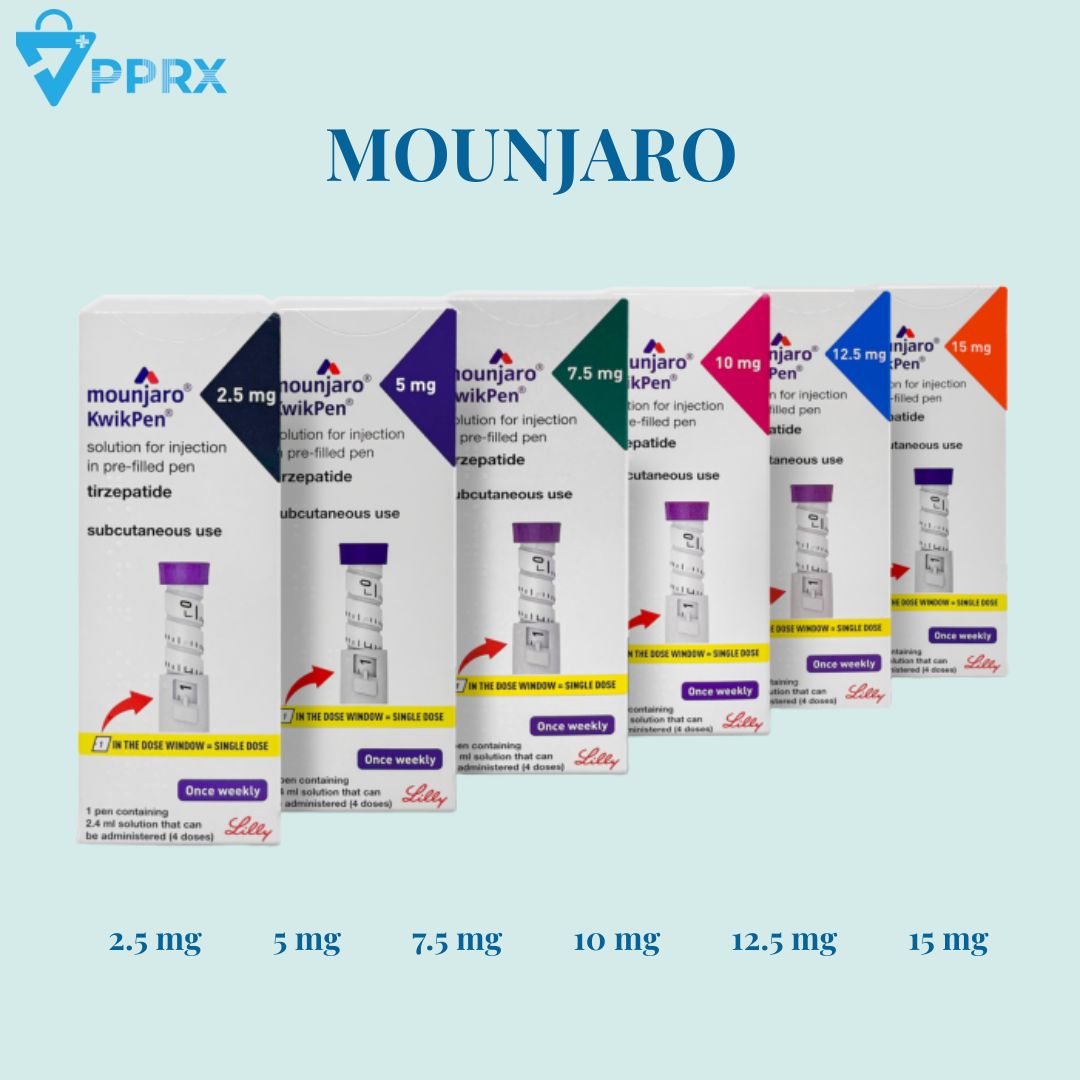
PPRX strengthens access to Mounjaro and Wegovy as demand surges

PPRX, a fully registered UK pharmacy, has confirmed expanded national access to prescription weight-loss injections Mounjaro and Wegovy, responding to unprecedented demand from patients seeking clinically supported weight management outside the NHS.

As NHS access to GLP-1 weight-loss treatments remains limited due to strict eligibility criteria and long waiting lists, increasing numbers of patients are turning to regulated private pharmacies for faster, medically supervised care. 

PPRX offers a fully compliant alternative, providing access to Mounjaro (tirzepatide) and Wegovy (semaglutide) through a secure online consultation process, with next-day delivery across the UK and Northern Ireland.

Mounjaro and Wegovy are prescription-only injectable treatments that work by regulating appetite and improving metabolic control. Clinical studies show both treatments are effective for long-term weight management when prescribed and monitored appropriately.

PPRX operates as a legitimate UK pharmacy and is registered with the General Pharmaceutical Council (GPhC). Patients and partners can independently verify the pharmacy’s registration on the official GPhC register:

https://www.pharmacyregulation.org/registers/pharmacy/9012740

“Our priority is patient safety, transparency, and proper medical oversight,” a spokesperson for PPRX told That's Health.

“We're seeing strong demand from patients who are informed, motivated, and seeking responsible access to treatment. Every prescription is issued following a clinical assessment by a UK-registered prescriber, with ongoing pharmacist support.”

Through its digital consultation pathway, PPRX enables patients to access treatment without needing a GP appointment, yet still maintaining full regulatory compliance. 

Each order includes a genuine manufacturer pen, needles, swabs, sharps disposal, pharmacist guidance, and temperature-controlled next-day delivery.

PPRX provides detailed educational resources to ensure patients understand their treatment, including safety information, dosing guidance, and injection support.

Mounjaro information:

https://www.pprx.co.uk/mounjaro

Mounjaro product page:

https://www.pprx.co.uk/product/mounjaro/

Mounjaro prices:

https://www.pprx.co.uk/mounjaro-prices

Wegovy information:

https://www.pprx.co.uk/wegovy

Wegovy product page:

https://www.pprx.co.uk/product/wegovy/

Wegovy prices:

https://www.pprx.co.uk/wegovy-prices

The pharmacy delivers nationwide, including major cities such as London, Manchester, Birmingham, Leeds, Liverpool, Bristol, Cardiff, Edinburgh, Glasgow, Belfast, and surrounding regions across England, Scotland, Wales, and Northern Ireland.

Industry analysts note that private pharmacies are increasingly filling a gap created by rising obesity rates and constrained NHS capacity. 

Regulated providers like PPRX play a key role by offering controlled access, patient education, and pharmacovigilance within a compliant framework.

PPRX has confirmed continued investment in pharmacist-led support, supply-chain resilience, and patient education as part of its 2026 expansion strategy.

For more information, visit: https://www.pprx.co.uk

A Lasting Legacy: Kenneth Townsley’s Vision Lives on Through Kentown Support

Kentown Support was deeply saddened to learn of the death of Kenneth Townsley, (PICTURED) Founder of The Kentown Wizard Foundation. 

Ken was a remarkable visionary whose life and work had a profound and lasting impact on the lives of thousands of children and young people across the UK. 

The Kentown Wizard Foundation continues to reflect the values and generosity that shaped Ken’s life and work.

In 2025, Dr Helena Dunbar established Kentown Support, funded by The Kentown Wizard Foundation. Set up as an independent not-for-profit organisation, Dr Dunbar as CEO, defined the charity’s mission to transform children’s community palliative care provision across the UK through meaningful collaboration and a unique model of programme delivery.

Kentown Support has also partnered with The Cicely Saunders Institute, King’s College, London in the funding of a new Centre of Excellence for children's palliative care research, education and training. The new Centre reflects a long-term commitment to building capacity in a field that has historically been under-resourced and under-researched and sets the standard globally for high quality research, education, and care. 

In addition to funding several research studies, Master’s and PhD scholarships, the new centre will also ensure it builds research capacity and knowledge for care professionals and parents/carers of seriously ill children, advancing Ken’s legacy for the benefit of all.

Dr Dunbar said told That's Health:  “I feel honoured and privileged to be able to continue Ken’s legacy and vision through Kentown Support. We are making groundbreaking strides in closing gaps in children’s community palliative care.

"Our model is strengthening collaboration and integration with existing services at a local level and is ensuring that seriously ill children can

 remain at home, cared for by skilled professionals and able to meet their complex needs whilst giving their families the support they need at such a difficult time.”

Significant challenges remain across the children’s palliative care sector, including shortages of skilled personnel, limited access to 24/7 specialist children’s community palliative care and fragmented services. Kentown Support’s aim is to work alongside existing services and organisations to address these gaps and improve the quality, accessibility and coordination of children’s community palliative care through cultural change and a fully collaborative approach.

Through its work, Kentown Support will continue Ken Townsley’s vision of improving and impacting the lives of thousands of seriously ill children across the UK. His legacy will live on in every family supported, every professional empowered and every child enabled to receive compassionate, expert care at home.

Kentown Support extends its deepest sympathies to Ken’s family, friends, the staff and board of trustees at The Kentown Wizard Foundation and all who were touched by his extraordinary life and generosity.

www.kentownsupport.org.uk

Tuesday, 3 February 2026

Menopausal hair loss. What You Can Do

Around 40% of women over 50 notice some degree of hair thinning, and around 50% of women over 50 experience some degree of hair loss. 

Yet despite hair changes being common symptoms of the menopause, these aren’t often talked about, and many women struggle in silence.

In the Winter 2025–2026 issue of The Menopause Exchange newsletter, Neil Harvey RIT, chair of the Institute of Trichologists, discusses the causes and impact of hair loss and hair thinning at the menopause. 

He looks at what could be making the symptoms worse, along with the range of medical and non-medical treatments, such as medicines, HRT, nutrition and dietary supplements.

“Hormonal changes are the most common causes of hair changes at this time of life,” says Norma Goldman, founder and director of The Menopause Exchange. “But other things can make hair loss or hair thinning worse, such as thyroid conditions, iron deficiency, some medicines, and stress or anxiety. The good news is that there are effective treatments available for hair loss and hair thinning, so it’s important that women speak to their GP, menopause specialist or trichologist (a specialist in diseases or problems affecting the hair and scalp).”

The Menopause Exchange’s subscribers include women, men, healthcare professionals, complementary therapists, workplace managers, employees and journalists. Other articles in the Winter 2025–2026 issue of The Menopause Exchange quarterly newsletter include side-effects of HRT, menopause myths you might still believe, and CBT, systemic psychotherapy & mindfulness, as well as news, Ask the Experts Q&As and information about Norma Goldman’s webinars, talks and workshops.

The Menopause Exchange, which was established in 1999, is unbiased and independent and isn’t sponsored by any companies or organisations. Their free quarterly newsletter contains articles written by top UK medical experts, including menopause consultants, GPs, specialist menopause nurses, pharmacists, dietitians, complementary practitioners, a menopause counsellor and a pelvic health physiotherapist.

To join The Menopause Exchange, anyone can sign up for free at their website, http://www.menopause-exchange.co.uk. You can also find them on Facebook and Twitter (@MenopauseExch).